About this artwork
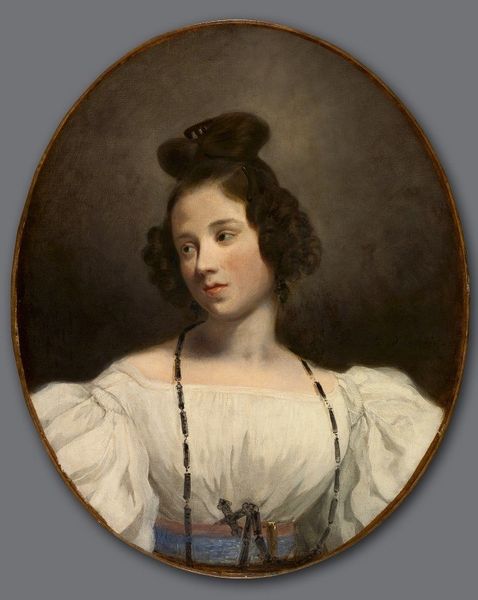
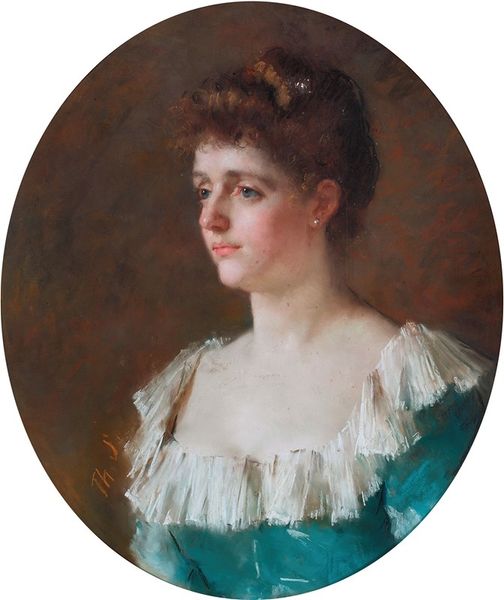
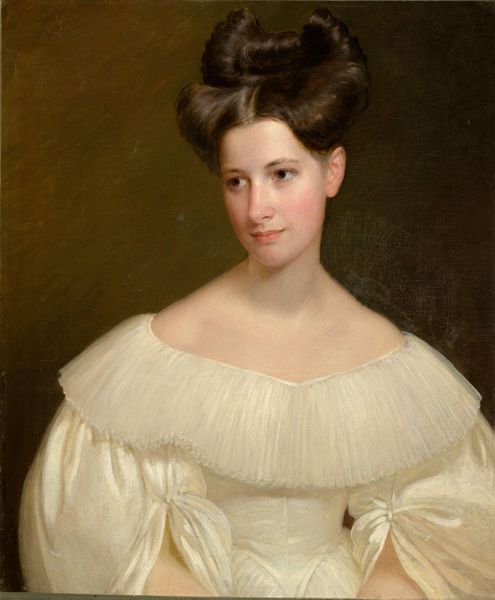
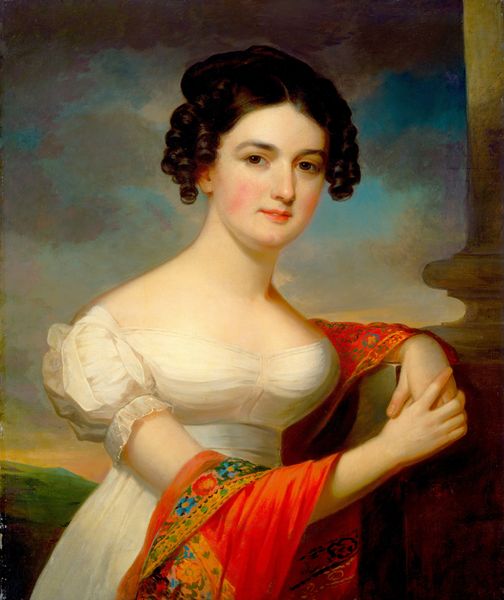
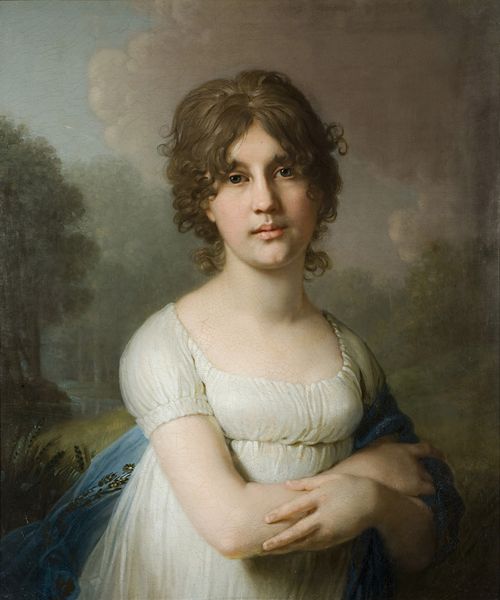
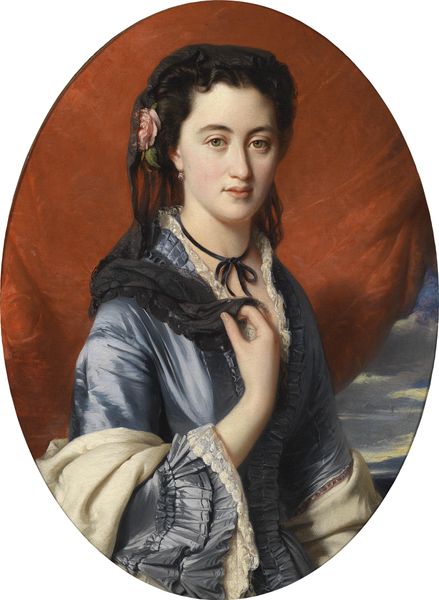
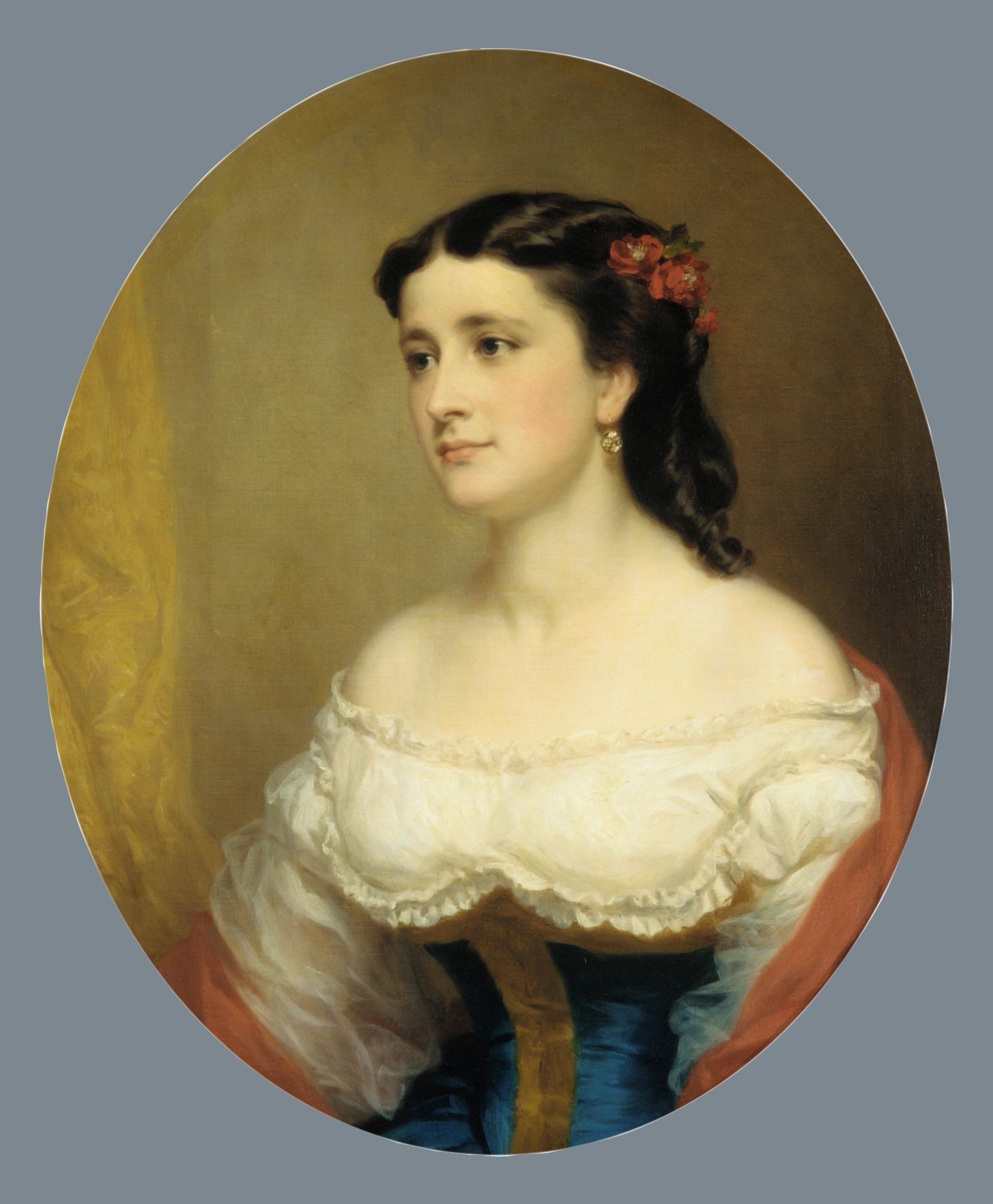
George Augustus Baker Jr. painted Mrs. William Loring Andrews with oil on canvas in the United States, most likely in the mid-19th century. This portrait embodies the visual codes of feminine virtue and social status prevalent at the time. Baker presents Mrs. Andrews with an idealized beauty, her soft features and delicate complexion enhanced by the gentle light. Her elegant dress, adorned with lace and a blue sash, signifies her elevated social standing within a burgeoning American aristocracy. The red roses in her hair add a touch of romanticism and passion, while also alluding to the Victorian language of flowers, where each bloom carried a specific meaning. Portraits like these served as important markers of identity and lineage, reinforcing social hierarchies and preserving family legacies. To truly understand this artwork, we might consult genealogical records, fashion plates, and social histories, all of which could reveal more about Mrs. Andrews’s life and the world she inhabited. By situating the artwork within its original context, we can better appreciate its significance as a reflection of social values and institutional power.
Mrs. William Loring Andrews 1861 - 1863

George Augustus Baker Jr.
1821 - 1880
The Metropolitan Museum of Art
Metropolitan Museum of Art, New York, NYArtwork details
- Dimensions
- 30 x 25 in. (76.2 x 63.5 cm)
- Location
- Metropolitan Museum of Art, New York, NY
- Copyright
- Public Domain
Tags
portrait
character portrait
portrait reference
portrait head and shoulder
animal portrait
men
animal drawing portrait
facial portrait
portrait art
fine art portrait
celebrity portrait
digital portrait
Comments
No comments
About this artwork
George Augustus Baker Jr. painted Mrs. William Loring Andrews with oil on canvas in the United States, most likely in the mid-19th century. This portrait embodies the visual codes of feminine virtue and social status prevalent at the time. Baker presents Mrs. Andrews with an idealized beauty, her soft features and delicate complexion enhanced by the gentle light. Her elegant dress, adorned with lace and a blue sash, signifies her elevated social standing within a burgeoning American aristocracy. The red roses in her hair add a touch of romanticism and passion, while also alluding to the Victorian language of flowers, where each bloom carried a specific meaning. Portraits like these served as important markers of identity and lineage, reinforcing social hierarchies and preserving family legacies. To truly understand this artwork, we might consult genealogical records, fashion plates, and social histories, all of which could reveal more about Mrs. Andrews’s life and the world she inhabited. By situating the artwork within its original context, we can better appreciate its significance as a reflection of social values and institutional power.
Comments
No comments