1776
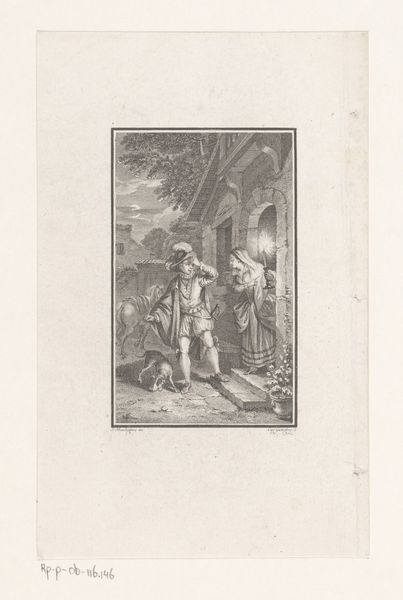
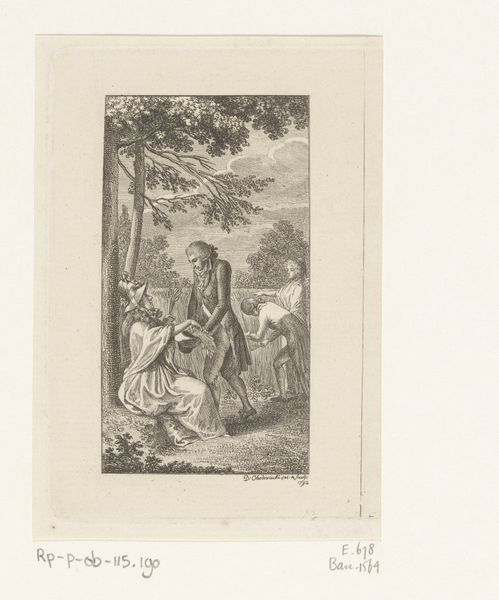
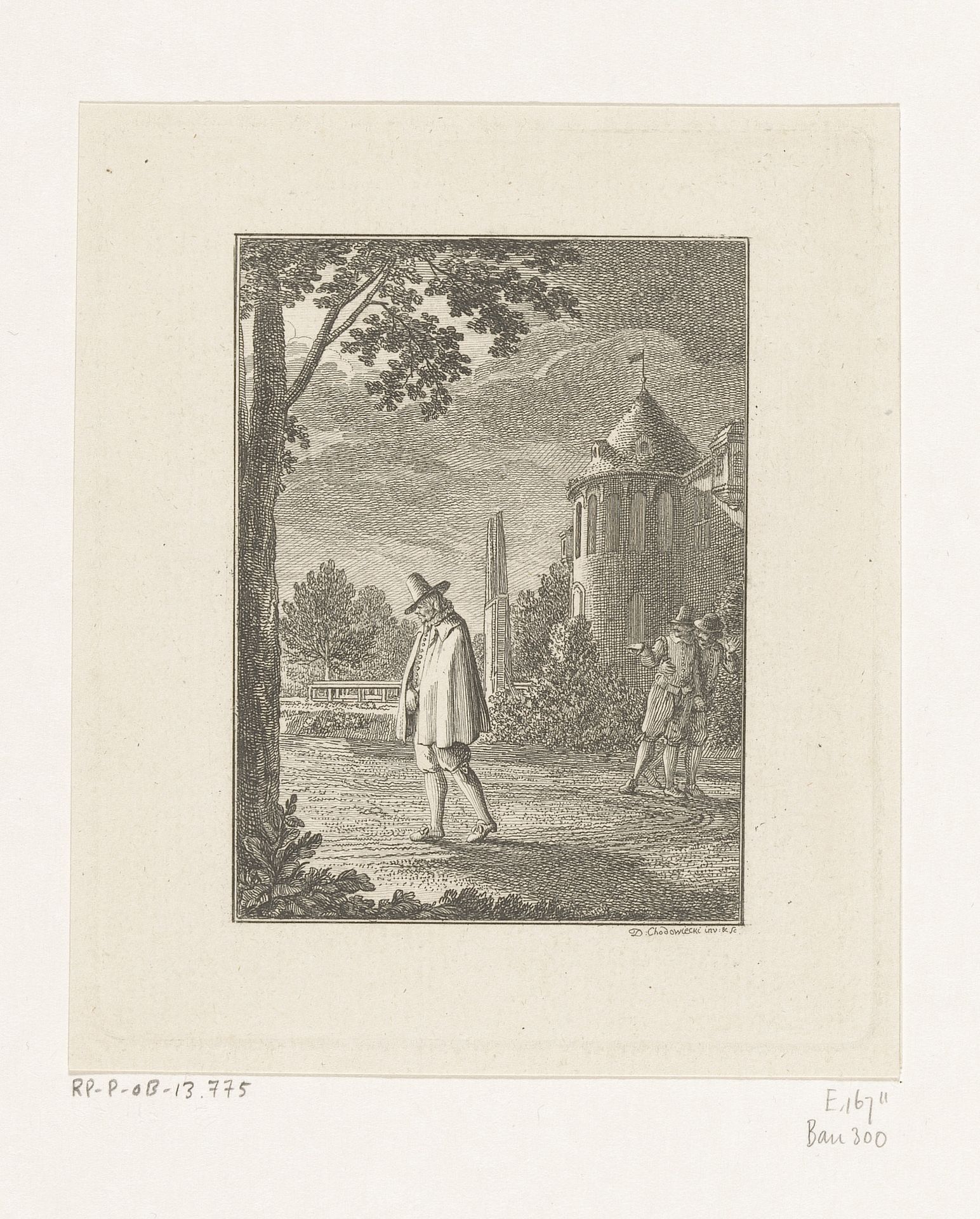
Geest van Gabriel Wunderlich

Daniel Nikolaus Chodowiecki
1726 - 1801Location
RijksmuseumListen to curator's interpretation
Curatorial notes
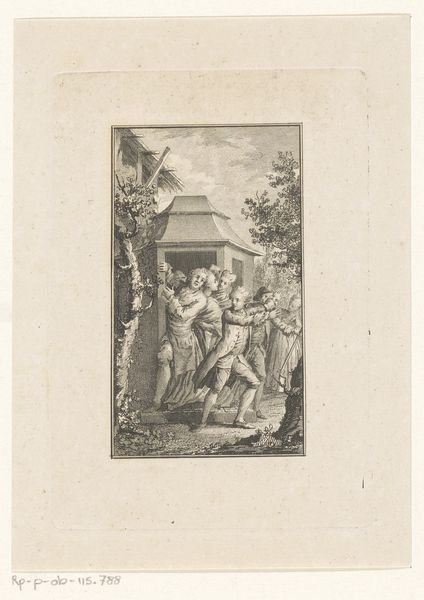
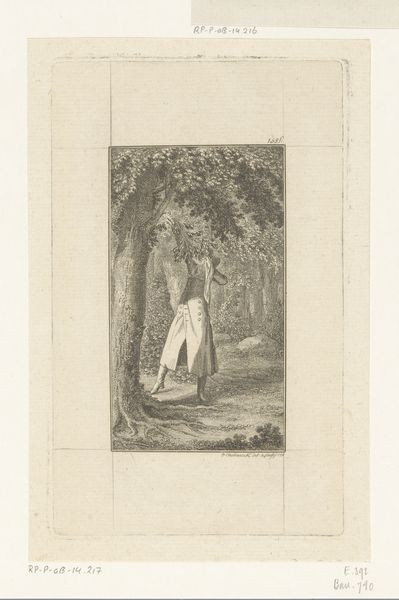
Daniel Nikolaus Chodowiecki created this etching, "Geest van Gabriel Wunderlich," sometime in the late 18th century. The image presents a ghostly figure in a landscape, seemingly oblivious to the pointing figures behind him. Chodowiecki was working in a moment of increasing social consciousness. So the image speaks to the period’s preoccupation with the supernatural, but also to the ways in which such beliefs intersected with social commentary. This was a time of great social change and debate, which affected the institutions of art, with artists exploring new ways to engage with the public. To understand this work, it's crucial to consider the cultural context of 18th-century Europe, with its mix of Enlightenment rationalism and continued fascination with the mystical. By studying the print culture of the time, and the institutional history of art, we can better appreciate how artists like Chodowiecki reflected, and shaped, the social landscape. Art is never made in a vacuum, and its meaning is always contingent on its social and institutional context.