About this artwork
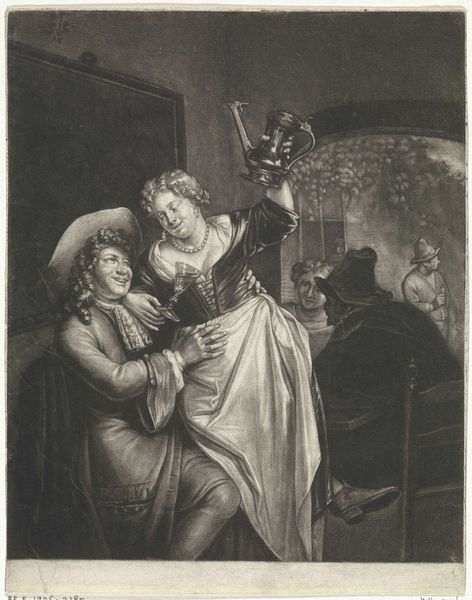
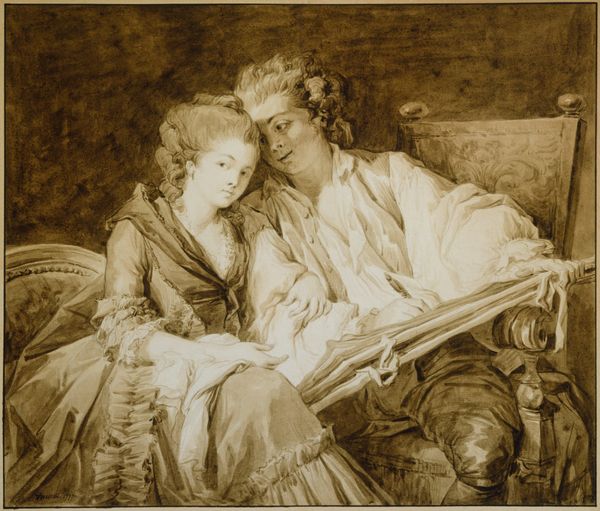
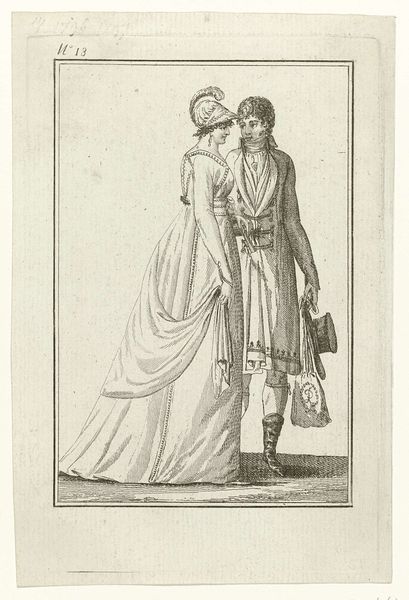
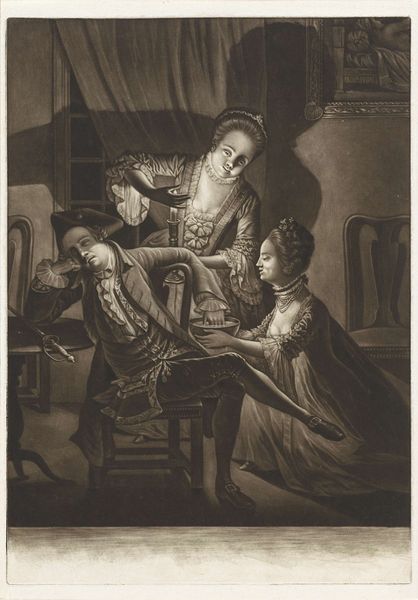
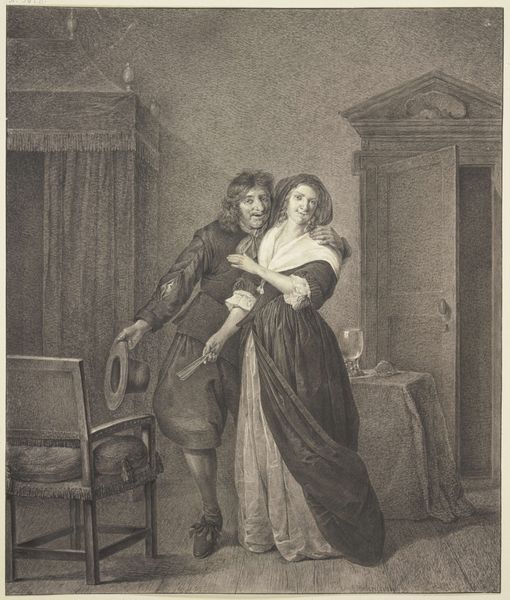
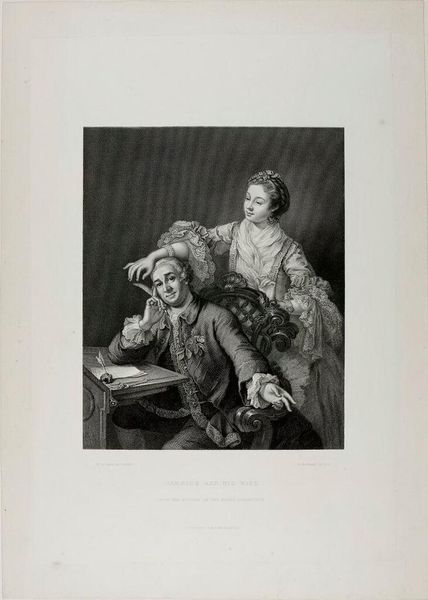
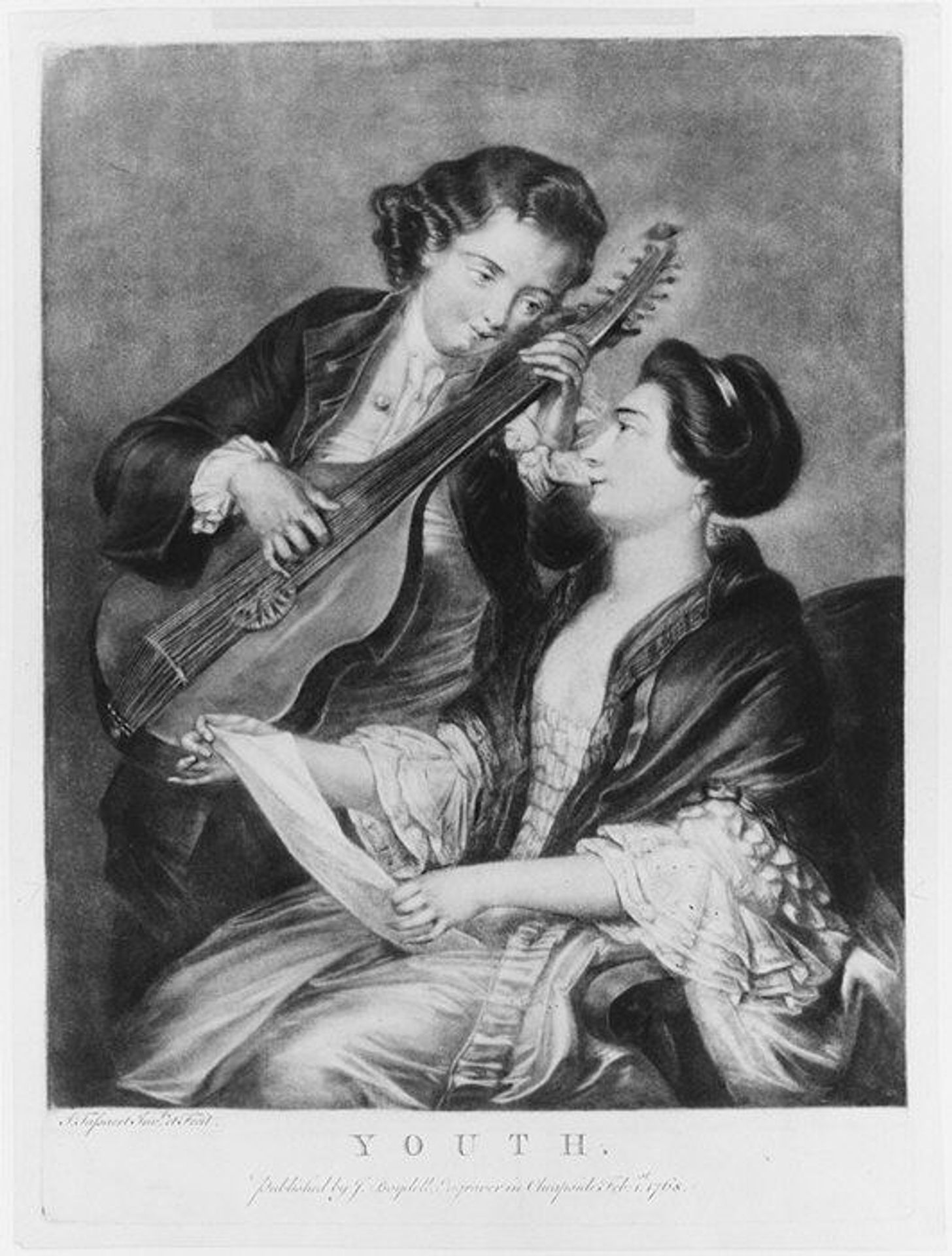
Phillip Joseph Tassaert created this image called ‘Youth’, sometime in the late 18th century. The print shows a fashionable couple in a domestic setting, playing music and enjoying each other's company. It presents an image of genteel leisure. In France at this time, the aristocracy and rising middle classes were keen to emulate aristocratic pastimes. Art collecting and musical performance were seen as signs of refinement. The image creates meaning through its visual codes. The clothing, hairstyles, and musical instrument all signify wealth and status. The soft lines and gentle composition suggest a mood of tenderness and intimacy. The print subtly reinforces prevailing social norms, presenting an idealised vision of domestic life. As art historians, we consult sources, like period etiquette manuals, popular songbooks, and fashion plates to better understand the cultural significance of works like this. The meaning of art is always contingent on its social and institutional context.
Youth
1768

Phillip Joseph Tassaert
1732 - 1803
The Metropolitan Museum of Art
Metropolitan Museum of Art, New York, NYArtwork details
- Medium
- drawing, print
- Dimensions
- Image: 12 3/8 x 9 3/4 in. (31.5 x 24.8 cm) Plate: 13 11/16 x 9 7/8 in. (34.8 x 25.1 cm) Sheet: 14 3/8 x 10 9/16 in. (36.5 x 26.8 cm)
- Location
- Metropolitan Museum of Art, New York, NY
- Copyright
- Public Domain
Tags
Comments
Share your thoughts
About this artwork
Phillip Joseph Tassaert created this image called ‘Youth’, sometime in the late 18th century. The print shows a fashionable couple in a domestic setting, playing music and enjoying each other's company. It presents an image of genteel leisure. In France at this time, the aristocracy and rising middle classes were keen to emulate aristocratic pastimes. Art collecting and musical performance were seen as signs of refinement. The image creates meaning through its visual codes. The clothing, hairstyles, and musical instrument all signify wealth and status. The soft lines and gentle composition suggest a mood of tenderness and intimacy. The print subtly reinforces prevailing social norms, presenting an idealised vision of domestic life. As art historians, we consult sources, like period etiquette manuals, popular songbooks, and fashion plates to better understand the cultural significance of works like this. The meaning of art is always contingent on its social and institutional context.
Comments
Share your thoughts