About this artwork
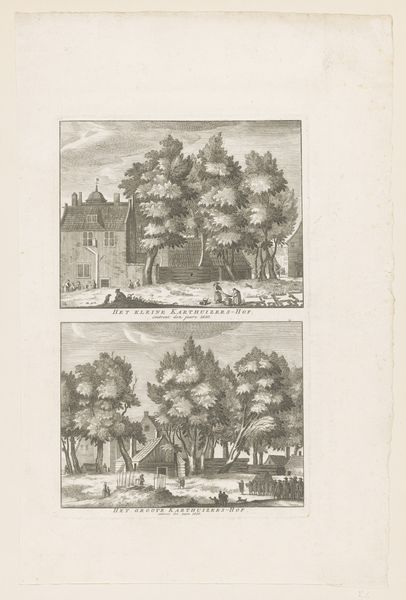
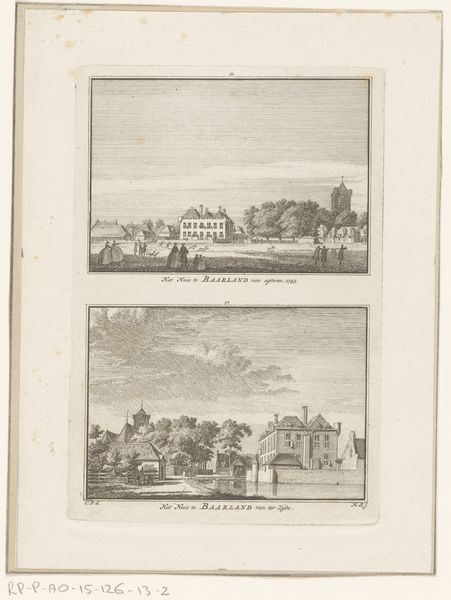
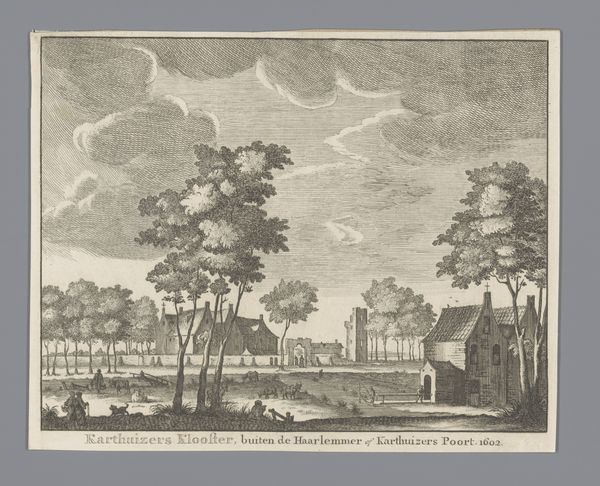
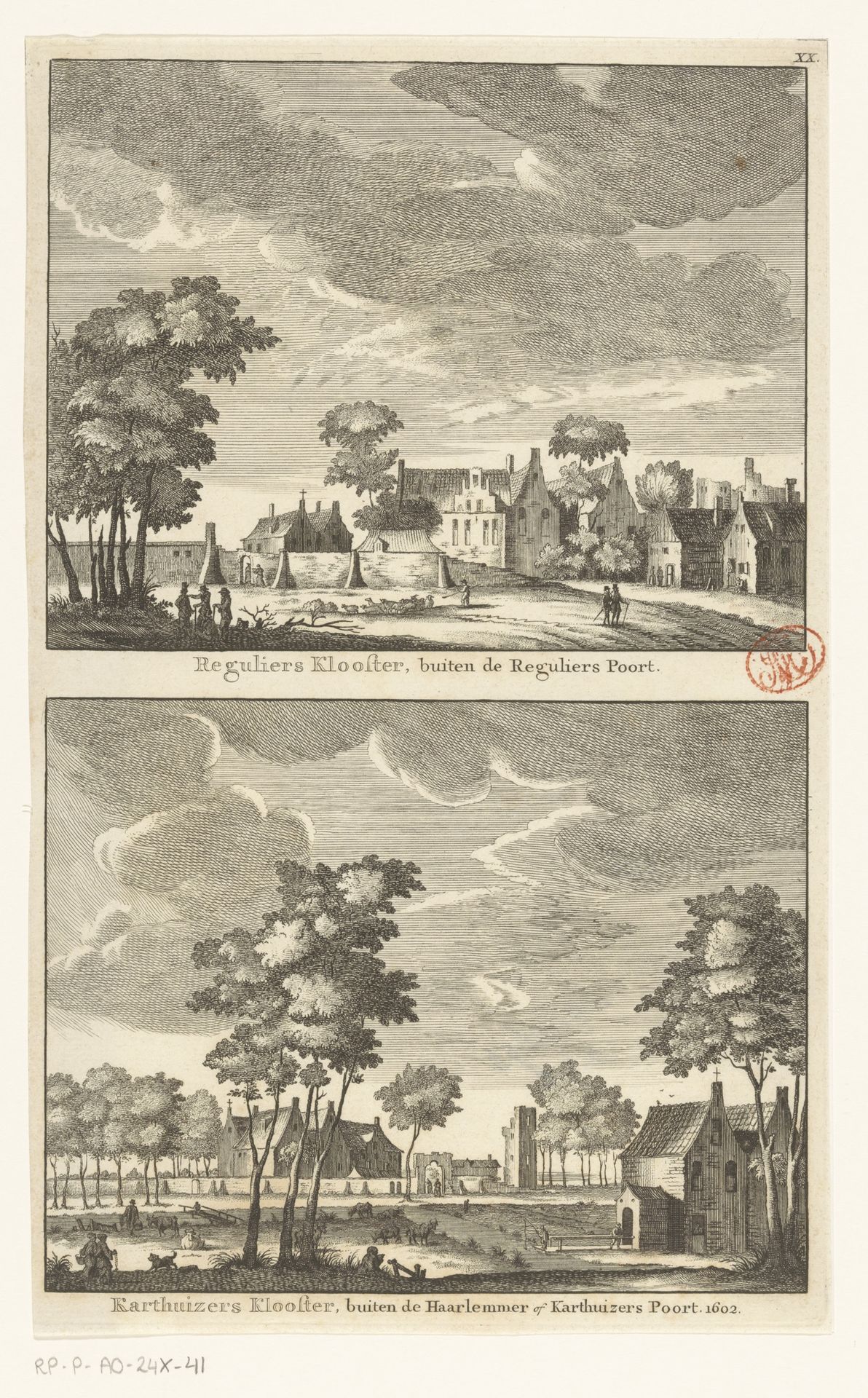
This engraving, made in 1602 by an anonymous artist, presents two distinct yet interconnected scenes of monastic life outside Amsterdam. The composition is divided horizontally, a structural choice that invites a comparative reading of the two cloisters. Above, the Reguliers cloister is rendered with a focus on architectural detail, its buildings arranged along a clear horizontal axis. Below, the Kartuizer cloister emphasizes the natural landscape, with trees framing a more dispersed arrangement of buildings. The artist employs a contrasting texture to differentiate the sky from the land. In the upper panel, densely packed clouds create a sense of enclosure, while in the lower panel, the sky is clearer, opening up the space. This formal structure—the juxtaposition of architectural precision and naturalistic openness—reflects the differing spiritual ethos of the two orders, inviting viewers to contemplate the relationship between sacred space and the world beyond.
Het Reguliersklooster en het Kartuizerklooster buiten Amsterdam, 1602
1760

Anonymous
@anonymousLocation
RijksmuseumArtwork details
- Medium
- print, etching, engraving
- Dimensions
- height 266 mm, width 165 mm
- Location
- Rijksmuseum
- Copyright
- Rijks Museum: Open Domain
Tags
Comments
Share your thoughts
About this artwork
This engraving, made in 1602 by an anonymous artist, presents two distinct yet interconnected scenes of monastic life outside Amsterdam. The composition is divided horizontally, a structural choice that invites a comparative reading of the two cloisters. Above, the Reguliers cloister is rendered with a focus on architectural detail, its buildings arranged along a clear horizontal axis. Below, the Kartuizer cloister emphasizes the natural landscape, with trees framing a more dispersed arrangement of buildings. The artist employs a contrasting texture to differentiate the sky from the land. In the upper panel, densely packed clouds create a sense of enclosure, while in the lower panel, the sky is clearer, opening up the space. This formal structure—the juxtaposition of architectural precision and naturalistic openness—reflects the differing spiritual ethos of the two orders, inviting viewers to contemplate the relationship between sacred space and the world beyond.
Comments
Share your thoughts