About this artwork
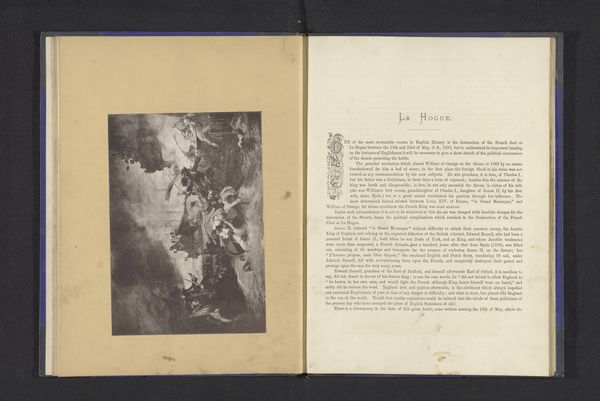
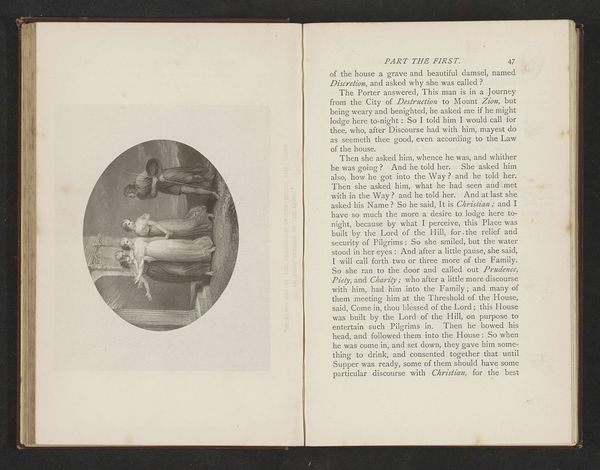
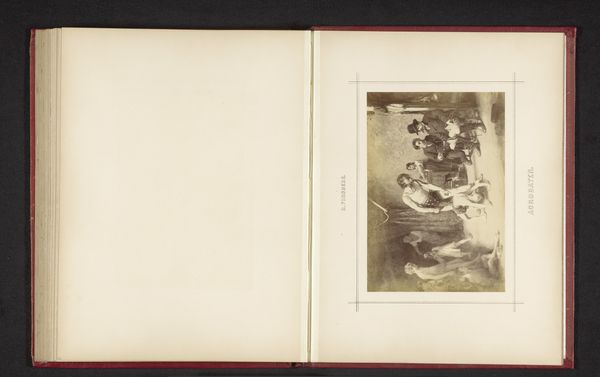
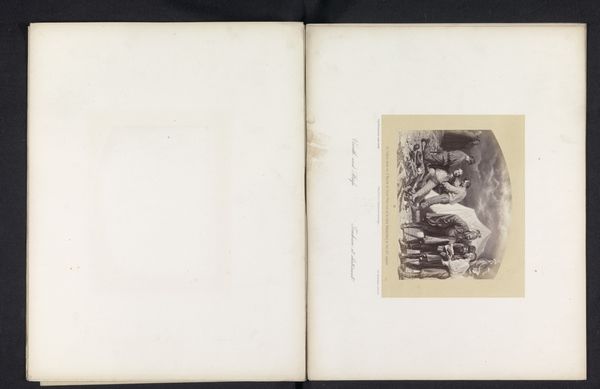
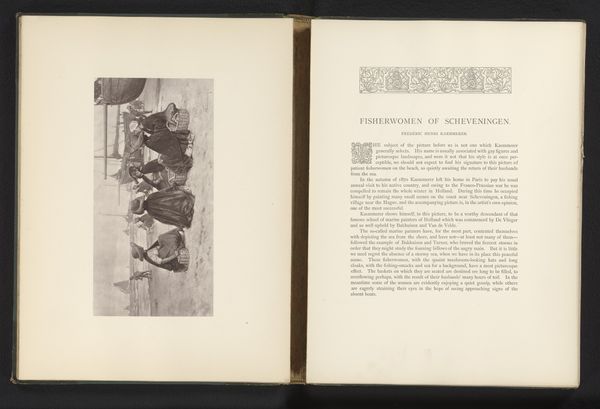
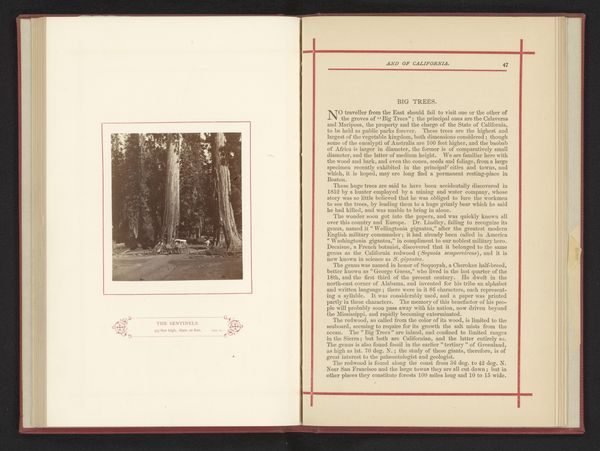
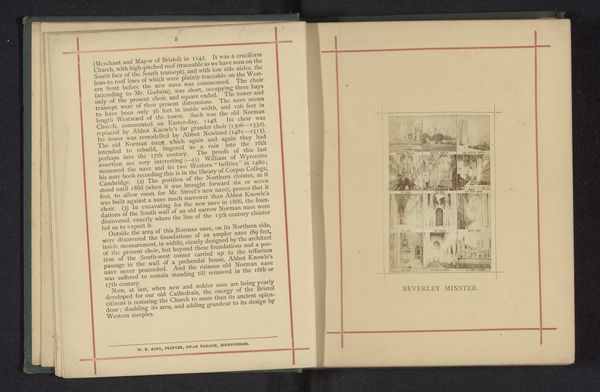
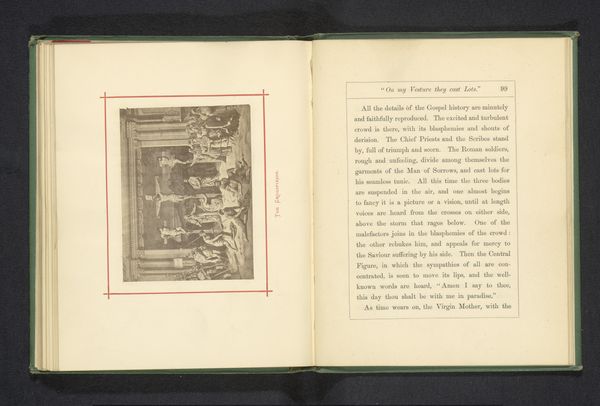
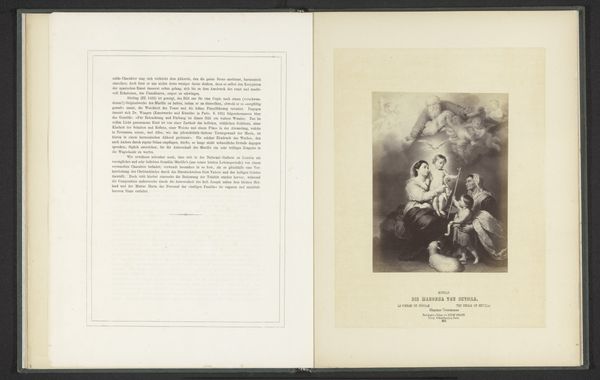
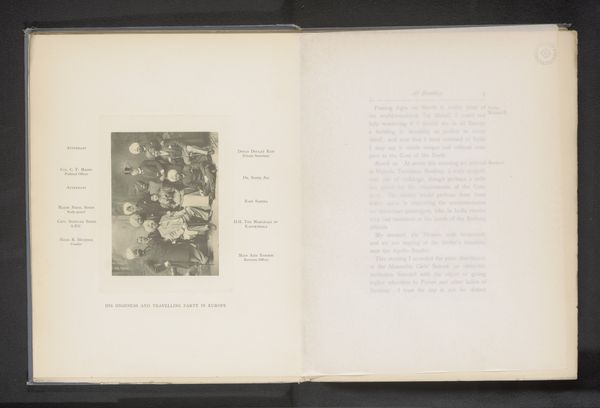
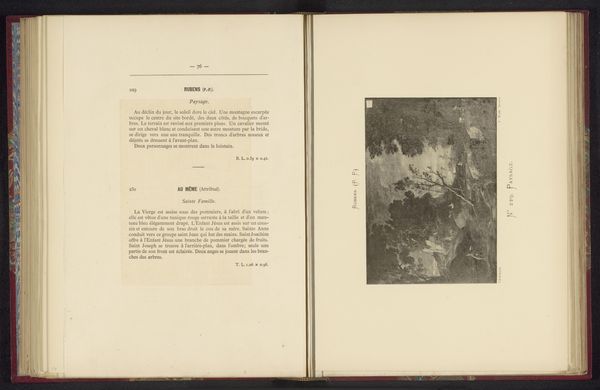
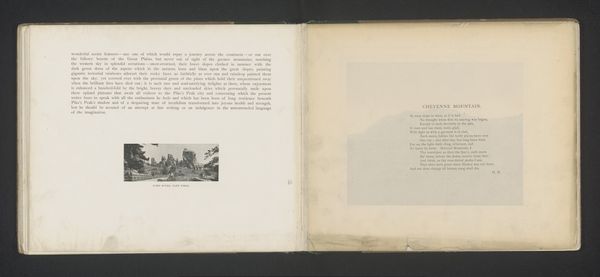
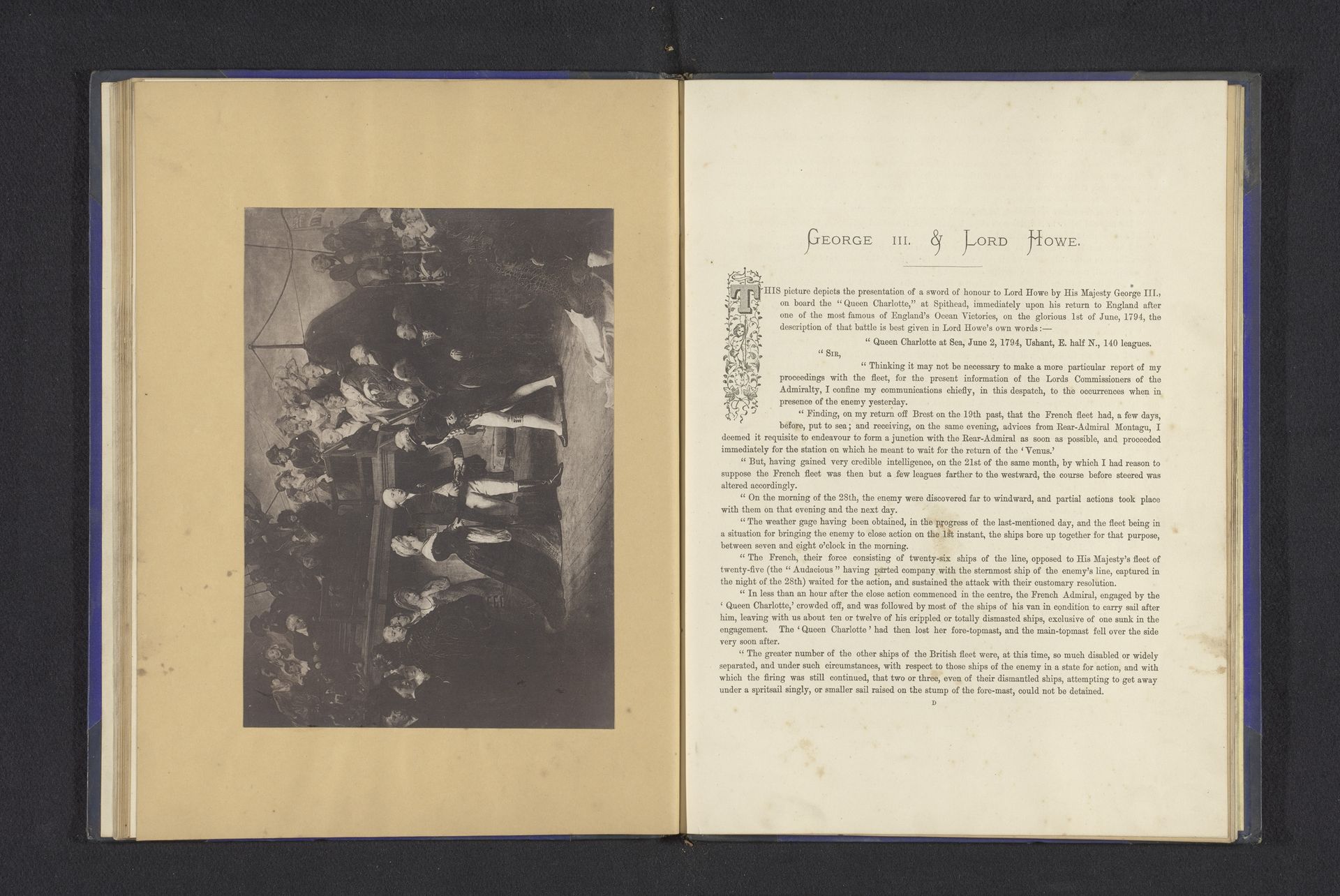
This reproduction depicts Henry Perronet Briggs's painting, “Visit of George III to Howe's Flagship, the Queen Charlotte, on 26 Juni 1794.” The artwork is printed in ink on paper, a process that democratized image distribution in the 19th century. The original painting captures a moment of British naval triumph and royal spectacle. This reproduction, through the mechanical process of printing, transforms a unique artwork into a commodity, available for wider consumption. The texture of the paper and the ink’s tonal range create a visual experience that is different from that of the original painting. This shift from handmade to mechanically reproduced imagery reflects broader changes in society, where industrialization and mass production were reshaping labor and consumption patterns. The print serves as a reminder of the layers of mediation that exist between an event, its artistic representation, and its dissemination to the public. The print invites us to consider how different modes of production influence our understanding and appreciation of art. By examining the materials and processes involved, we gain insight into the social and cultural significance embedded within this reproduction.
Reproductie van Visit of George III to Howe's Flagship, the Queen Charlotte, on 26 Juni 1794 door Henry Perronet Briggs
before 1881

Artwork details
- Dimensions
- height 164 mm, width 230 mm
- Copyright
- Rijks Museum: Open Domain
Tags
Comments
Share your thoughts
About this artwork
This reproduction depicts Henry Perronet Briggs's painting, “Visit of George III to Howe's Flagship, the Queen Charlotte, on 26 Juni 1794.” The artwork is printed in ink on paper, a process that democratized image distribution in the 19th century. The original painting captures a moment of British naval triumph and royal spectacle. This reproduction, through the mechanical process of printing, transforms a unique artwork into a commodity, available for wider consumption. The texture of the paper and the ink’s tonal range create a visual experience that is different from that of the original painting. This shift from handmade to mechanically reproduced imagery reflects broader changes in society, where industrialization and mass production were reshaping labor and consumption patterns. The print serves as a reminder of the layers of mediation that exist between an event, its artistic representation, and its dissemination to the public. The print invites us to consider how different modes of production influence our understanding and appreciation of art. By examining the materials and processes involved, we gain insight into the social and cultural significance embedded within this reproduction.
Comments
Share your thoughts