About this artwork
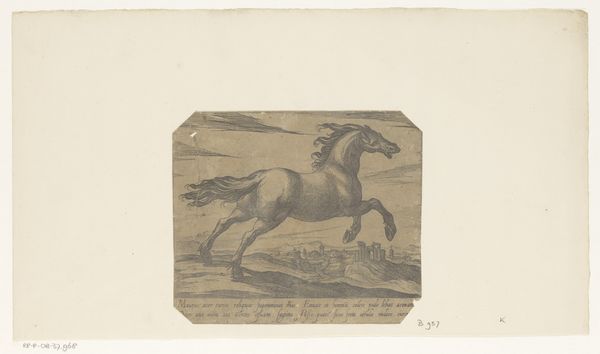
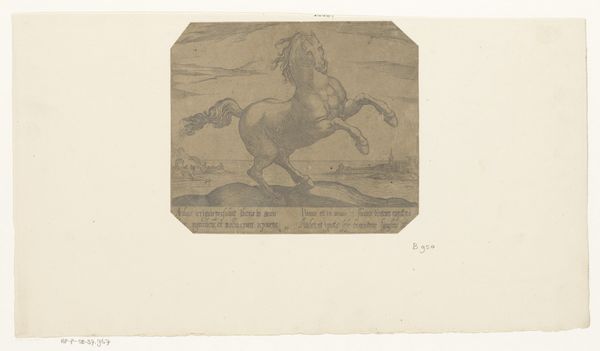
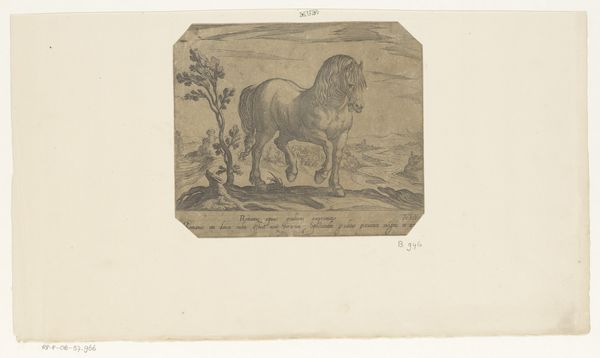
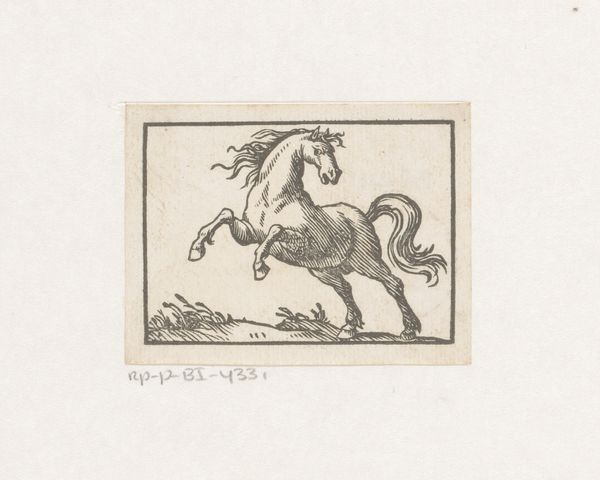
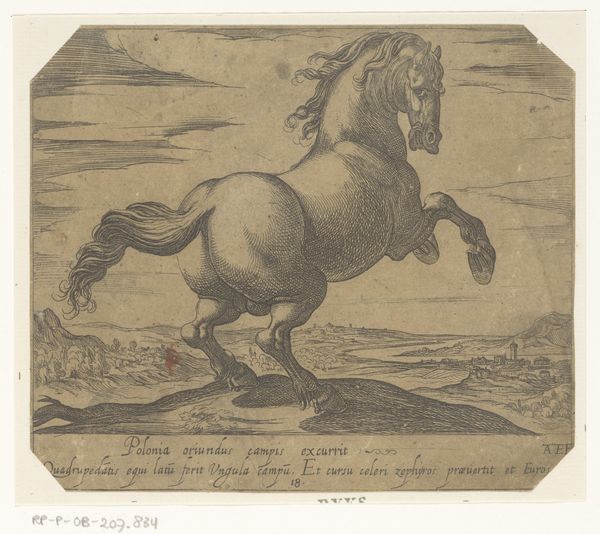
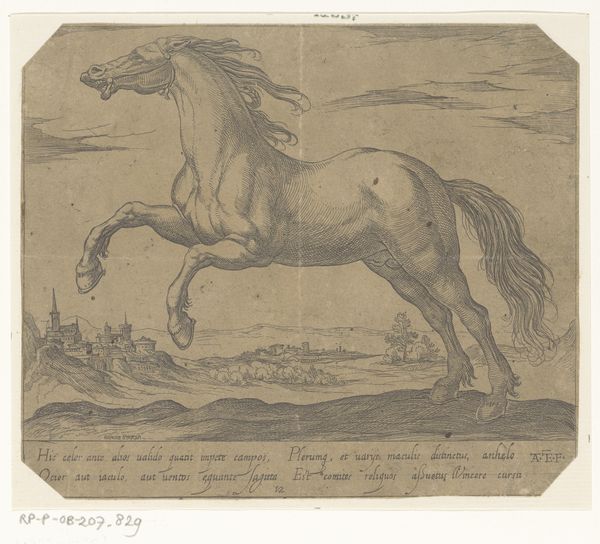
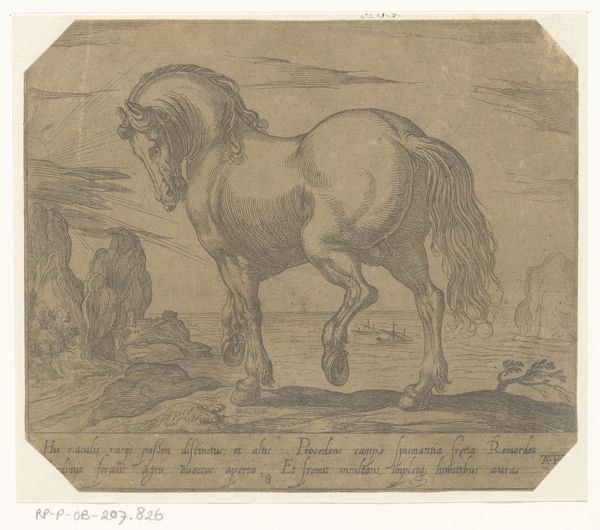
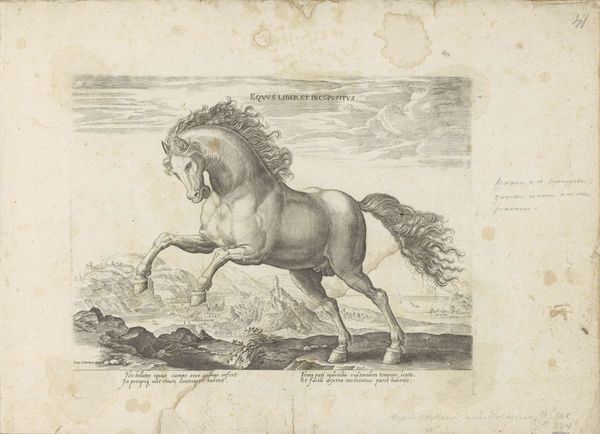
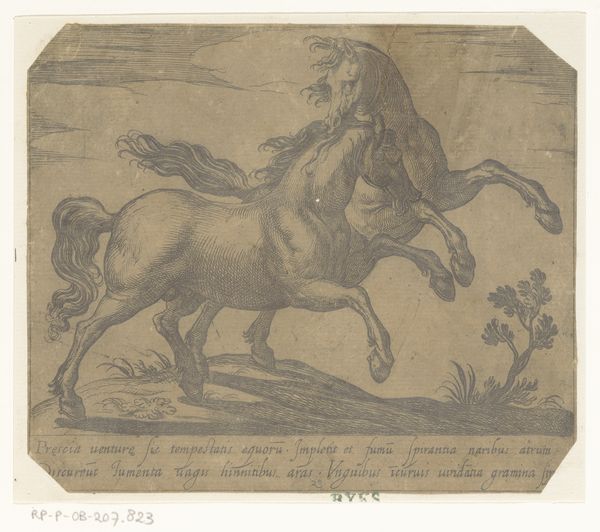
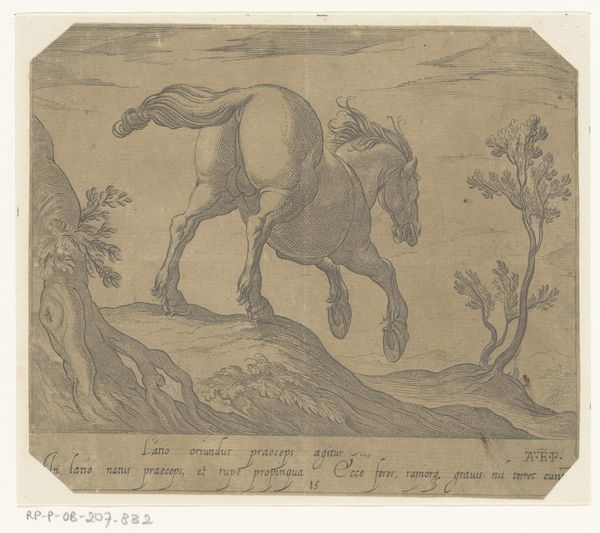
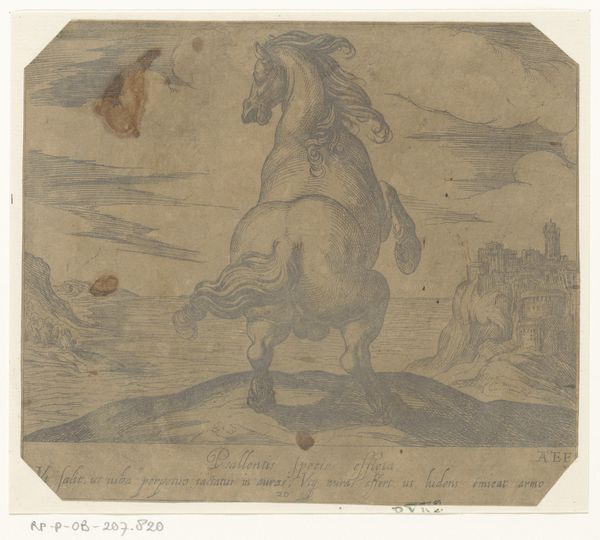
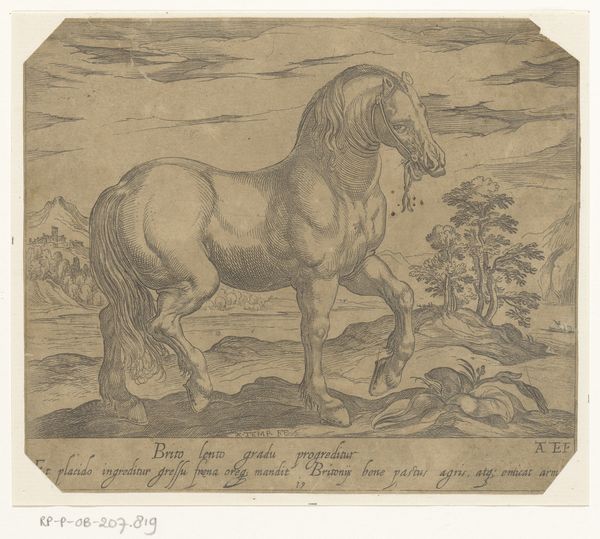
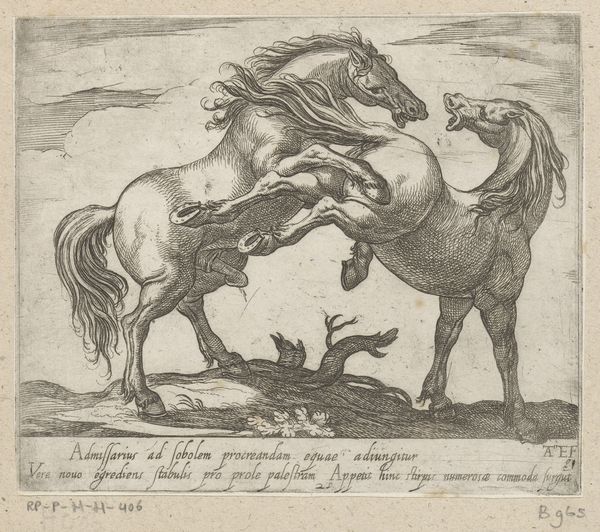
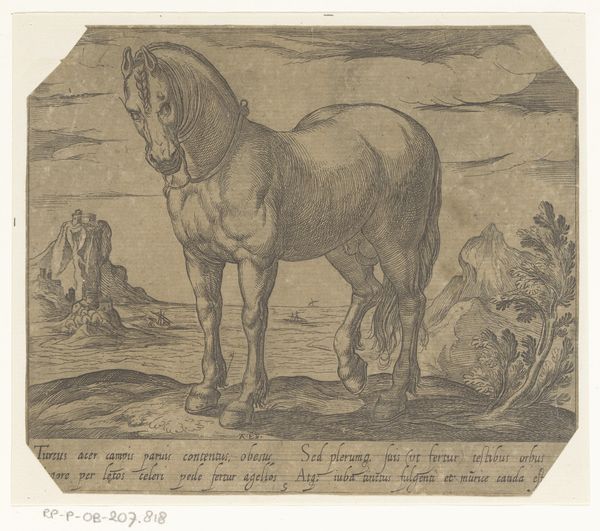
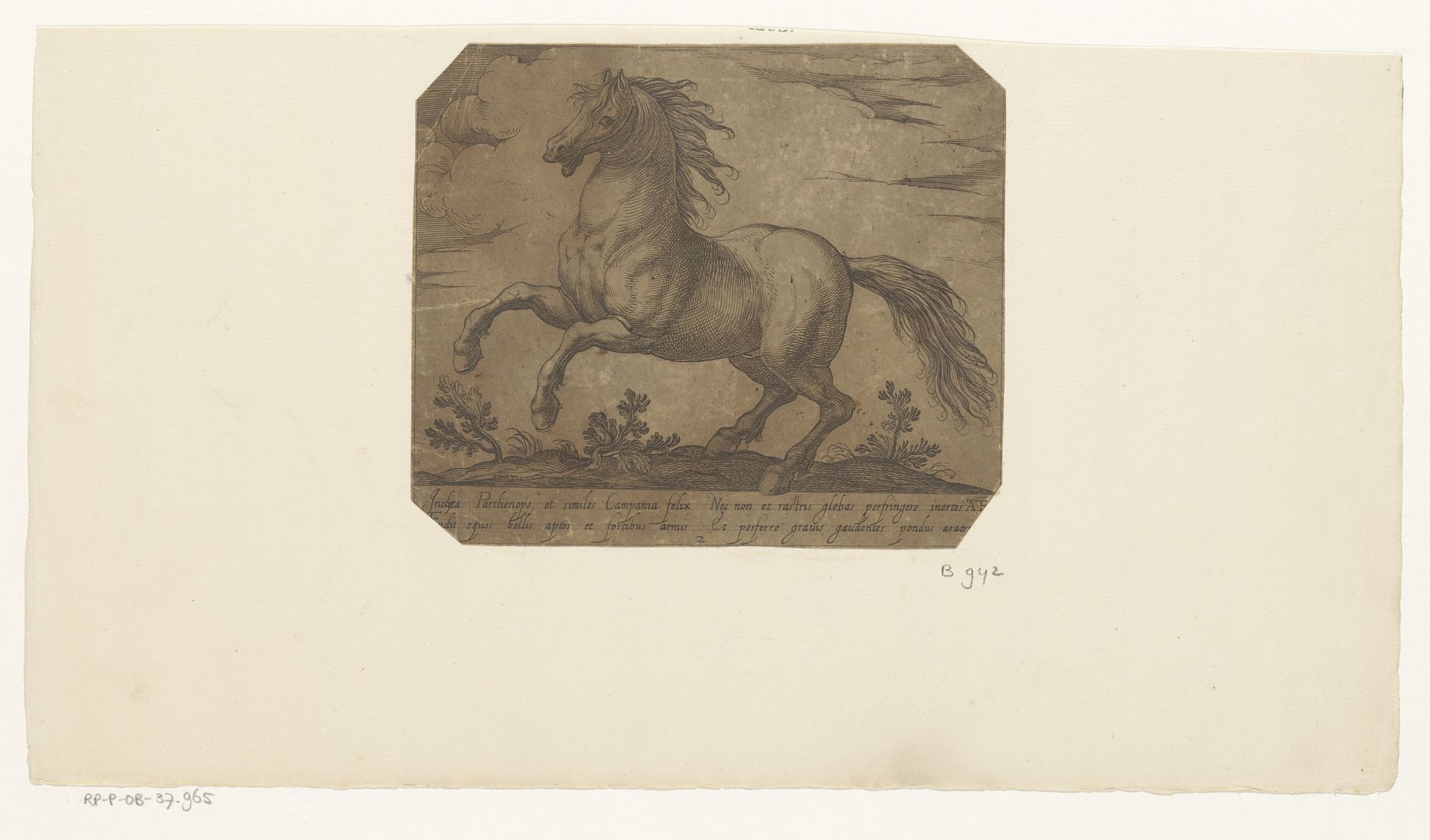
Antonio Tempesta etched this image of a rearing horse facing left, sometime between 1575 and 1630. The cultural symbolism of the horse in Renaissance Italy was complex. A skilled horseman was essential for war, travel, and trade, and noble families invested heavily in breeding and training them. Images like this one are a window into that world. The refined and muscular form of this animal is a potent symbol of wealth, power, and aristocratic masculinity. But Tempesta was not a member of that elite class. He was born in Florence, where he trained as a painter before joining a community of Northern European printmakers in Rome. His engravings after classical and contemporary paintings circulated widely, informing the taste of collectors. The Rijksmuseum's rich collection of prints and drawings offers scholars insight into this complex history of artistic exchange.

Artwork details
- Medium
- print, etching, engraving
- Dimensions
- height 139 mm, width 164 mm
- Location
- Rijksmuseum
- Copyright
- Rijks Museum: Open Domain
Tags
Comments
Share your thoughts
About this artwork
Antonio Tempesta etched this image of a rearing horse facing left, sometime between 1575 and 1630. The cultural symbolism of the horse in Renaissance Italy was complex. A skilled horseman was essential for war, travel, and trade, and noble families invested heavily in breeding and training them. Images like this one are a window into that world. The refined and muscular form of this animal is a potent symbol of wealth, power, and aristocratic masculinity. But Tempesta was not a member of that elite class. He was born in Florence, where he trained as a painter before joining a community of Northern European printmakers in Rome. His engravings after classical and contemporary paintings circulated widely, informing the taste of collectors. The Rijksmuseum's rich collection of prints and drawings offers scholars insight into this complex history of artistic exchange.
Comments
Share your thoughts