About this artwork
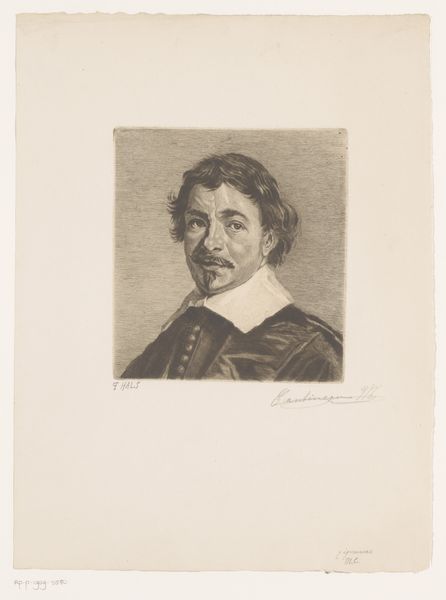
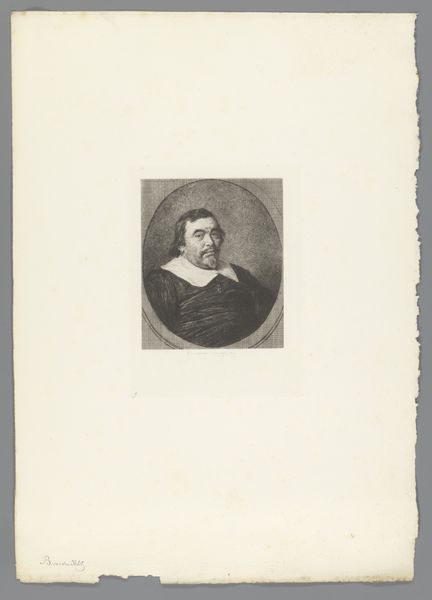
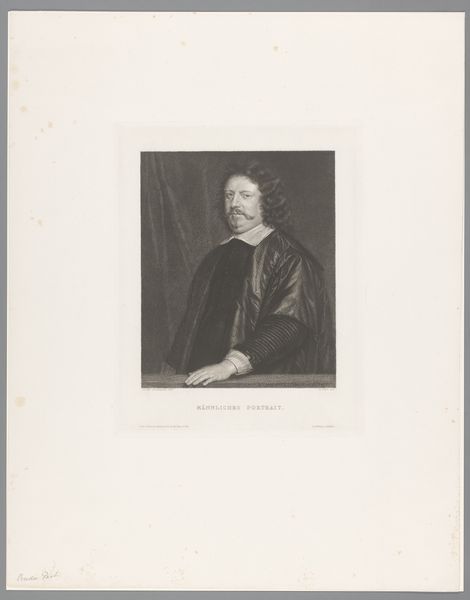
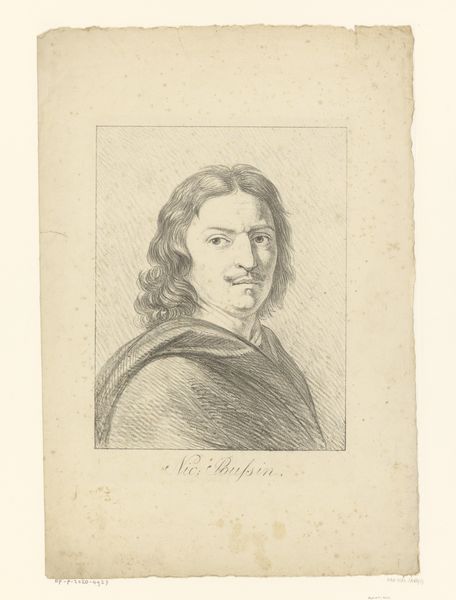
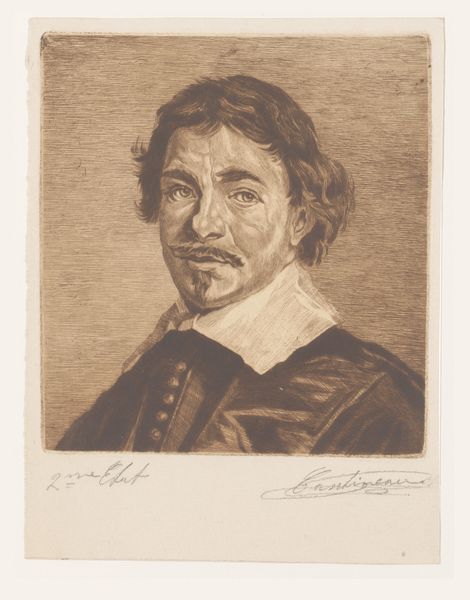
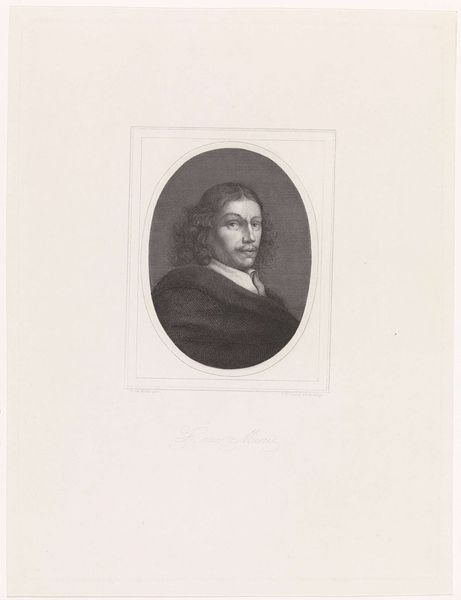
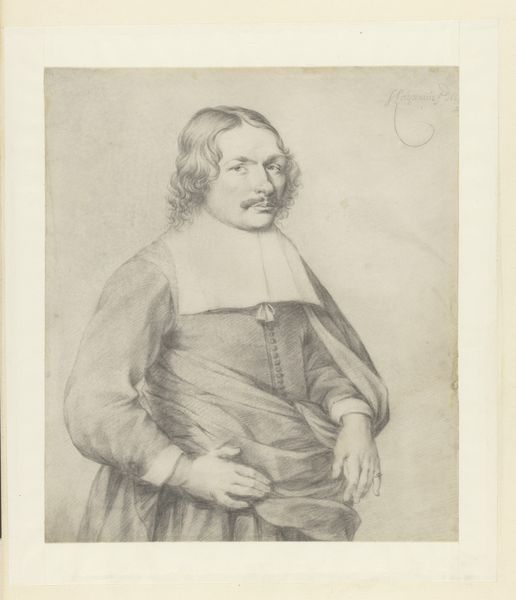
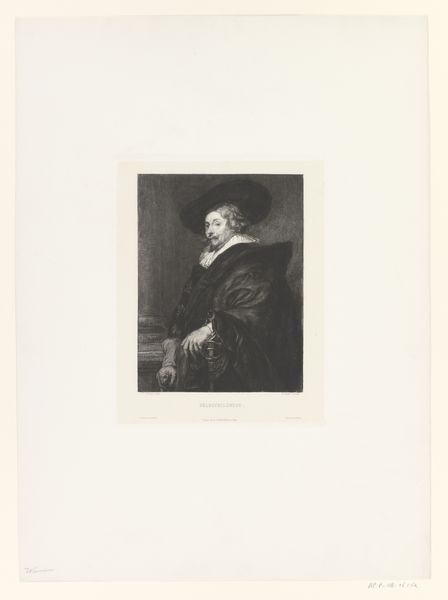
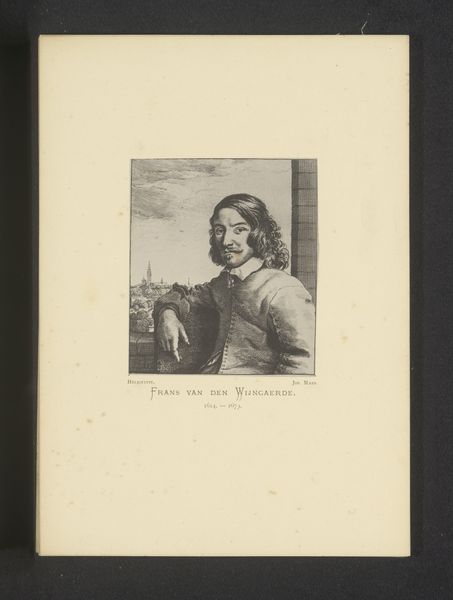
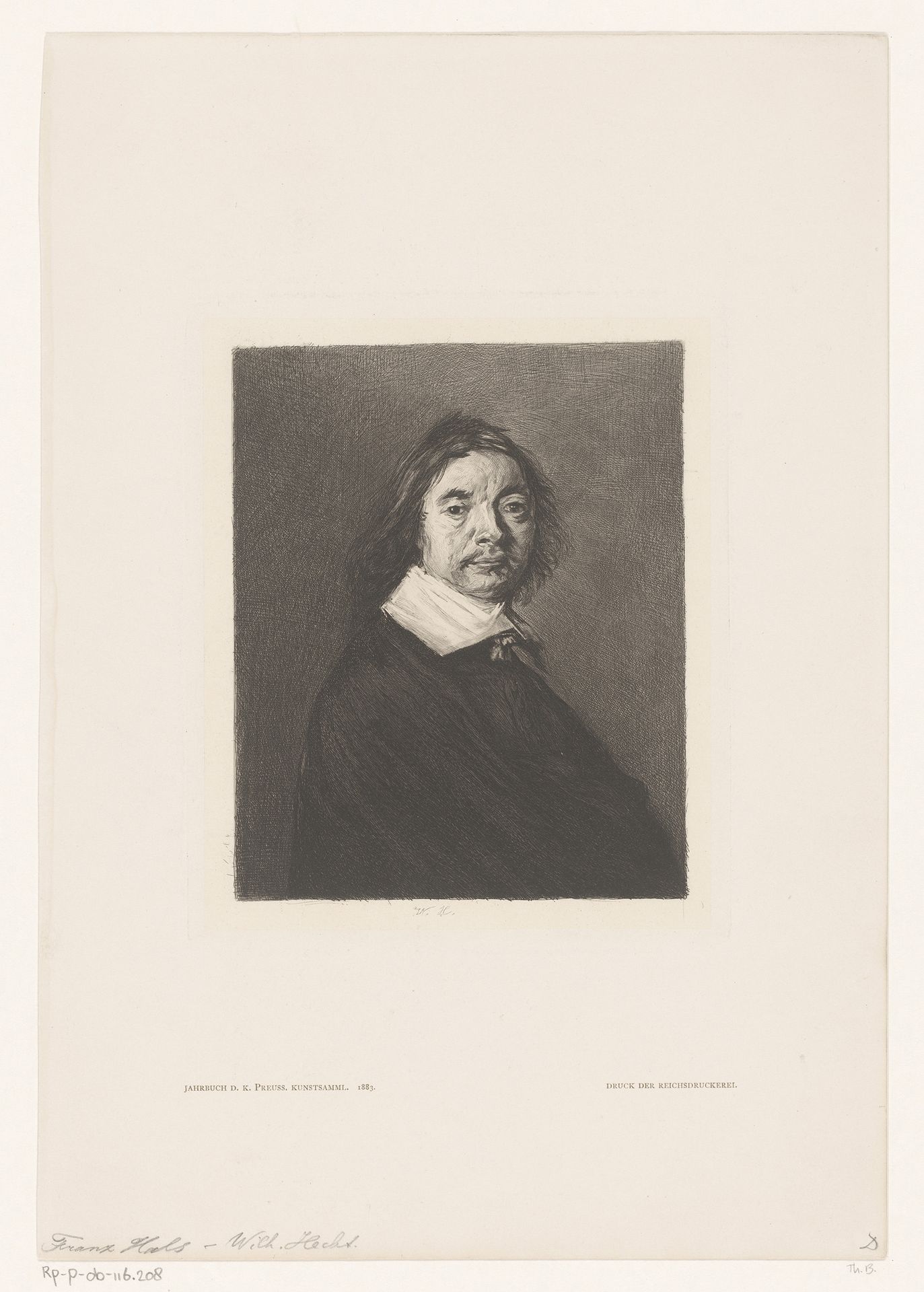
Wilhelm Hecht made this 'Portret van een onbekende man' using etching and aquatint. These are printmaking techniques, which means the image exists in multiple. Look closely, and you can see how the artist created depth and shadow through tiny, precise marks on the metal plate. The aquatint gives a soft, tonal effect, almost like a wash of ink, while the etching defines the sharp details of the face and clothing. The combination creates a rich, textured surface that mimics the look of a painting. In the 19th century, printmaking was often used to reproduce paintings, making art more accessible to a wider audience. In this case, Hecht may have been paying homage to the tradition of portraiture. Ultimately, by appreciating the craft involved in the creation, we can see how printmaking played a vital role in democratizing art and shaping visual culture.

Artwork details
- Dimensions
- width 184 mm, height 152 mm
- Copyright
- Rijks Museum: Open Domain
Comments
Share your thoughts
About this artwork
Wilhelm Hecht made this 'Portret van een onbekende man' using etching and aquatint. These are printmaking techniques, which means the image exists in multiple. Look closely, and you can see how the artist created depth and shadow through tiny, precise marks on the metal plate. The aquatint gives a soft, tonal effect, almost like a wash of ink, while the etching defines the sharp details of the face and clothing. The combination creates a rich, textured surface that mimics the look of a painting. In the 19th century, printmaking was often used to reproduce paintings, making art more accessible to a wider audience. In this case, Hecht may have been paying homage to the tradition of portraiture. Ultimately, by appreciating the craft involved in the creation, we can see how printmaking played a vital role in democratizing art and shaping visual culture.
Comments
Share your thoughts