About this artwork
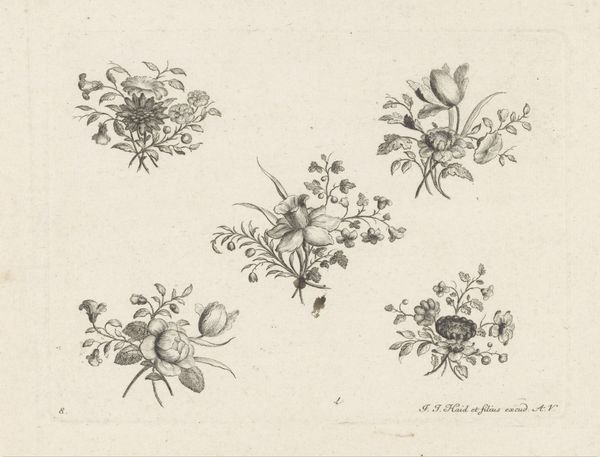
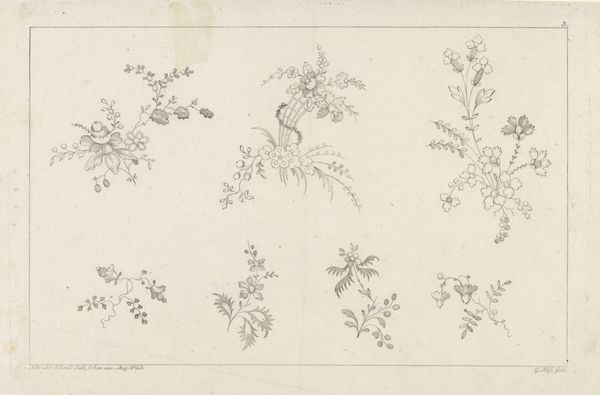
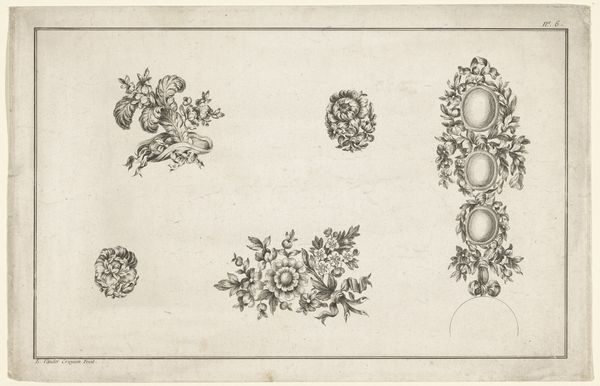
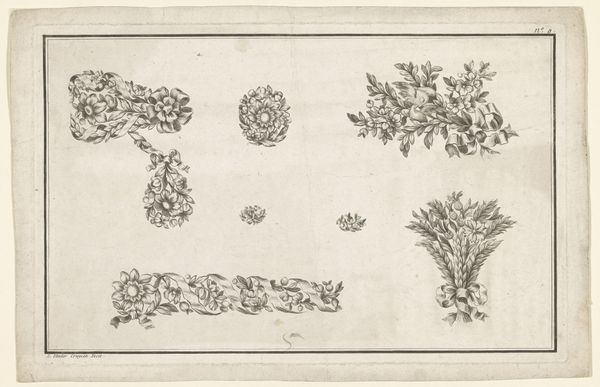
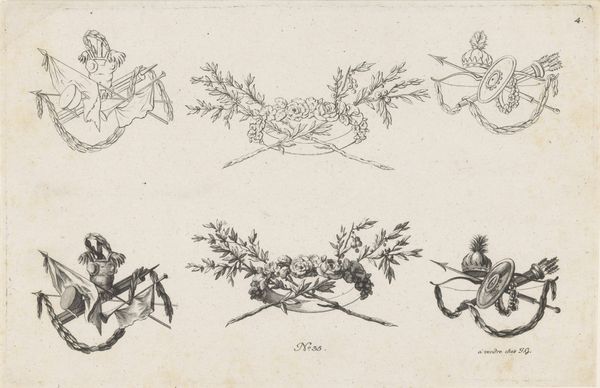
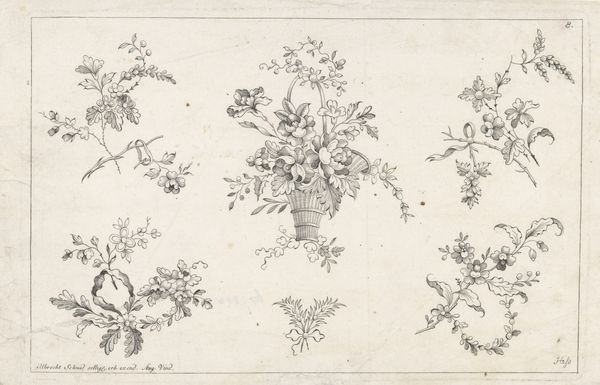
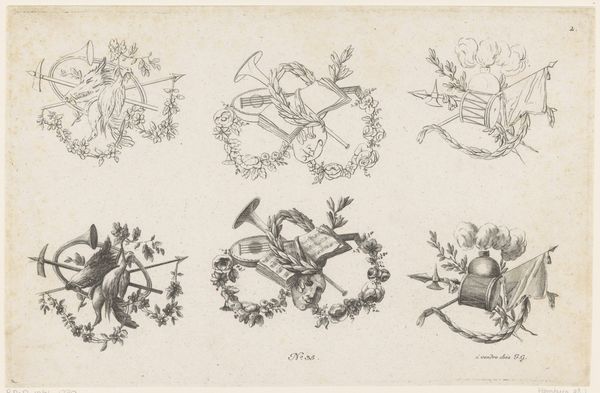
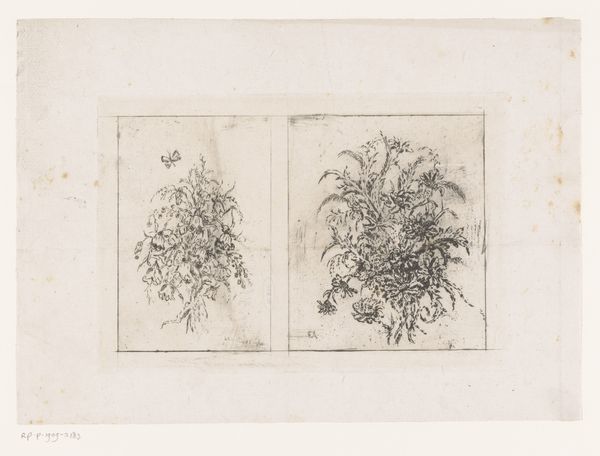
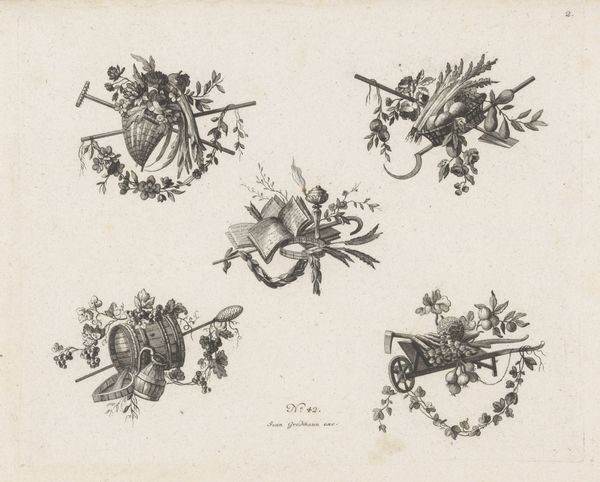
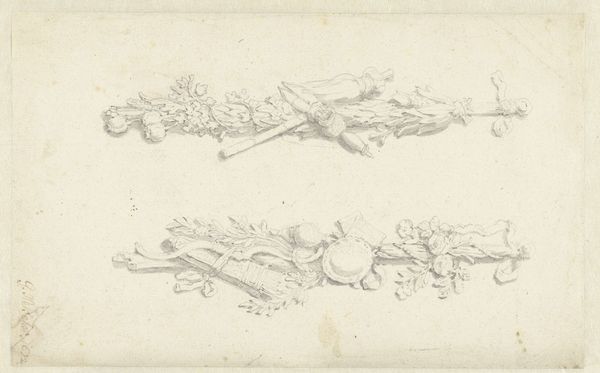
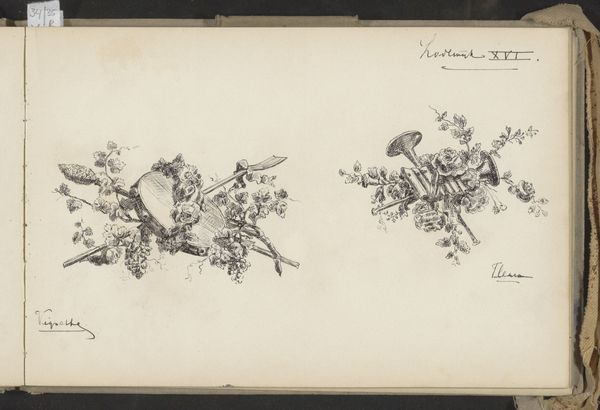
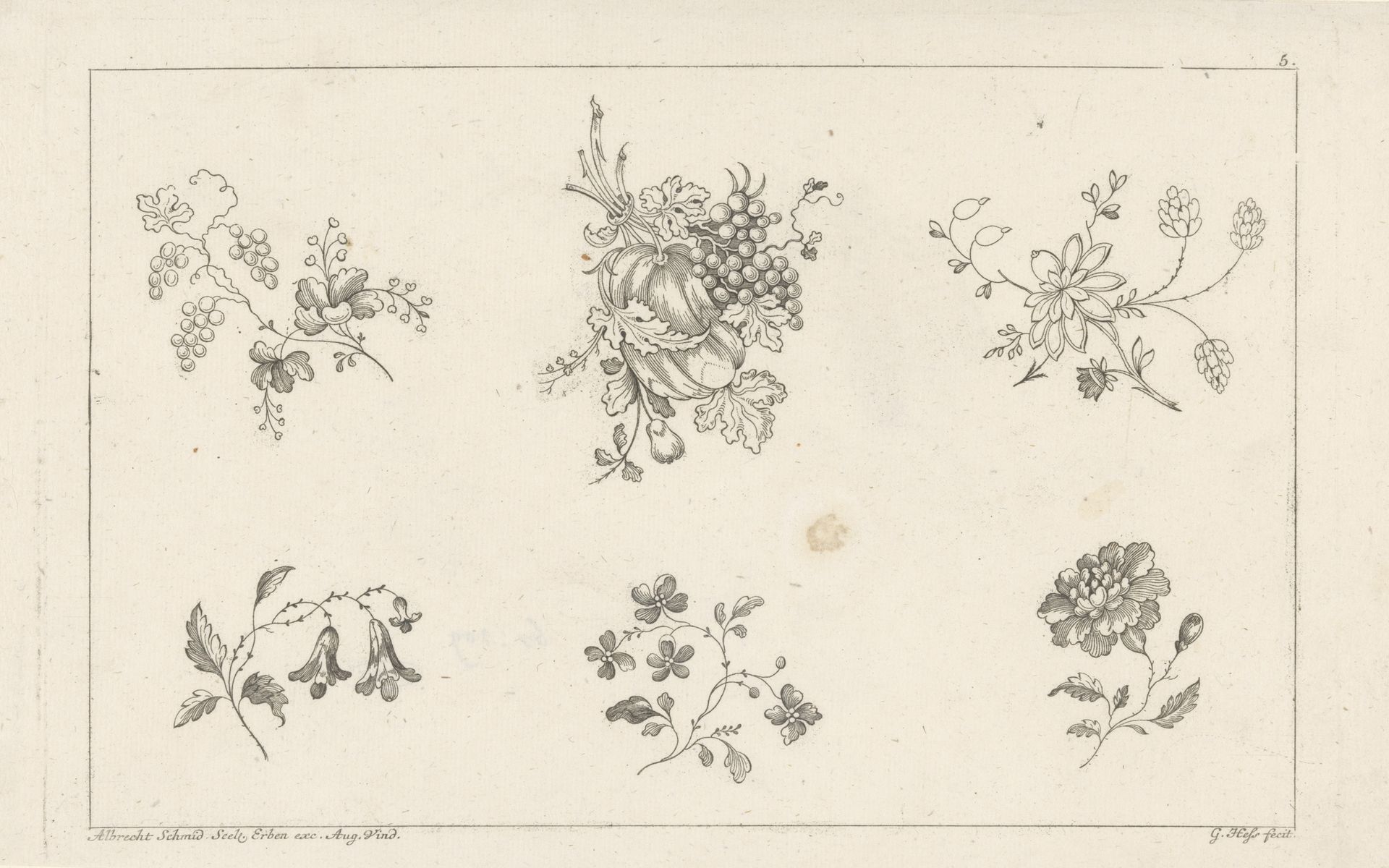
Gottlieb Hess’s ‘Bloemen en druiventrossen’ is a detailed drawing featuring an array of floral and fruit motifs. Consider the symbol of the grape, a motif laden with meaning. In antiquity, grapes were linked to Dionysus, the god of wine, ecstasy, and fertility. We see grapes in Roman mosaics and sculptures, not merely as decoration but as potent symbols of life's pleasures and the cyclical nature of existence. As Christianity rose, grapes and vines were reinterpreted, now embodying the blood of Christ and spiritual nourishment. The shift highlights how cultural memory adapts; the ecstatic revelry associated with Dionysus transformed into the sacred communion. Even now, the image of grapes evokes a deep, subconscious connection to themes of abundance, sacrifice, and renewal, a testament to the enduring power of symbols. They persist, transforming yet retaining echoes of their past.

Artwork details
- Dimensions
- height 198 mm, width 294 mm
- Location
- Rijksmuseum
- Copyright
- Rijks Museum: Open Domain
Comments
Share your thoughts
About this artwork
Gottlieb Hess’s ‘Bloemen en druiventrossen’ is a detailed drawing featuring an array of floral and fruit motifs. Consider the symbol of the grape, a motif laden with meaning. In antiquity, grapes were linked to Dionysus, the god of wine, ecstasy, and fertility. We see grapes in Roman mosaics and sculptures, not merely as decoration but as potent symbols of life's pleasures and the cyclical nature of existence. As Christianity rose, grapes and vines were reinterpreted, now embodying the blood of Christ and spiritual nourishment. The shift highlights how cultural memory adapts; the ecstatic revelry associated with Dionysus transformed into the sacred communion. Even now, the image of grapes evokes a deep, subconscious connection to themes of abundance, sacrifice, and renewal, a testament to the enduring power of symbols. They persist, transforming yet retaining echoes of their past.
Comments
Share your thoughts