About this artwork
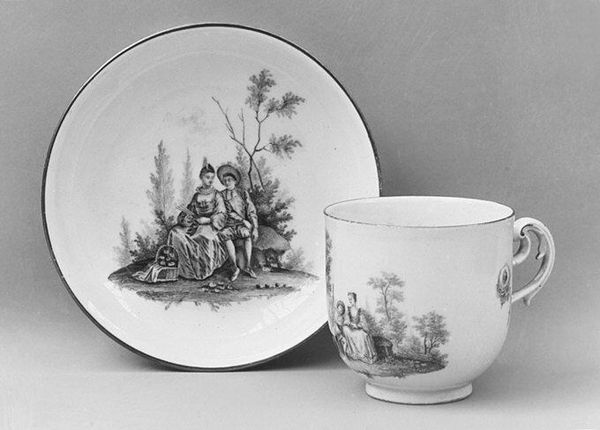
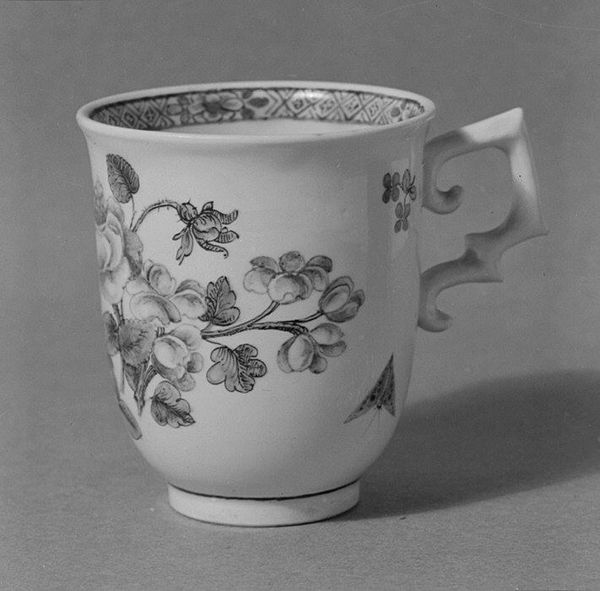
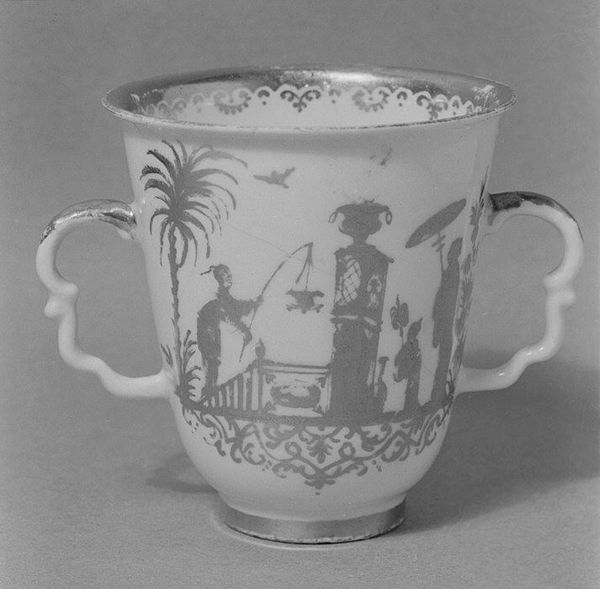
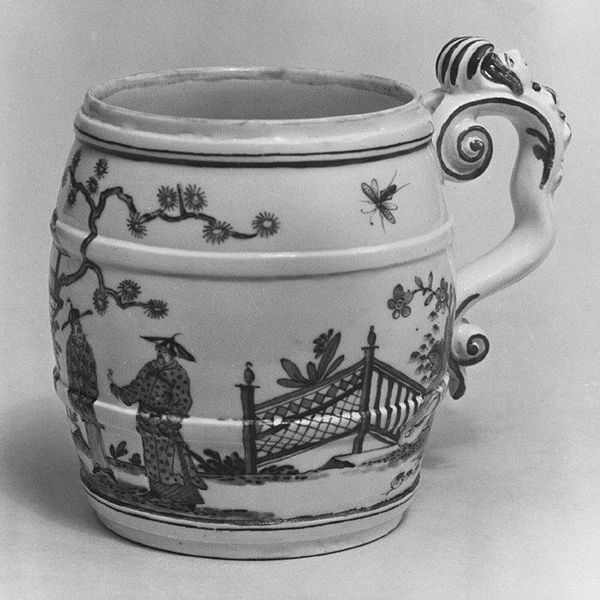
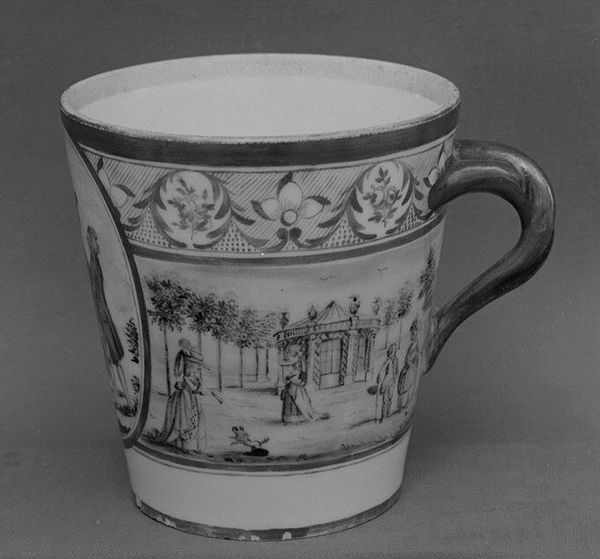
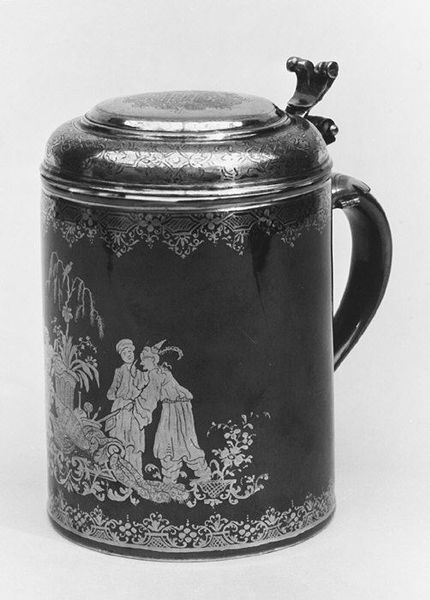
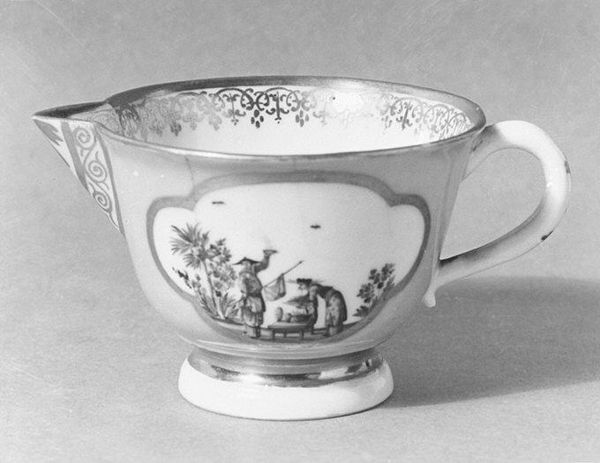
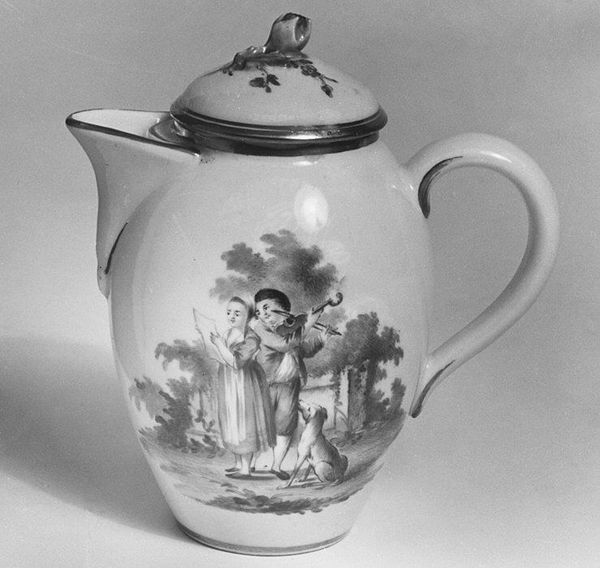
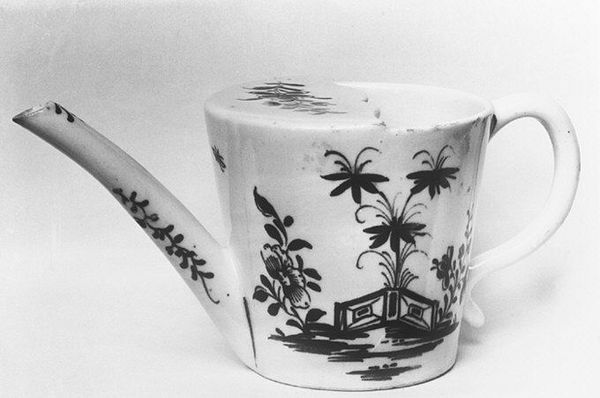
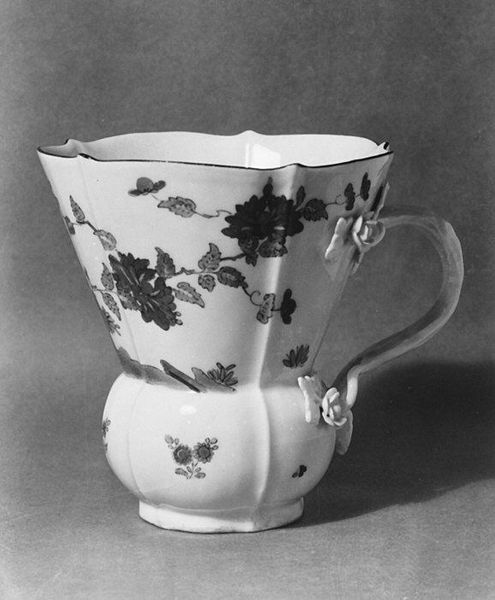
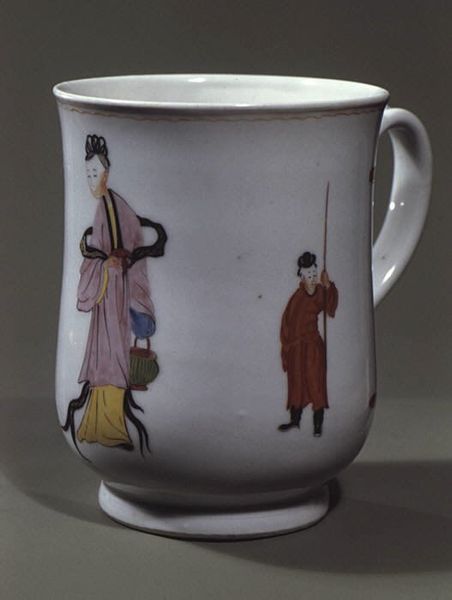
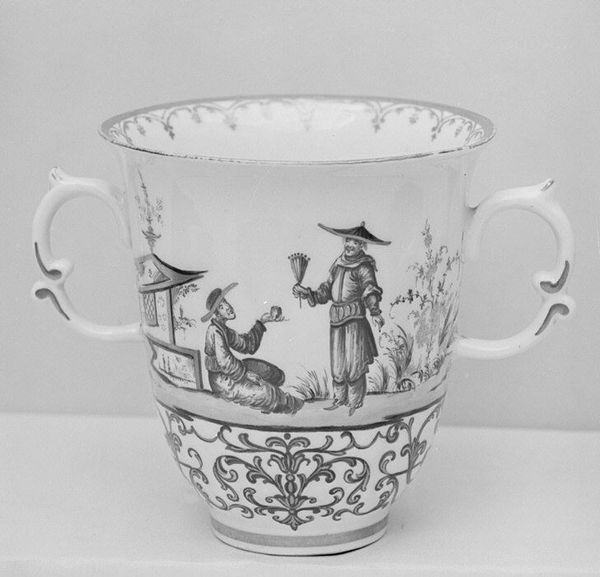
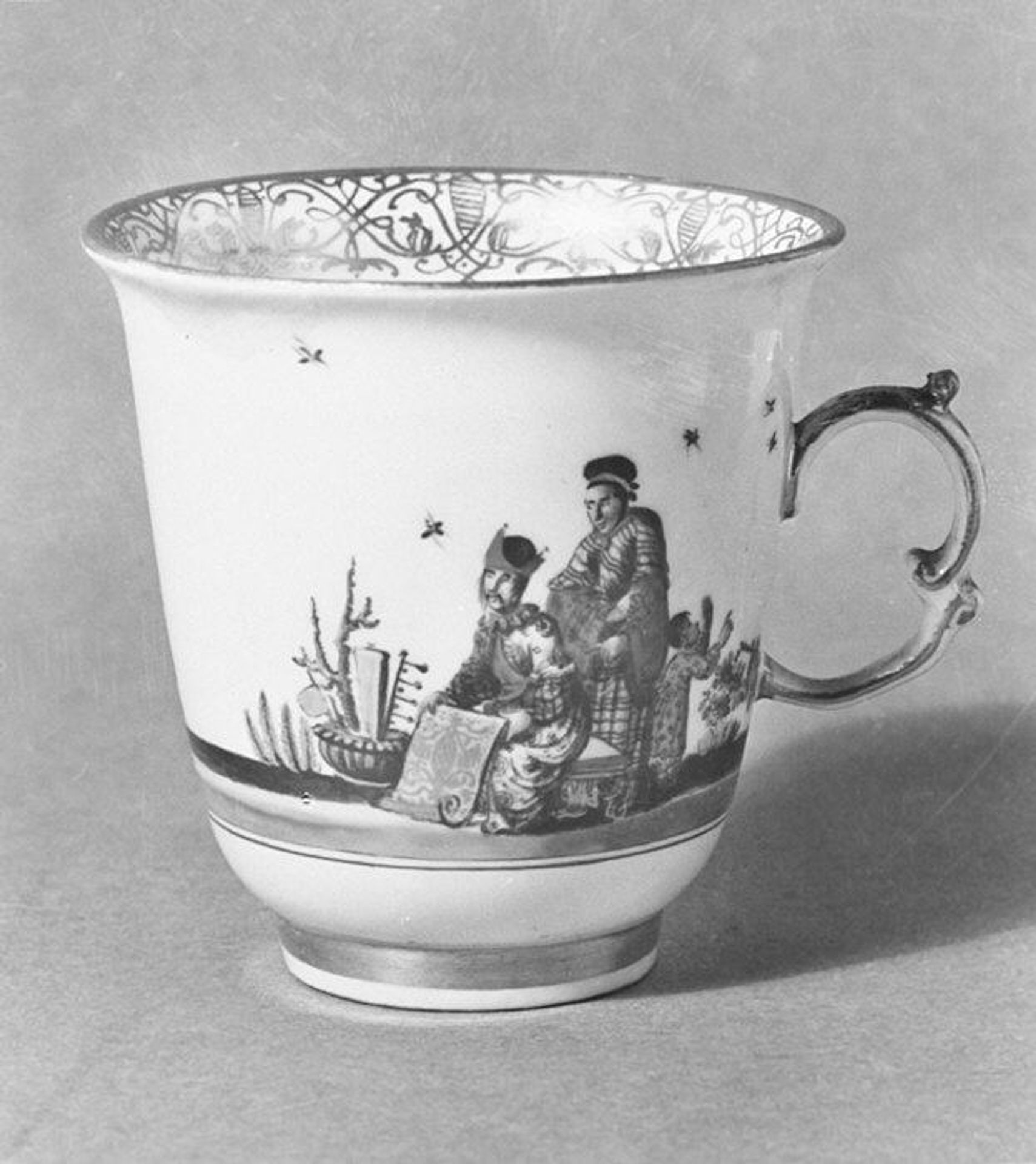
This cup, part of a set, was made at the Meissen Manufactory, a German company renowned for its porcelain. Its creation involved meticulous processes, from the initial mixing of clay to the shaping, firing, and delicate hand-painting of its surface. The smooth, white porcelain body provides a canvas for the intricate Chinoiserie decoration, reflecting the European fascination with Asian aesthetics during this period. The imagery isn’t just decorative; it speaks to a wider context of trade, cultural exchange, and even colonial power. The cup's inherent qualities of delicacy and refinement reflect the skilled traditions of ceramic production, a blend of artistry, science, and labor. When we consider the labor involved in extracting and preparing the raw materials, the expertise required for the complex firing process, and the artistry of the painters, we begin to appreciate that this seemingly simple object represents a whole network of social relations. So, next time you see a porcelain cup, remember that it is more than just a vessel; it embodies a complex interplay of materials, making, and historical context.
Cup (part of a set) 1730 - 1745


Artwork details
- Medium
- ceramic, porcelain, sculpture
- Dimensions
- 2 7/8 × 2 3/4 in. (7.3 × 7 cm)
- Location
- Metropolitan Museum of Art, New York, NY
- Copyright
- Public Domain
Tags
baroque
ceramic
porcelain
sculpture
black and white
decorative-art
Comments
No comments
About this artwork
This cup, part of a set, was made at the Meissen Manufactory, a German company renowned for its porcelain. Its creation involved meticulous processes, from the initial mixing of clay to the shaping, firing, and delicate hand-painting of its surface. The smooth, white porcelain body provides a canvas for the intricate Chinoiserie decoration, reflecting the European fascination with Asian aesthetics during this period. The imagery isn’t just decorative; it speaks to a wider context of trade, cultural exchange, and even colonial power. The cup's inherent qualities of delicacy and refinement reflect the skilled traditions of ceramic production, a blend of artistry, science, and labor. When we consider the labor involved in extracting and preparing the raw materials, the expertise required for the complex firing process, and the artistry of the painters, we begin to appreciate that this seemingly simple object represents a whole network of social relations. So, next time you see a porcelain cup, remember that it is more than just a vessel; it embodies a complex interplay of materials, making, and historical context.
Comments
No comments