1697
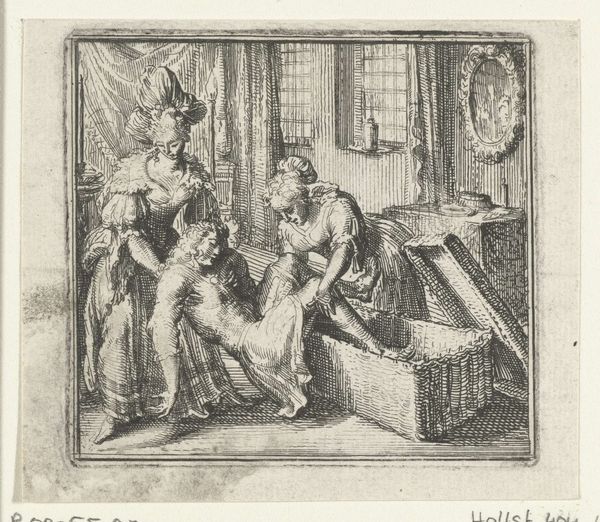
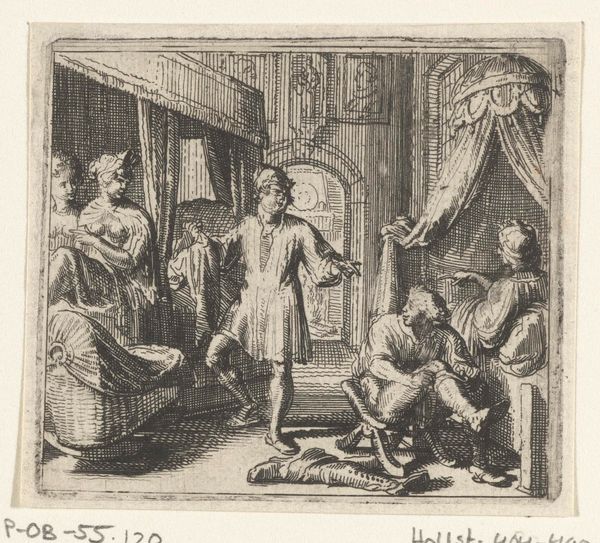
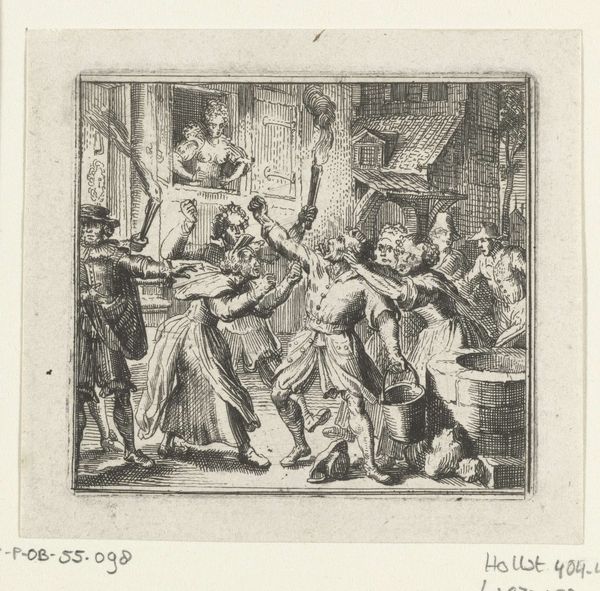
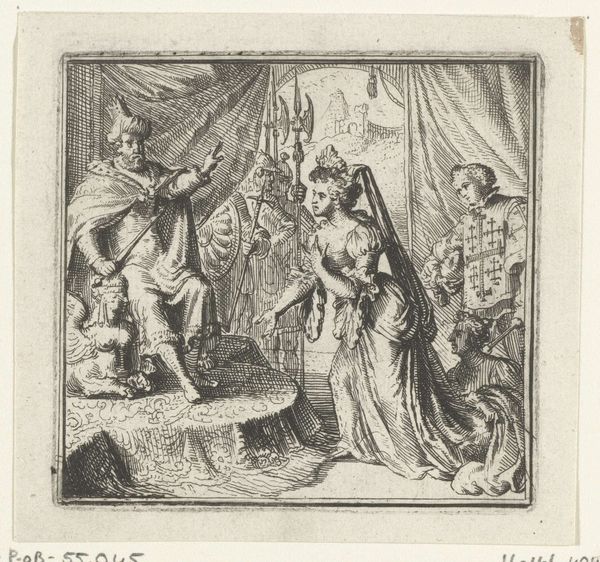
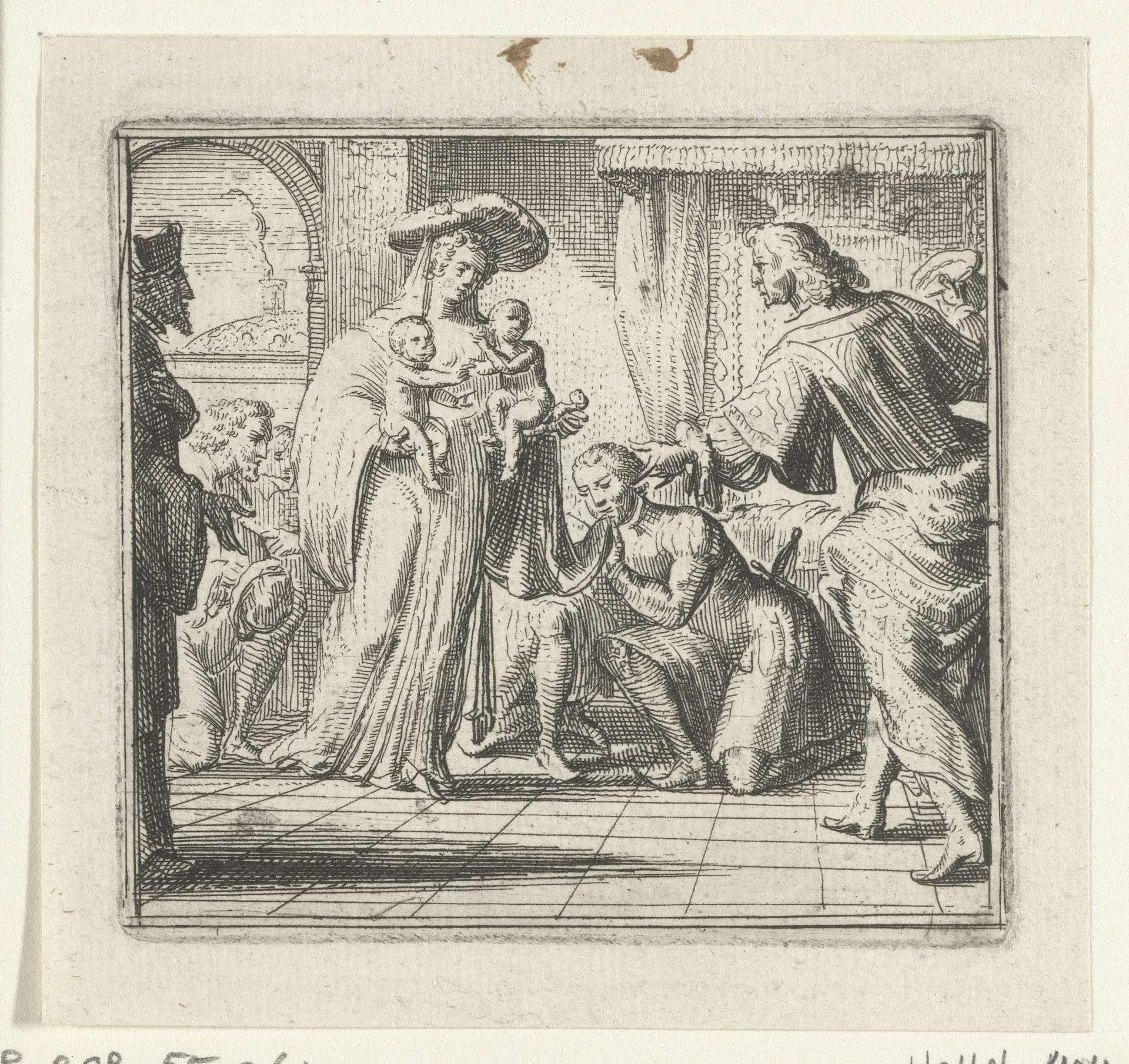
Illustratie voor de Decamerone van Boccaccio

Romeyn de Hooghe
1645 - 1708Location
RijksmuseumListen to curator's interpretation
Curatorial notes
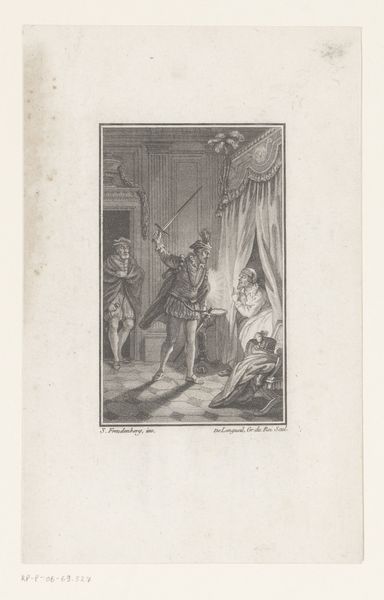
Romeyn de Hooghe created this illustration for Boccaccio's Decameron, rendered in precise lines and intricate detail. The composition centres on a dramatic encounter within a room, staged like a theatrical scene. De Hooghe uses line to define form and create texture, building a complex interplay of light and shadow. The arrangement of figures directs our attention to the central figures, whose gestures seem laden with emotional weight. The architecture behind them provides a backdrop that enhances the drama, drawing the eye to the foreground narrative. De Hooghe's structural approach uses the setting and the characters’ interactions to underscore the story’s themes of love, deception, and morality, reflecting a semiotic system where each element contributes to the overall meaning. The careful articulation of the characters and their expressions, combined with the detailed architectural setting, creates a cohesive and compelling visual narrative. The detailed etching becomes a stage for human drama, inviting viewers to interpret the intricate layers of meaning.