About this artwork
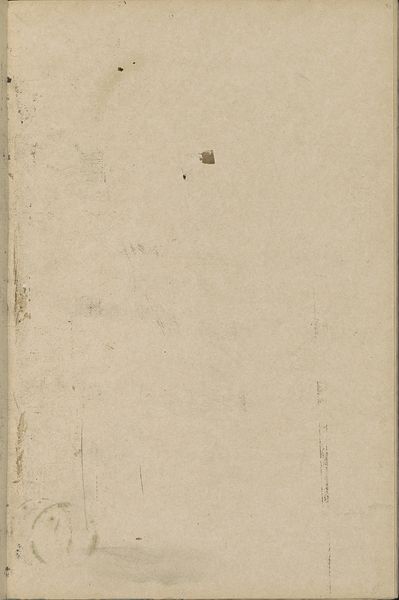
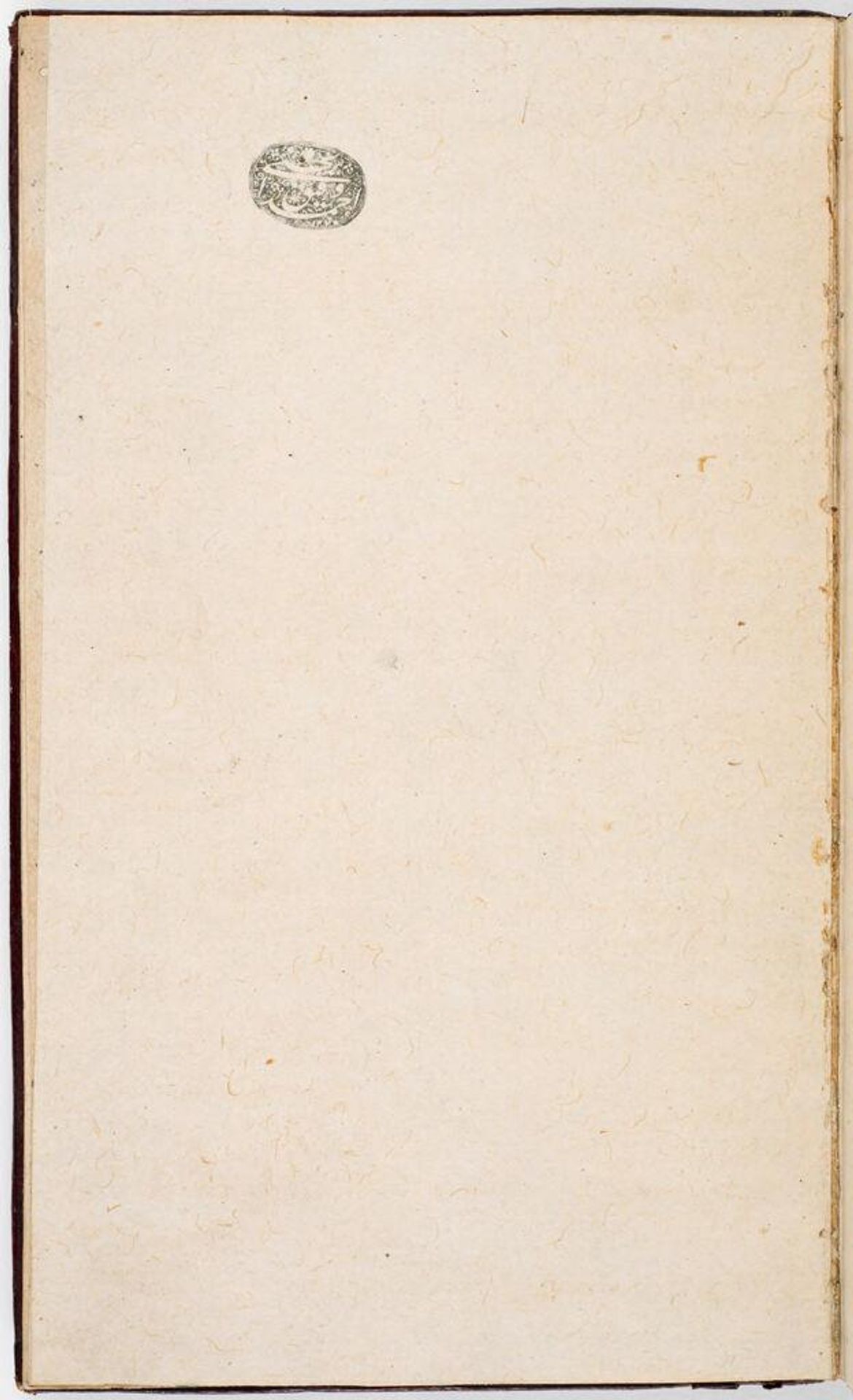
Curator: Here we have a page from the "Manuscript of the Forty Hadiths by Jami," crafted by the scribe Sultan Ahmad Haravi. Editor: The texture of the paper strikes me first. It appears aged and worn, yet the subtle coloring evokes a sense of serenity. Curator: Indeed. The presence of this manuscript tells us about the patronage of the arts, religious devotion, and intellectual life during the period. Such manuscripts were often commissioned by rulers or wealthy individuals to enhance their status and piety. Editor: The placement of the seal also intrigues me. High up on the page, maybe to preserve the unmarred space for text? Curator: Perhaps. It would have also served as a marker of ownership and authenticity, bolstering the manuscript's value. Editor: Thinking about it, the very act of creating this manuscript—the meticulous hand of the scribe—speaks to a profound reverence for the hadiths themselves. Curator: Precisely. It's a testament to the power of art to convey not only information but also deeply held cultural and religious values. Editor: I’m now seeing the page as a canvas filled with possibilities, where the artist’s hand interacts with the meaning of the content. Curator: Seeing an image such as this gives a glimpse into the social and political forces that were at play during its creation.
Manuscript of the Forty Hadiths by Jami
1552

Artwork details
- Dimensions
- 24.77 x 14.92 cm (9 3/4 x 5 7/8 in.)
- Location
- Harvard Art Museums
- Copyright
- CC0 1.0
Comments
Share your thoughts
About this artwork
Curator: Here we have a page from the "Manuscript of the Forty Hadiths by Jami," crafted by the scribe Sultan Ahmad Haravi. Editor: The texture of the paper strikes me first. It appears aged and worn, yet the subtle coloring evokes a sense of serenity. Curator: Indeed. The presence of this manuscript tells us about the patronage of the arts, religious devotion, and intellectual life during the period. Such manuscripts were often commissioned by rulers or wealthy individuals to enhance their status and piety. Editor: The placement of the seal also intrigues me. High up on the page, maybe to preserve the unmarred space for text? Curator: Perhaps. It would have also served as a marker of ownership and authenticity, bolstering the manuscript's value. Editor: Thinking about it, the very act of creating this manuscript—the meticulous hand of the scribe—speaks to a profound reverence for the hadiths themselves. Curator: Precisely. It's a testament to the power of art to convey not only information but also deeply held cultural and religious values. Editor: I’m now seeing the page as a canvas filled with possibilities, where the artist’s hand interacts with the meaning of the content. Curator: Seeing an image such as this gives a glimpse into the social and political forces that were at play during its creation.
Comments
Share your thoughts