About this artwork
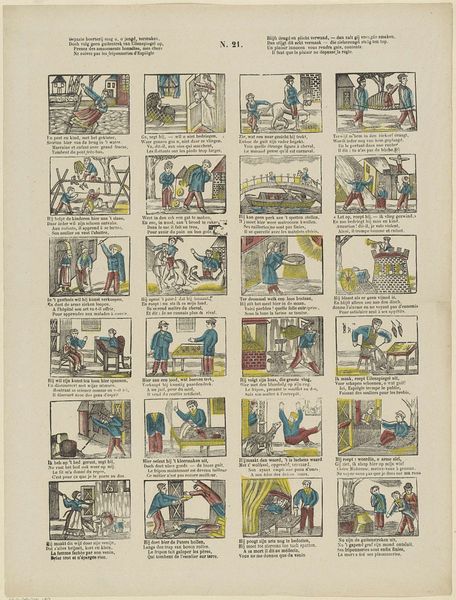
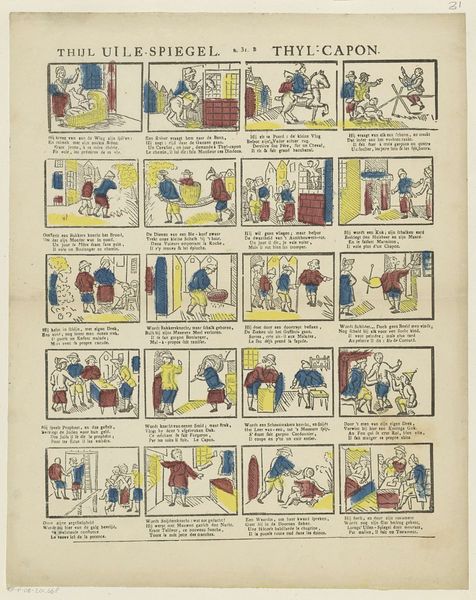
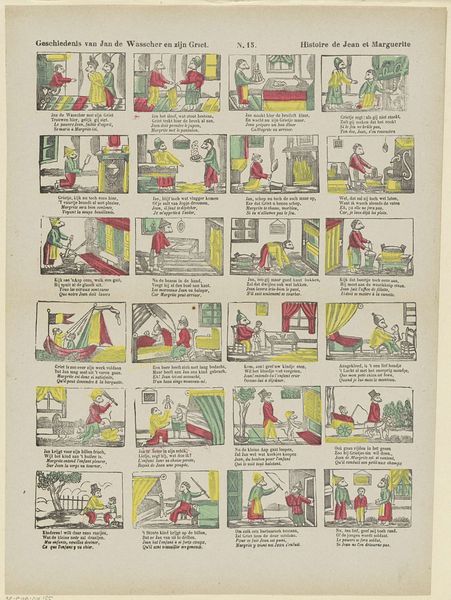
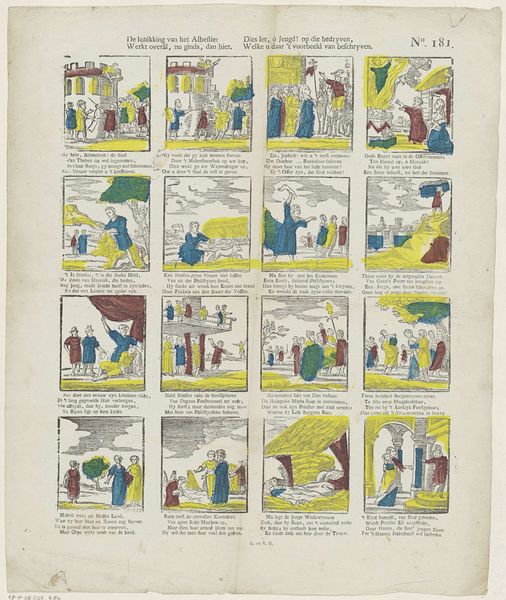
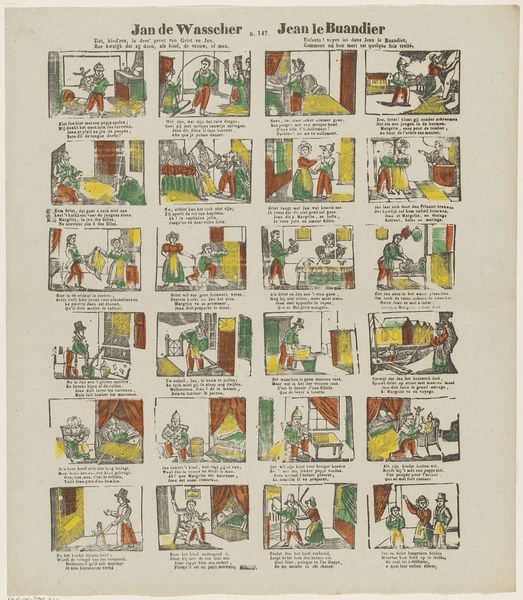
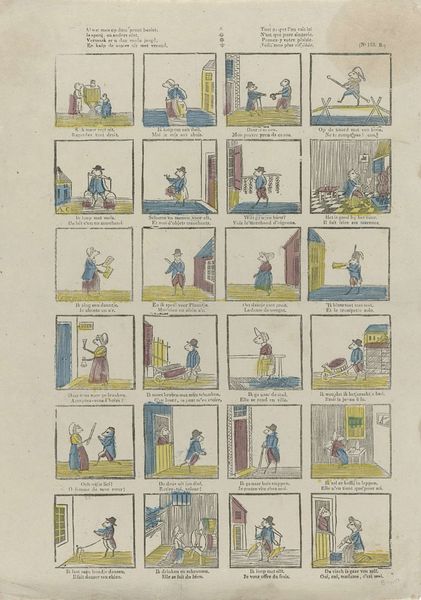
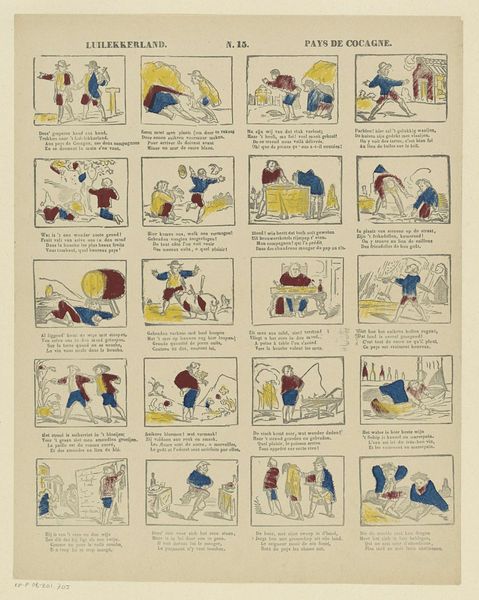
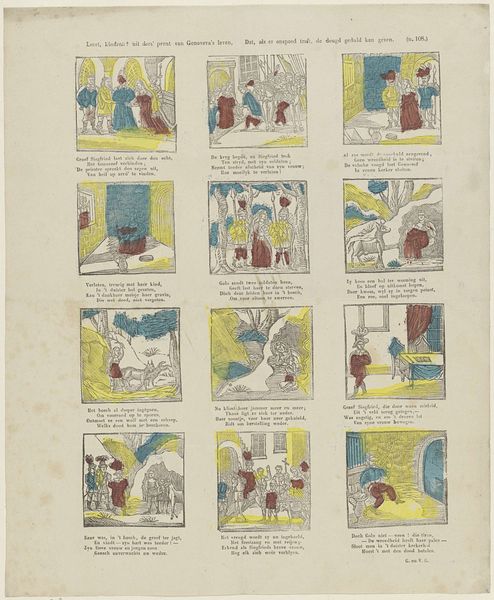
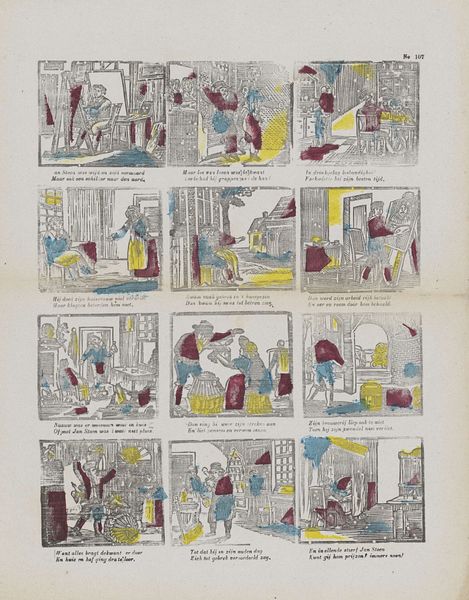
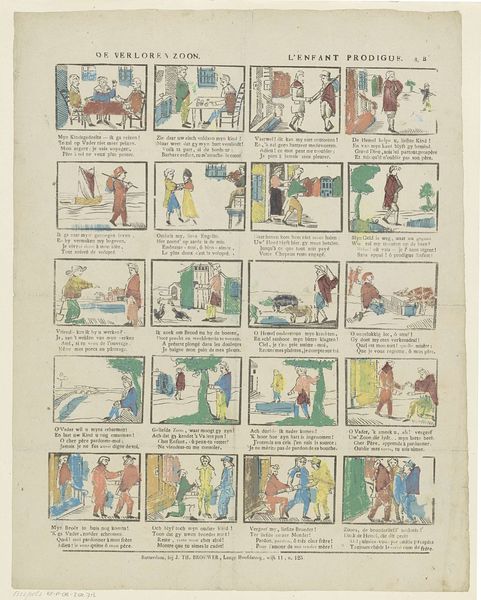
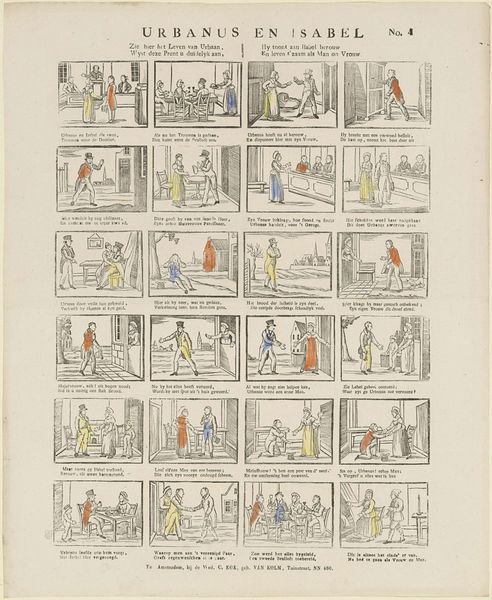
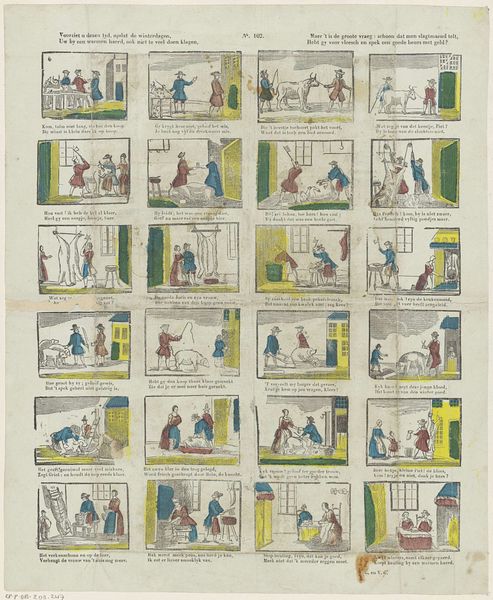
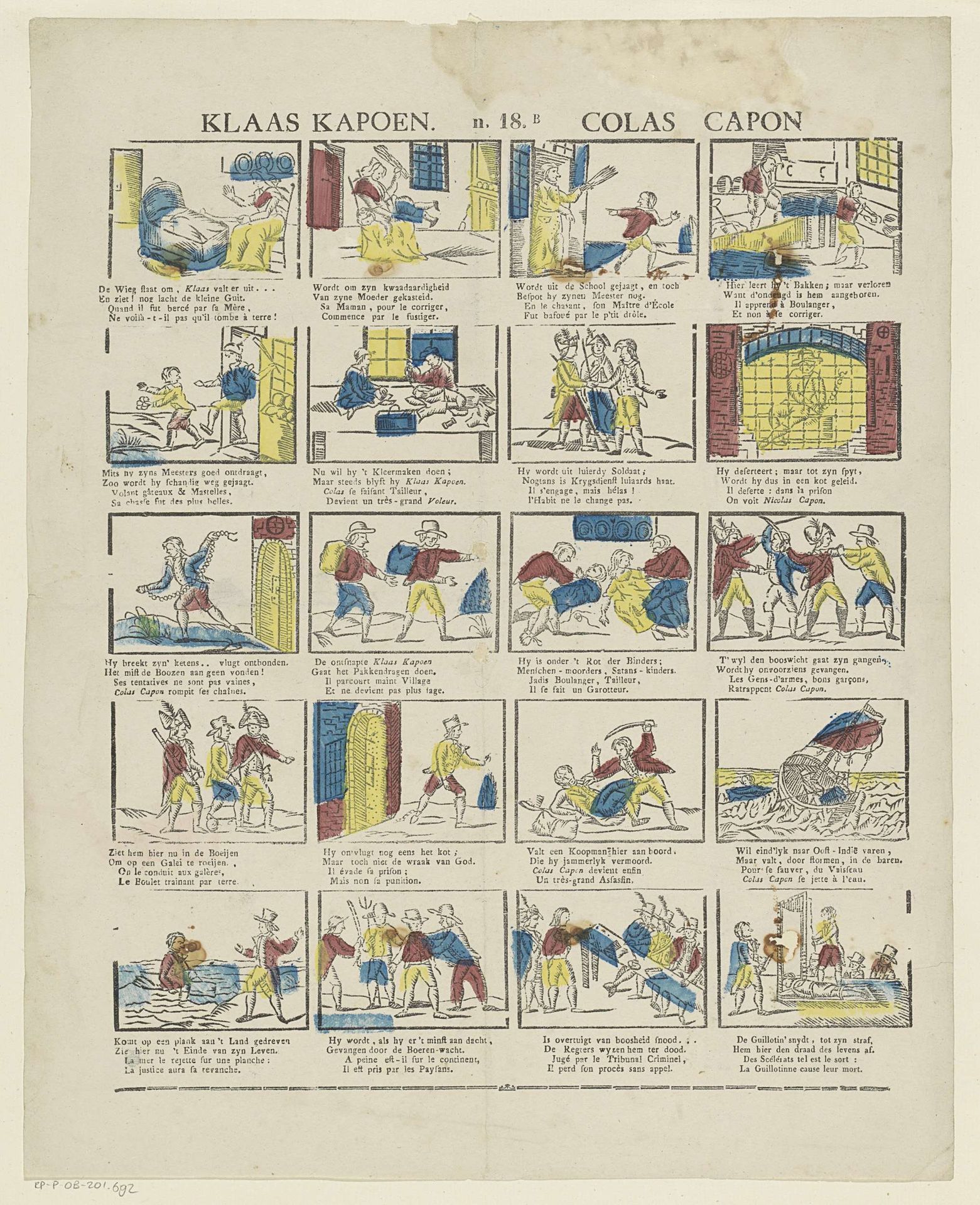
Philippus Jacobus Brepols made this print, titled Klaas Kapoen / Colas Capon, using etching and hand-coloring, sometime before 1845. It’s an early example of mass media: a printed cartoon, intended for broad distribution. Given the relatively simple methods used, we can assume a significant division of labor in its production. Brepols likely designed the image and etched the printing plate, but other workers would have been responsible for the repetitive tasks of printing and coloring. The hand-coloring, though charming, is rudimentary. This suggests that it was done quickly, perhaps by less skilled workers. The cartoon's narrative—a series of misadventures—would have resonated with a wide audience. The very nature of printmaking, and the division of labour it entails, speaks to a growing market for popular imagery. Inexpensive prints like this brought visual storytelling to the masses, reflecting the rise of consumer culture and the changing landscape of labor in the industrial era. It shows how a detailed and intricate image can be produced by a team of workers with diverse skills, contributing to the history of creative practices beyond fine art.
Klaas Kapoen / Colas Capon
1800 - 1833

Philippus Jacobus Brepols
1778 - 1845Location
RijksmuseumArtwork details
- Medium
- Dimensions
- height 413 mm, width 332 mm
- Location
- Rijksmuseum
- Copyright
- Rijks Museum: Open Domain
Tags
Comments
Share your thoughts
About this artwork
Philippus Jacobus Brepols made this print, titled Klaas Kapoen / Colas Capon, using etching and hand-coloring, sometime before 1845. It’s an early example of mass media: a printed cartoon, intended for broad distribution. Given the relatively simple methods used, we can assume a significant division of labor in its production. Brepols likely designed the image and etched the printing plate, but other workers would have been responsible for the repetitive tasks of printing and coloring. The hand-coloring, though charming, is rudimentary. This suggests that it was done quickly, perhaps by less skilled workers. The cartoon's narrative—a series of misadventures—would have resonated with a wide audience. The very nature of printmaking, and the division of labour it entails, speaks to a growing market for popular imagery. Inexpensive prints like this brought visual storytelling to the masses, reflecting the rise of consumer culture and the changing landscape of labor in the industrial era. It shows how a detailed and intricate image can be produced by a team of workers with diverse skills, contributing to the history of creative practices beyond fine art.
Comments
Share your thoughts