About this artwork
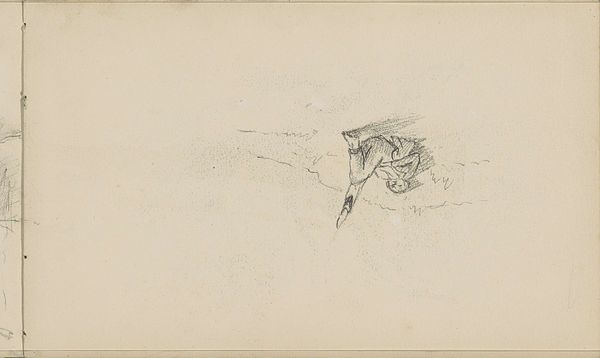
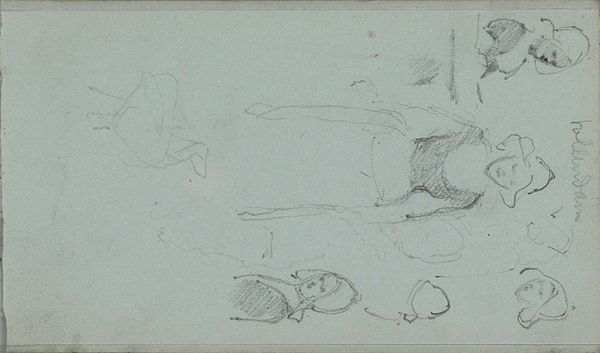
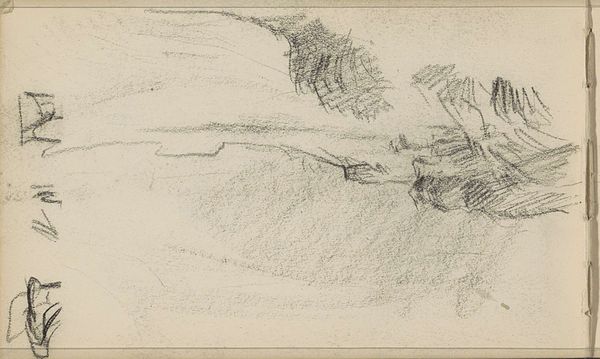
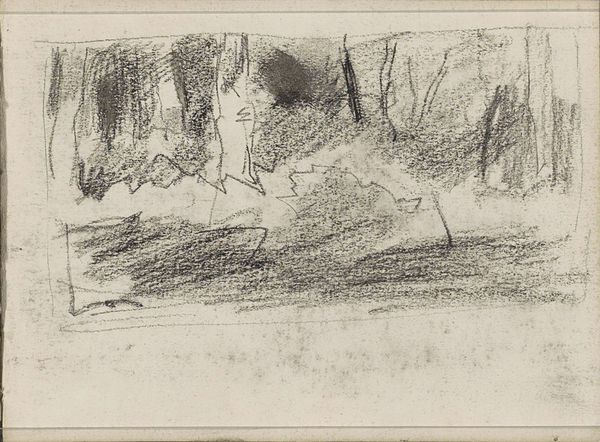
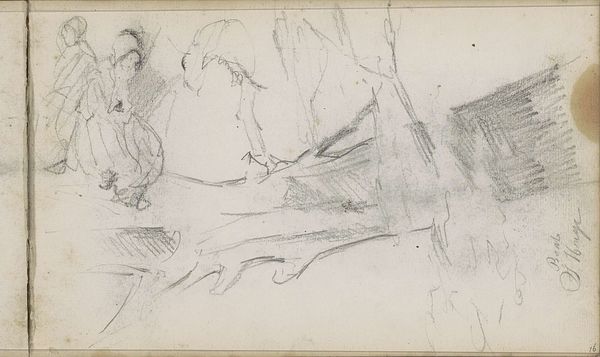
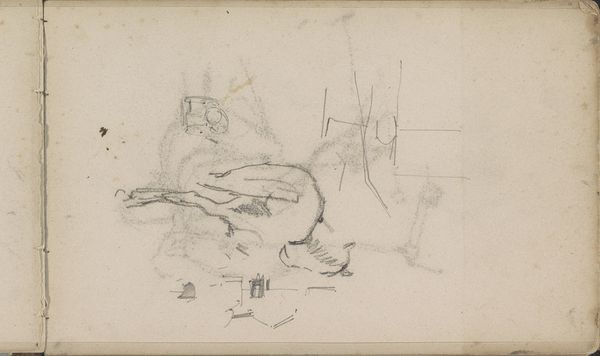
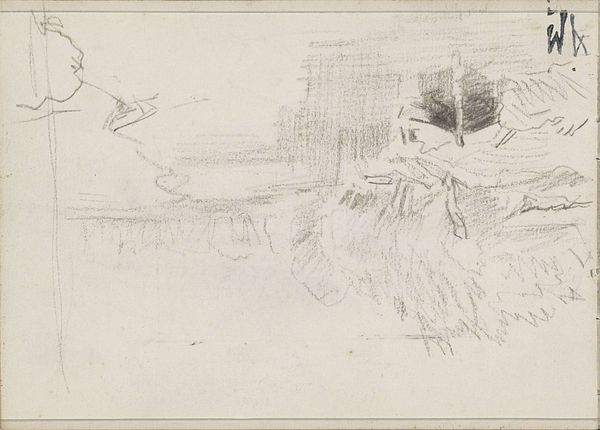
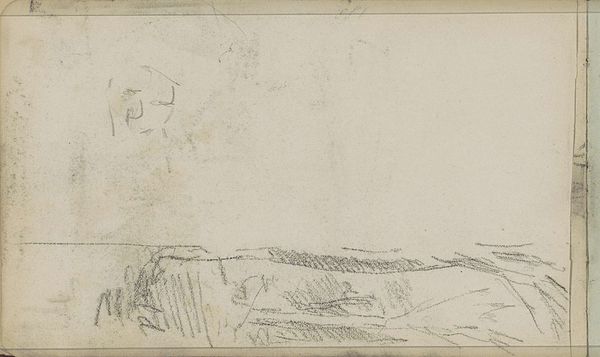
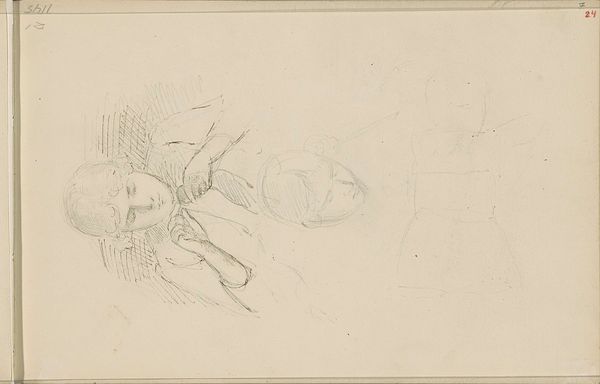
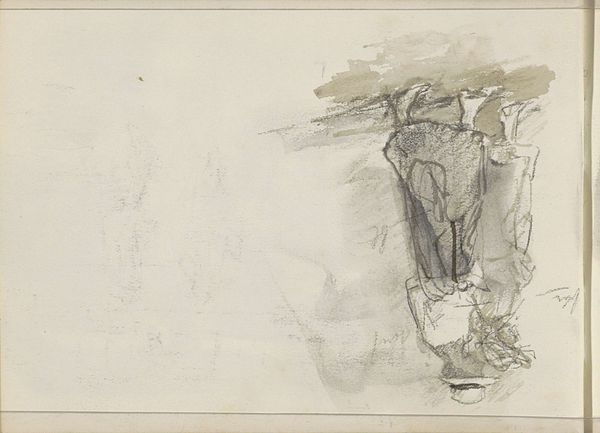
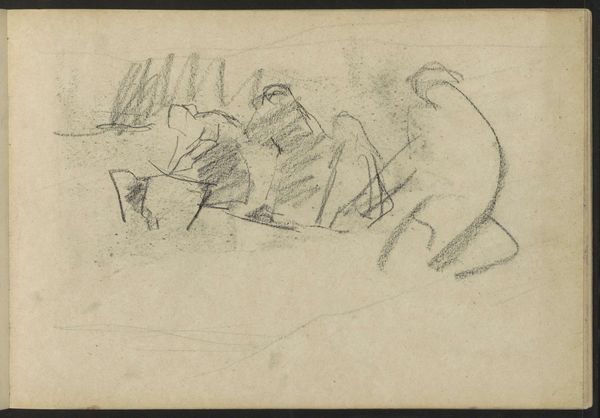
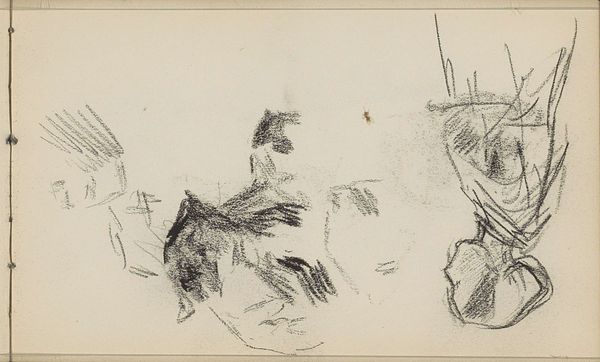
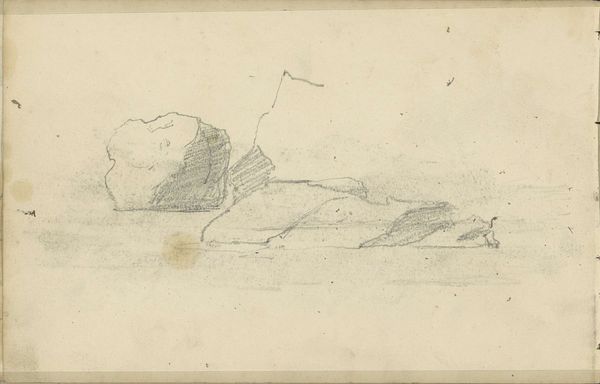
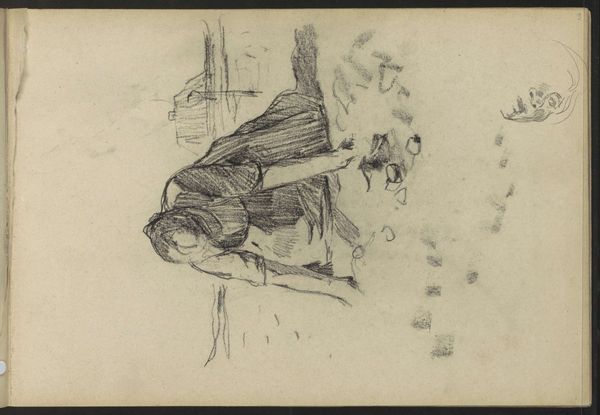
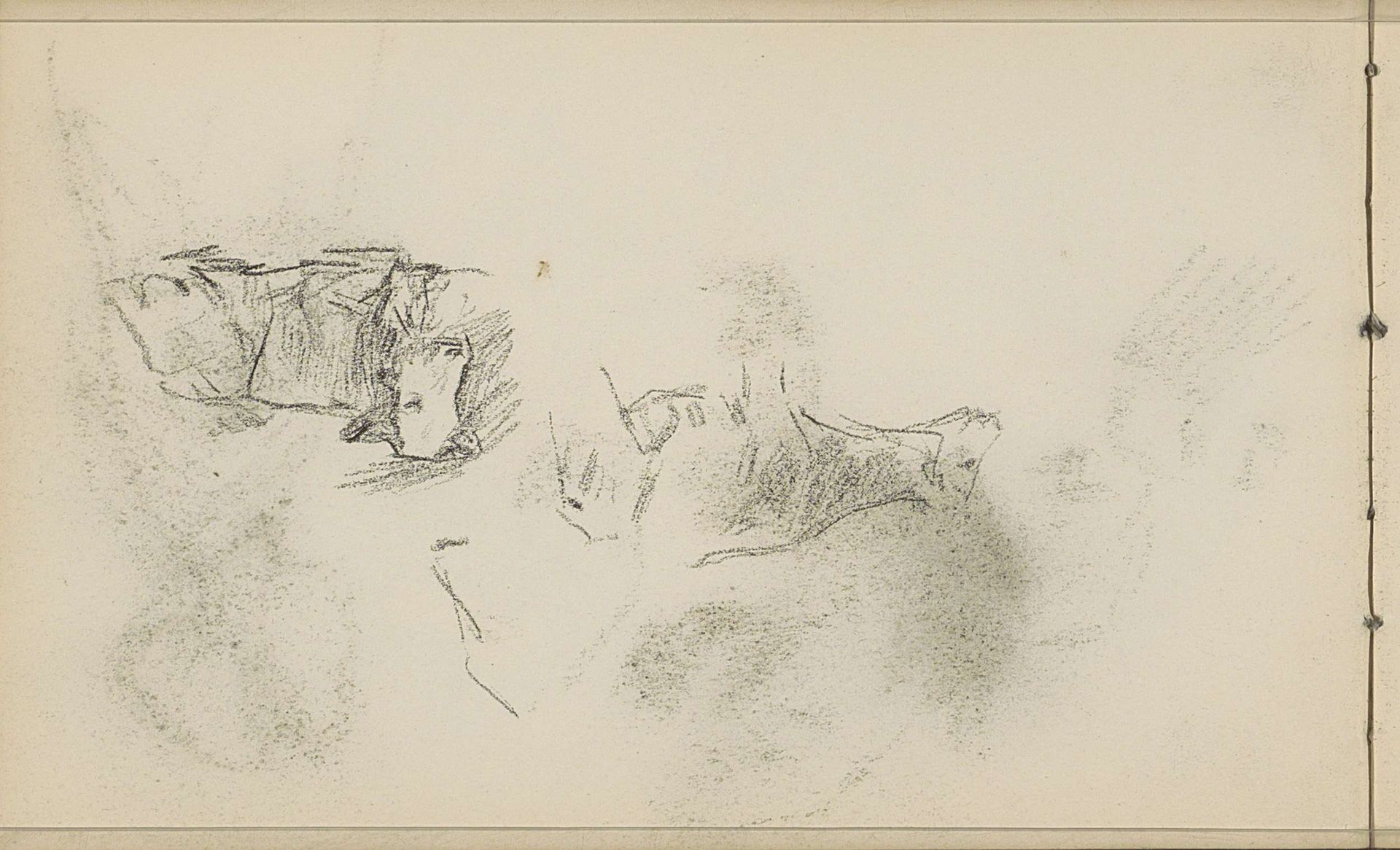
This graphite sketch of standing and reclining cows was made by Johan Antonie de Jonge, a Dutch artist born in 1864. The hazy and soft rendering captures a moment of rural serenity, during a time of rapid industrialization. Although seemingly simple, such pastoral scenes reflect complex issues of identity and cultural values. The late 19th century saw the rise of artistic movements that idealized rural life as a retreat from the increasing alienation of urban, industrial societies. De Jonge's sketch taps into this longing for a simpler, more ‘authentic’ existence. The domestic realism of farm animals is a representation that often masks the labor and economic structures that underpin agricultural life. While the sketch feels immediate and personal, it also speaks to broader societal trends. It’s a window into a world that was both celebrated and, even then, on the verge of disappearing.

Artwork details
- Medium
- drawing, pencil
- Copyright
- Rijks Museum: Open Domain
Tags
drawing
amateur sketch
light pencil work
pen sketch
pencil sketch
landscape
personal sketchbook
ink drawing experimentation
pen-ink sketch
pencil
sketchbook drawing
pencil work
sketchbook art
realism
Comments
Be the first to share your thoughts about this work.
About this artwork
This graphite sketch of standing and reclining cows was made by Johan Antonie de Jonge, a Dutch artist born in 1864. The hazy and soft rendering captures a moment of rural serenity, during a time of rapid industrialization. Although seemingly simple, such pastoral scenes reflect complex issues of identity and cultural values. The late 19th century saw the rise of artistic movements that idealized rural life as a retreat from the increasing alienation of urban, industrial societies. De Jonge's sketch taps into this longing for a simpler, more ‘authentic’ existence. The domestic realism of farm animals is a representation that often masks the labor and economic structures that underpin agricultural life. While the sketch feels immediate and personal, it also speaks to broader societal trends. It’s a window into a world that was both celebrated and, even then, on the verge of disappearing.
Comments
Be the first to share your thoughts about this work.