About this artwork
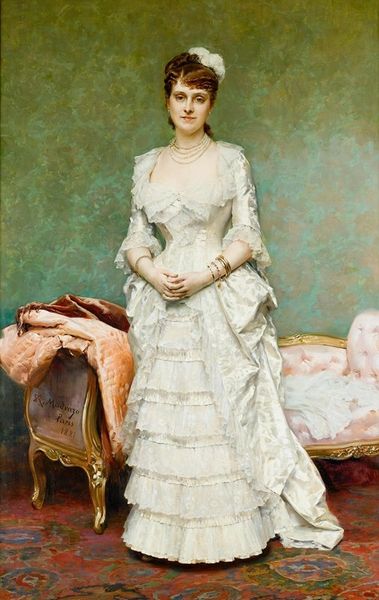
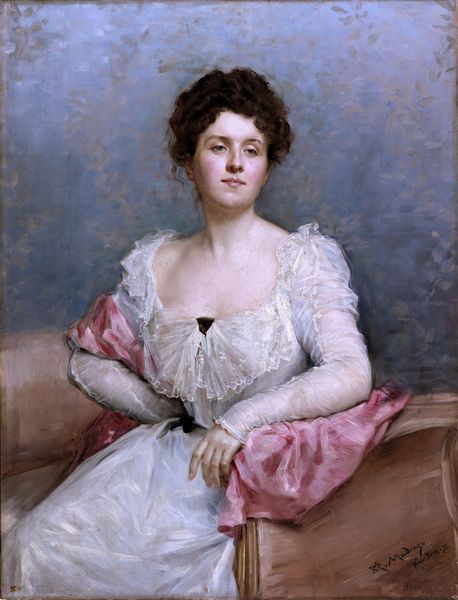
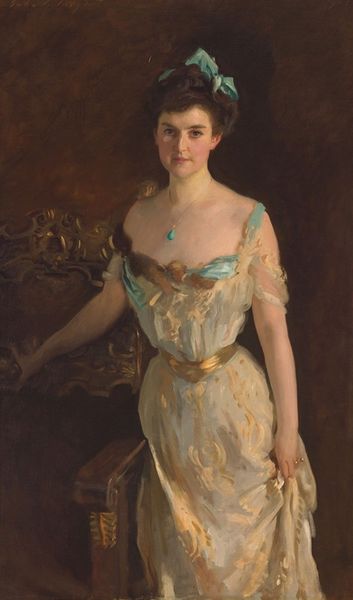
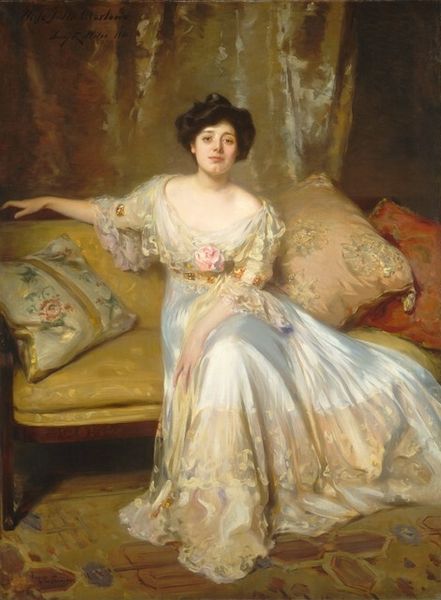
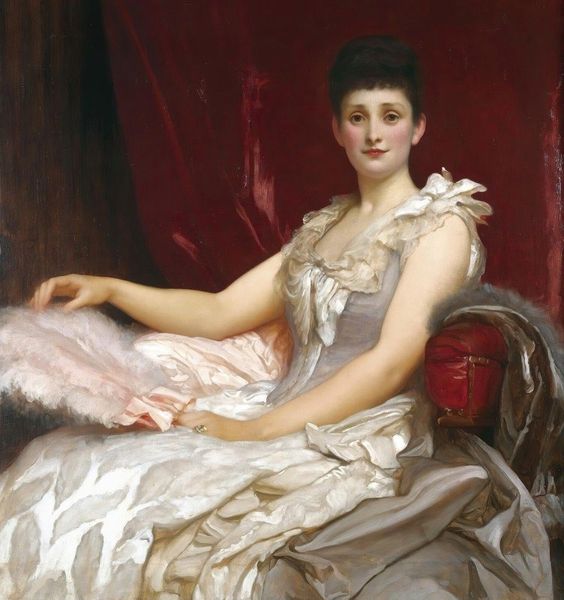
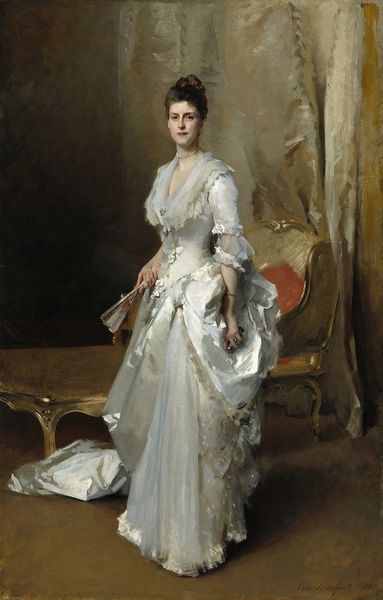
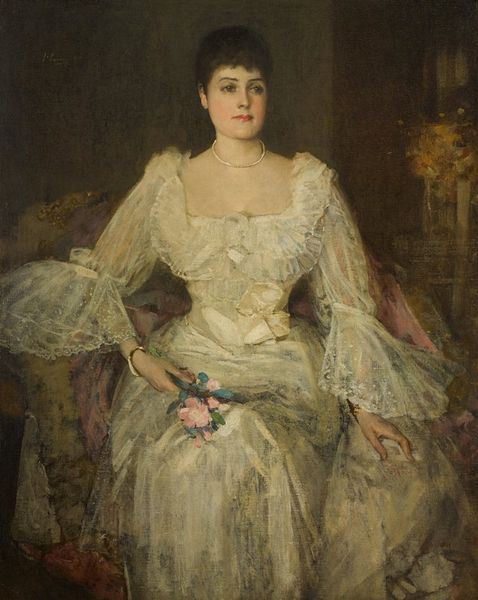
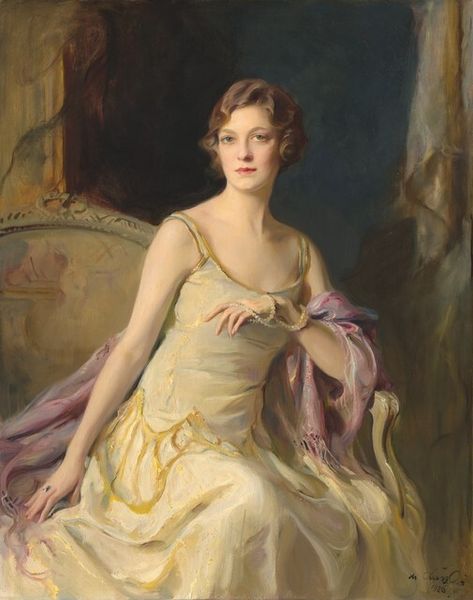
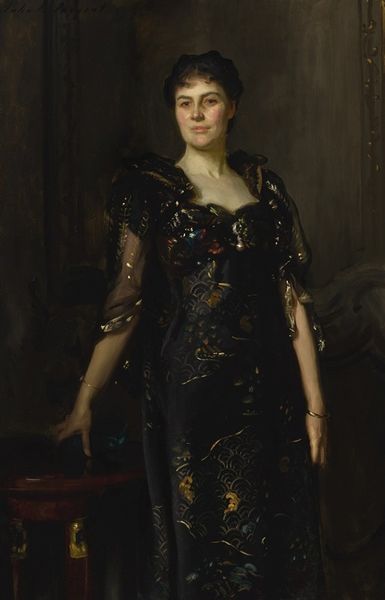
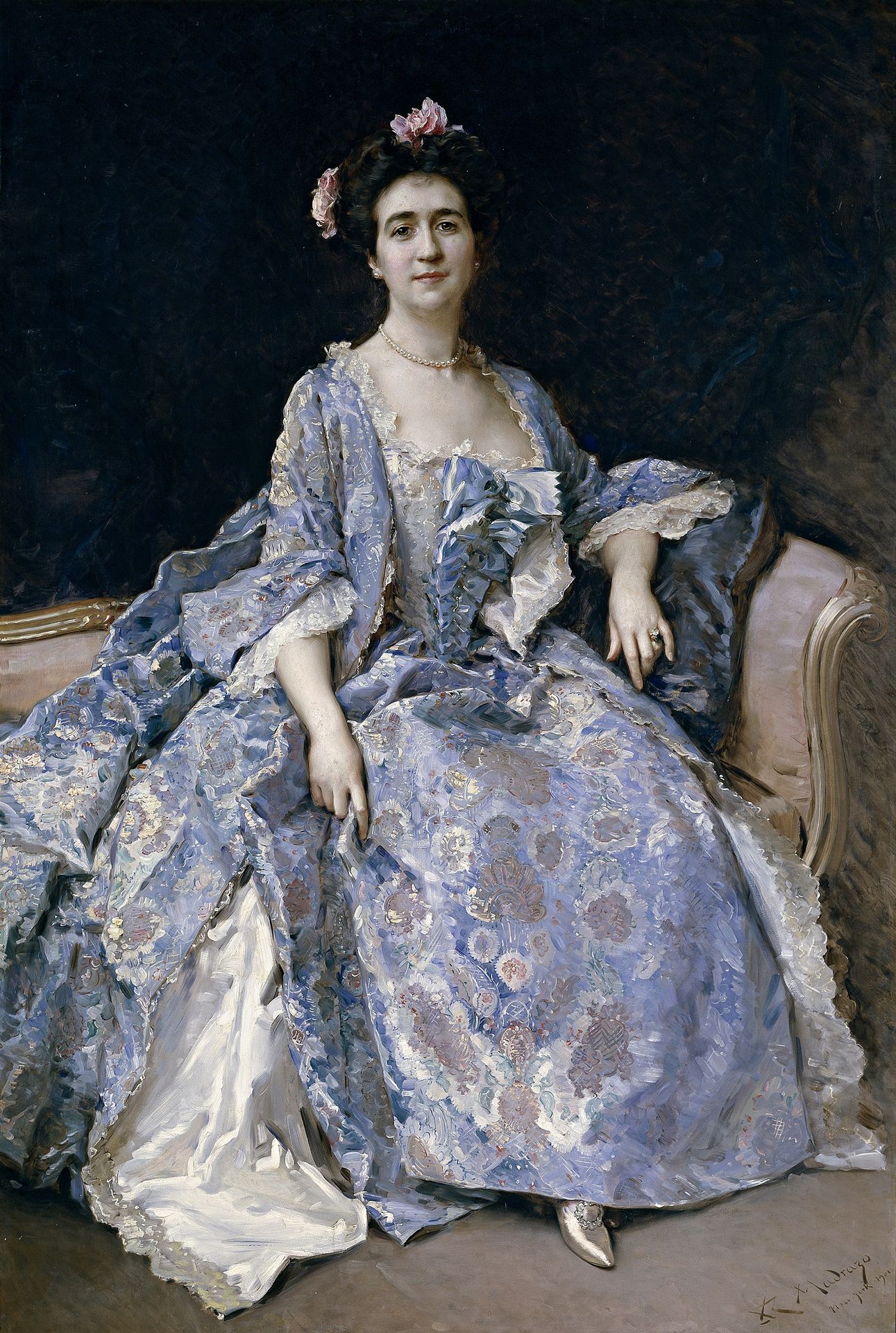
Raimundo de Madrazo painted Maria Hahn, Painter's Wife, with oils on canvas, and it's a beautiful example of his approach to portraiture. Looking at the brushwork, it’s really interesting how he uses these quick, loose strokes to build up the form, almost like he's sketching with paint. Up close, you can really see the materiality of the paint, thick in some areas, almost translucent in others. The way he captures the light on her satin dress is just amazing. Notice how the blues shimmer and reflect, creating a sense of movement and texture. It’s these details that give the painting its emotional depth, hinting at the complexities of the sitter's character. It reminds me a little of John Singer Sargent, in the way he captures the elegance and sophistication of his subjects. But Madrazo has his own unique voice, a sense of intimacy and warmth that really draws you in. And isn't art all about conversations across time, echoing and riffing off each other? It’s this ambiguity, this openness to interpretation, that makes art so endlessly fascinating.
Maria Hahn, Painter's Wife
1901

Raimundo de Madrazo
1841 - 1920Location
Museo del Prado, Madrid, SpainArtwork details
- Location
- Museo del Prado, Madrid, Spain
- Copyright
- Public domain
Comments
Share your thoughts
About this artwork
Raimundo de Madrazo painted Maria Hahn, Painter's Wife, with oils on canvas, and it's a beautiful example of his approach to portraiture. Looking at the brushwork, it’s really interesting how he uses these quick, loose strokes to build up the form, almost like he's sketching with paint. Up close, you can really see the materiality of the paint, thick in some areas, almost translucent in others. The way he captures the light on her satin dress is just amazing. Notice how the blues shimmer and reflect, creating a sense of movement and texture. It’s these details that give the painting its emotional depth, hinting at the complexities of the sitter's character. It reminds me a little of John Singer Sargent, in the way he captures the elegance and sophistication of his subjects. But Madrazo has his own unique voice, a sense of intimacy and warmth that really draws you in. And isn't art all about conversations across time, echoing and riffing off each other? It’s this ambiguity, this openness to interpretation, that makes art so endlessly fascinating.
Comments
Share your thoughts