About this artwork
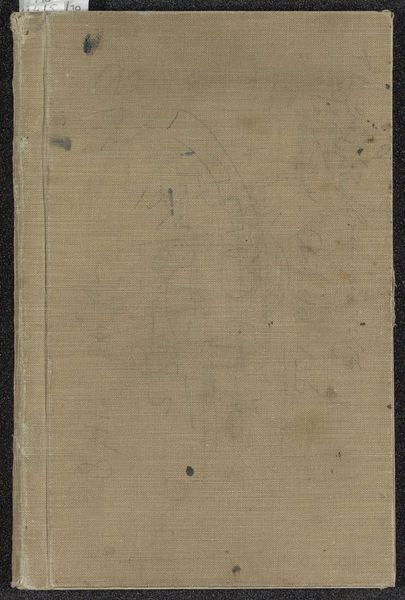
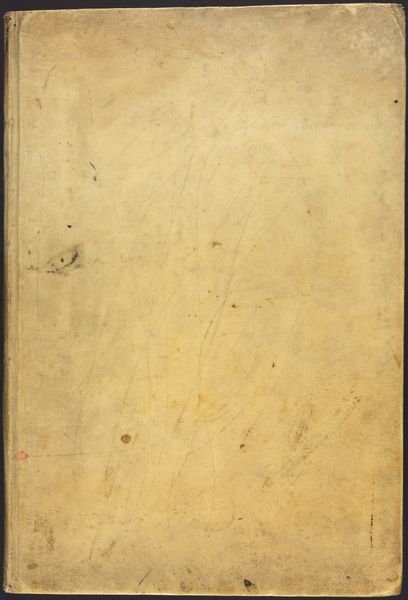
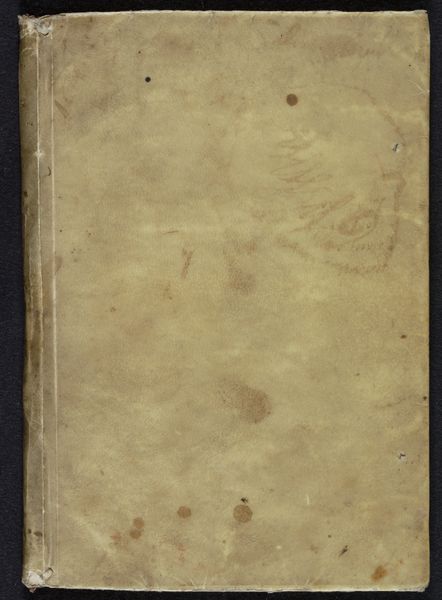
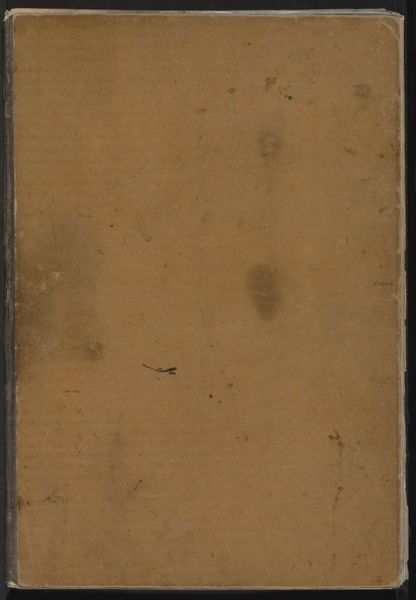
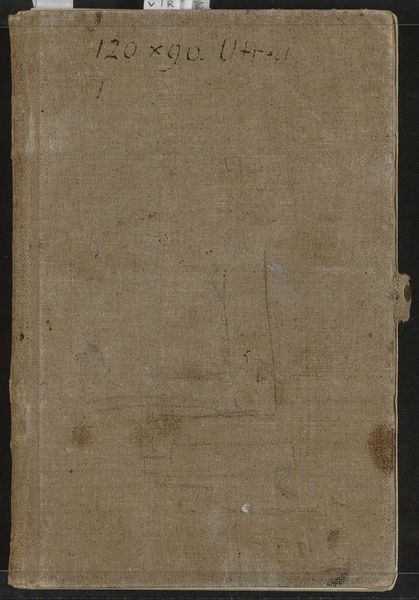
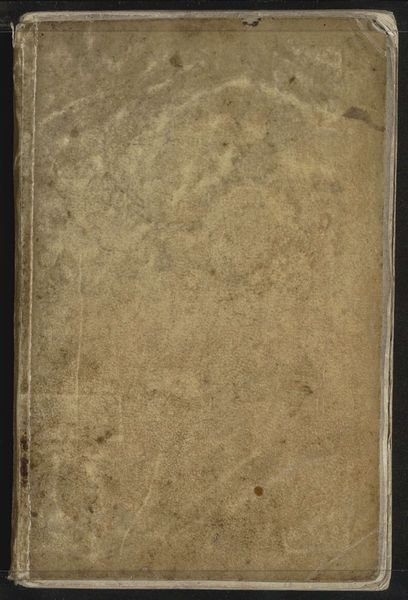
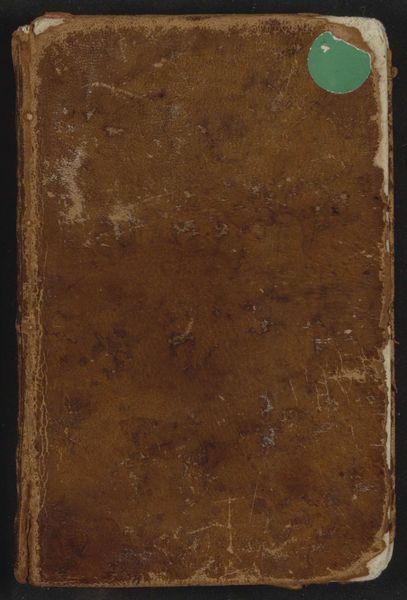
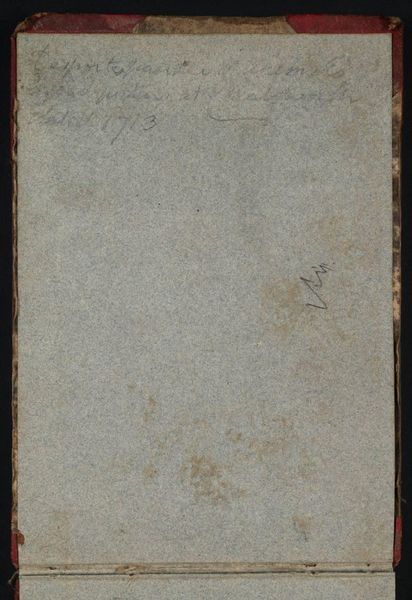
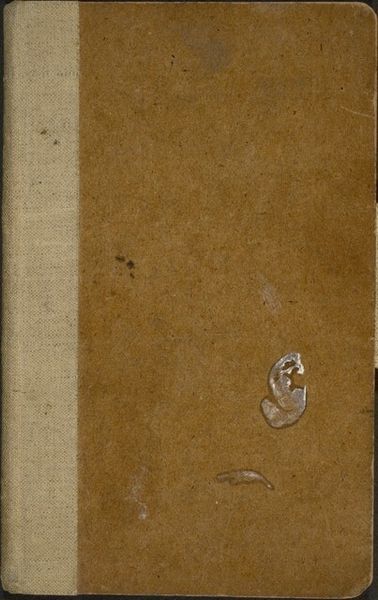
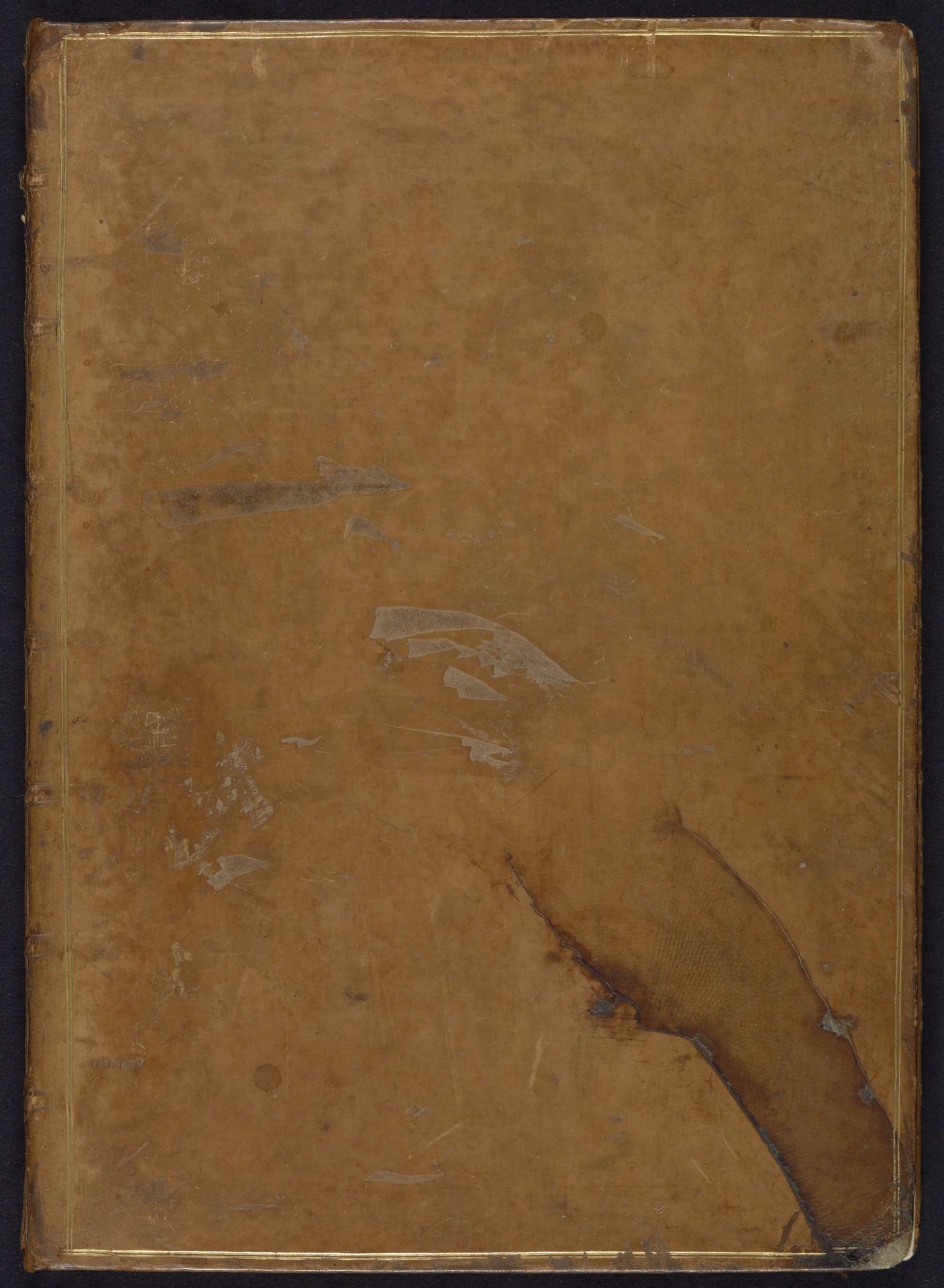
This undated book cover, adorned with a golden rectangular frame, was created by Anthony van Dyck. The texture and color create a dialogue between decay and endurance. The artwork's surface reveals a rich tapestry of imperfections. Patches and discolorations interrupt the monochrome, with its smooth leather-like appearance. The light reflects unevenly, creating a play of shadows that emphasizes the degradation of the material. This visual language speaks to the passage of time, yet the presence of the golden frame offers an interesting contrast: a symbol of value. Perhaps Van Dyck intended to engage with notions of preservation and memory, or even challenge conventional ideas about beauty and perfection. As the form destabilizes the established notions, the book cover, a physical object and cultural artefact, becomes a site for exploring the complex interplay between appearance, meaning and time.
Icones Principum Vivorum Doctorum Pictorum Chalcographorum Statuariorum nec non Amatorum Pictoriae Artis Numero Centum ab Antonio van Dyck Pictore ad Vivum Expressae Eiusq: Sumptibus aeri incisae
1645 - 1646

Anthony van Dyck
1599 - 1641Location
RijksmuseumArtwork details
- Medium
- print, etching
- Dimensions
- height 378 mm, width 269 mm, thickness 33 mm, width 530 mm
- Location
- Rijksmuseum
- Copyright
- Rijks Museum: Open Domain
Tags
Comments
Share your thoughts
About this artwork
This undated book cover, adorned with a golden rectangular frame, was created by Anthony van Dyck. The texture and color create a dialogue between decay and endurance. The artwork's surface reveals a rich tapestry of imperfections. Patches and discolorations interrupt the monochrome, with its smooth leather-like appearance. The light reflects unevenly, creating a play of shadows that emphasizes the degradation of the material. This visual language speaks to the passage of time, yet the presence of the golden frame offers an interesting contrast: a symbol of value. Perhaps Van Dyck intended to engage with notions of preservation and memory, or even challenge conventional ideas about beauty and perfection. As the form destabilizes the established notions, the book cover, a physical object and cultural artefact, becomes a site for exploring the complex interplay between appearance, meaning and time.
Comments
Share your thoughts