About this artwork
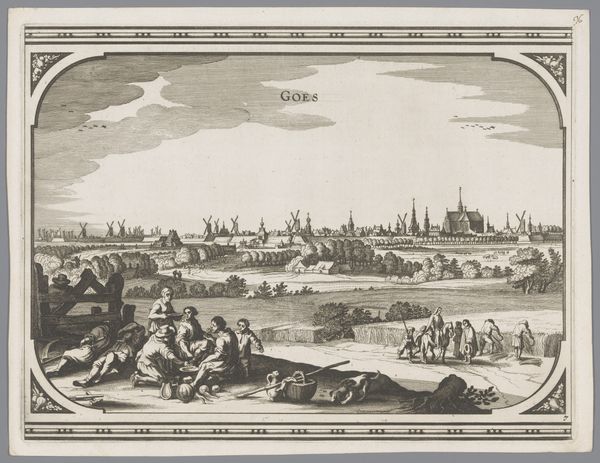
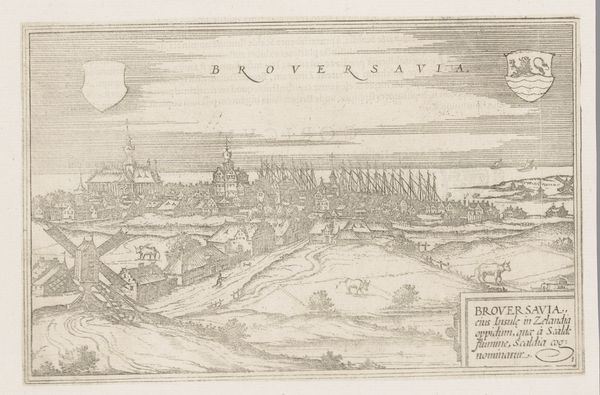
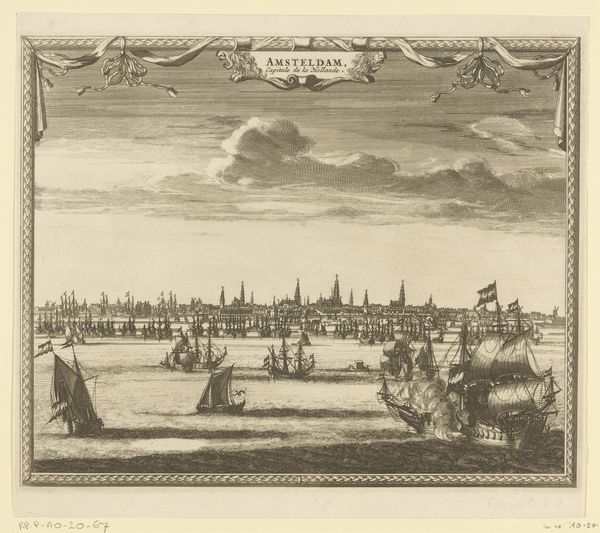
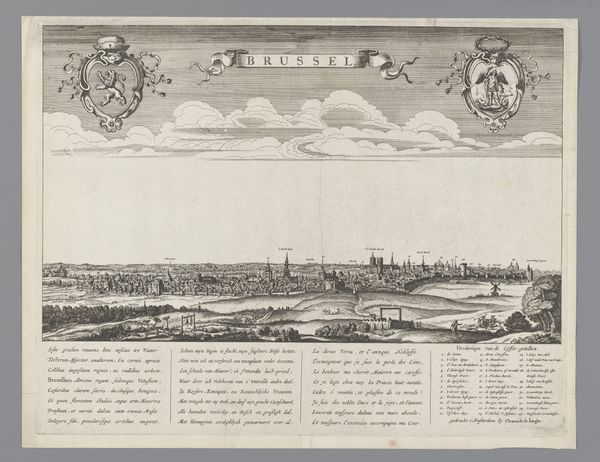
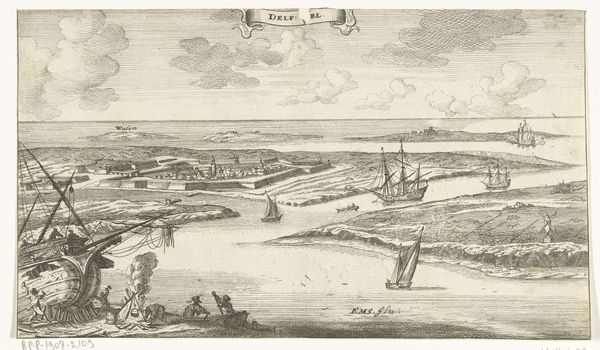
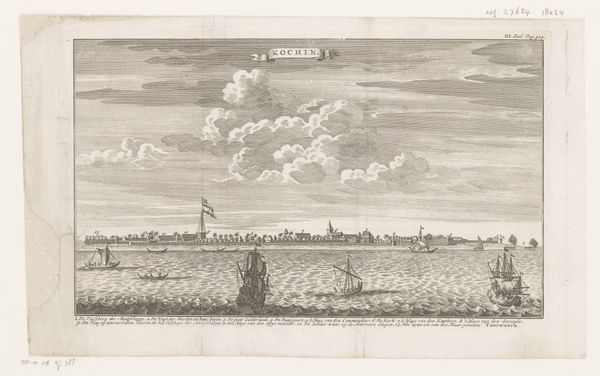
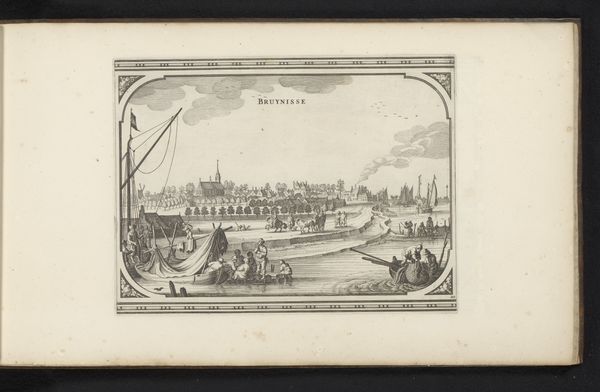
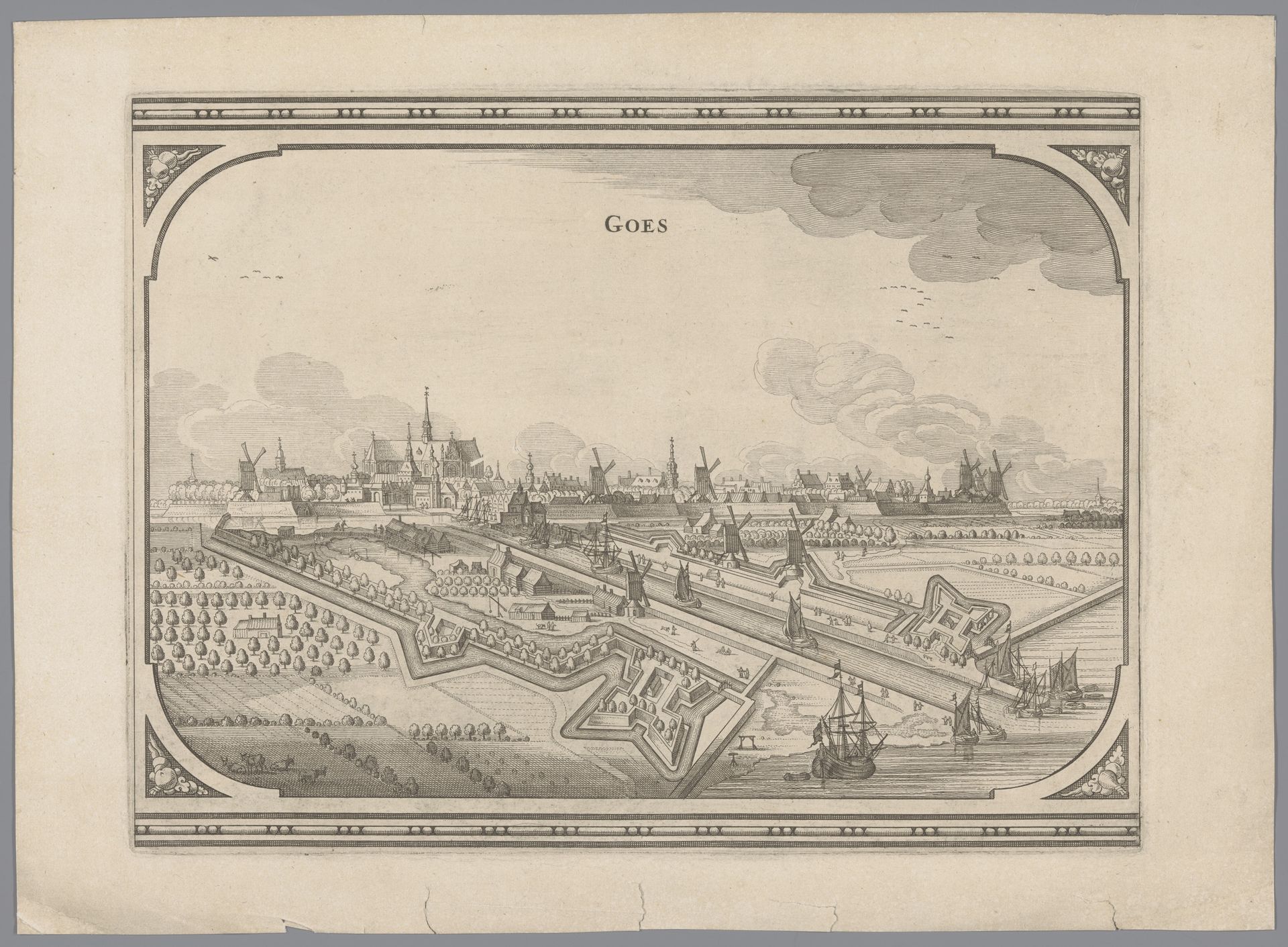
Pieter Hendricksz. Schut created this print of Goes, likely in the mid-17th century, using etching or engraving techniques on paper. The image is defined by a network of fine lines, carefully incised to illustrate a bird's-eye view of the fortified city. The success of prints like this one depended on skilled craftsmanship, and the labor-intensive process of carving lines into a metal plate. It was a process geared towards mechanical reproduction. Consider all the windmills, and ships – technologies dependent on the expertise of millers, shipbuilders, and sailors. This print testifies to a culture shaped by trade and travel. The level of detail speaks to a desire for accurate representation and efficient communication, while the composition is a celebration of human industry and ingenuity. By focusing on material, process, and context, we can understand how prints like this one blurred the lines between art, craft, and social documentation.

Artwork details
- Medium
- print, etching, engraving
- Dimensions
- height 208 mm, width 280 mm
- Location
- Rijksmuseum
- Copyright
- Rijks Museum: Open Domain
Tags
dutch-golden-age
etching
landscape
cityscape
engraving
Comments
Be the first to share your thoughts about this work.
About this artwork
Pieter Hendricksz. Schut created this print of Goes, likely in the mid-17th century, using etching or engraving techniques on paper. The image is defined by a network of fine lines, carefully incised to illustrate a bird's-eye view of the fortified city. The success of prints like this one depended on skilled craftsmanship, and the labor-intensive process of carving lines into a metal plate. It was a process geared towards mechanical reproduction. Consider all the windmills, and ships – technologies dependent on the expertise of millers, shipbuilders, and sailors. This print testifies to a culture shaped by trade and travel. The level of detail speaks to a desire for accurate representation and efficient communication, while the composition is a celebration of human industry and ingenuity. By focusing on material, process, and context, we can understand how prints like this one blurred the lines between art, craft, and social documentation.
Comments
Be the first to share your thoughts about this work.