before 1899
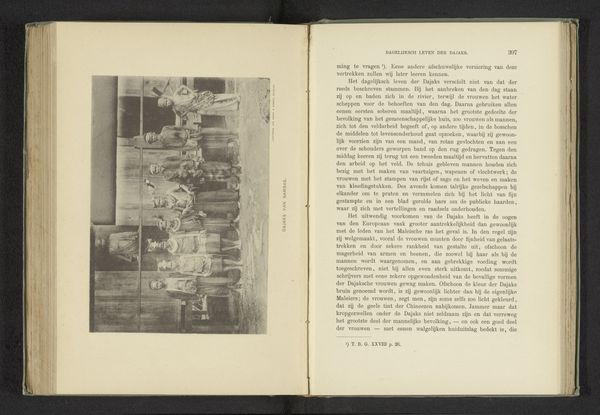
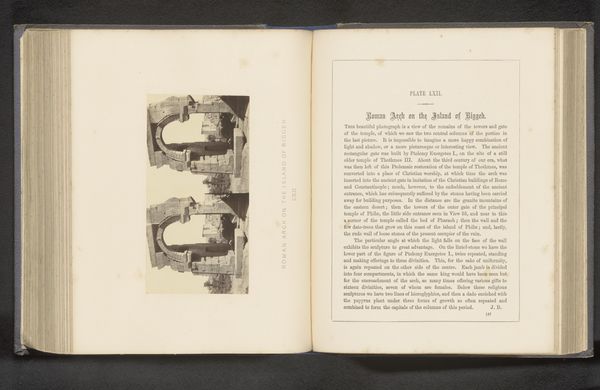
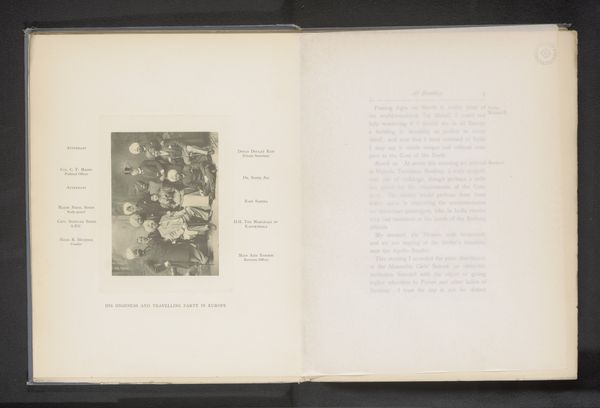
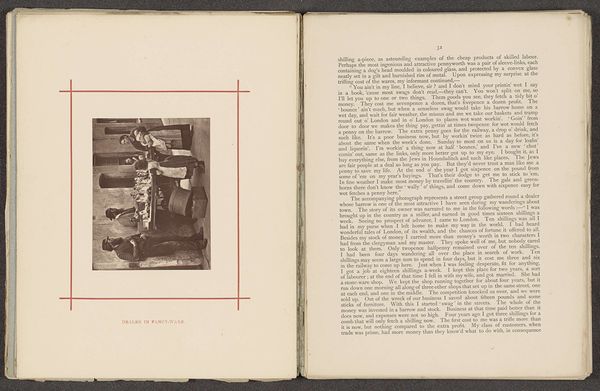
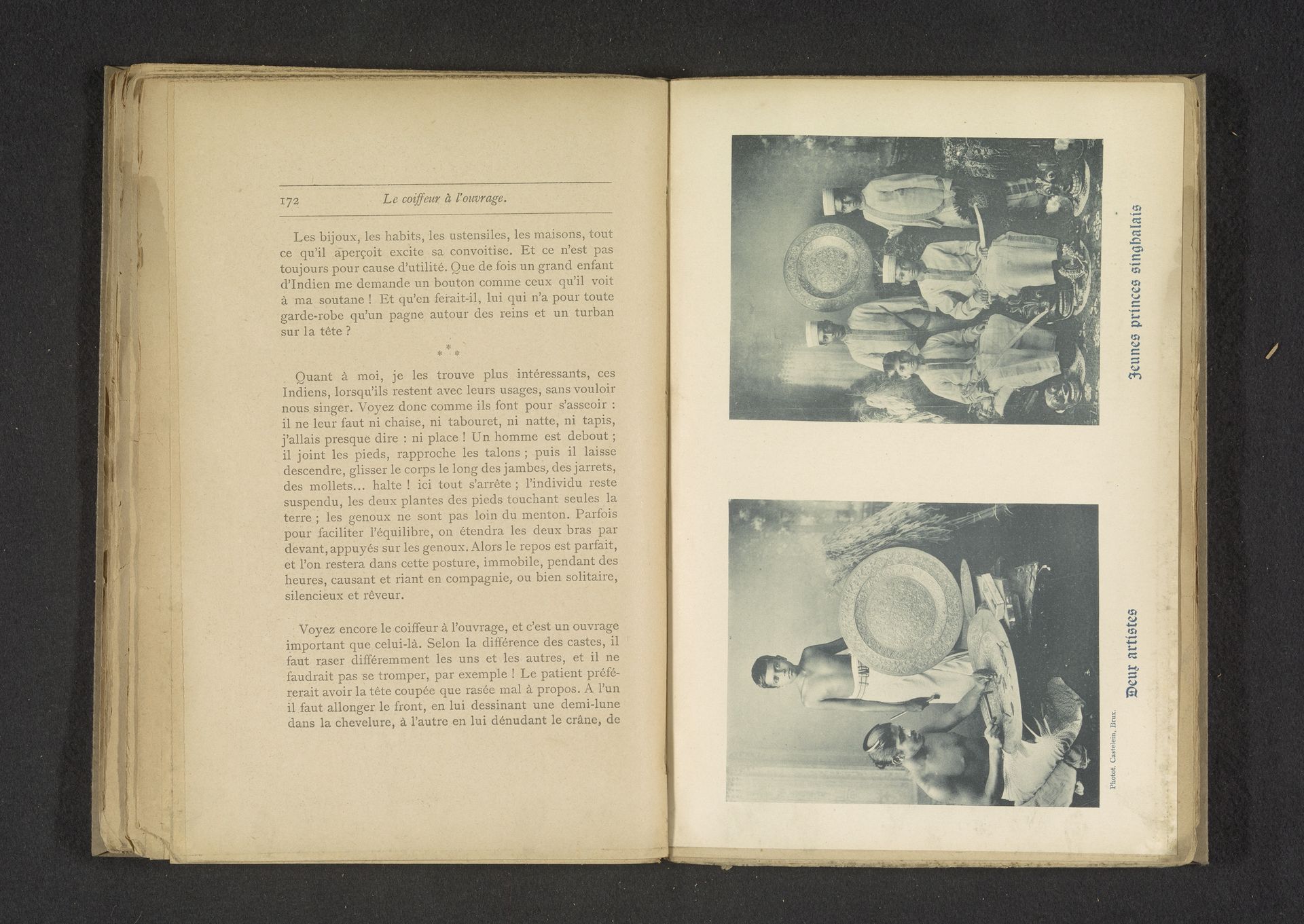
Portret van vier jonge onbekende Singalese prinsen

Listen to curator's interpretation
Curatorial notes
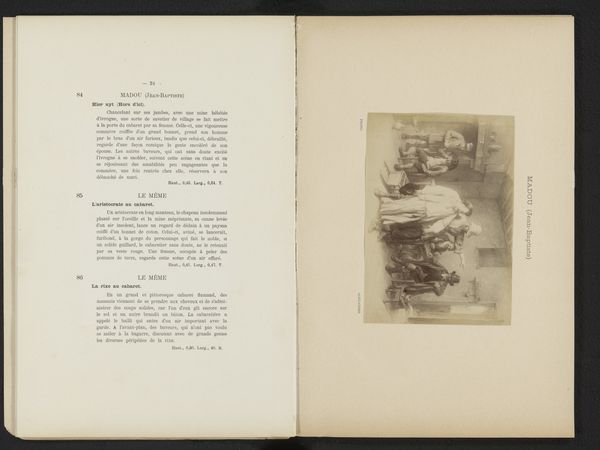
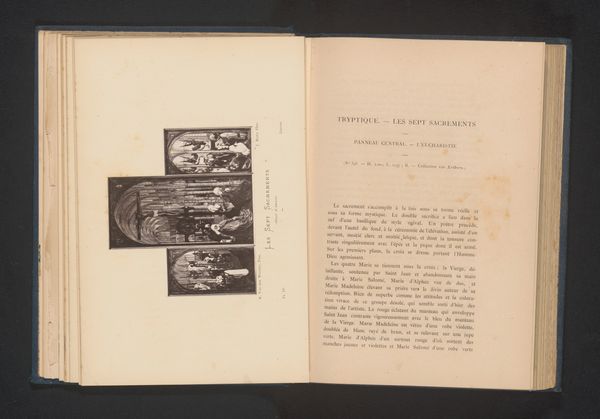
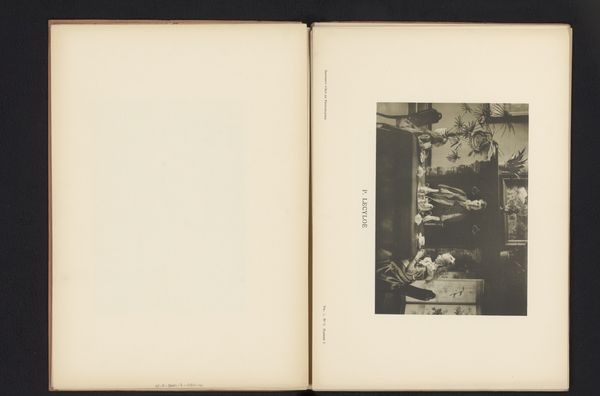
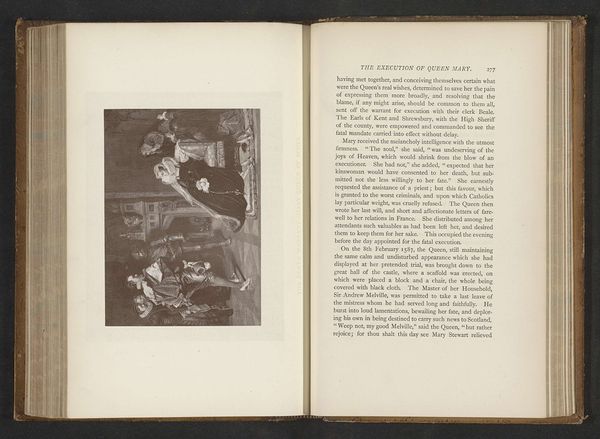
This photogravure, showing portraits of young Sinhalese princes, was printed in a book, likely using industrial methods of mass production. Consider the material: paper, ink. These elements facilitated not only the wide distribution of the image, but also its presentation alongside text. The printing process – a photogravure – involves transferring a photographic image onto a metal plate, which is then etched and used to print multiple copies. In this context, the photogravure represents a colonial gaze, framing the princes as exotic subjects for Western consumption, as well as evidence of Ceylon’s hierarchy. The print's mechanical reproduction contrasts with traditional forms of portraiture. It democratizes access to images of the elite, even as it reinforces existing power structures through the act of representation. The amount of work involved in the production process is a further example of the relationship between the artwork and the modes of production. Here, materials, making, and context challenge traditional distinctions between fine art and craft.