before 1868
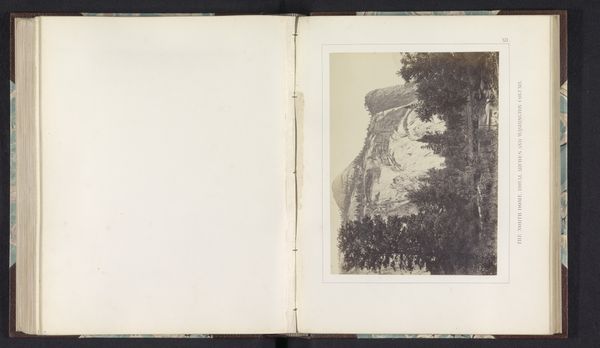
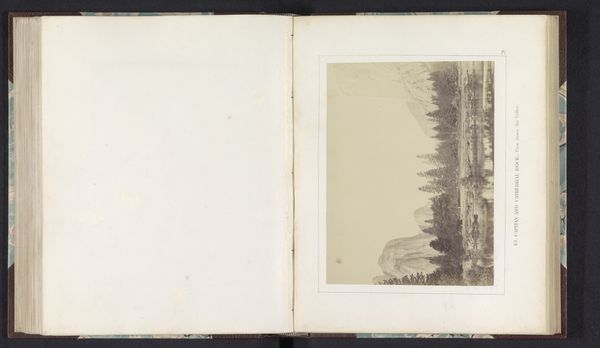
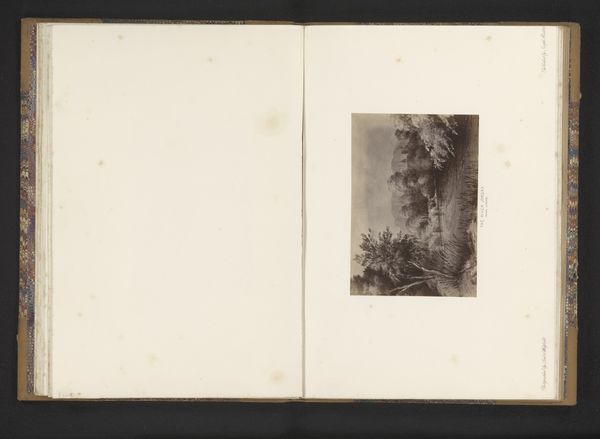
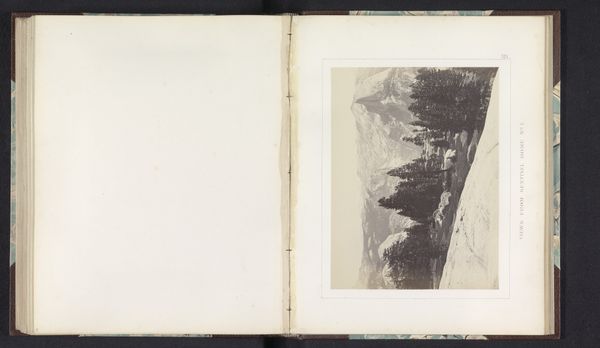
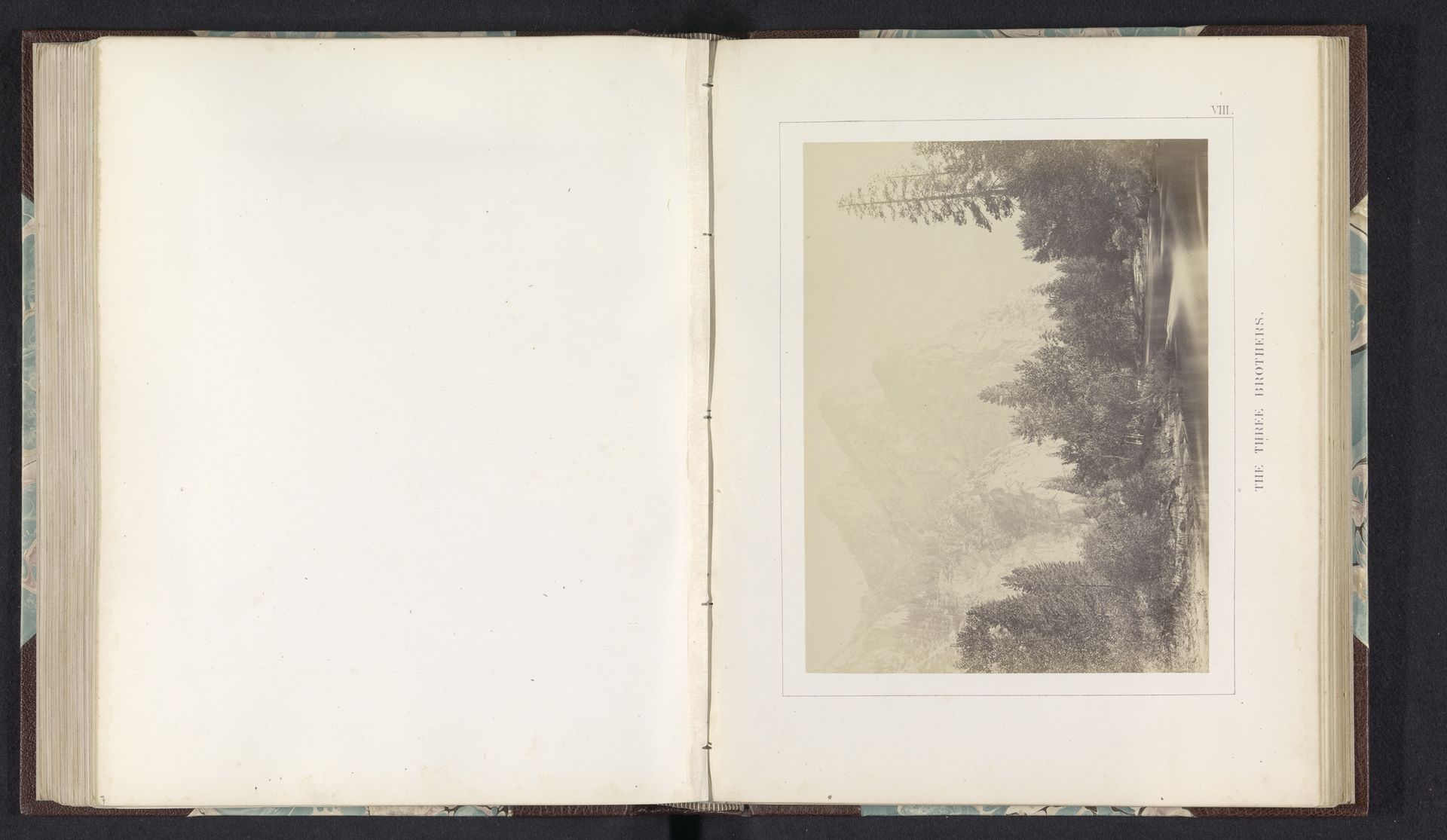
Gezicht op de bergformatie Three Brothers in de Yosemite Valley

Listen to curator's interpretation
Curatorial notes
Carleton Watkins made this photograph of the Three Brothers in Yosemite Valley using the wet collodion process. This was cutting-edge technology at the time, demanding a mobile darkroom to prepare, expose, and develop the glass plate negative, all before the collodion emulsion dried. Watkins's choice of photography over painting as his artistic medium reflects a shift towards valuing mechanical reproduction. Think about the labor involved: not just Watkins's artistic eye, but also the physical effort of transporting bulky equipment into the wilderness. The tonal range achieved through this chemical process gives the image a distinctive depth. Ultimately, the photograph's significance lies not just in its aesthetic qualities, but in its historical context. It documented the American West and played a role in the growing environmental movement. By focusing on the materials and methods behind the image, we recognize photography as a powerful blend of art, science, and social influence.