About this artwork
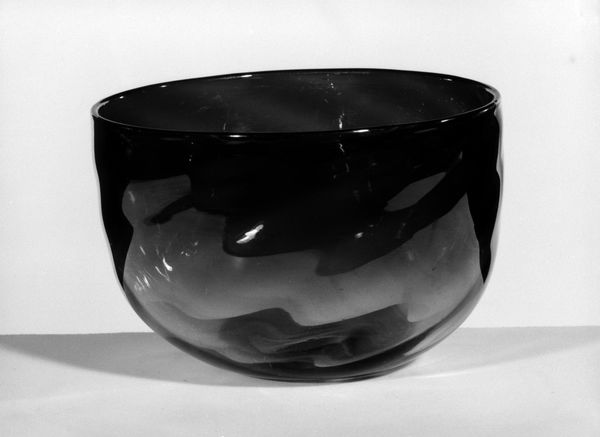
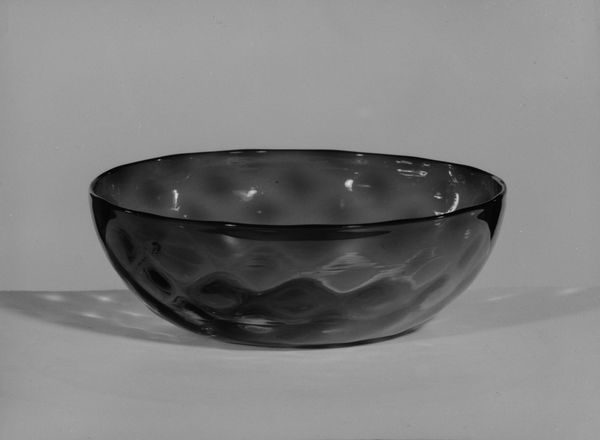
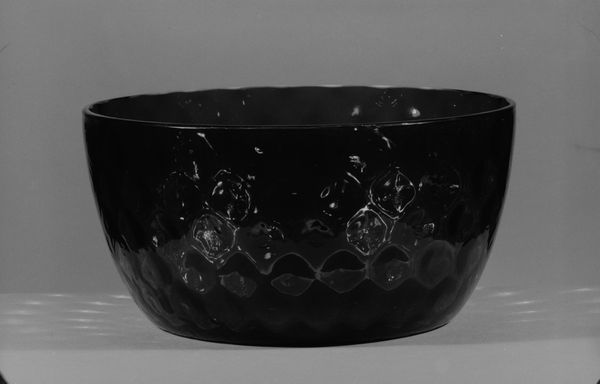
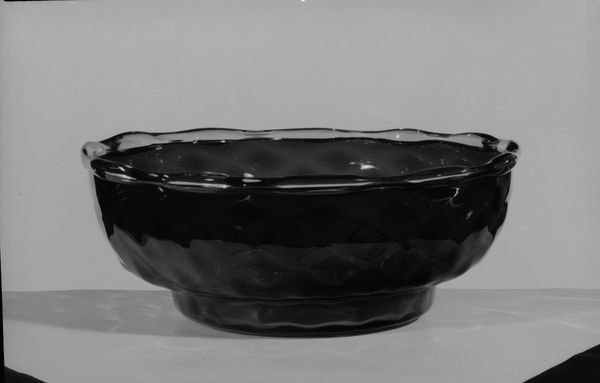
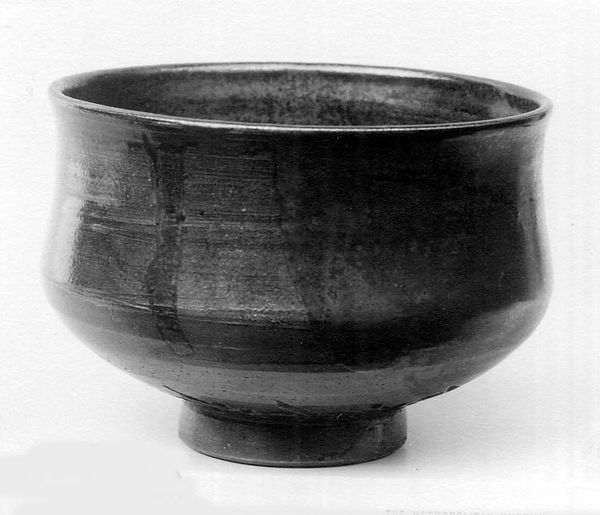
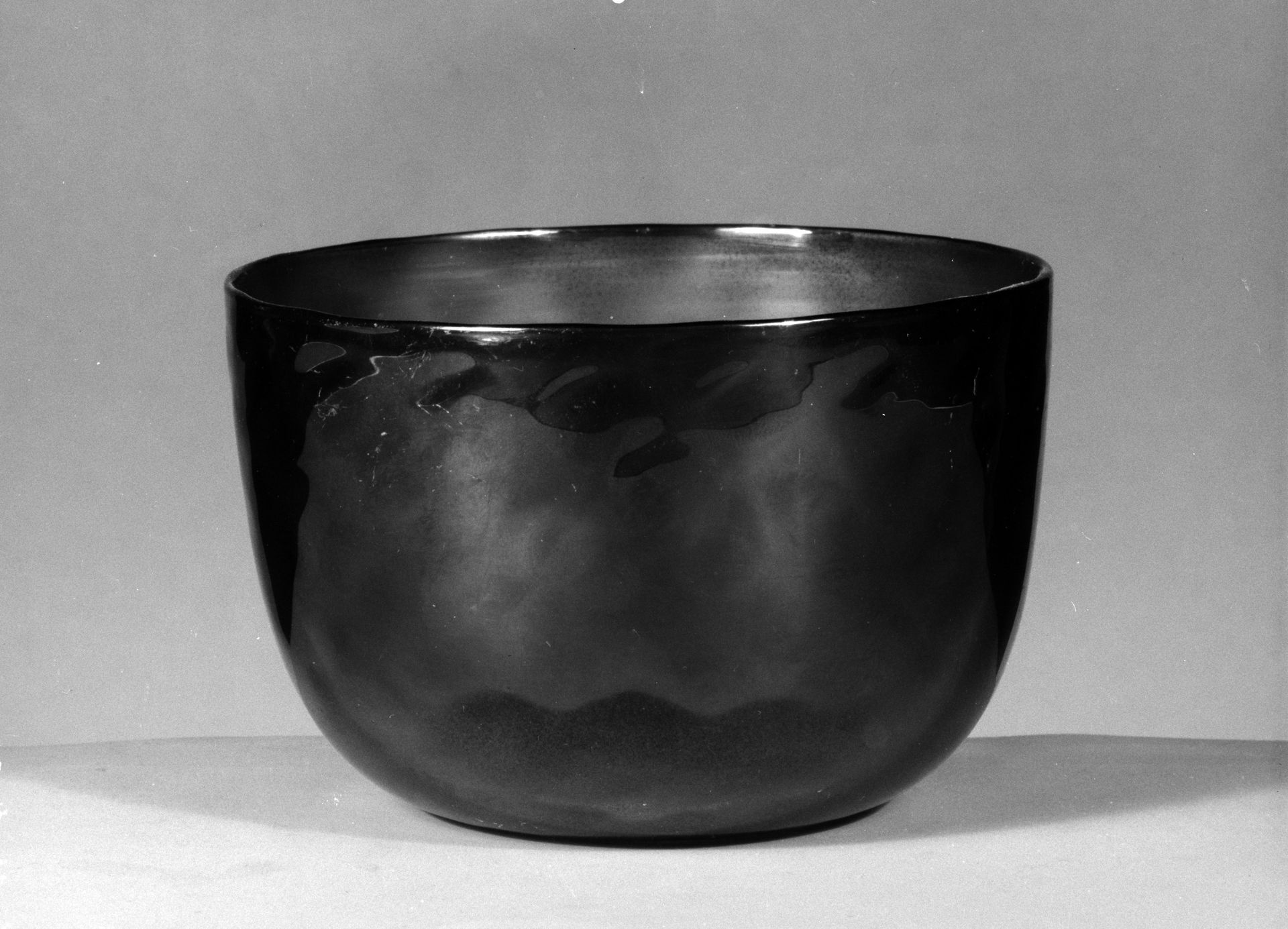
The New England Glass Company crafted this finger bowl, held at the Metropolitan Museum of Art, with meticulous attention to form. Its smooth, continuous curves establish a visual language, suggesting containment and fluidity. The dark glass absorbs light, creating a sense of depth and mystery that draws the eye inward. Note how the absence of ornamentation directs our focus to the purity of the bowl's shape. This focus on form aligns with the formalist principles that emphasize an artwork's inherent qualities over external references. The bowl’s simplicity challenges the conventional hierarchy, inviting us to appreciate its form rather than its function. The glass bowl, therefore, transcends its utilitarian purpose, becoming a study in the interplay of line, space, and material. Its smooth, dark surface offers an ongoing opportunity for interpretation and aesthetic contemplation.
Finger Bowl
1887 - 1896

New England Glass Company
1818 - 1888
The Metropolitan Museum of Art
Metropolitan Museum of Art, New York, NYArtwork details
- Medium
- photography, glass
- Dimensions
- H. 2 15/16 in. (7.5 cm); Diam. 4 9/16 in. (11.6 cm)
- Location
- Metropolitan Museum of Art, New York, NY
- Copyright
- Public Domain
Tags
Comments
Share your thoughts
About this artwork
The New England Glass Company crafted this finger bowl, held at the Metropolitan Museum of Art, with meticulous attention to form. Its smooth, continuous curves establish a visual language, suggesting containment and fluidity. The dark glass absorbs light, creating a sense of depth and mystery that draws the eye inward. Note how the absence of ornamentation directs our focus to the purity of the bowl's shape. This focus on form aligns with the formalist principles that emphasize an artwork's inherent qualities over external references. The bowl’s simplicity challenges the conventional hierarchy, inviting us to appreciate its form rather than its function. The glass bowl, therefore, transcends its utilitarian purpose, becoming a study in the interplay of line, space, and material. Its smooth, dark surface offers an ongoing opportunity for interpretation and aesthetic contemplation.
Comments
Share your thoughts