About this artwork
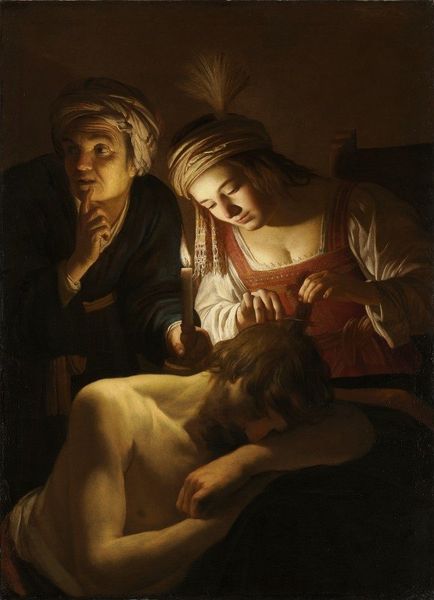
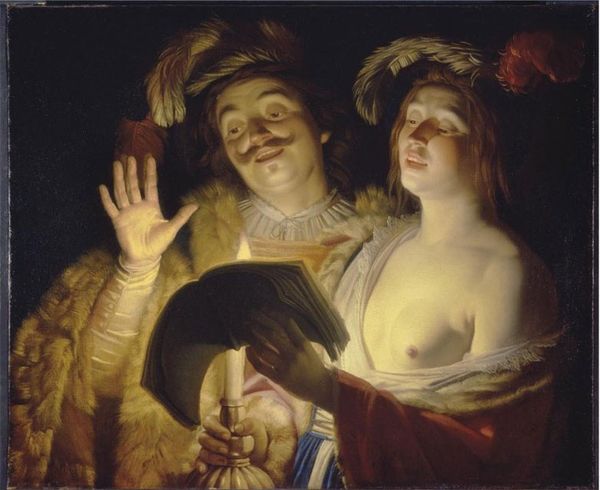
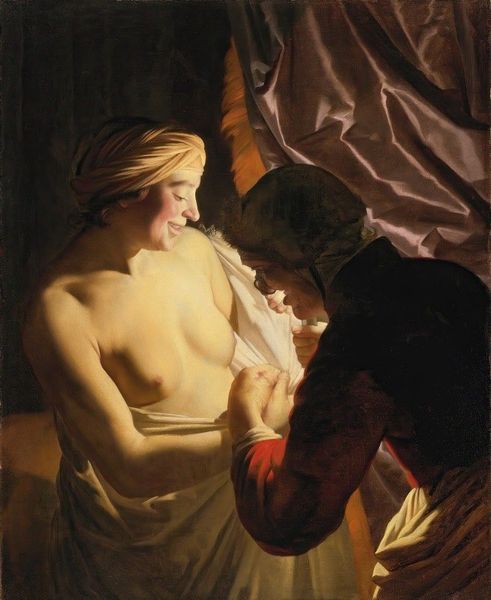
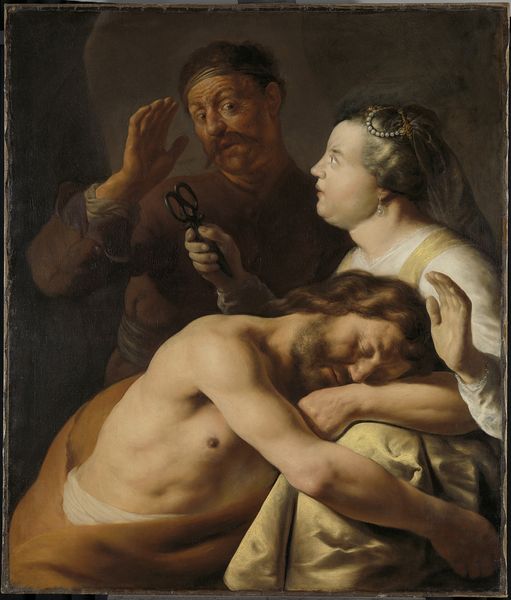
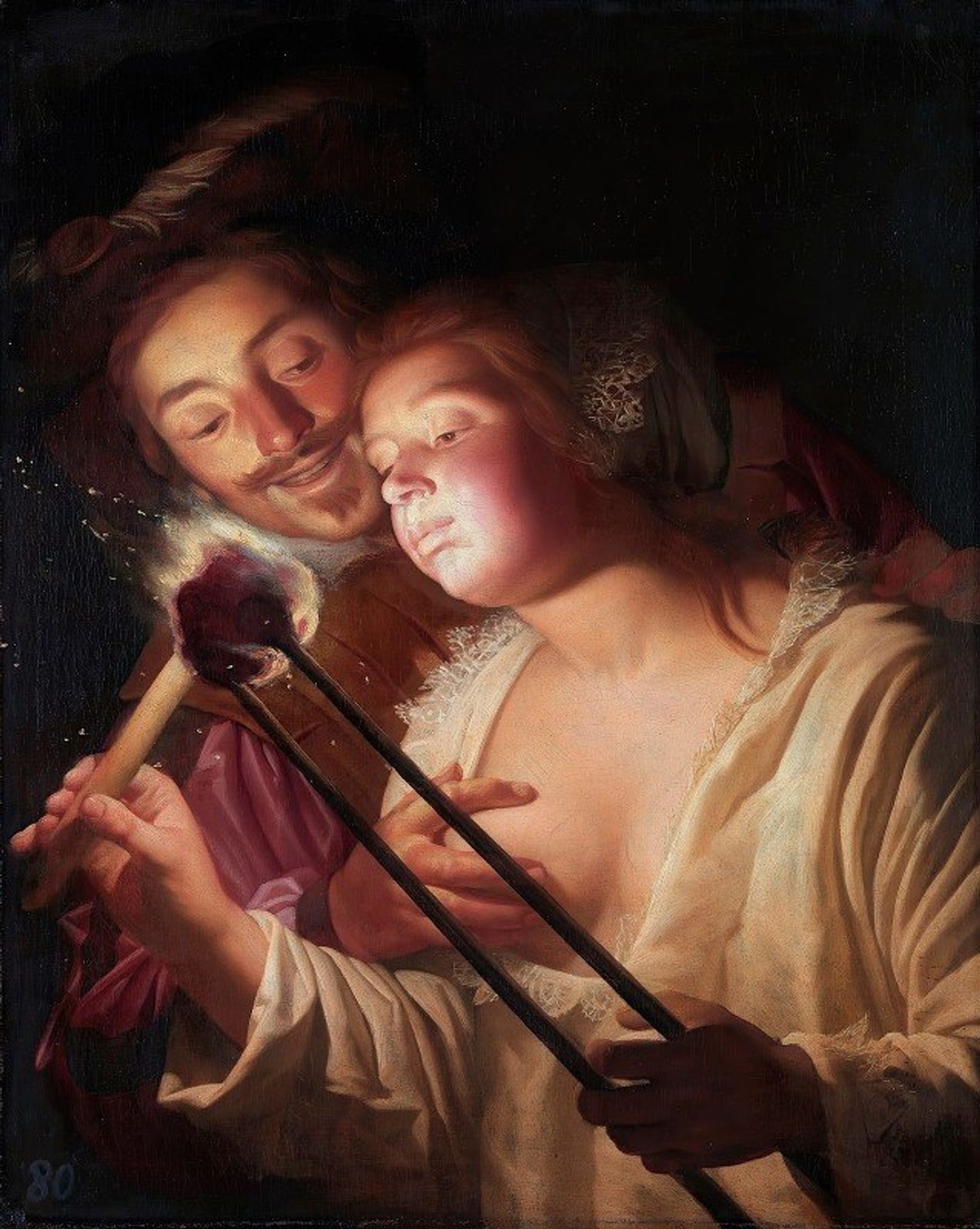
Gerard van Honthorst, around the 17th century, painted this scene, defined by the strong symbolic use of light and shadow. The candle held by the girl illuminates her face and chest while casting the soldier into partial darkness. This motif of the single candle or torch harkens back to ancient times, seen in depictions of Psyche and Cupid, or even Prometheus, the bringer of light. Here, the flame symbolizes knowledge, revelation, and perhaps danger. Observe how the warm light emphasizes the exposed skin of the girl, drawing us into the intimate scene. Consider Caravaggio’s dramatic use of light, then think further back, to the cave paintings where fire was both a tool and a sacred symbol. It’s a cyclical progression, isn’t it? Fire reappears, evolves, and takes on new meanings. This shared human experience engages our subconscious on a primal level.

Artwork details
- Medium
- painting, oil-paint
- Copyright
- Public Domain: Artvee
Tags
Comments
Share your thoughts
About this artwork
Gerard van Honthorst, around the 17th century, painted this scene, defined by the strong symbolic use of light and shadow. The candle held by the girl illuminates her face and chest while casting the soldier into partial darkness. This motif of the single candle or torch harkens back to ancient times, seen in depictions of Psyche and Cupid, or even Prometheus, the bringer of light. Here, the flame symbolizes knowledge, revelation, and perhaps danger. Observe how the warm light emphasizes the exposed skin of the girl, drawing us into the intimate scene. Consider Caravaggio’s dramatic use of light, then think further back, to the cave paintings where fire was both a tool and a sacred symbol. It’s a cyclical progression, isn’t it? Fire reappears, evolves, and takes on new meanings. This shared human experience engages our subconscious on a primal level.
Comments
Share your thoughts