About this artwork
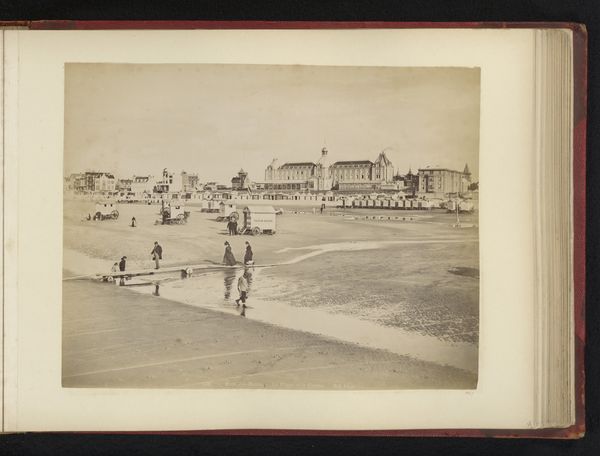
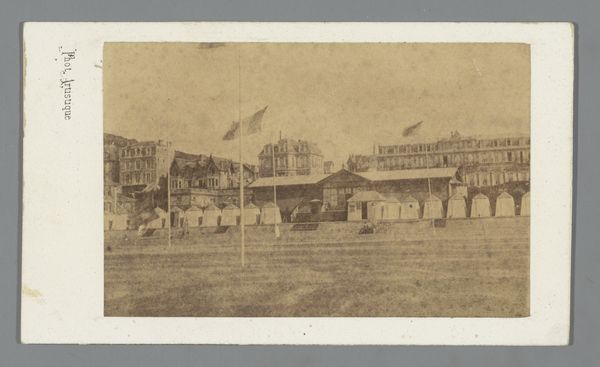
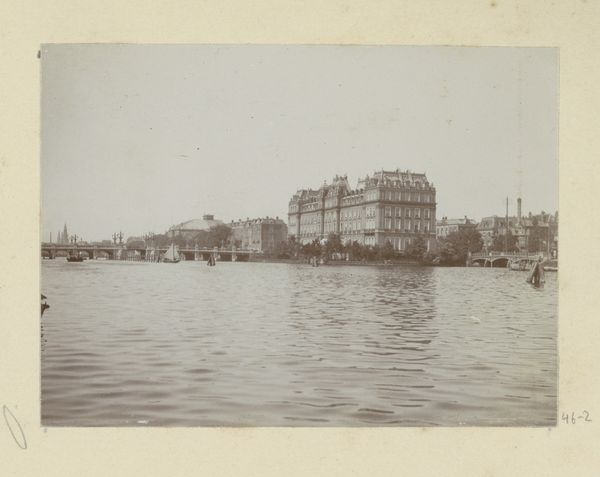
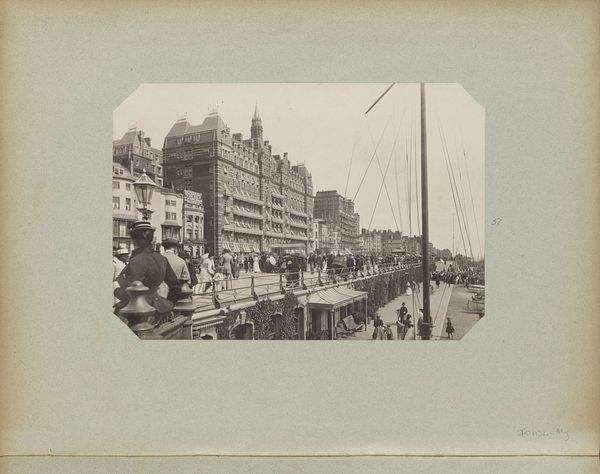
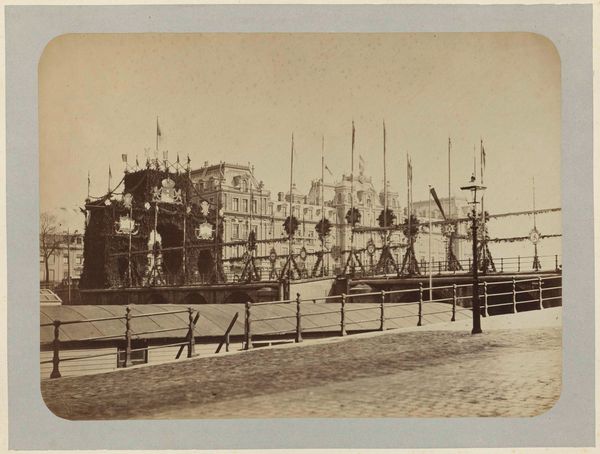
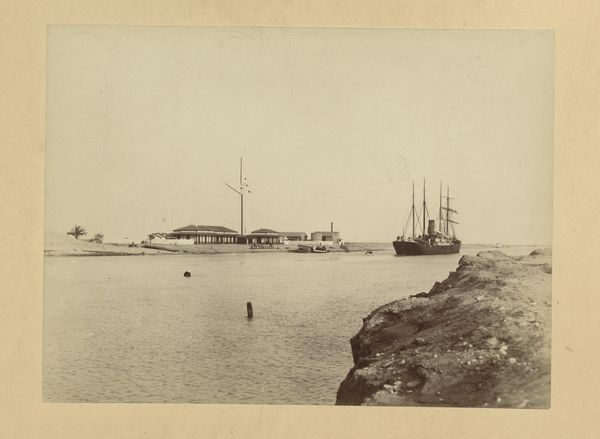
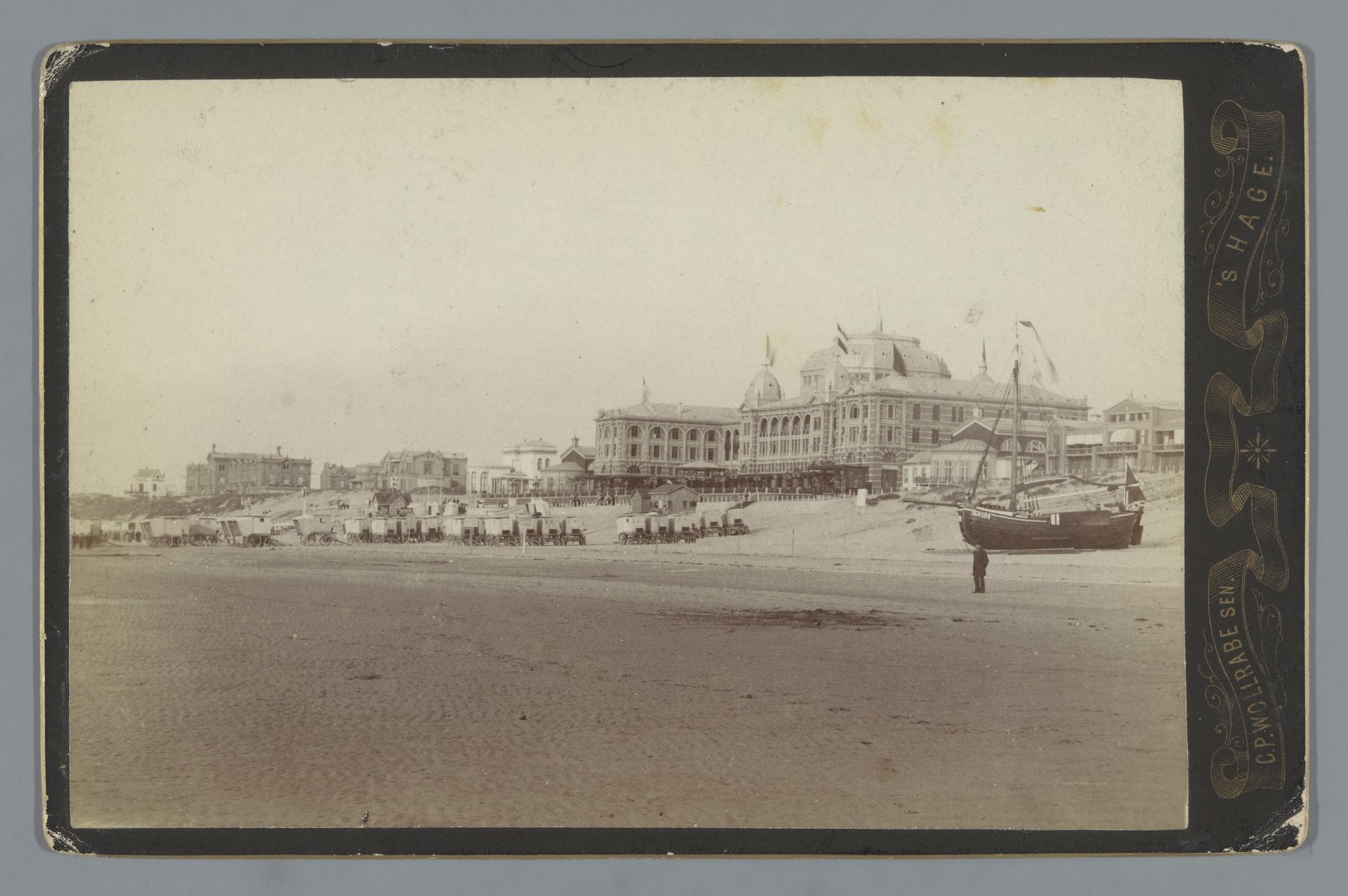
This photograph of Scheveningen beach, featuring the Kurhaus, was created by Carl Philip Wollrabe using the wet collodion process. This technique, popular in the mid-19th century, involved coating a glass plate with light-sensitive chemicals, exposing it in a camera, and then developing it immediately. The process itself is fascinating, and the image's sepia tone is a direct result of the chemical reactions. What I find especially interesting here is how the material conditions of photography shaped the final product. Unlike a painting, which could take months to complete, this method allowed for the relatively quick production of images. The popularity of this photographic method speaks to the rise of tourism and leisure activities. Consider the labor involved in setting up a darkroom on location, preparing the plates, and capturing the scene. Each print was a valuable commodity, reflecting a shift towards mass culture.
Gezicht op het strand te Scheveningen, met rechts het Kurhaus after 1887

Artwork details
- Medium
- photography, albumen-print
- Dimensions
- height 97 mm, width 145 mm
- Copyright
- Rijks Museum: Open Domain
Tags
landscape
photography
cityscape
albumen-print
building
Comments
No comments
About this artwork
This photograph of Scheveningen beach, featuring the Kurhaus, was created by Carl Philip Wollrabe using the wet collodion process. This technique, popular in the mid-19th century, involved coating a glass plate with light-sensitive chemicals, exposing it in a camera, and then developing it immediately. The process itself is fascinating, and the image's sepia tone is a direct result of the chemical reactions. What I find especially interesting here is how the material conditions of photography shaped the final product. Unlike a painting, which could take months to complete, this method allowed for the relatively quick production of images. The popularity of this photographic method speaks to the rise of tourism and leisure activities. Consider the labor involved in setting up a darkroom on location, preparing the plates, and capturing the scene. Each print was a valuable commodity, reflecting a shift towards mass culture.
Comments
No comments