About this artwork
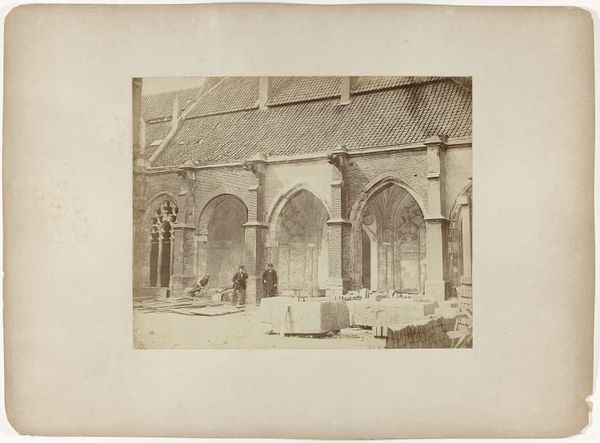
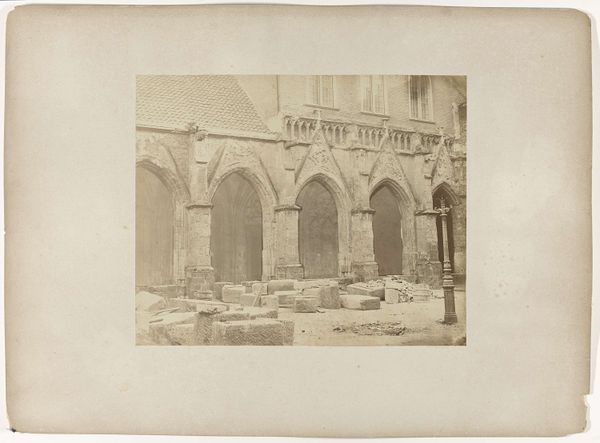
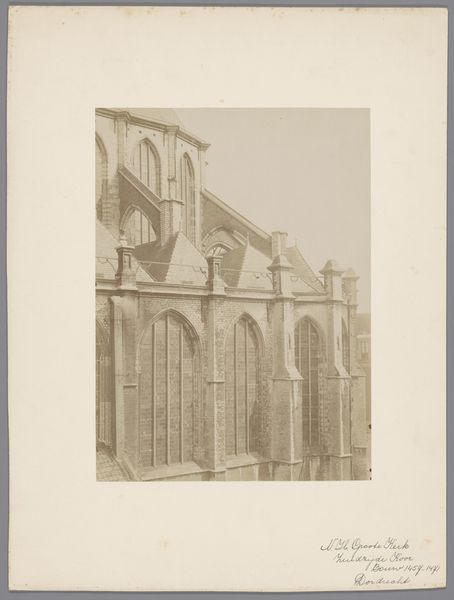
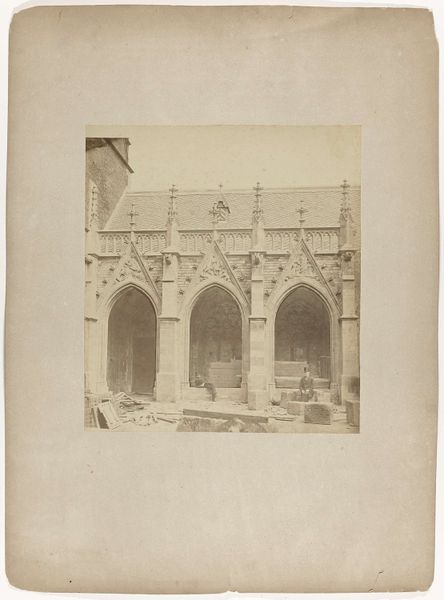
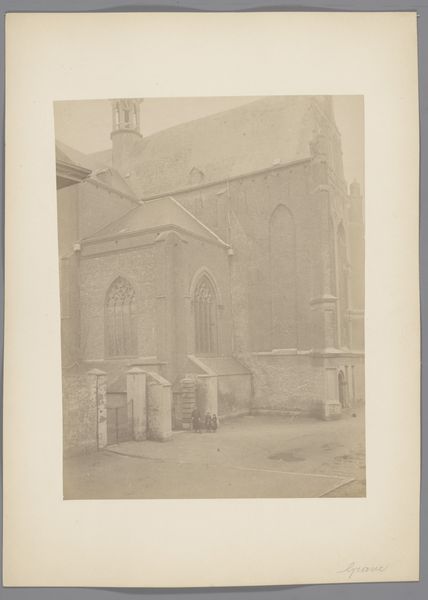
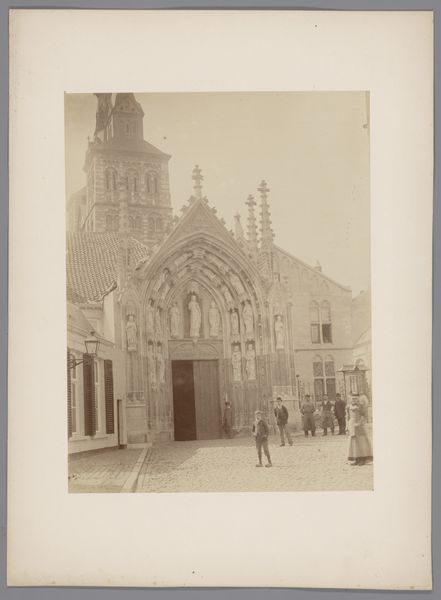
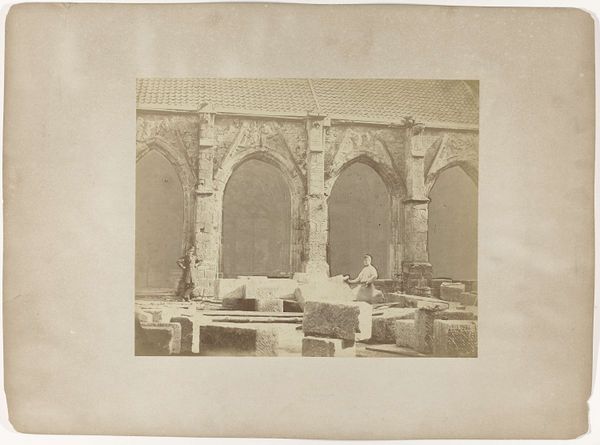
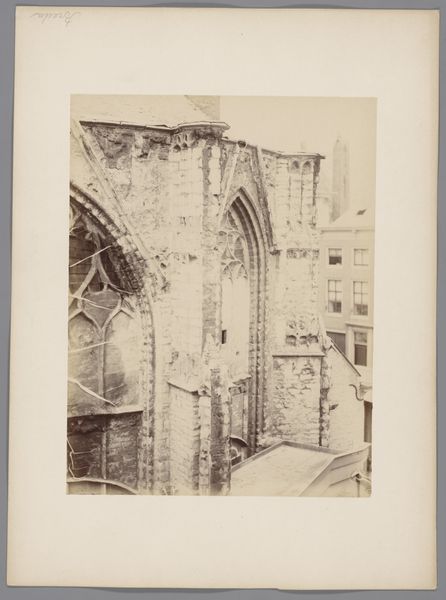
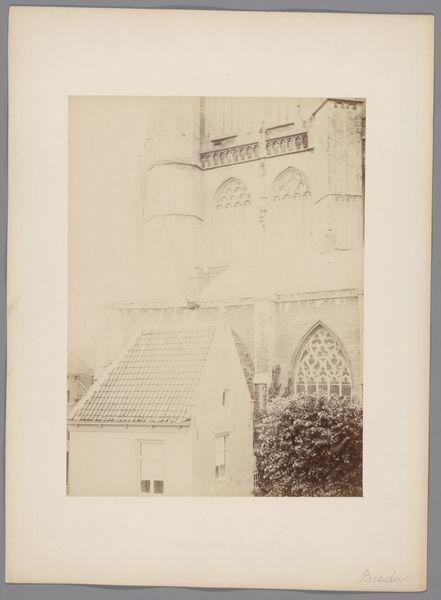
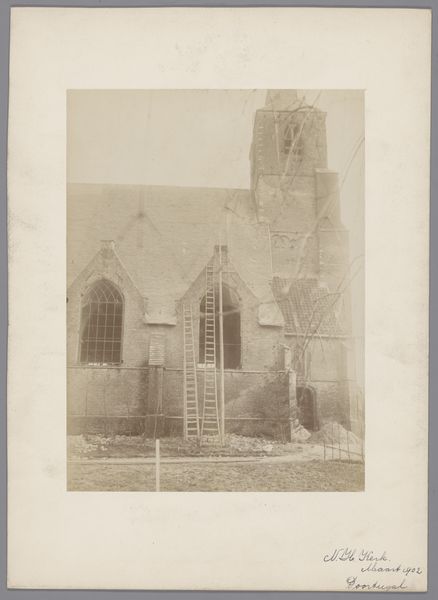
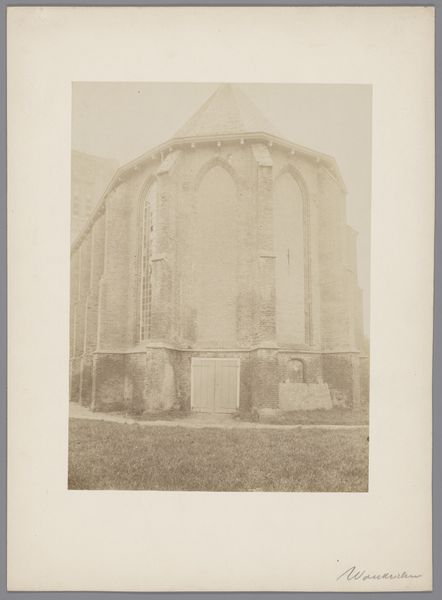
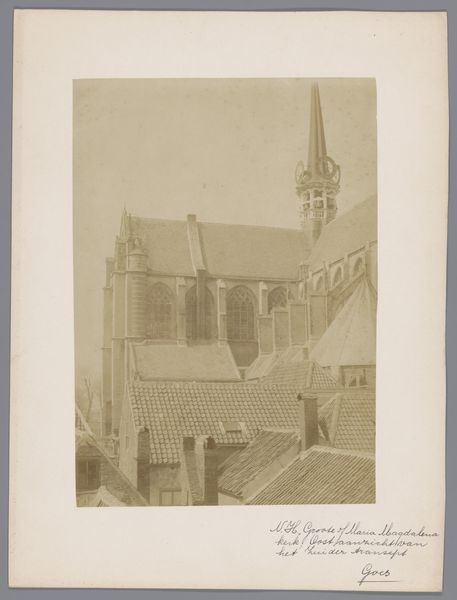
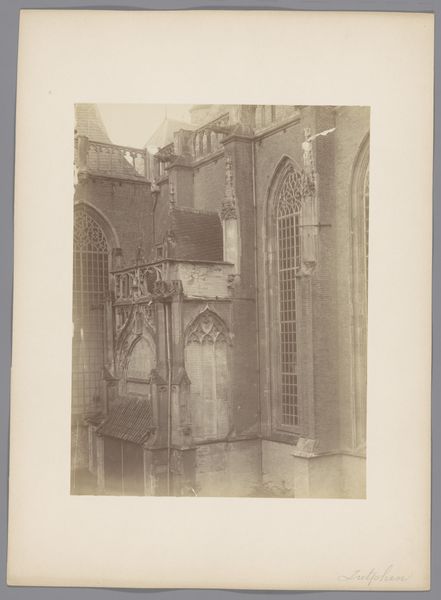
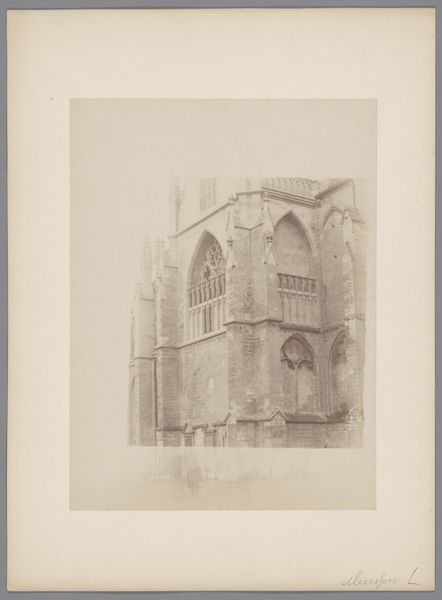
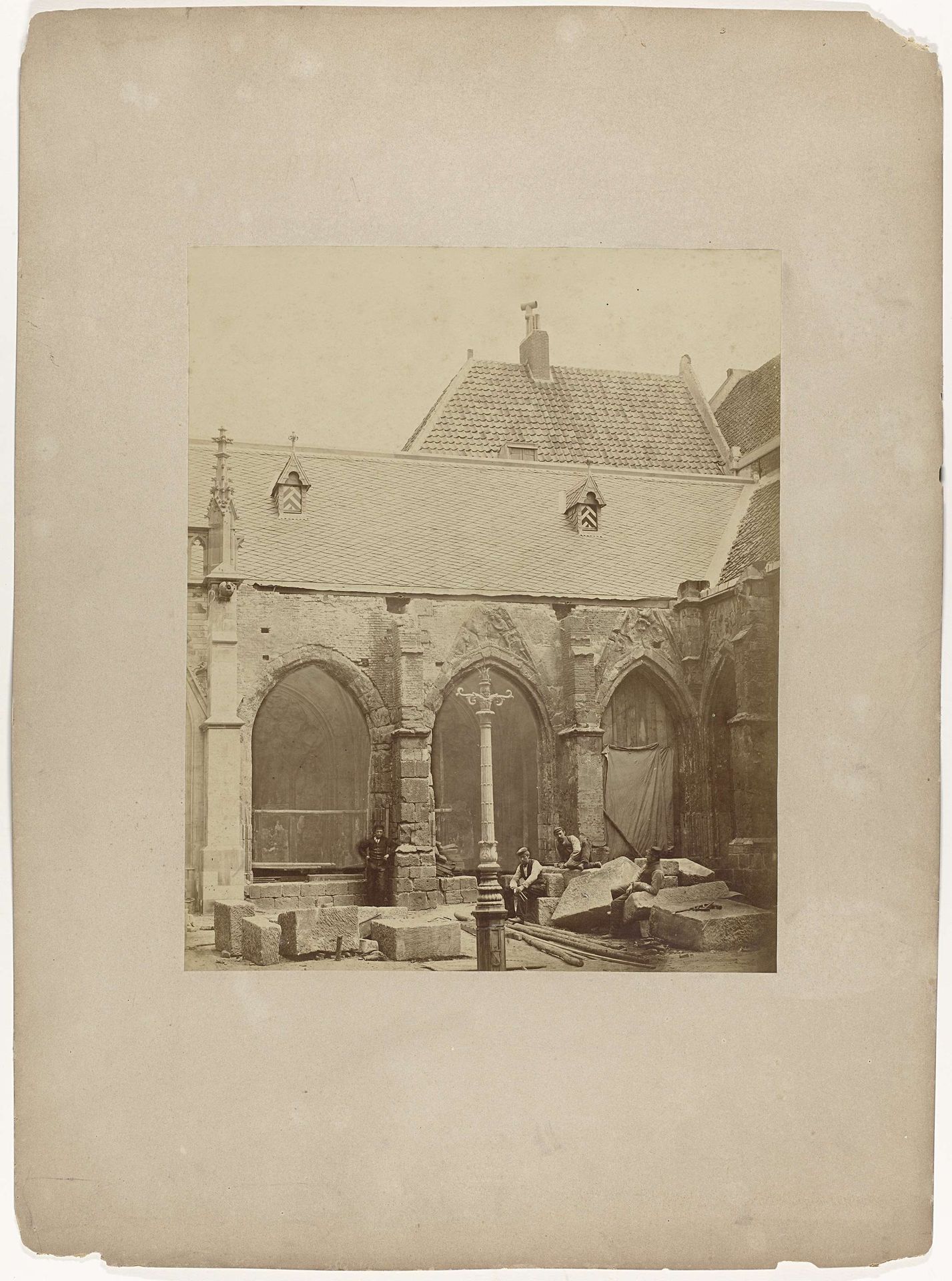
Eduard François Georges made this photograph of the restoration of the Domkerk in Utrecht, though the specific date is unknown. As an image, it invites us to consider the role of art in documenting and shaping our understanding of cultural heritage. This photograph captures a moment of transformation. The Domkerk, a symbol of religious and civic identity in Utrecht, was undergoing restoration at the time. Georges' choice to document this process raises questions about the politics of preservation. Was this restoration a conservative effort to reinstate a romanticized past or a progressive attempt to adapt a historical structure to modern needs? The presence of workmen adds a social dimension, highlighting the labor involved in maintaining cultural landmarks. To fully understand the meaning of this image, we need to consider the history of the Domkerk, the cultural values of 19th-century Netherlands, and the institutional forces driving its restoration. Only through such research can we understand the social conditions that shaped this artwork and its role in shaping our understanding of history.
Restauratie van de kloosteromgang van de Domkerk in Utrecht 1880

Eduard François Georges
1817 - 1895Location
RijksmuseumArtwork details
- Medium
- print, photography
- Dimensions
- height 377 mm, width 309 mm, height 656 mm, width 482 mm
- Location
- Rijksmuseum
- Copyright
- Rijks Museum: Open Domain
Tags
landscape
photography
romanesque
Comments
No comments
About this artwork
Eduard François Georges made this photograph of the restoration of the Domkerk in Utrecht, though the specific date is unknown. As an image, it invites us to consider the role of art in documenting and shaping our understanding of cultural heritage. This photograph captures a moment of transformation. The Domkerk, a symbol of religious and civic identity in Utrecht, was undergoing restoration at the time. Georges' choice to document this process raises questions about the politics of preservation. Was this restoration a conservative effort to reinstate a romanticized past or a progressive attempt to adapt a historical structure to modern needs? The presence of workmen adds a social dimension, highlighting the labor involved in maintaining cultural landmarks. To fully understand the meaning of this image, we need to consider the history of the Domkerk, the cultural values of 19th-century Netherlands, and the institutional forces driving its restoration. Only through such research can we understand the social conditions that shaped this artwork and its role in shaping our understanding of history.
Comments
No comments