About this artwork
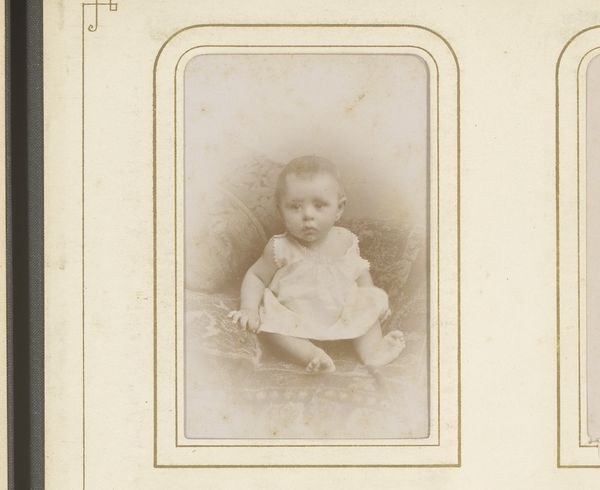
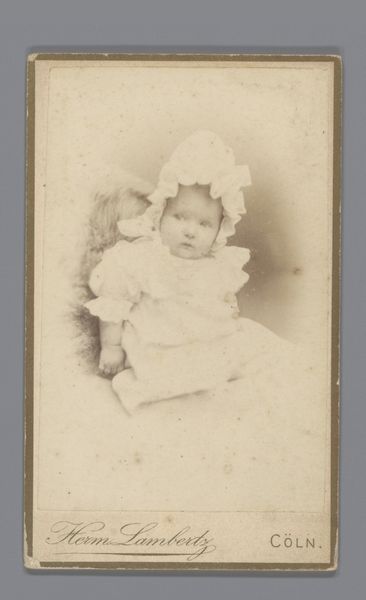
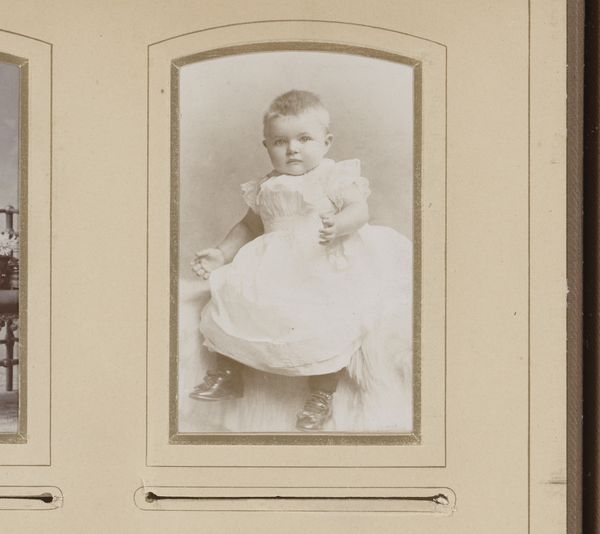
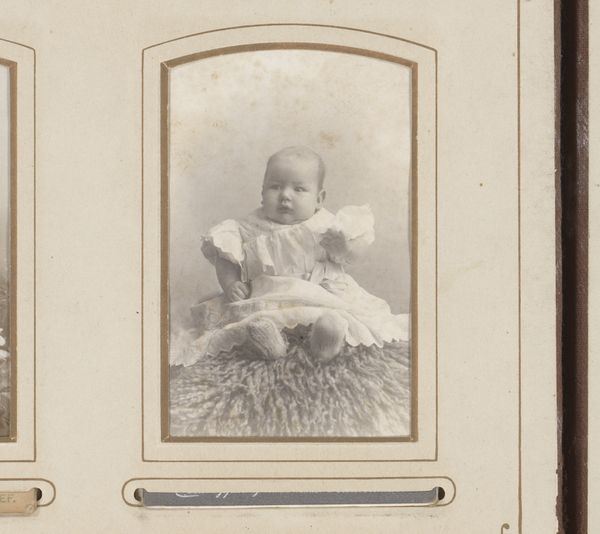
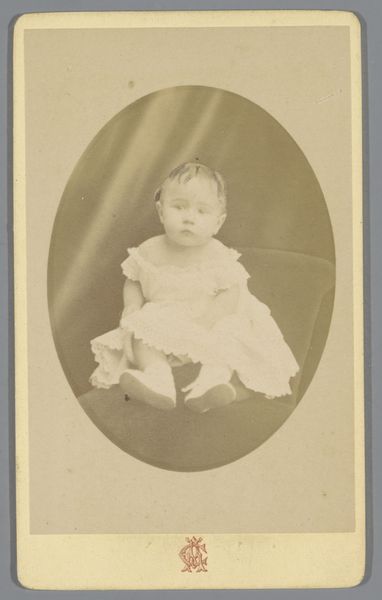
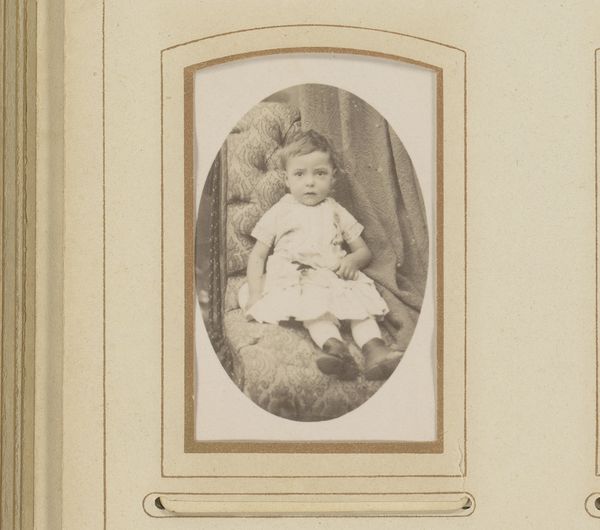
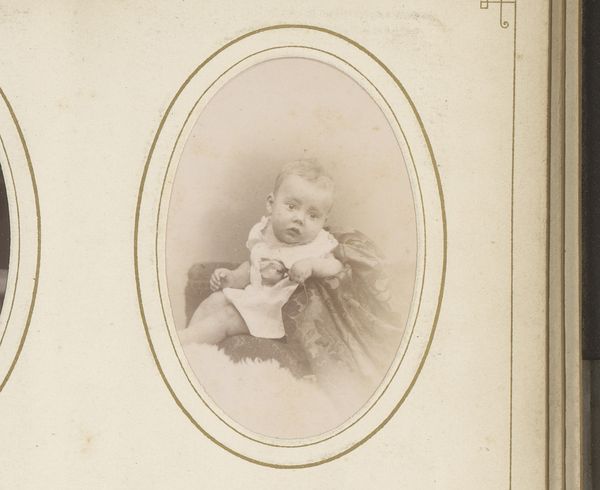
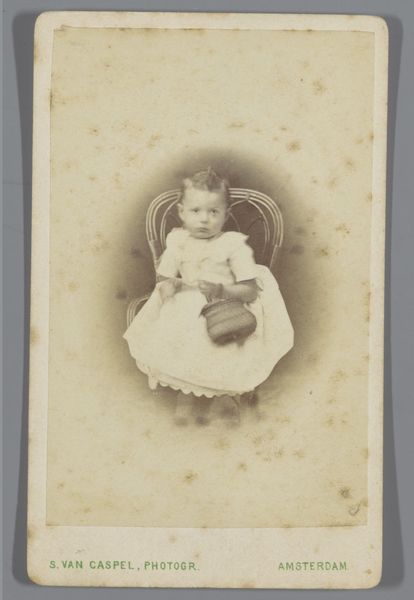
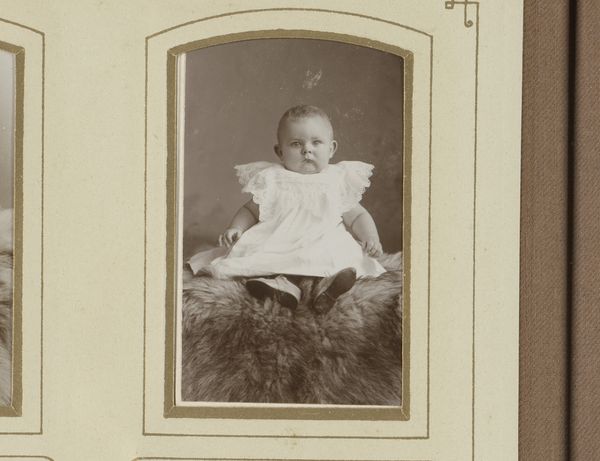
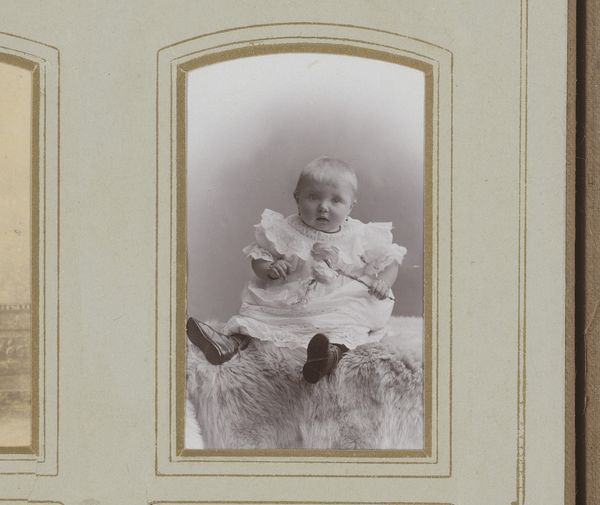
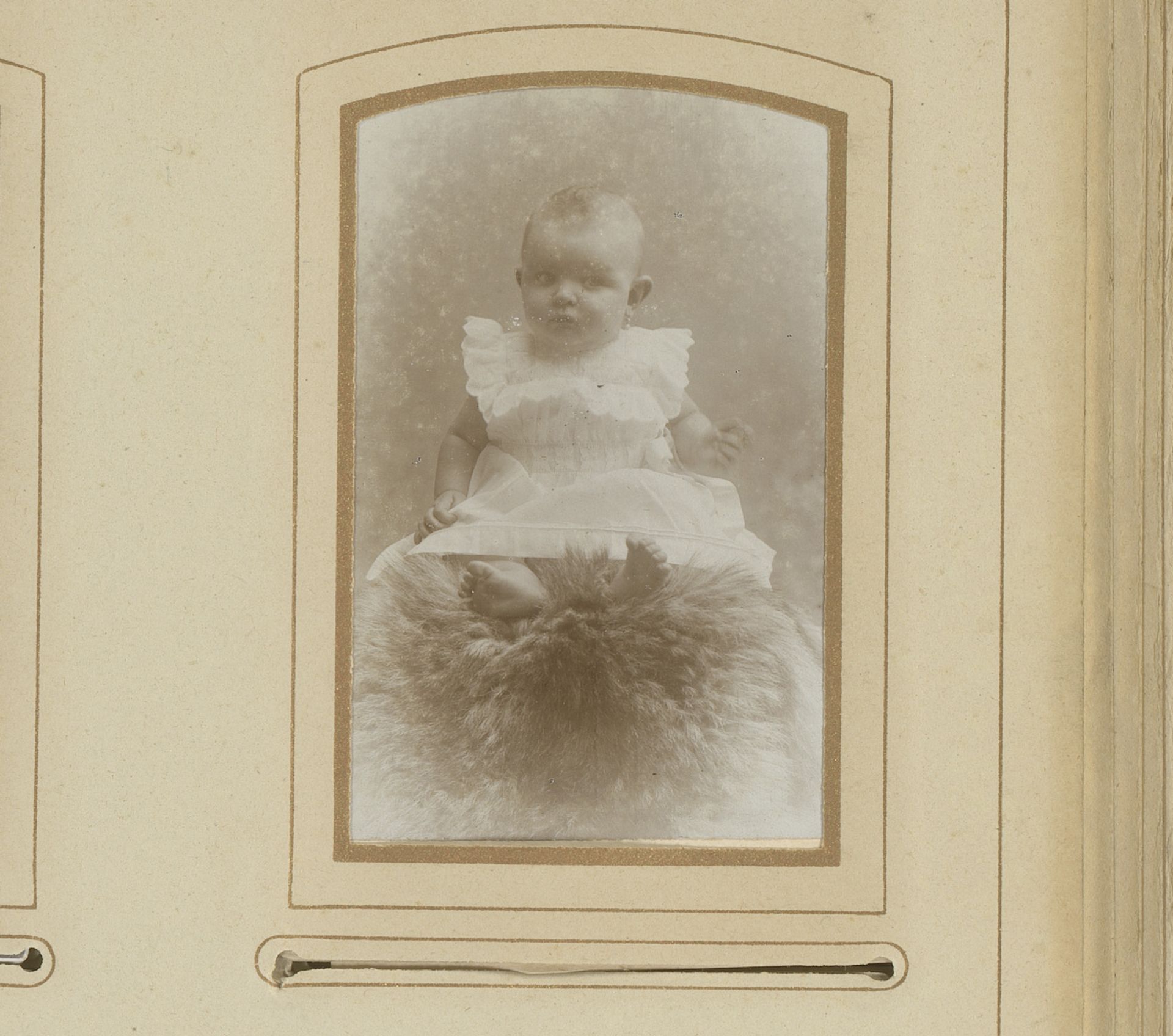
Jan van Roon made this photographic portrait of a sitting girl in a white dress sometime in the early 20th century. It's a small photograph, almost like a miniature, emphasizing the intimacy and tenderness of the subject. The soft sepia tones create a dreamlike atmosphere, and the shallow focus blurs the background, directing our attention to the girl's face and the details of her dress. Notice how the light gently illuminates her features, casting subtle shadows that give depth to her expression. The texture of the fur she's sitting on is palpable, contrasting with the smooth surface of her skin. It reminds me of the work of Julia Margaret Cameron, another photographer who used soft focus and unconventional techniques to create evocative portraits that capture the inner life of her subjects. Like Cameron, van Roon invites us to contemplate the mysteries of childhood and the fleeting nature of time. What do you see?

Artwork details
- Medium
- photography
- Dimensions
- height 81 mm, width 50 mm
- Copyright
- Rijks Museum: Open Domain
Tags
portrait
aged paper
still-life-photography
toned paper
muted colour palette
photography
genre-painting
Comments
No comments
About this artwork
Jan van Roon made this photographic portrait of a sitting girl in a white dress sometime in the early 20th century. It's a small photograph, almost like a miniature, emphasizing the intimacy and tenderness of the subject. The soft sepia tones create a dreamlike atmosphere, and the shallow focus blurs the background, directing our attention to the girl's face and the details of her dress. Notice how the light gently illuminates her features, casting subtle shadows that give depth to her expression. The texture of the fur she's sitting on is palpable, contrasting with the smooth surface of her skin. It reminds me of the work of Julia Margaret Cameron, another photographer who used soft focus and unconventional techniques to create evocative portraits that capture the inner life of her subjects. Like Cameron, van Roon invites us to contemplate the mysteries of childhood and the fleeting nature of time. What do you see?
Comments
No comments