About this artwork
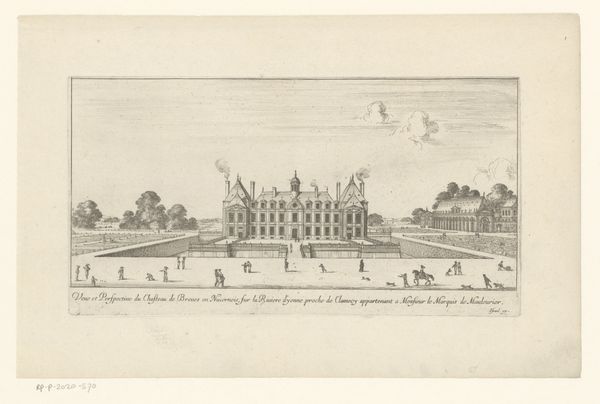
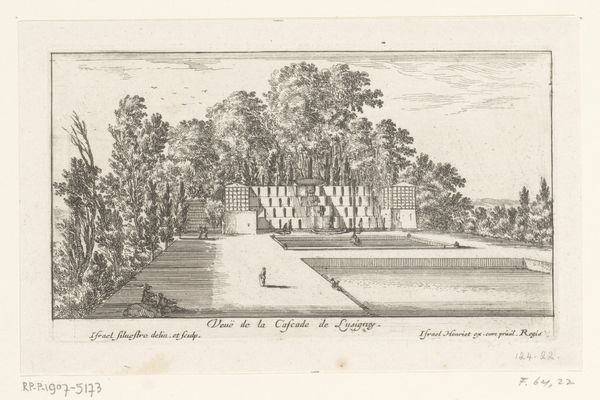
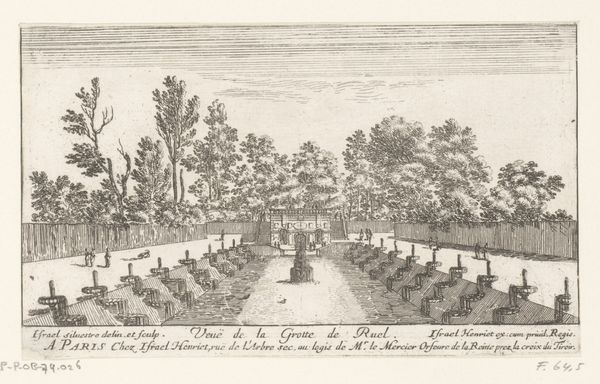
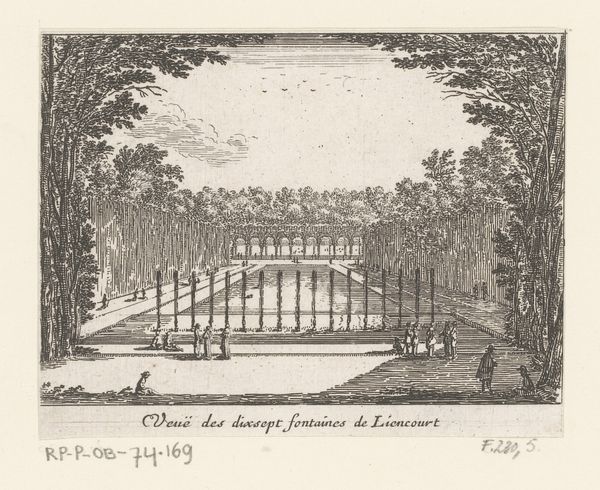
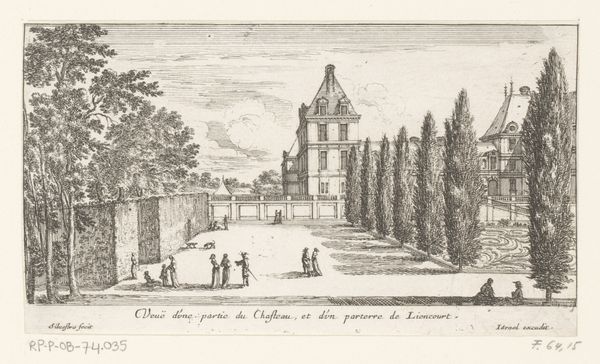
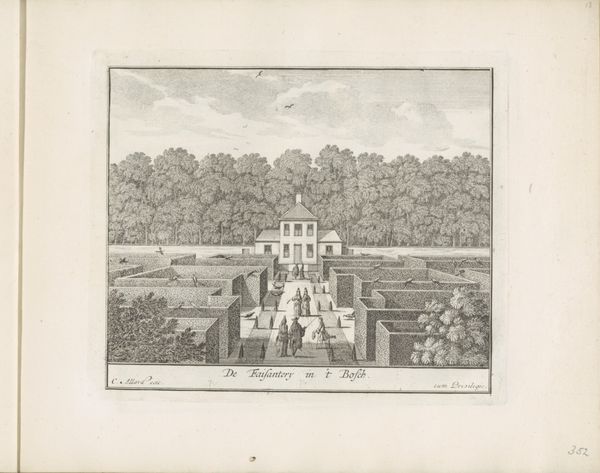
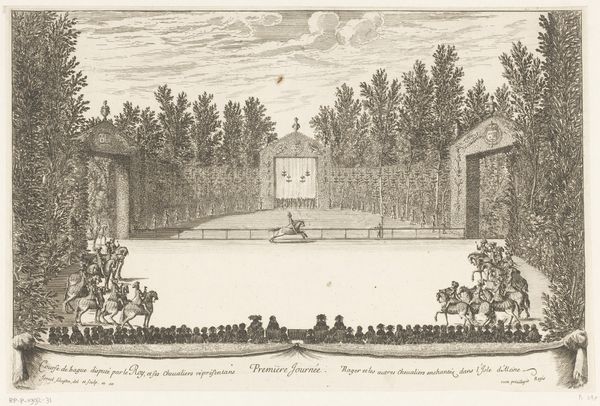
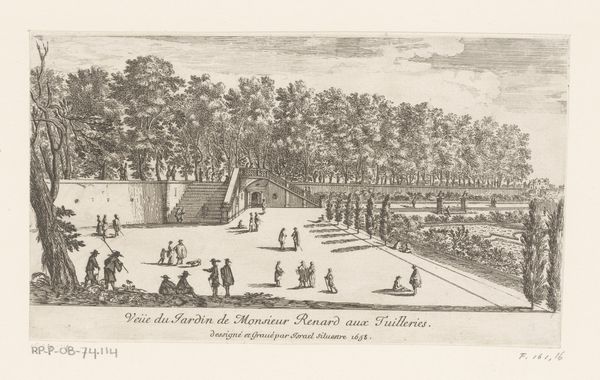
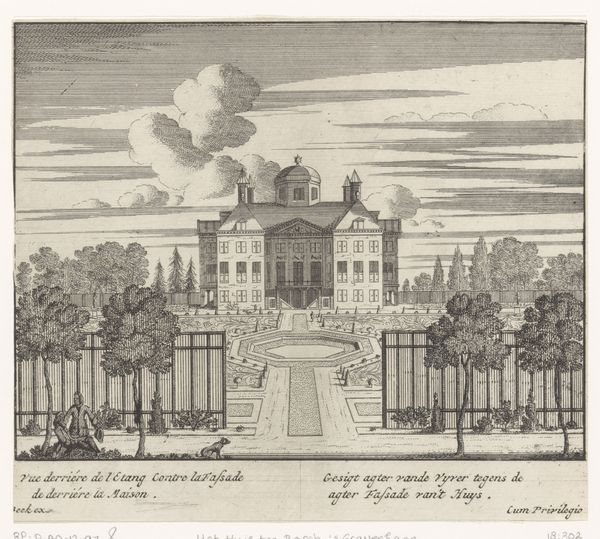
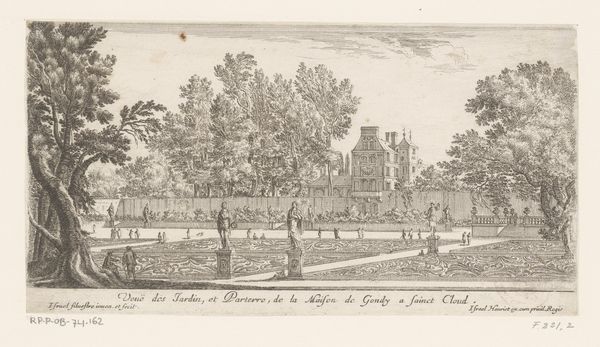
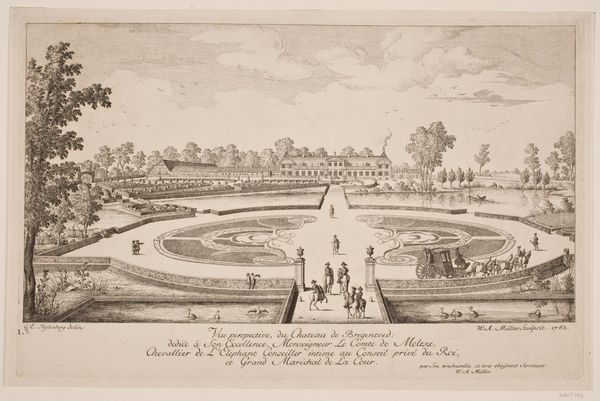
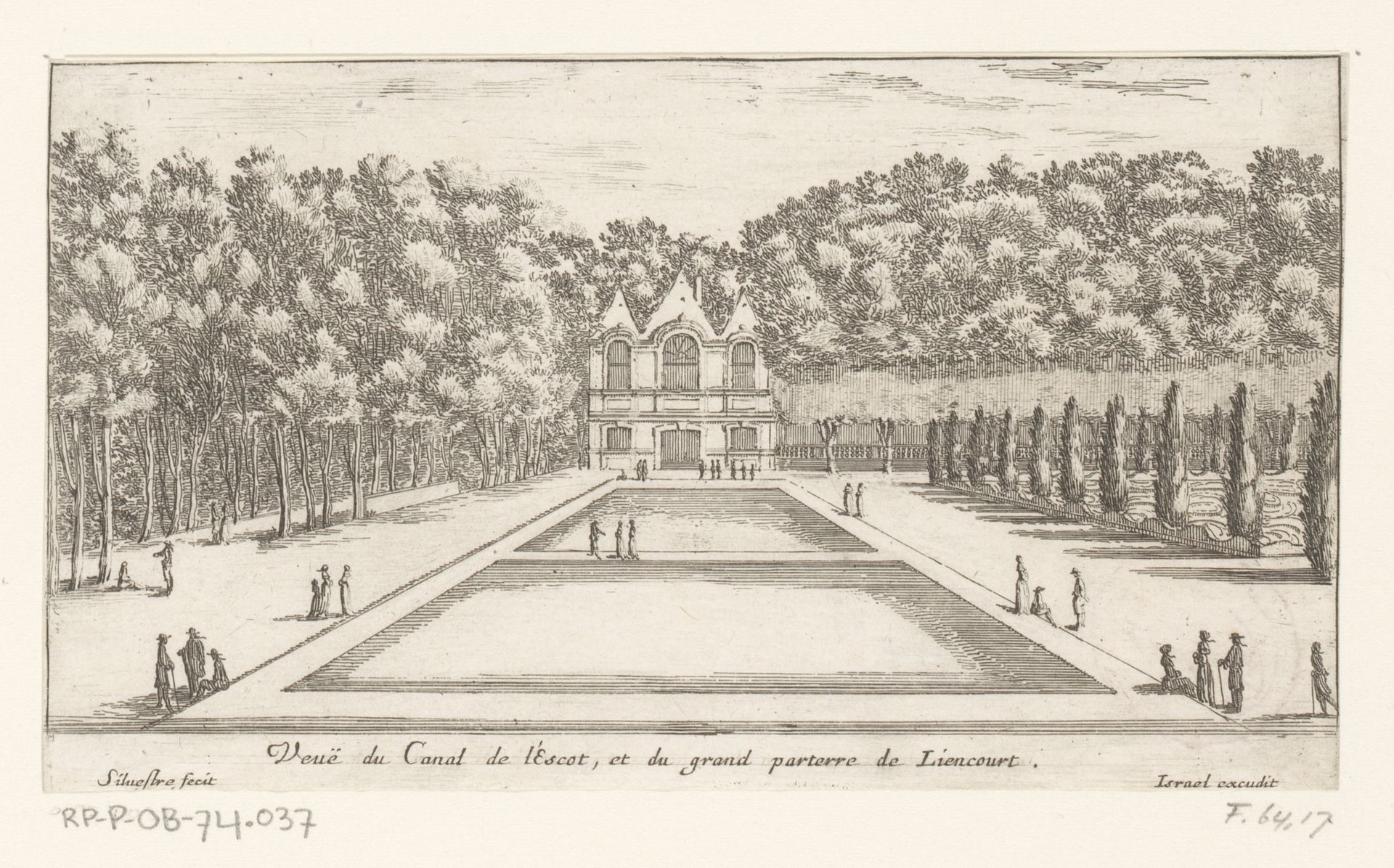
Here we see an etching by Israel Silvestre, made in the 17th century, depicting the gardens of the Château de la Rochefoucauld. The formal garden, with its symmetrical layout and carefully manicured trees, serves as a powerful symbol of man's dominion over nature, a theme resonant with the era's burgeoning scientific and philosophical explorations. This striving for control is a recurring motif throughout art history. Consider the gardens of Versailles, where nature is even more rigorously shaped and structured. This impulse to tame the wild, to bring order to chaos, perhaps reveals a deeper psychological need—a yearning to control our own internal landscapes and anxieties. We see it echoed even in earlier works, such as the walled gardens of medieval tapestries, where a small patch of controlled nature offers refuge from the perceived dangers of the outside world. The formal garden, therefore, becomes a stage upon which human dramas unfold, a mirror reflecting our desires, fears, and the timeless quest for meaning. This quest, this powerful emotion, engages viewers on a deep, subconscious level, as the rigid order contrasts with the inherent wildness of nature. This cyclical progression resurfaces through the ages, each time evolving and taking on new meanings.
Gezicht op de tuinen van kasteel Rochefoucauld 1652

Israel Silvestre
1621 - 1691Location
RijksmuseumArtwork details
- Medium
- print, etching, engraving
- Dimensions
- height 95 mm, width 168 mm
- Location
- Rijksmuseum
- Copyright
- Rijks Museum: Open Domain
Tags
baroque
etching
old engraving style
landscape
cityscape
engraving
Comments
No comments
About this artwork
Here we see an etching by Israel Silvestre, made in the 17th century, depicting the gardens of the Château de la Rochefoucauld. The formal garden, with its symmetrical layout and carefully manicured trees, serves as a powerful symbol of man's dominion over nature, a theme resonant with the era's burgeoning scientific and philosophical explorations. This striving for control is a recurring motif throughout art history. Consider the gardens of Versailles, where nature is even more rigorously shaped and structured. This impulse to tame the wild, to bring order to chaos, perhaps reveals a deeper psychological need—a yearning to control our own internal landscapes and anxieties. We see it echoed even in earlier works, such as the walled gardens of medieval tapestries, where a small patch of controlled nature offers refuge from the perceived dangers of the outside world. The formal garden, therefore, becomes a stage upon which human dramas unfold, a mirror reflecting our desires, fears, and the timeless quest for meaning. This quest, this powerful emotion, engages viewers on a deep, subconscious level, as the rigid order contrasts with the inherent wildness of nature. This cyclical progression resurfaces through the ages, each time evolving and taking on new meanings.
Comments
No comments