About this artwork
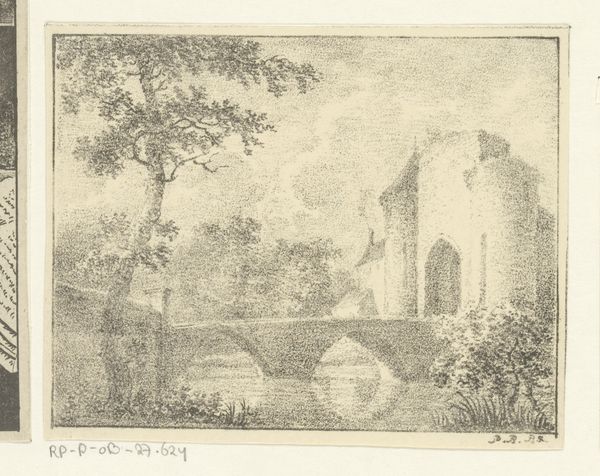
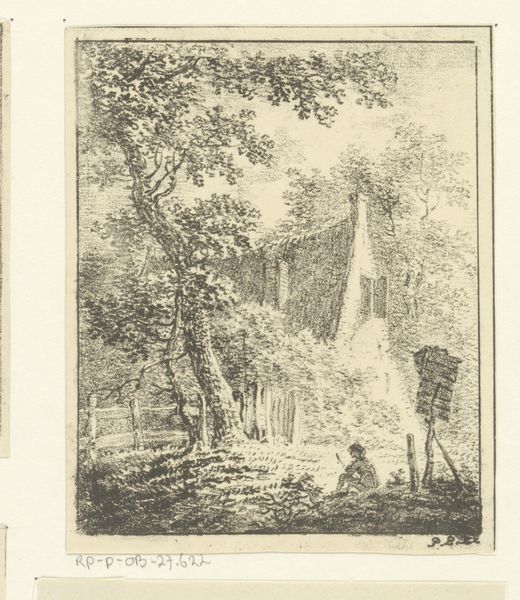
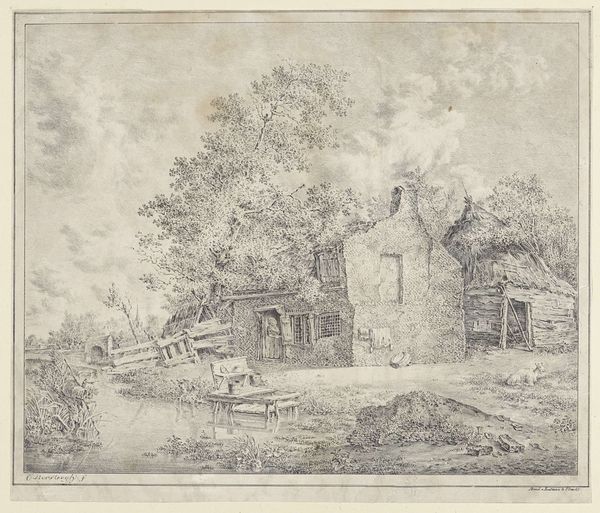
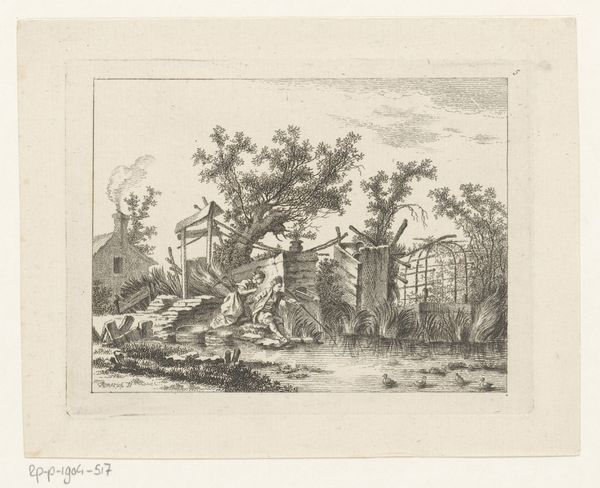
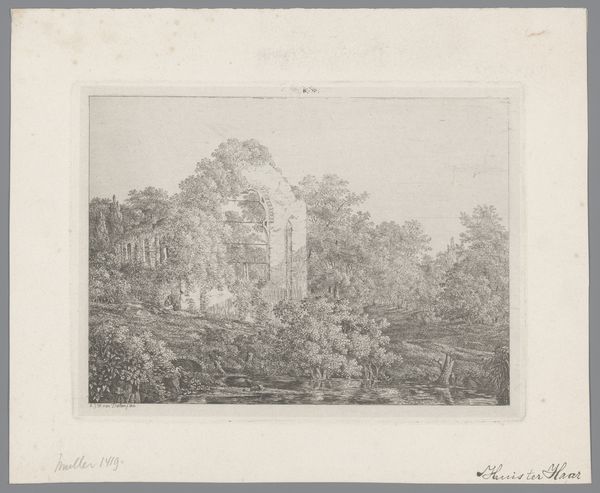
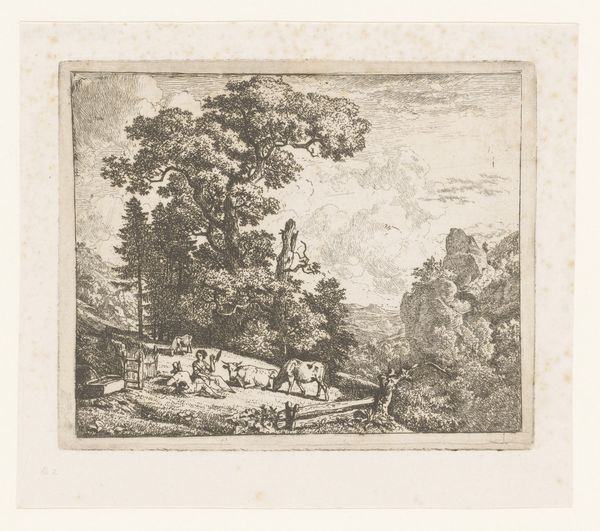
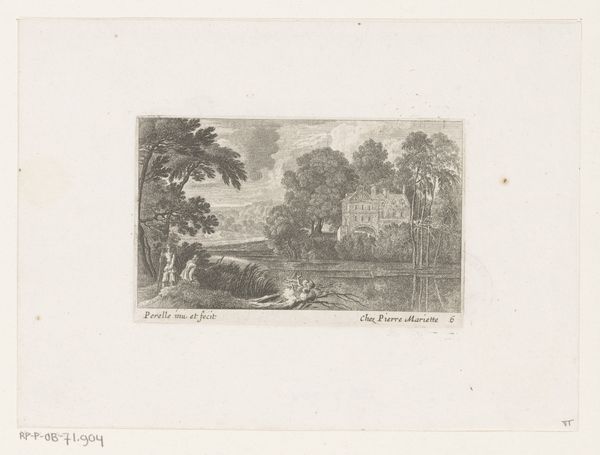
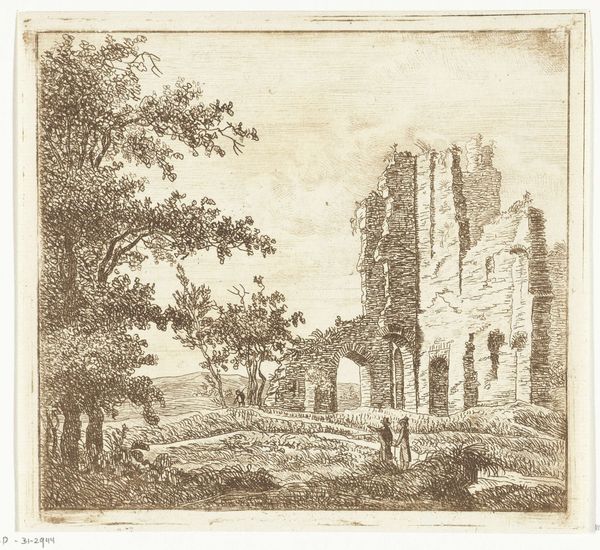
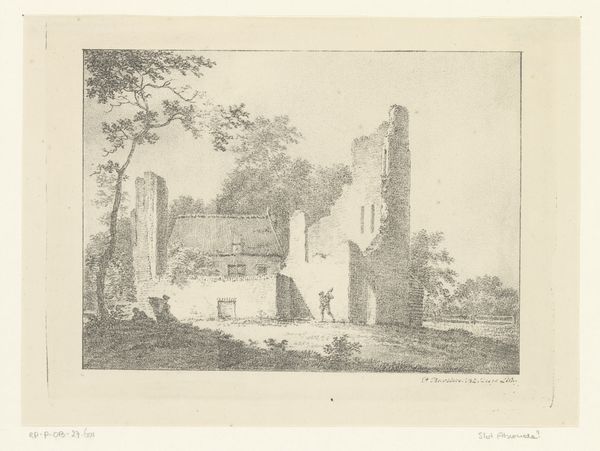
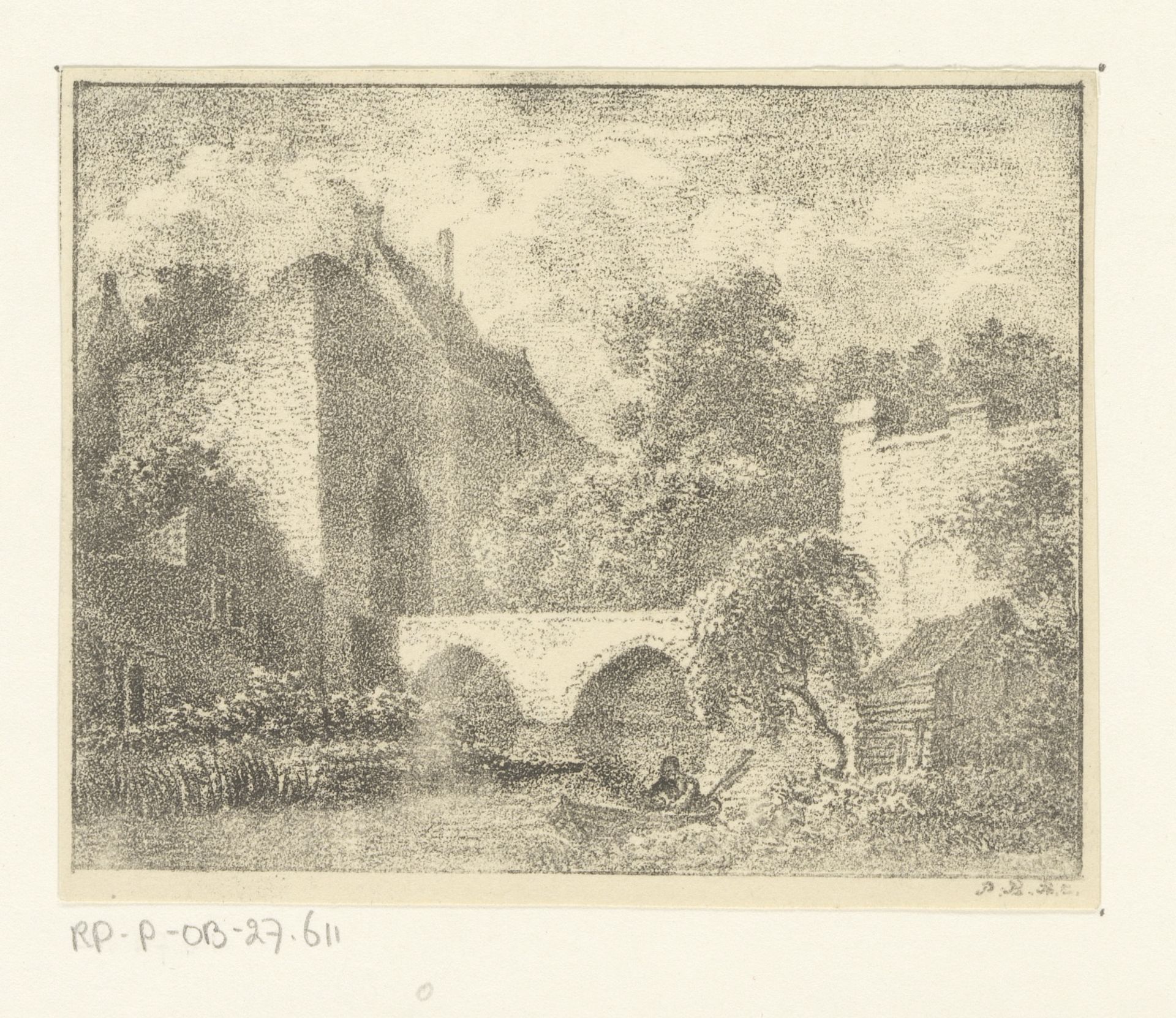
Pieter Barbiers’ landscape etching features a bridge and a fort, common motifs in Dutch art. These elements transcend mere geography; they symbolize connection and security, deeply rooted in the Dutch psyche, particularly during times of conflict and transition. The bridge, an age-old symbol, reappears throughout history as a metaphor for transition. Consider the Roman pontifex, the bridge-builder, a sacred role linking the earthly and divine realms. Here, it mirrors the shifting landscapes of the Netherlands as it navigates both land and water. The fort is a recurring symbol representing defense and stability. The interplay between these symbols speaks to the delicate balance between movement and stability. Observe how these enduring symbols are not static, but undergo constant evolution, shaped by the collective memory of a culture. The fort and bridge aren’t just architectural features; they’re powerful forces that engage us on a subconscious level, evoking deep emotional responses that transcend time. As you delve deeper into art, note how these images have resurfaced, evolved, and taken on new meanings.
Landschap met fort en brug
1809 - 1837

Pieter Bartholomeusz. Barbiers
1772 - 1837Location
RijksmuseumArtwork details
- Medium
- drawing, print, graphite
- Dimensions
- height 100 mm, width 127 mm
- Location
- Rijksmuseum
- Copyright
- Rijks Museum: Open Domain
Tags
Comments
Share your thoughts
About this artwork
Pieter Barbiers’ landscape etching features a bridge and a fort, common motifs in Dutch art. These elements transcend mere geography; they symbolize connection and security, deeply rooted in the Dutch psyche, particularly during times of conflict and transition. The bridge, an age-old symbol, reappears throughout history as a metaphor for transition. Consider the Roman pontifex, the bridge-builder, a sacred role linking the earthly and divine realms. Here, it mirrors the shifting landscapes of the Netherlands as it navigates both land and water. The fort is a recurring symbol representing defense and stability. The interplay between these symbols speaks to the delicate balance between movement and stability. Observe how these enduring symbols are not static, but undergo constant evolution, shaped by the collective memory of a culture. The fort and bridge aren’t just architectural features; they’re powerful forces that engage us on a subconscious level, evoking deep emotional responses that transcend time. As you delve deeper into art, note how these images have resurfaced, evolved, and taken on new meanings.
Comments
Share your thoughts