1733 - 1789
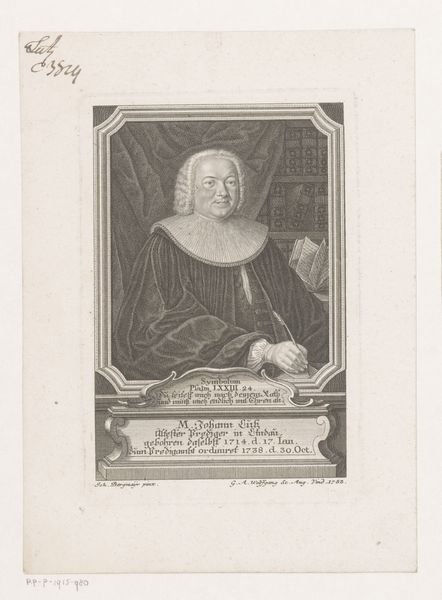
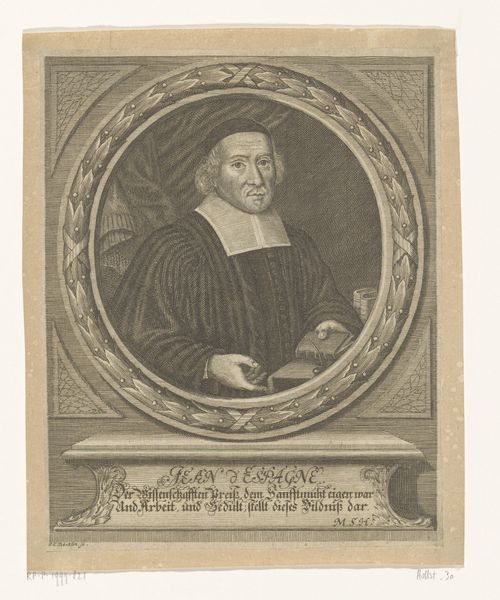
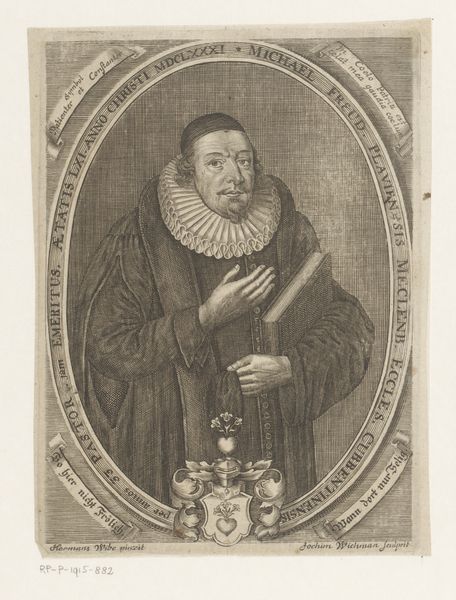
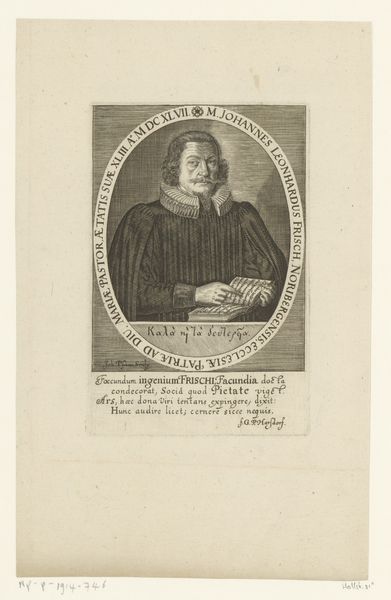
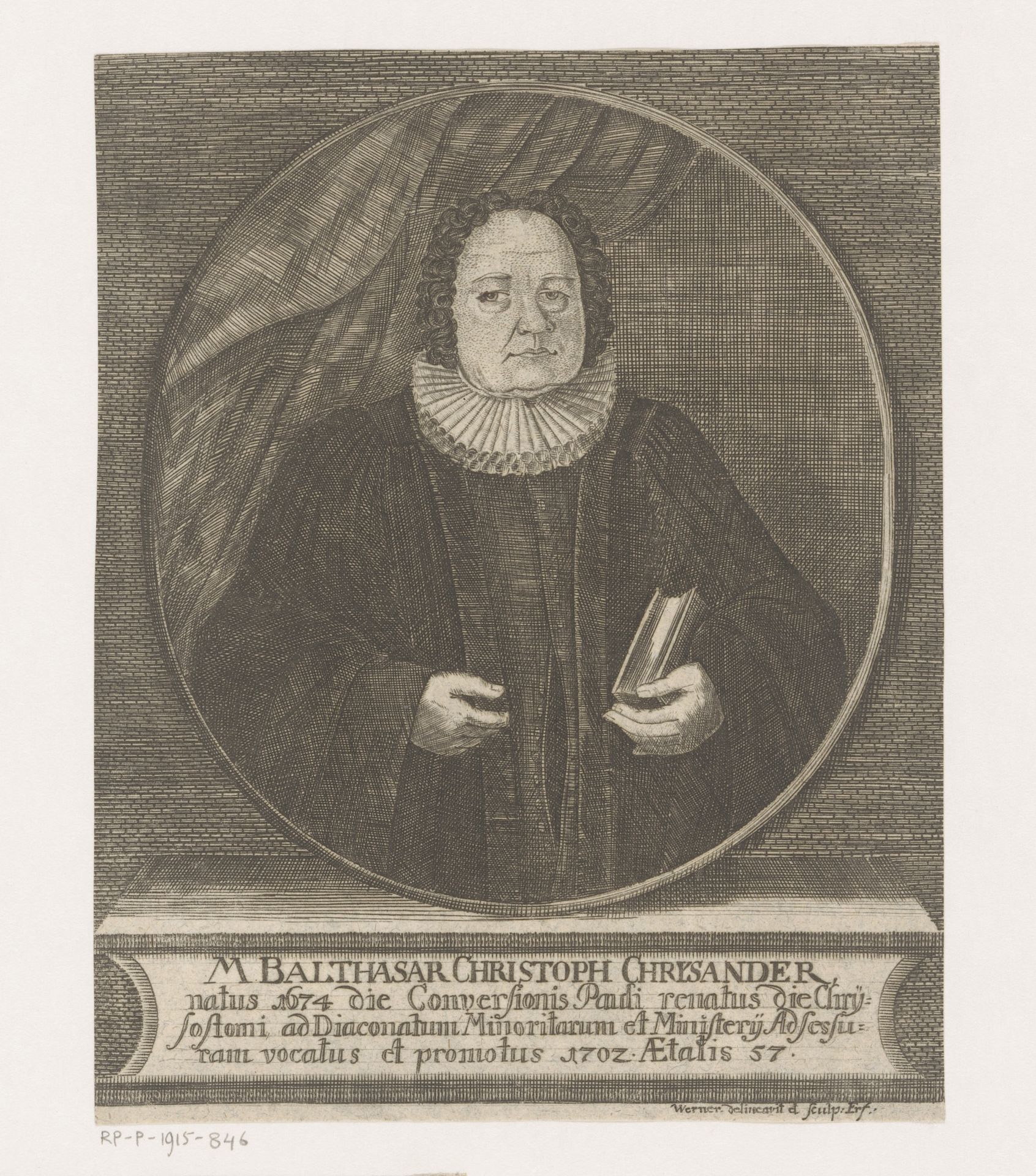
Portret van Balthasar Christoph Chrysander

Georg Heinrich Werner
1723 - 1789Location
RijksmuseumListen to curator's interpretation
Curatorial notes
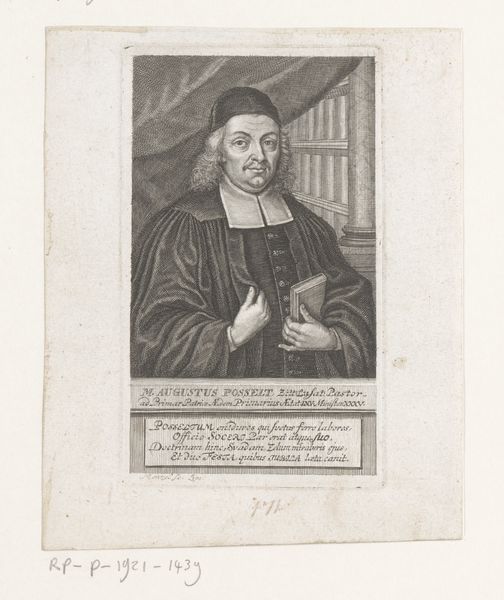
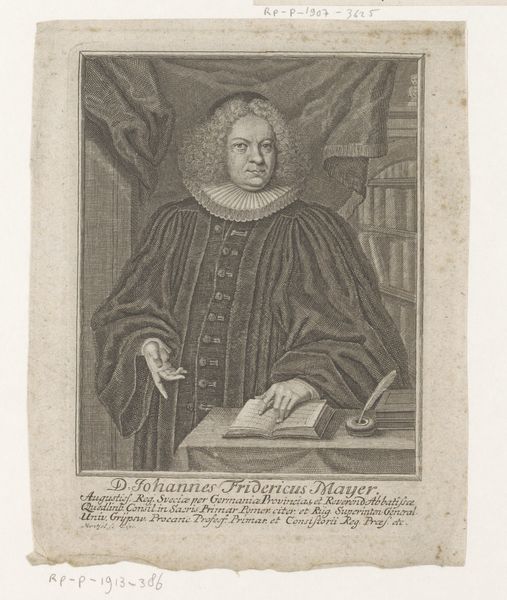
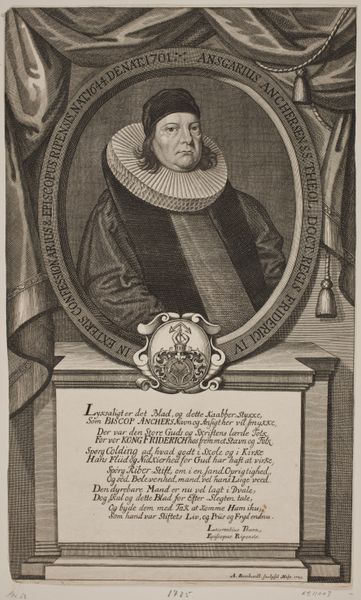
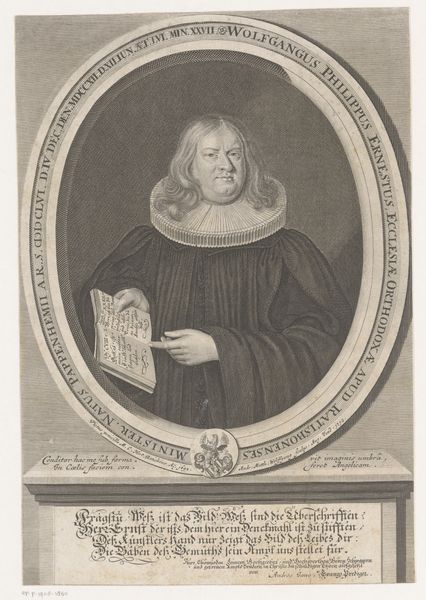
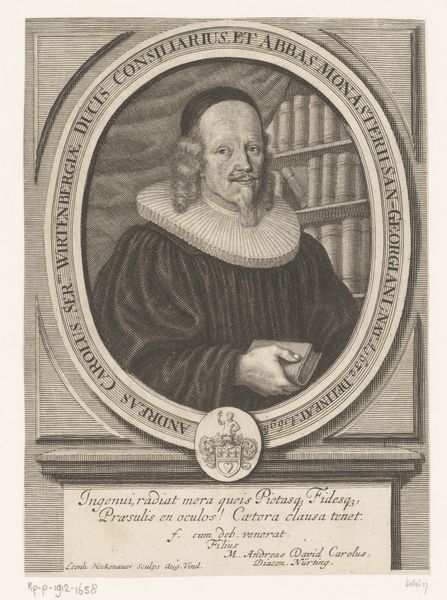
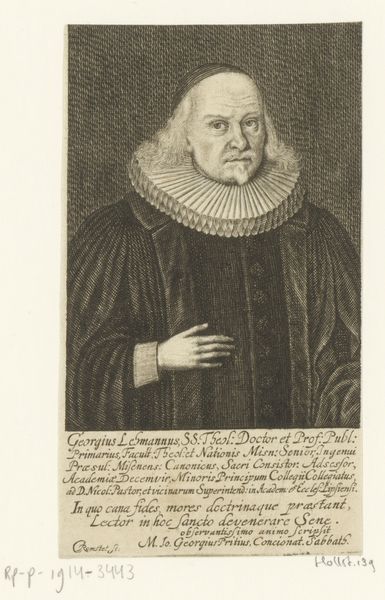
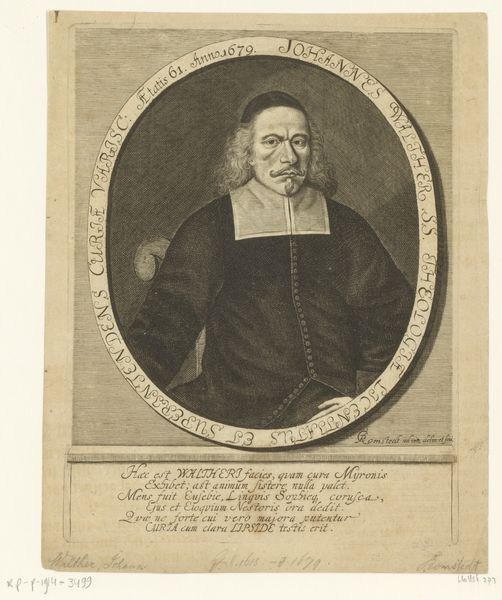
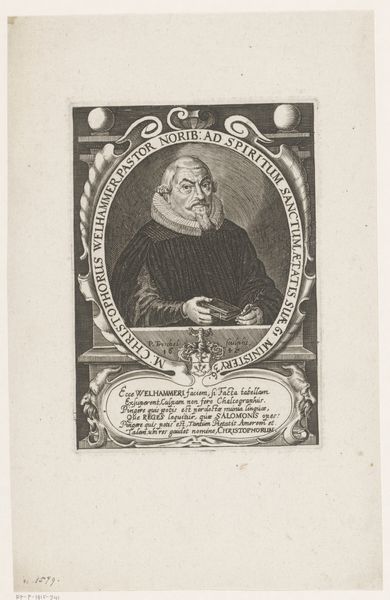
This is Georg Heinrich Werner’s portrait of Balthasar Christoph Chrysander, made as an engraving. It is a print, made by incising lines into a metal plate, inking the surface, and then using a press to transfer the image onto paper. Look closely and you can see how the density of lines creates the illusion of shading and three-dimensionality. The engraver’s skill is especially evident in the rendering of the face, the ruffled collar, and the folds of the curtain behind the figure. Engraving was a painstaking process, requiring hours of labor to produce a single plate. The resulting prints, like this one, were relatively inexpensive, and circulated widely. As such, the engraving played a crucial role in disseminating images and ideas in the 18th century. This portrait is not just a likeness of an individual, but also a testament to the power of printmaking in shaping public perception and cultural memory. It reminds us that art is not just about individual genius, but also about the social and economic conditions that make its production and distribution possible.