1635 - 1636
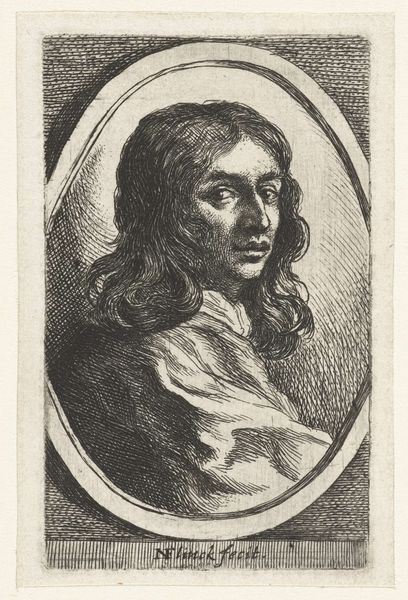
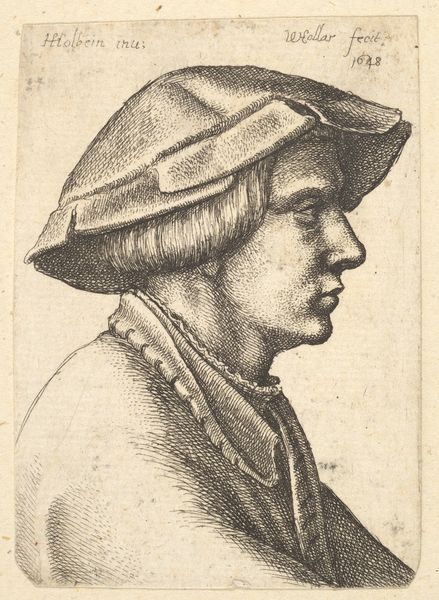
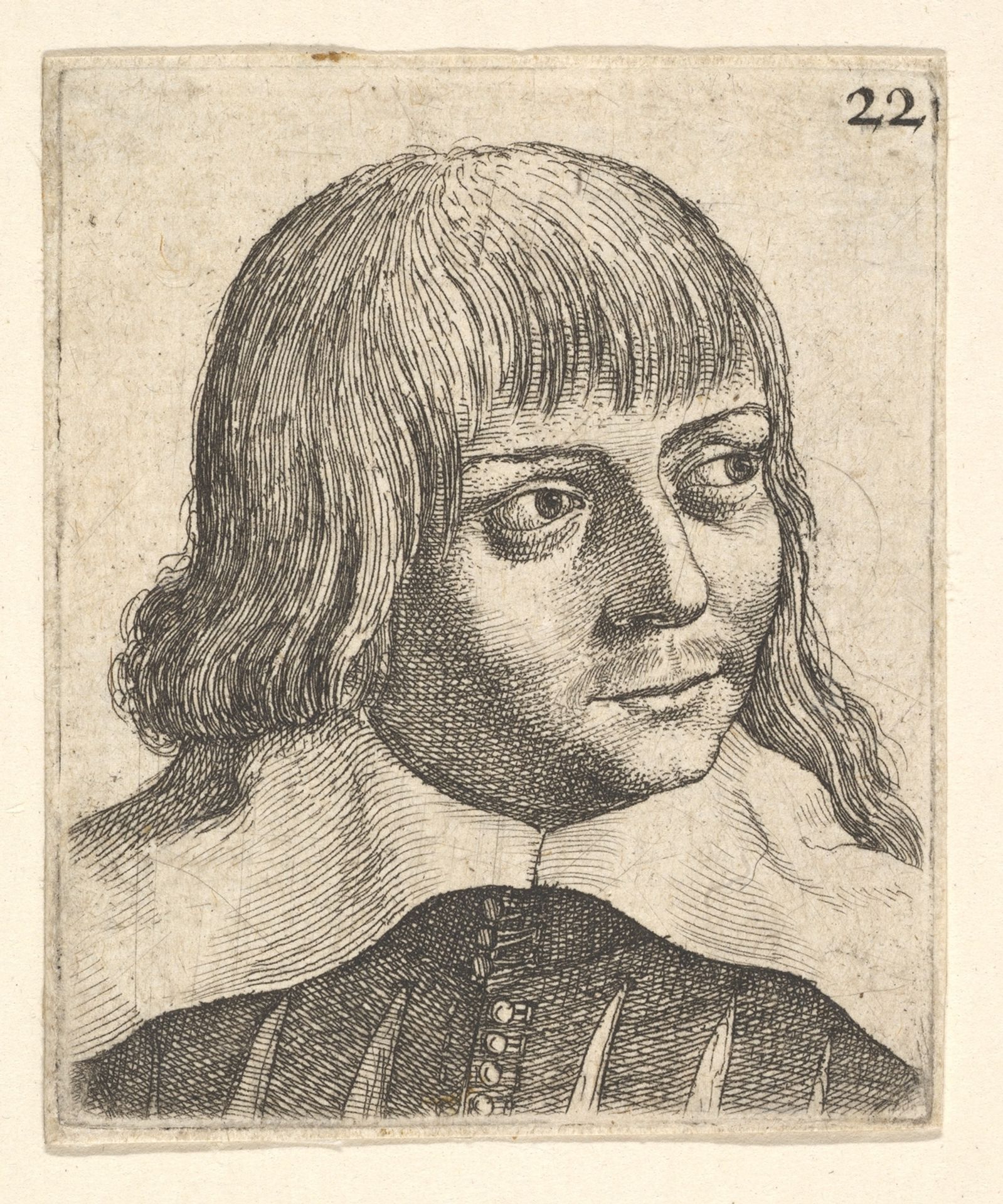
Head of a young man, turned slightly to right


Listen to curator's interpretation
Curatorial notes
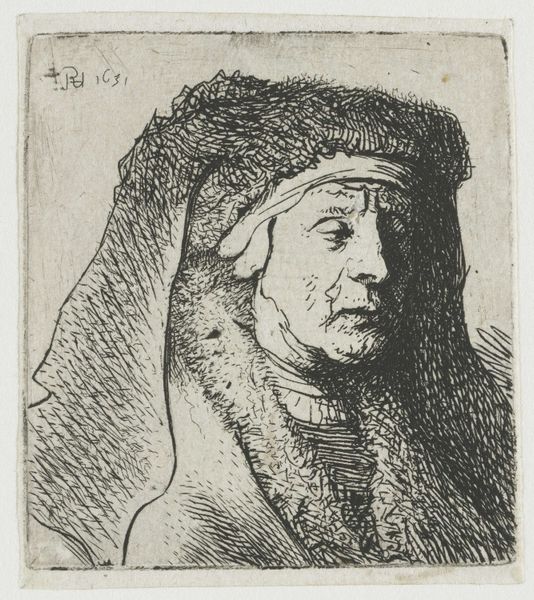
Wenceslaus Hollar created this small etching, ‘Head of a Young Man,’ during the 17th century. The subject’s gaze, averted to the right, draws us into the image, suggesting a world beyond the frame, a narrative unfolding elsewhere. This pose echoes across centuries. Think of ancient Roman portraiture, where a similar turning of the head signifies thoughtfulness or destiny. Consider, too, the subject’s flowing hair. Hair carries potent symbolic weight –strength, virility, freedom. From the unbound locks of a maenad in a Dionysian frenzy, to the carefully arranged styles denoting status in Renaissance portraits, hair speaks volumes. This boy's flowing locks hint at both youth and a certain untamed spirit. Observe how Hollar's delicate lines capture a fleeting moment of introspection. It’s a visual echo resonating with the enduring human quest for self-understanding. These images recur, carrying with them layers of cultural memory, each new iteration adding to the rich tapestry of human expression.