1639 - 1700
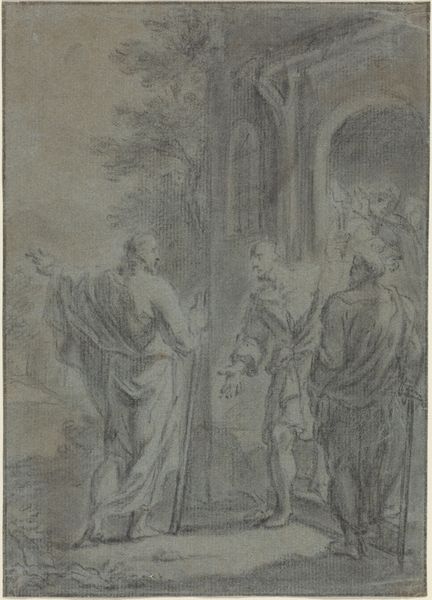
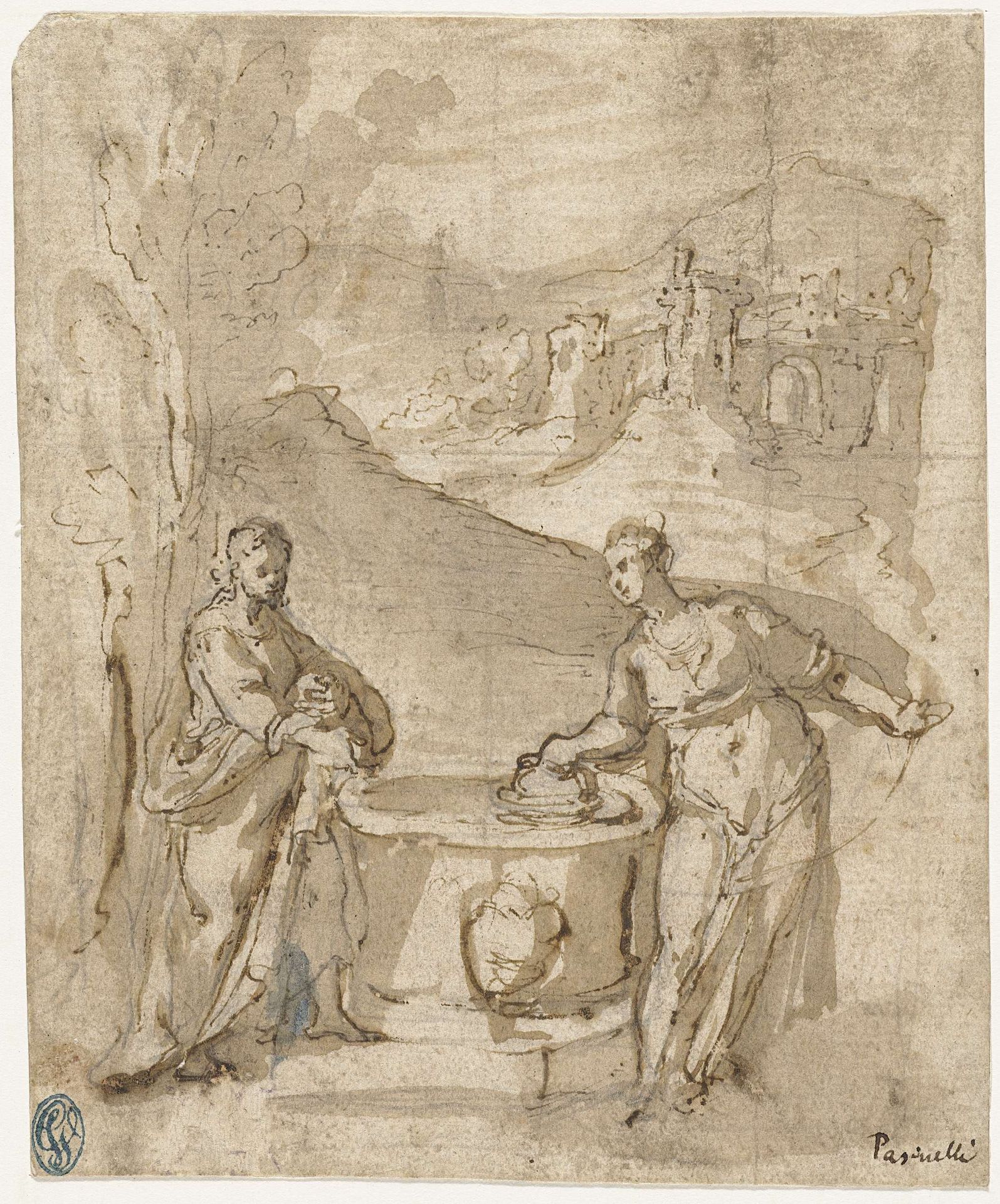
Christus en de Samaritaanse vrouw

Listen to curator's interpretation
Curatorial notes
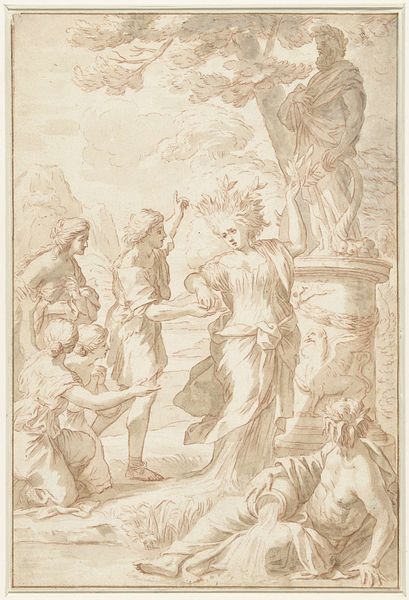
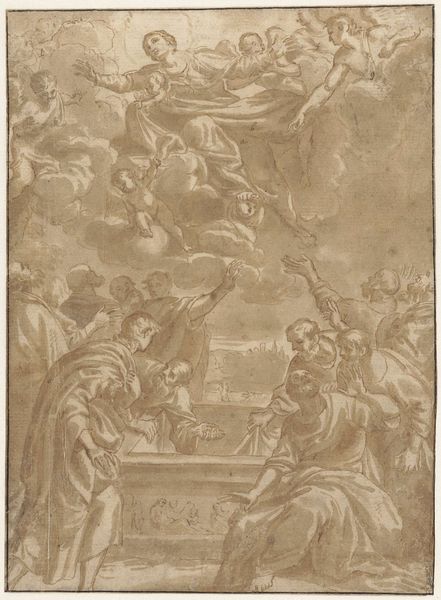
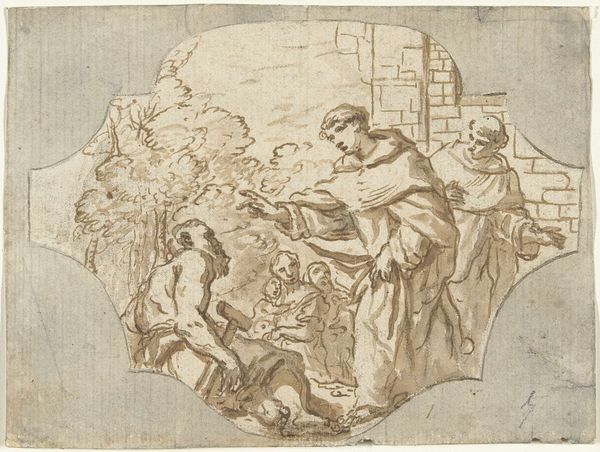
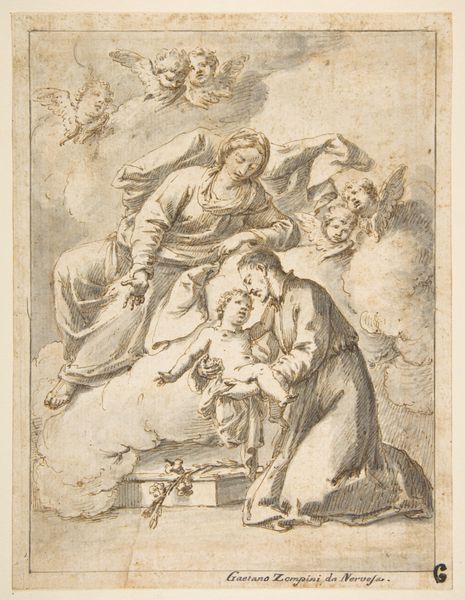
Lorenzo Pasinelli sketched this image of Christ and the Samaritan woman in pen and brown ink wash on paper, probably sometime in the late 17th century. It illustrates the Gospel story of Jesus asking a Samaritan woman for water from a well, a transgressive act given the social and religious norms of the time. Pasinelli was from Bologna, a city with a rich artistic tradition shaped by its religious institutions and noble families. In Pasinelli's time, Bologna was part of the Papal States, which gave the Catholic Church significant influence. The city's artistic output often reflected these influences, aiming to educate and inspire religious devotion through idealized depictions and moral lessons. The church played a central role in shaping artistic patronage, with the most powerful positions going to those who catered to its ideals. To understand Pasinelli’s career, historians can look at archival records, religious texts, and contemporary accounts to gain a deeper insight into the social and institutional contexts that shaped his artistic vision. The image's meaning is contingent on social and institutional context.