About this artwork
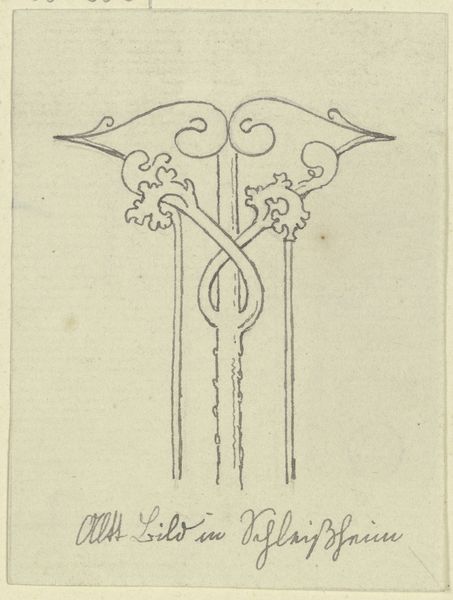
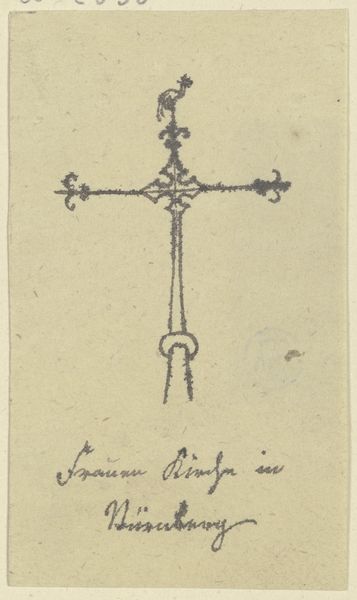
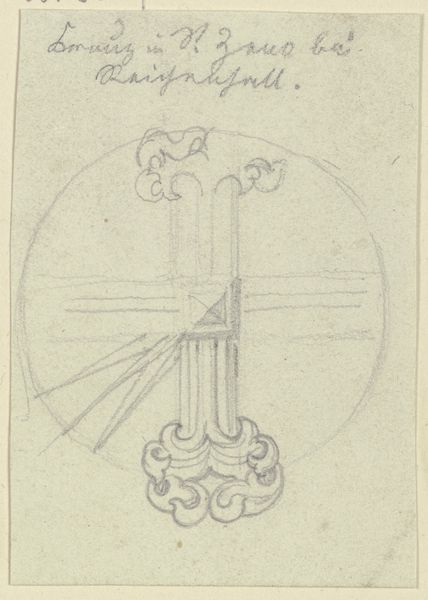
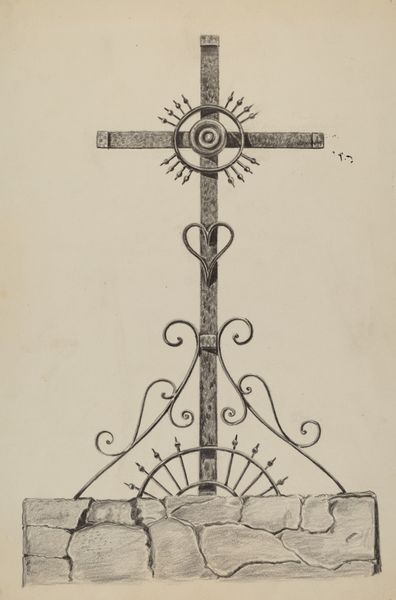
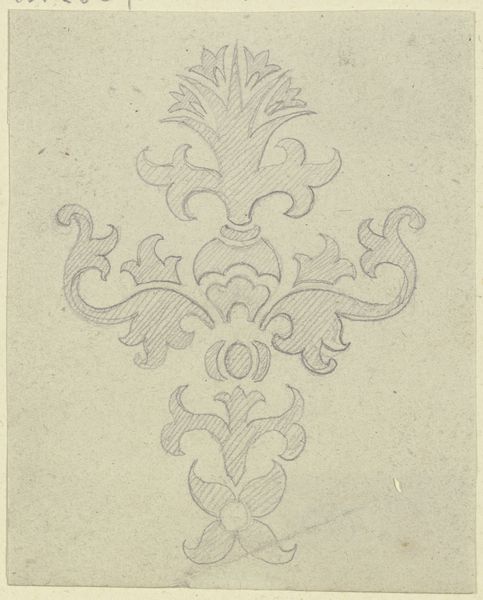
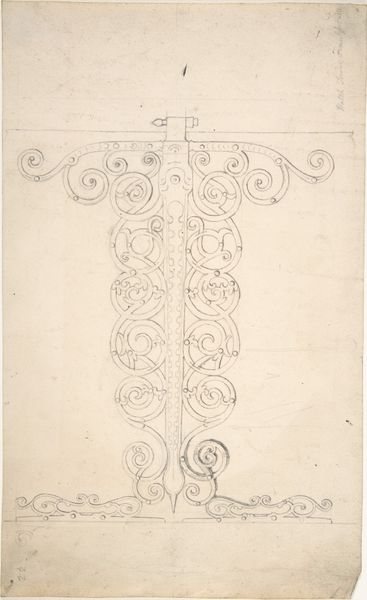
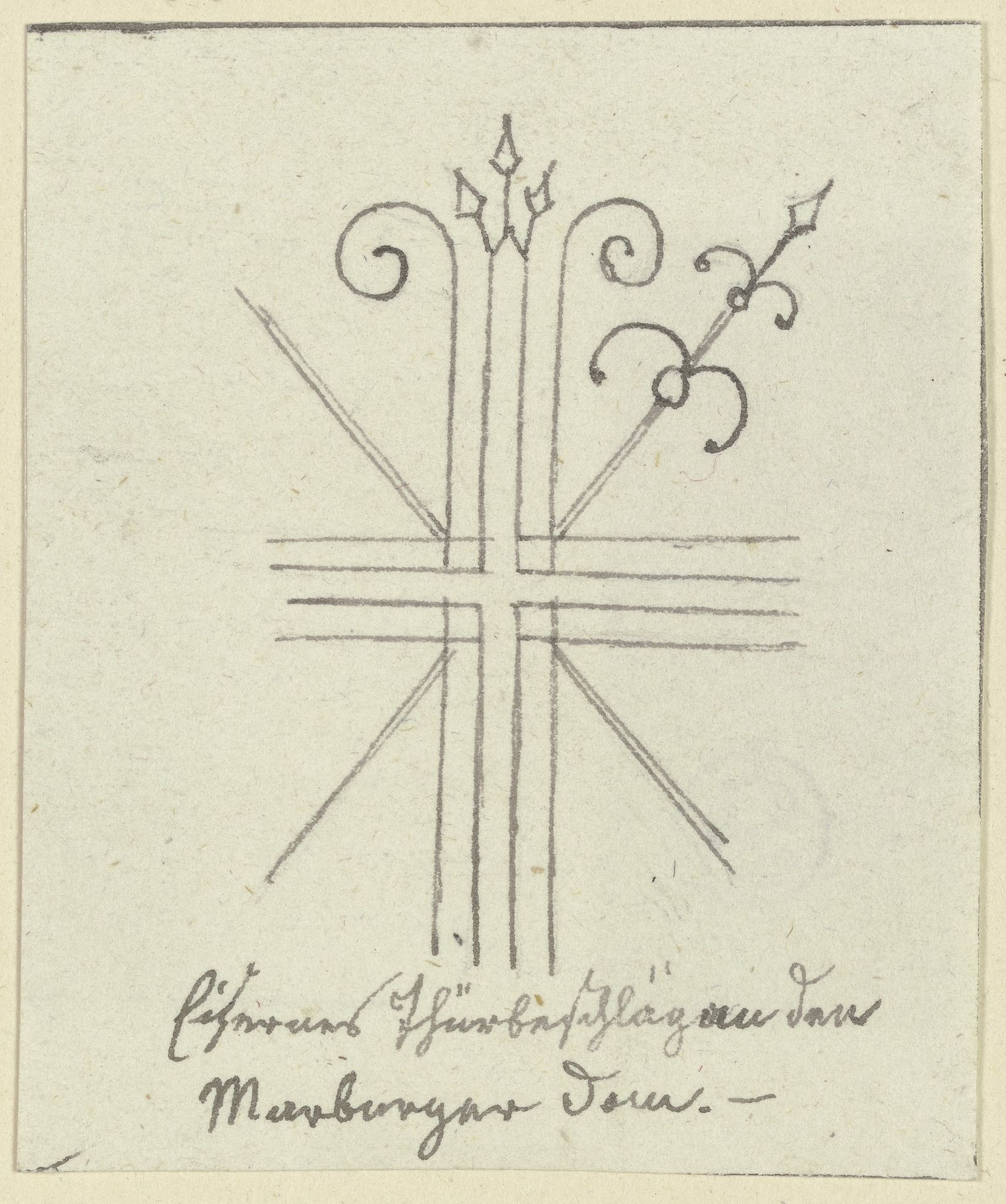
Karl Ballenberger sketched this door fitting of Marburg Cathedral in the 19th century. Dominating the image is a cross, a symbol of profound religious significance in Christianity, representing sacrifice, redemption, and faith. Yet, the cross form echoes far beyond Christian iconography. We see it in ancient cosmologies, symbolizing the meeting point of the celestial and terrestrial, the intersection of divine and human realms. Consider the ancient Egyptian Ankh, a cross surmounted by a loop, symbolizing life itself, or even the simple plus sign, a universal marker of addition and increase. The emotional resonance of the cross lies in its stark simplicity, its ability to evoke complex emotions – from sorrow and suffering to hope and salvation. This seemingly simple emblem becomes a potent carrier of cultural memory. The cross is not merely a static symbol but a dynamic force, constantly evolving in meaning and emotional impact across centuries.


Artwork details
- Medium
- drawing, ink, architecture
- Location
- Städel Museum
- Copyright
- Public Domain
Tags
Comments
Share your thoughts
About this artwork
Karl Ballenberger sketched this door fitting of Marburg Cathedral in the 19th century. Dominating the image is a cross, a symbol of profound religious significance in Christianity, representing sacrifice, redemption, and faith. Yet, the cross form echoes far beyond Christian iconography. We see it in ancient cosmologies, symbolizing the meeting point of the celestial and terrestrial, the intersection of divine and human realms. Consider the ancient Egyptian Ankh, a cross surmounted by a loop, symbolizing life itself, or even the simple plus sign, a universal marker of addition and increase. The emotional resonance of the cross lies in its stark simplicity, its ability to evoke complex emotions – from sorrow and suffering to hope and salvation. This seemingly simple emblem becomes a potent carrier of cultural memory. The cross is not merely a static symbol but a dynamic force, constantly evolving in meaning and emotional impact across centuries.
Comments
Share your thoughts