About this artwork
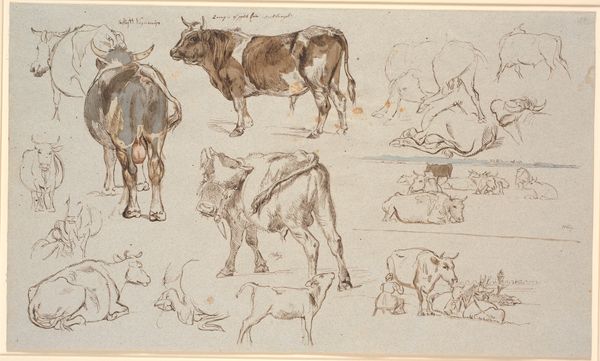
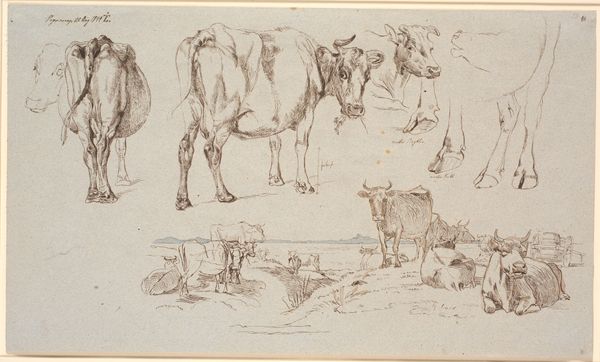
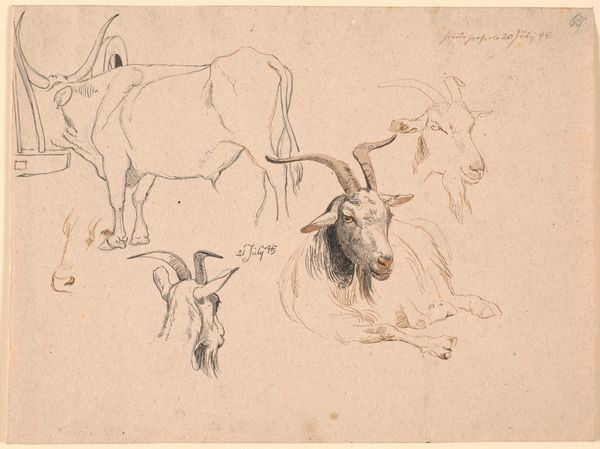
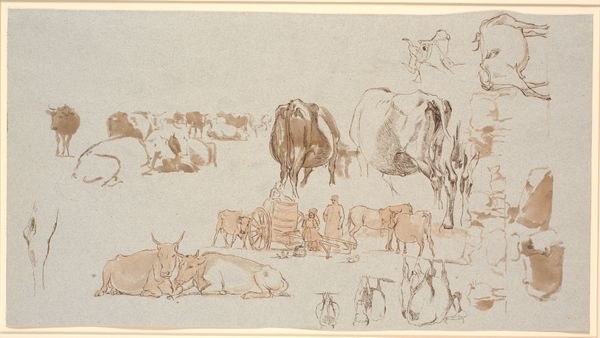
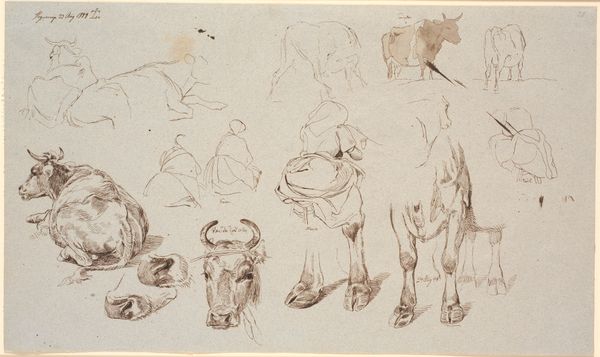
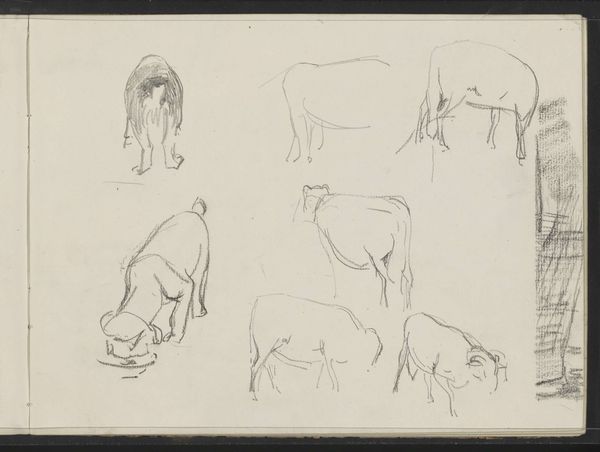
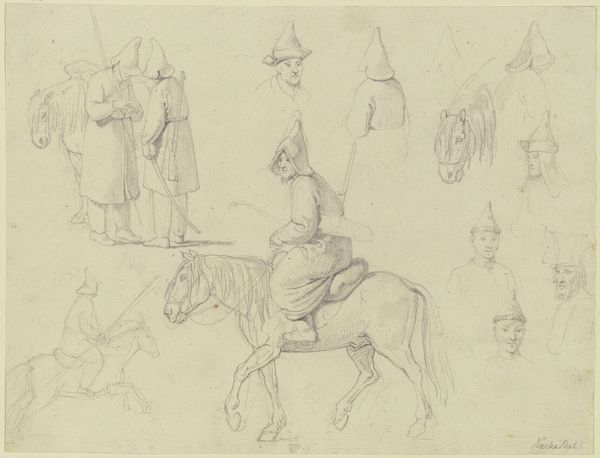
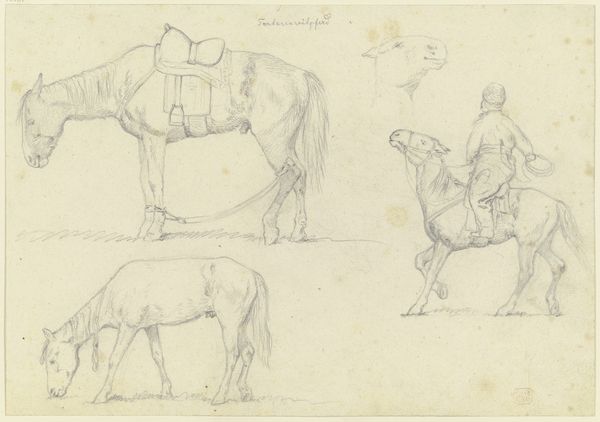
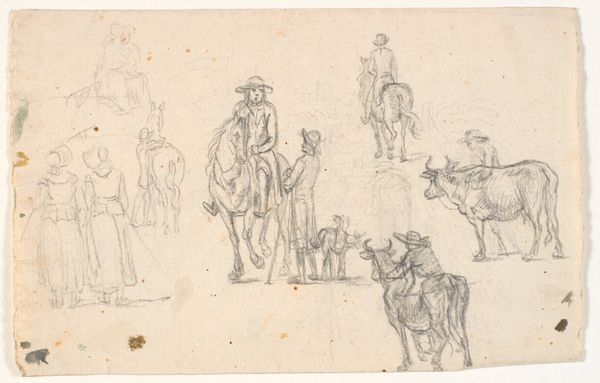
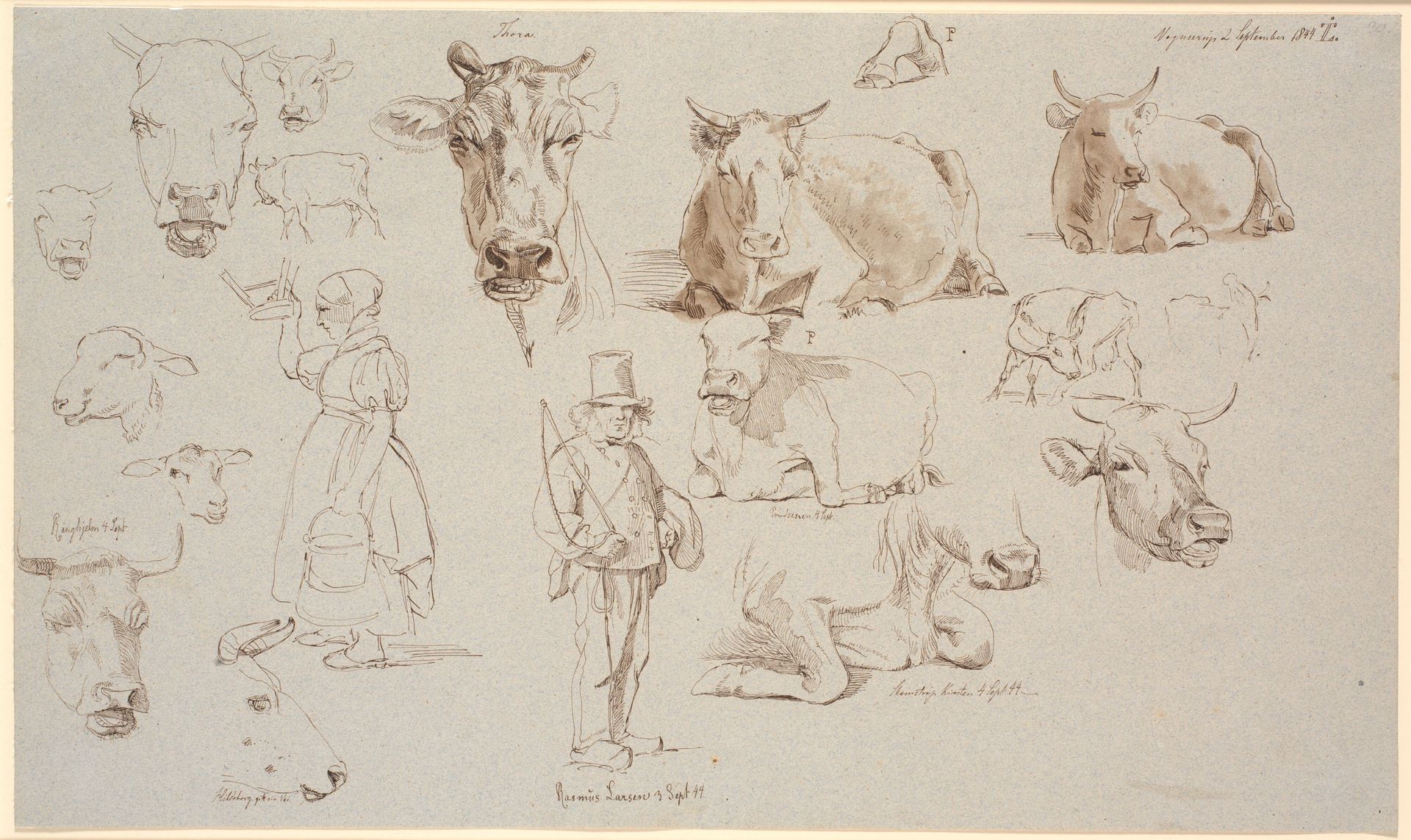
This drawing was made by Johan Thomas Lundbye in the 19th century. It captures studies of cows and sheep alongside figures in the Danish countryside. The cow, a central motif here, is an ancient symbol. From the Egyptian goddess Hathor, depicted with bovine features, to the sacred cows of Hinduism, it represents nourishment, fertility, and maternal power. Notice how Lundbye’s cows are rendered with a gentle realism. This connects to the ancient artistic traditions where the animal was venerated and imbued with divine qualities. The pastoral figures, the milkmaid and the herder, remind us of classical Arcadia. These figures are not merely workers, but also symbols of a simple, virtuous life close to nature. The symbolism, passed down through countless generations, is not static. It evolves, accumulating new layers of meaning. The enduring power of these images engages us on a subconscious level, evoking a longing for a harmonious existence. As we journey through time, these symbols resurface, transformed yet still resonating with primal emotions and universal truths.
Studieblad fra Vognserup. Studier af køer og af to fårehoveder samt af stående malkepige og en røgter
1844


Artwork details
- Medium
- drawing, ink, pen
- Dimensions
- 321 mm (height) x 543 mm (width) (bladmaal)
- Location
- SMK - Statens Museum for Kunst
Tags
Comments
Share your thoughts
About this artwork
This drawing was made by Johan Thomas Lundbye in the 19th century. It captures studies of cows and sheep alongside figures in the Danish countryside. The cow, a central motif here, is an ancient symbol. From the Egyptian goddess Hathor, depicted with bovine features, to the sacred cows of Hinduism, it represents nourishment, fertility, and maternal power. Notice how Lundbye’s cows are rendered with a gentle realism. This connects to the ancient artistic traditions where the animal was venerated and imbued with divine qualities. The pastoral figures, the milkmaid and the herder, remind us of classical Arcadia. These figures are not merely workers, but also symbols of a simple, virtuous life close to nature. The symbolism, passed down through countless generations, is not static. It evolves, accumulating new layers of meaning. The enduring power of these images engages us on a subconscious level, evoking a longing for a harmonious existence. As we journey through time, these symbols resurface, transformed yet still resonating with primal emotions and universal truths.
Comments
Share your thoughts