About this artwork
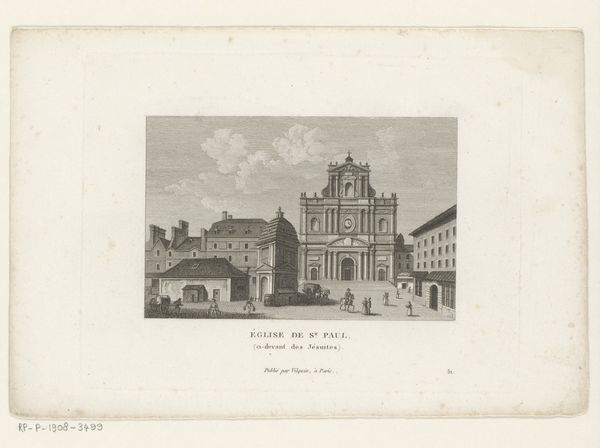
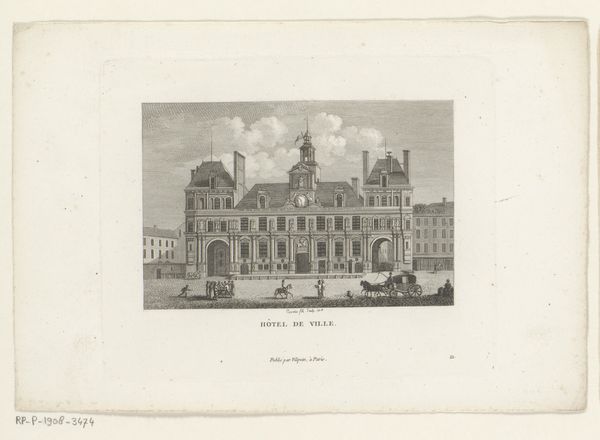
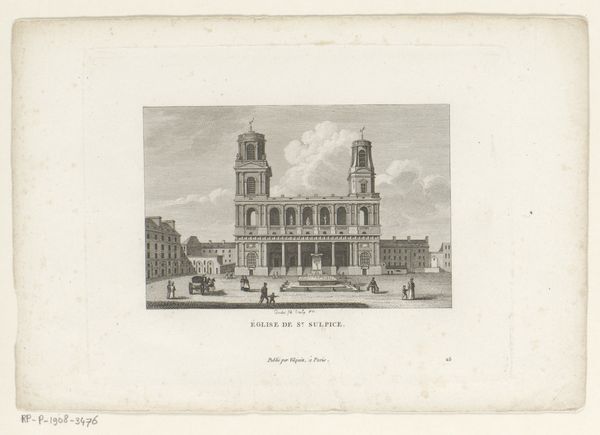
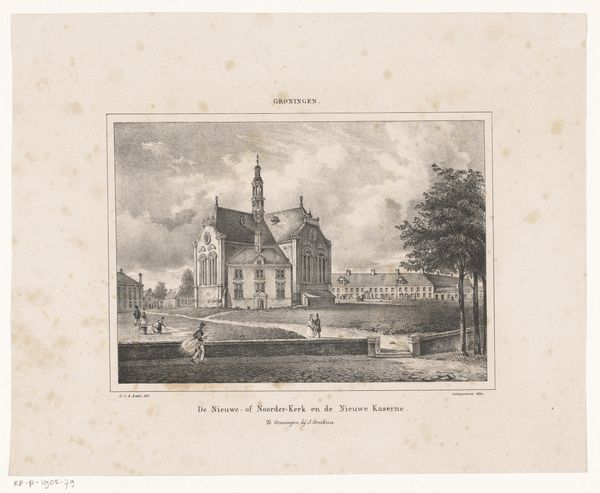
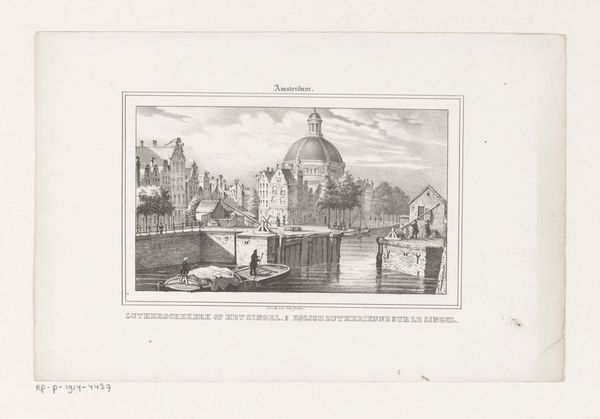
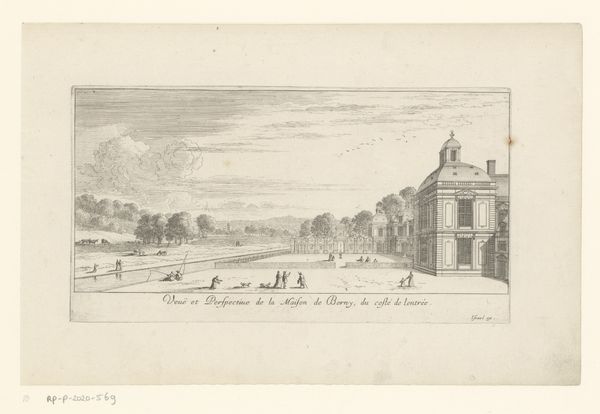
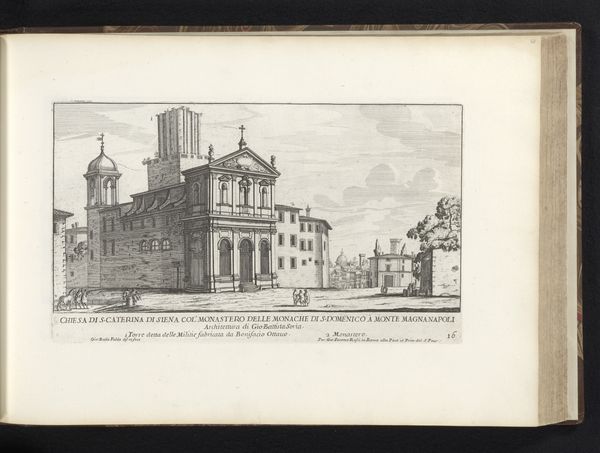
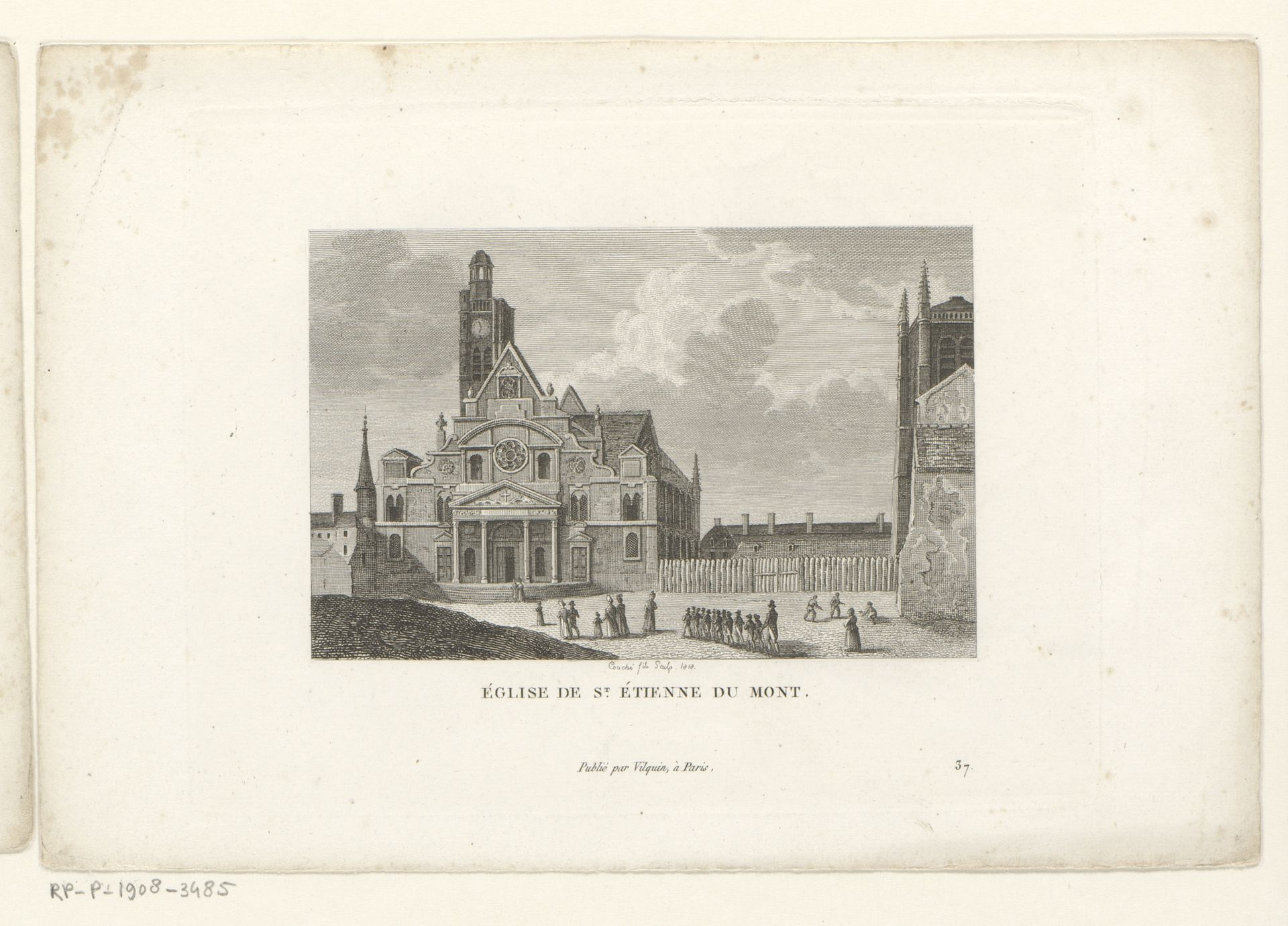
François Louis Couché made this print of the Saint-Étienne-du-Mont church in Paris using etching and burin. Prints like these played a crucial role in shaping the cultural landscape of 19th-century Europe. During this period, Paris was a hub of artistic and intellectual ferment, witnessing rapid urban development and social change. As institutions such as museums and academies of art gained prominence, images circulated widely through print media. Prints served not only as records of architectural marvels but also as tools for shaping public perception and national identity. Couché’s image of the church is interesting when considering the politics of imagery. Was he simply documenting an architectural landmark, or was he also making a statement about the role of religion in French society? By studying the historical context and cultural associations, we can better understand the social forces that shaped its creation and reception. The print is a product of a particular moment in time, influenced by specific cultural and institutional factors.
Gezicht op de Saint-Étienne-du-Mont te Parijs 1818

François Louis Couché
1782 - 1849Location
RijksmuseumArtwork details
- Medium
- print, paper, engraving
- Dimensions
- height 125 mm, width 160 mm
- Location
- Rijksmuseum
- Copyright
- Rijks Museum: Open Domain
Tags
neoclacissism
paper
cityscape
engraving
Comments
No comments
About this artwork
François Louis Couché made this print of the Saint-Étienne-du-Mont church in Paris using etching and burin. Prints like these played a crucial role in shaping the cultural landscape of 19th-century Europe. During this period, Paris was a hub of artistic and intellectual ferment, witnessing rapid urban development and social change. As institutions such as museums and academies of art gained prominence, images circulated widely through print media. Prints served not only as records of architectural marvels but also as tools for shaping public perception and national identity. Couché’s image of the church is interesting when considering the politics of imagery. Was he simply documenting an architectural landmark, or was he also making a statement about the role of religion in French society? By studying the historical context and cultural associations, we can better understand the social forces that shaped its creation and reception. The print is a product of a particular moment in time, influenced by specific cultural and institutional factors.
Comments
No comments