About this artwork
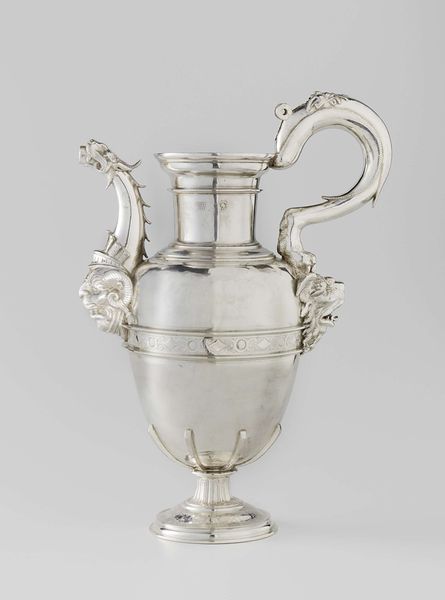
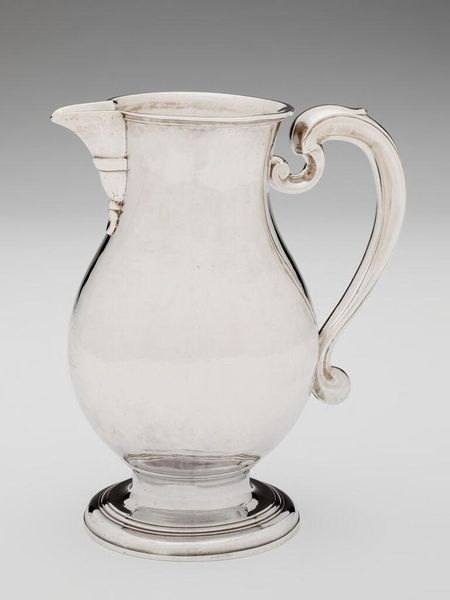
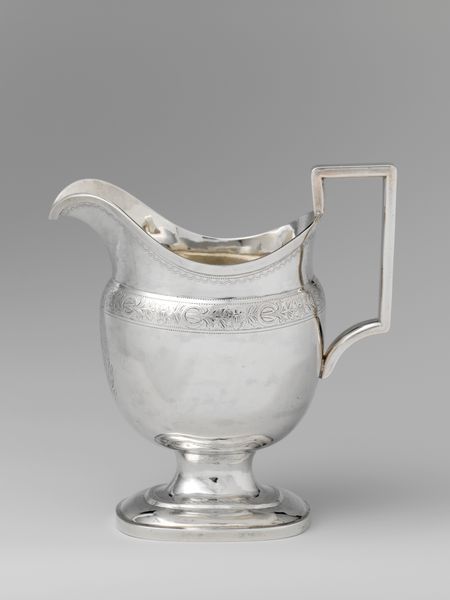
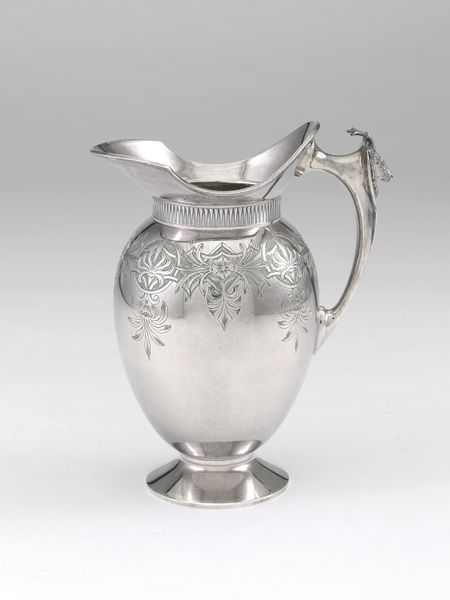
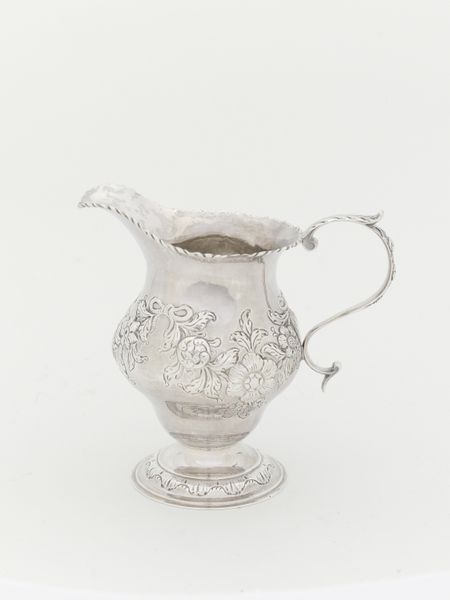
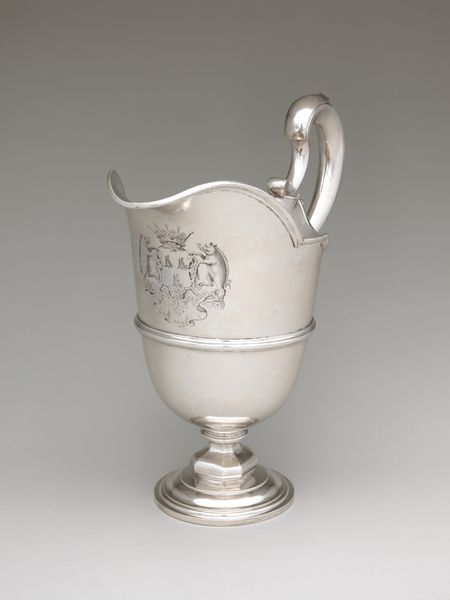
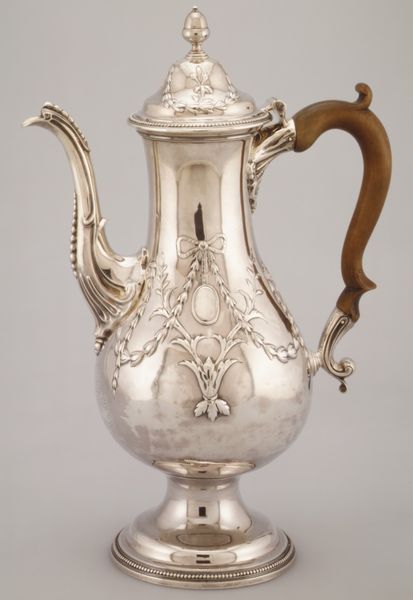
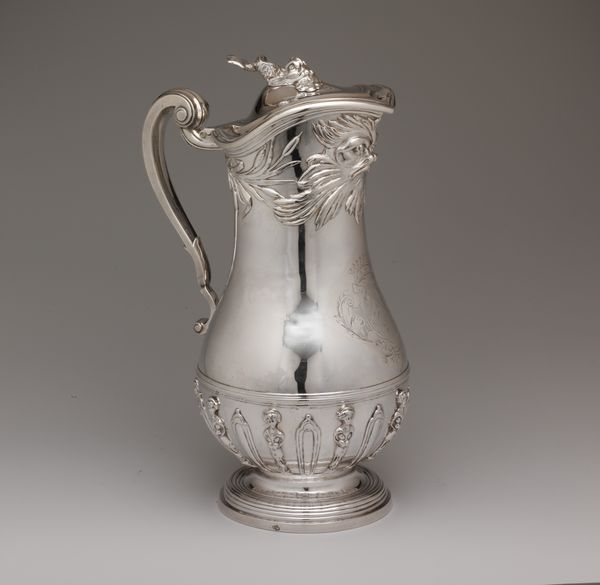
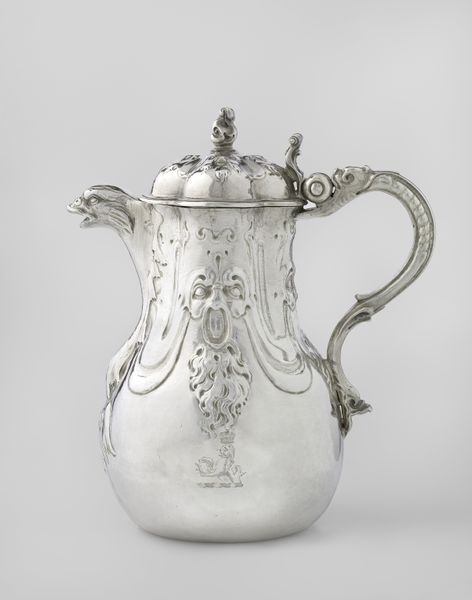
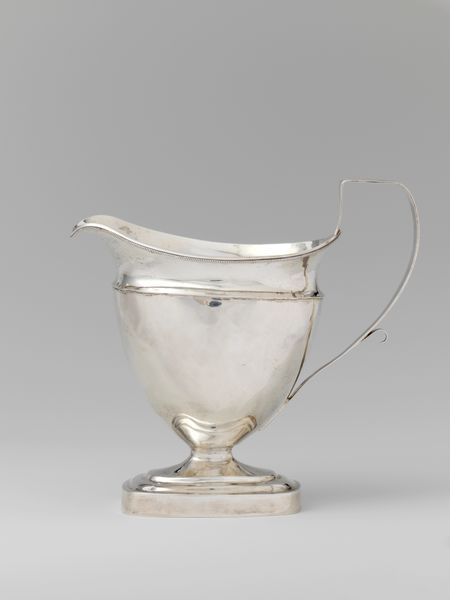
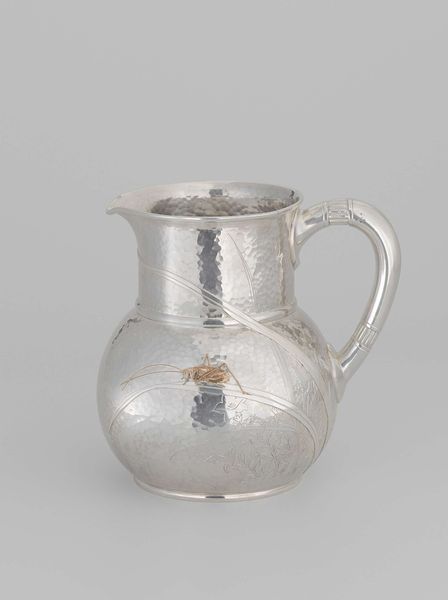
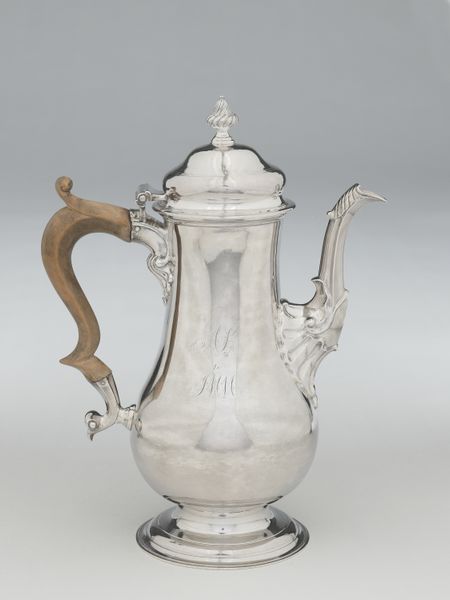
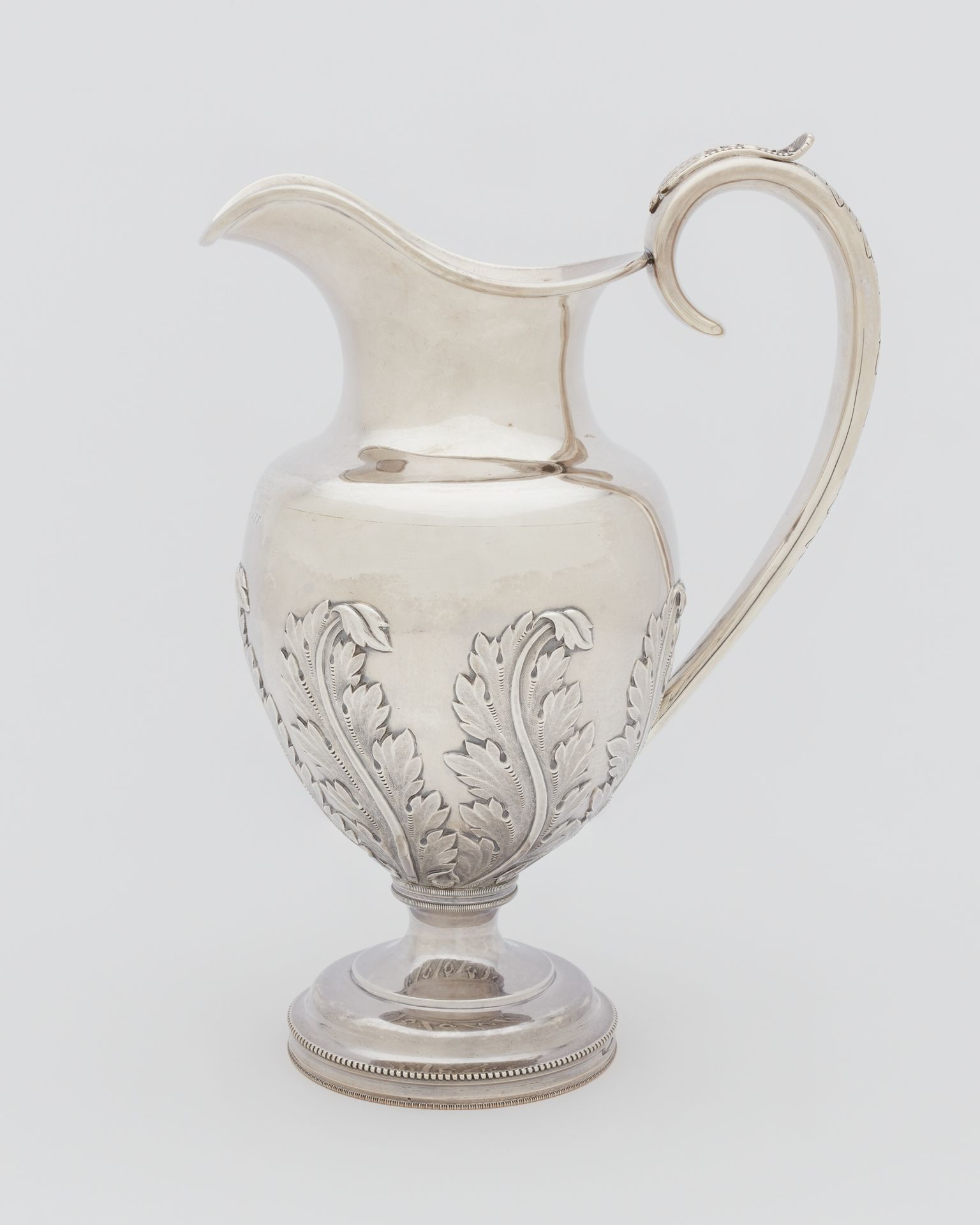
This pitcher was made by John B. Jones and Company, out of solid silver. Consider how the silversmith has worked with the material. They have used techniques like hammering, soldering, and engraving to shape and decorate the pitcher. These processes require skill, precision, and a deep understanding of the material's properties. Note the leaves that adorn the base of the pitcher. These details transform a functional object into something visually appealing. Silverware like this was typically commissioned by wealthy families. It represented status and taste. Owning such objects served as a display of refinement and social standing. The amount of labor that went into its production reflects the social hierarchies of the time. Looking closely at the object reveals the human labor involved in its creation, inviting us to appreciate both the artistry and the broader social context in which it was made.
Pitcher 1833

John B. Jones and Company
@johnbjonesandcompany
The Art Institute of Chicago
The Art Institute of ChicagoArtwork details
- Medium
- silver, ceramic
- Dimensions
- 31.1 × 11.6 cm (12 1/4 × 4 9/16 in.)
- Location
- The Art Institute of Chicago
- Copyright
- Public Domain
Tags
silver
ceramic
ceramic
decorative-art
Comments
No comments
About this artwork
This pitcher was made by John B. Jones and Company, out of solid silver. Consider how the silversmith has worked with the material. They have used techniques like hammering, soldering, and engraving to shape and decorate the pitcher. These processes require skill, precision, and a deep understanding of the material's properties. Note the leaves that adorn the base of the pitcher. These details transform a functional object into something visually appealing. Silverware like this was typically commissioned by wealthy families. It represented status and taste. Owning such objects served as a display of refinement and social standing. The amount of labor that went into its production reflects the social hierarchies of the time. Looking closely at the object reveals the human labor involved in its creation, inviting us to appreciate both the artistry and the broader social context in which it was made.
Comments
No comments