About this artwork
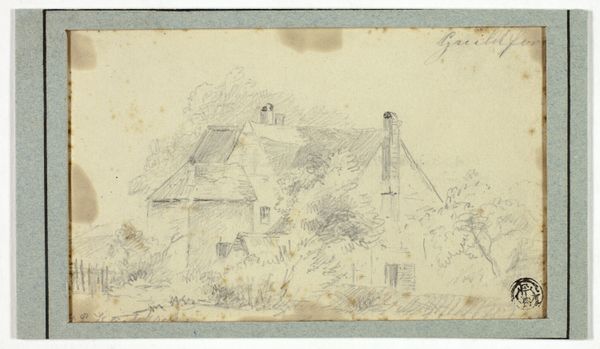
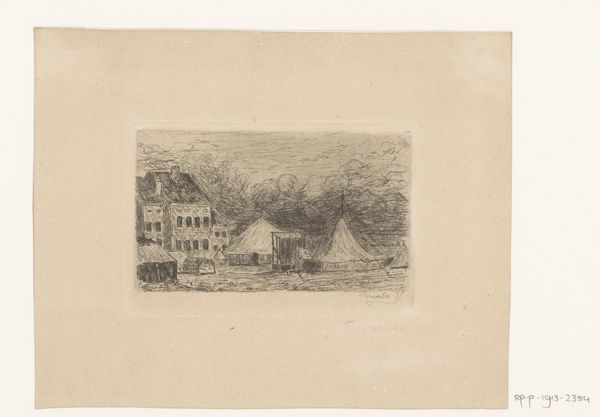
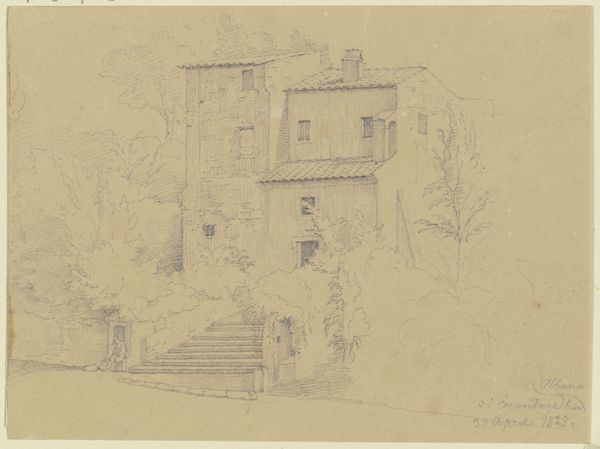
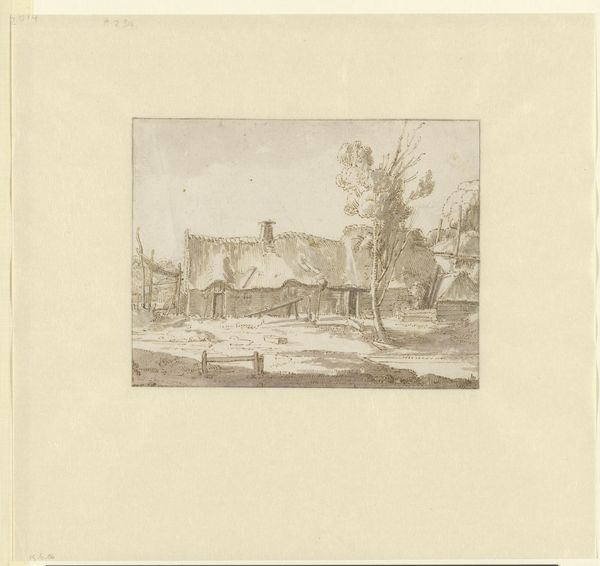
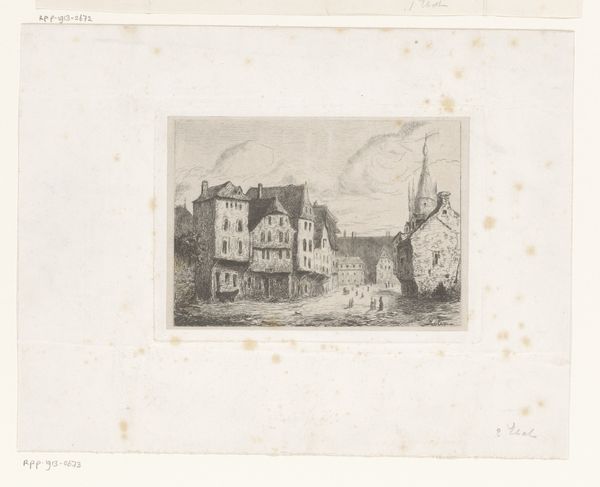
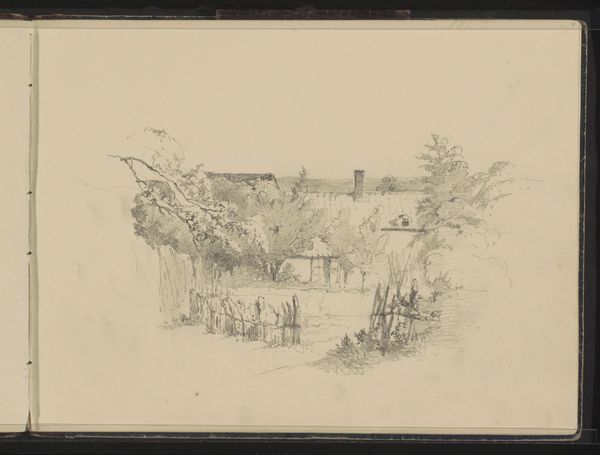
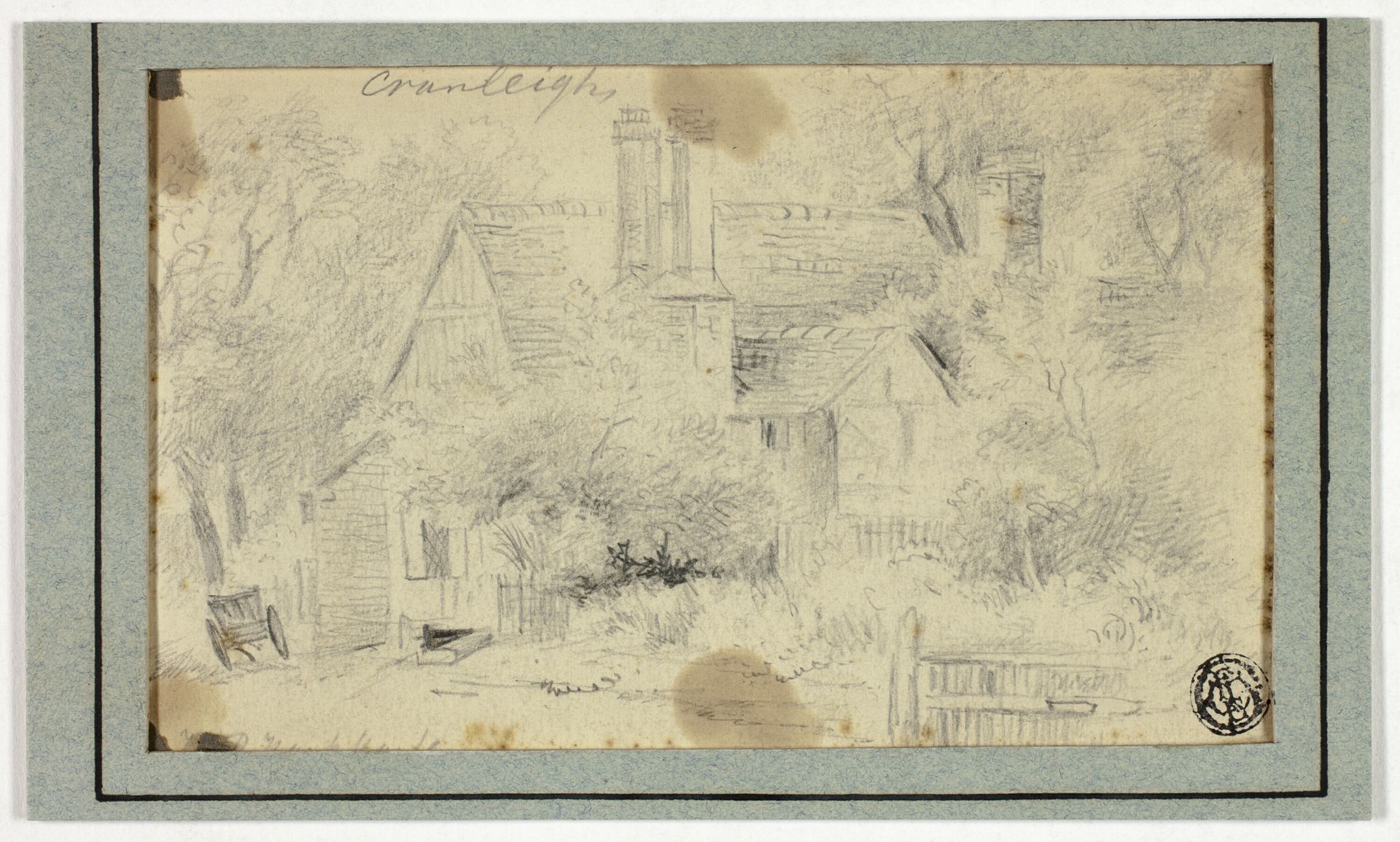
Hendrik Pieter Koekkoek created this drawing, Cranleigh, using graphite on paper. The composition is dominated by an intricate network of lines that define the architectural forms and surrounding landscape. The delicate lines and the absence of color create a muted atmosphere, inviting contemplation. Koekkoek’s marks capture the essence of the scene, revealing a structuralist approach. The lines do not merely depict; they construct a visual system where each element contributes to the overall structure. The architecture and nature are treated with equal attention, suggesting a balance between the man-made and the natural world. The materiality of the graphite on paper further enhances this effect, the texture of the paper adding depth to the lines, creating a layered reading of the image. The drawing serves not just as a representation, but as a cultural artifact that challenges fixed meanings. The formal qualities invite us to engage with its philosophical dimensions, reflecting on the semiotic interplay between art and reality.
Cranleigh
c. 1877


Artwork details
- Medium
- drawing, paper, pencil, graphite
- Dimensions
- 90 × 152 mm
- Location
- The Art Institute of Chicago
- Copyright
- Public Domain
Tags
Comments
Share your thoughts
About this artwork
Hendrik Pieter Koekkoek created this drawing, Cranleigh, using graphite on paper. The composition is dominated by an intricate network of lines that define the architectural forms and surrounding landscape. The delicate lines and the absence of color create a muted atmosphere, inviting contemplation. Koekkoek’s marks capture the essence of the scene, revealing a structuralist approach. The lines do not merely depict; they construct a visual system where each element contributes to the overall structure. The architecture and nature are treated with equal attention, suggesting a balance between the man-made and the natural world. The materiality of the graphite on paper further enhances this effect, the texture of the paper adding depth to the lines, creating a layered reading of the image. The drawing serves not just as a representation, but as a cultural artifact that challenges fixed meanings. The formal qualities invite us to engage with its philosophical dimensions, reflecting on the semiotic interplay between art and reality.
Comments
Share your thoughts