About this artwork
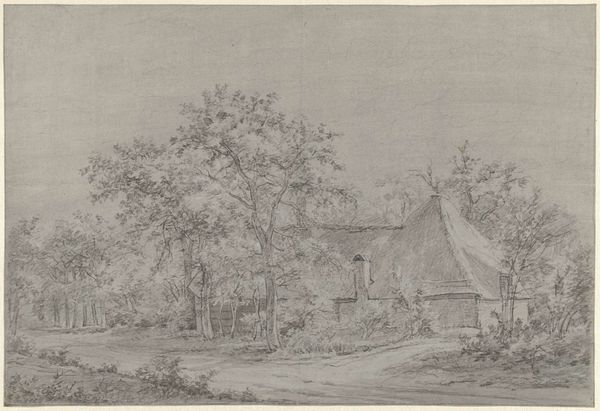
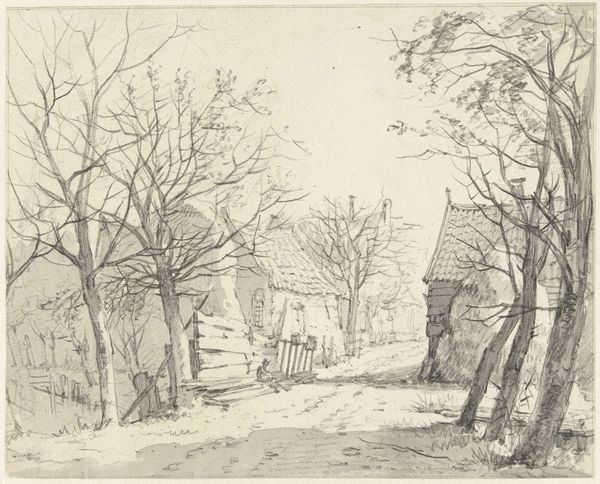
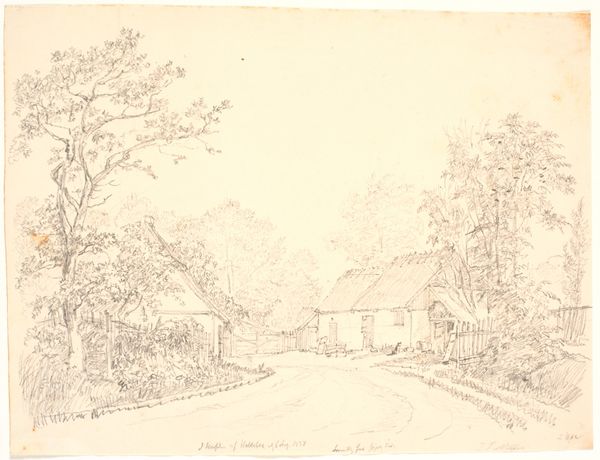
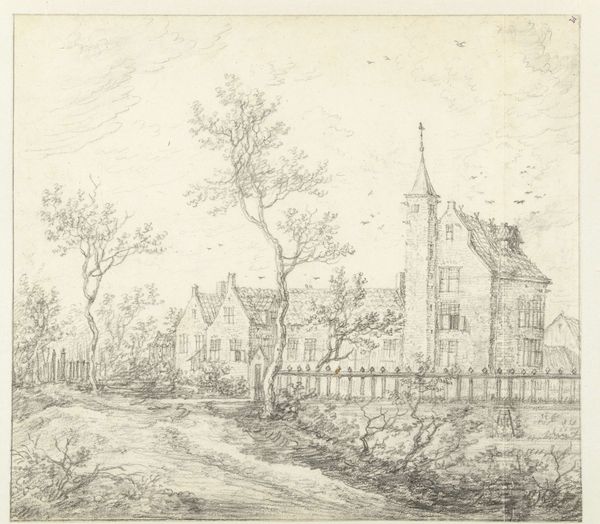
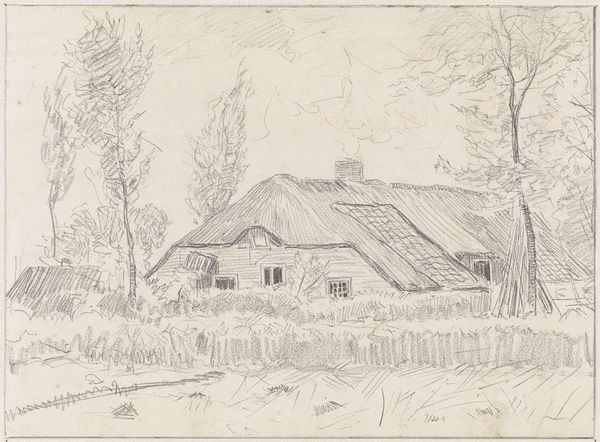
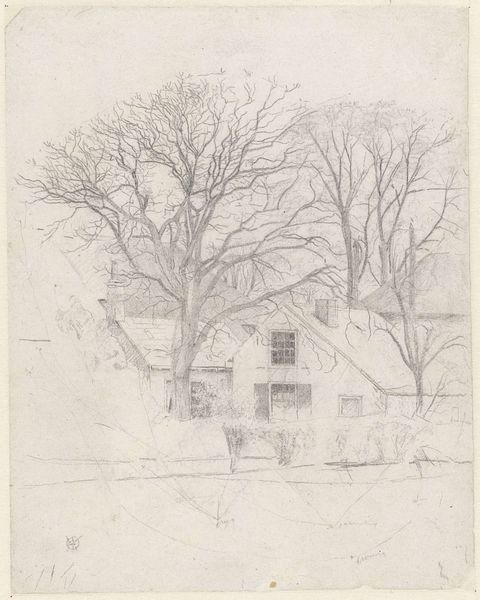
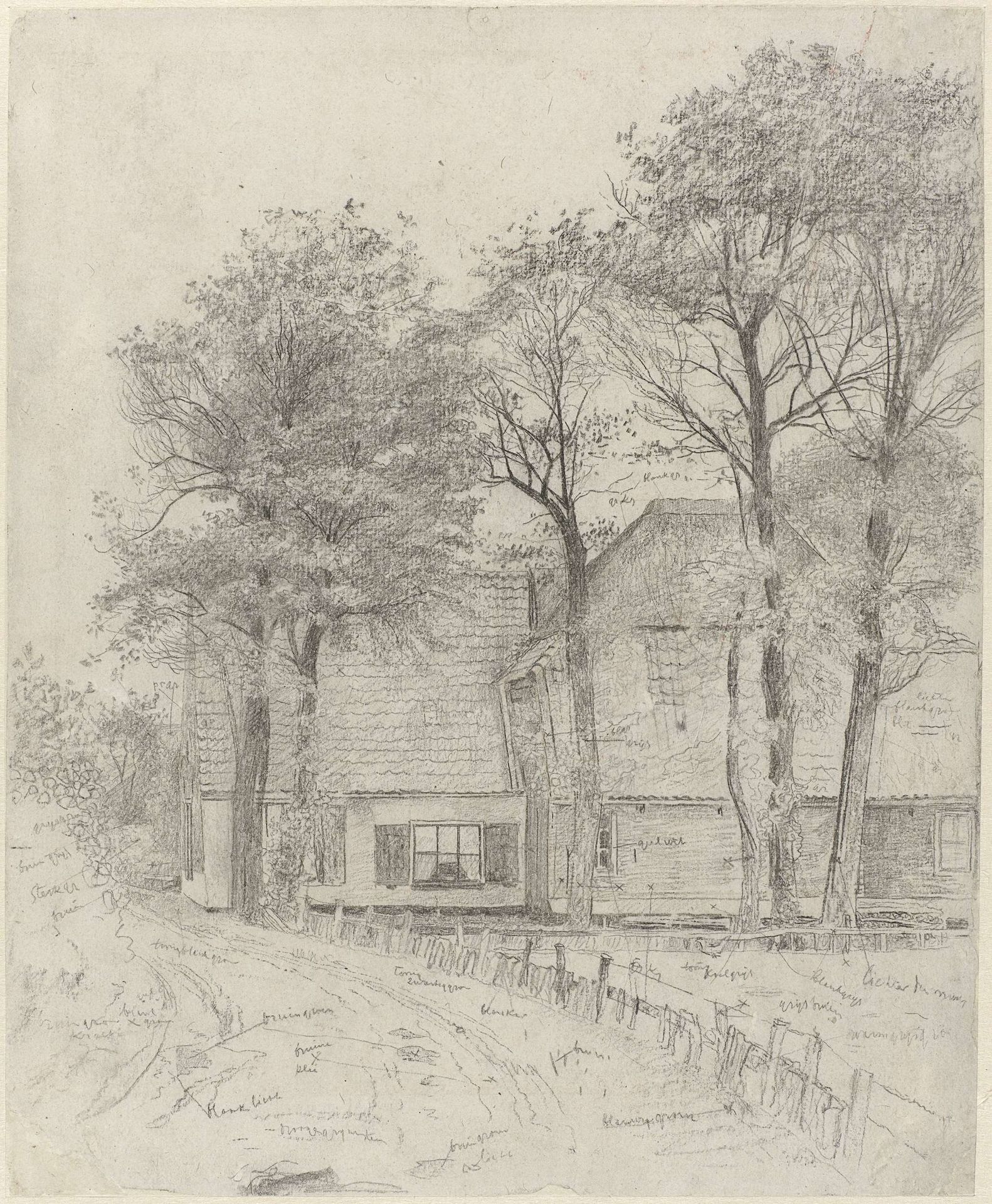
Gerrit Willem Dijsselhof made this pencil drawing of a farm near Velzen, in the Netherlands, at the turn of the 20th century. At this time the Dutch art world was struggling to define its identity amidst rapid industrialization. Dijsselhof, trained in decorative arts, turned to nature for inspiration, seeking a specifically Dutch aesthetic rooted in the landscape. The drawing’s intimate scale and delicate rendering suggest a personal connection to the scene. The rural subject matter reflects a nostalgia for a simpler, pre-industrial past. But it is important to remember that the art institutions of the time were in flux, and artists like Dijsselhof were defining their own role in the world. To understand Dijsselhof's artistic choices, we can look at the social and cultural context of the Netherlands at the time, studying exhibition catalogs, art journals, and other primary source materials. This drawing then becomes a window onto a specific moment in Dutch history.
Boerderij bij Velzen: het woonhuis en aangrenzende schuur, vanaf de weg gezien
1876 - 1924

Gerrit Willem Dijsselhof
1866 - 1924Location
RijksmuseumArtwork details
- Dimensions
- height 320 mm, width 261 mm
- Location
- Rijksmuseum
- Copyright
- Rijks Museum: Open Domain
Comments
Share your thoughts
About this artwork
Gerrit Willem Dijsselhof made this pencil drawing of a farm near Velzen, in the Netherlands, at the turn of the 20th century. At this time the Dutch art world was struggling to define its identity amidst rapid industrialization. Dijsselhof, trained in decorative arts, turned to nature for inspiration, seeking a specifically Dutch aesthetic rooted in the landscape. The drawing’s intimate scale and delicate rendering suggest a personal connection to the scene. The rural subject matter reflects a nostalgia for a simpler, pre-industrial past. But it is important to remember that the art institutions of the time were in flux, and artists like Dijsselhof were defining their own role in the world. To understand Dijsselhof's artistic choices, we can look at the social and cultural context of the Netherlands at the time, studying exhibition catalogs, art journals, and other primary source materials. This drawing then becomes a window onto a specific moment in Dutch history.
Comments
Share your thoughts