About this artwork
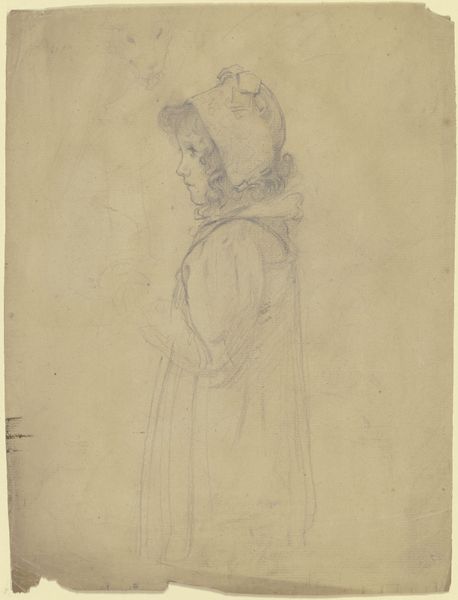
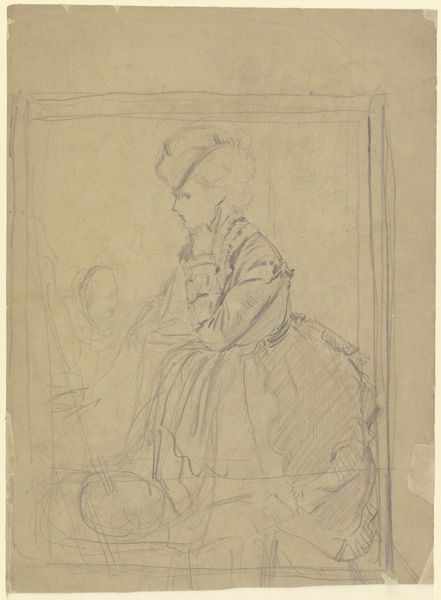
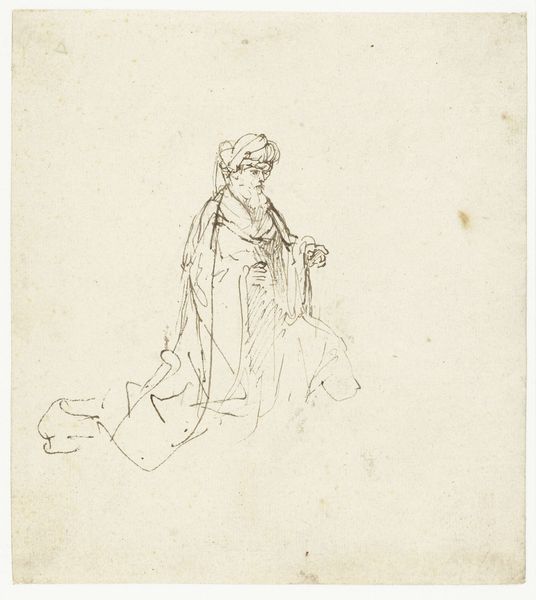
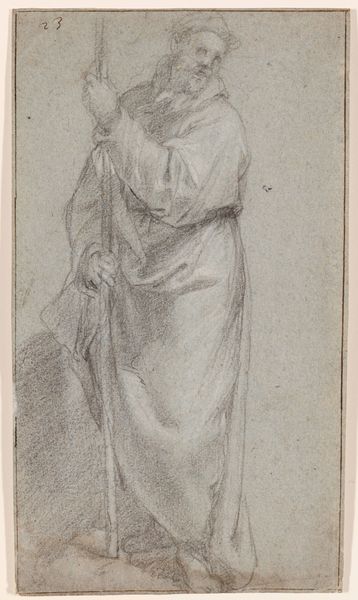
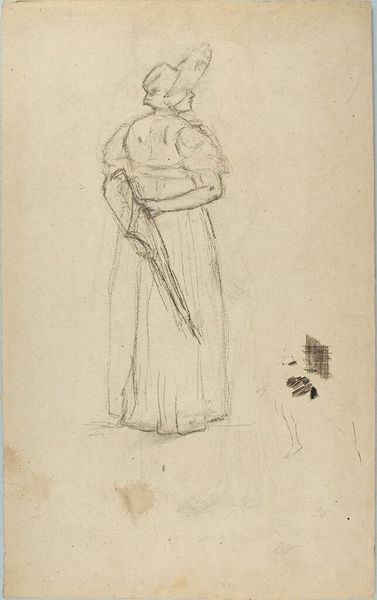
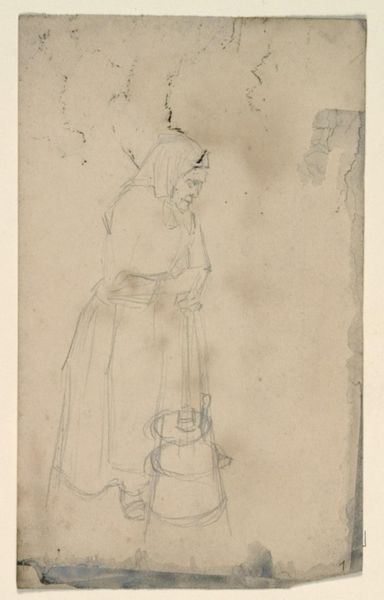
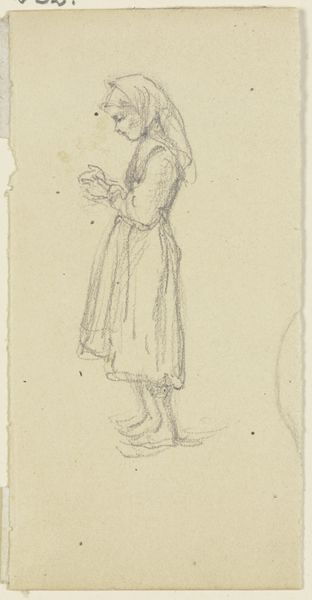
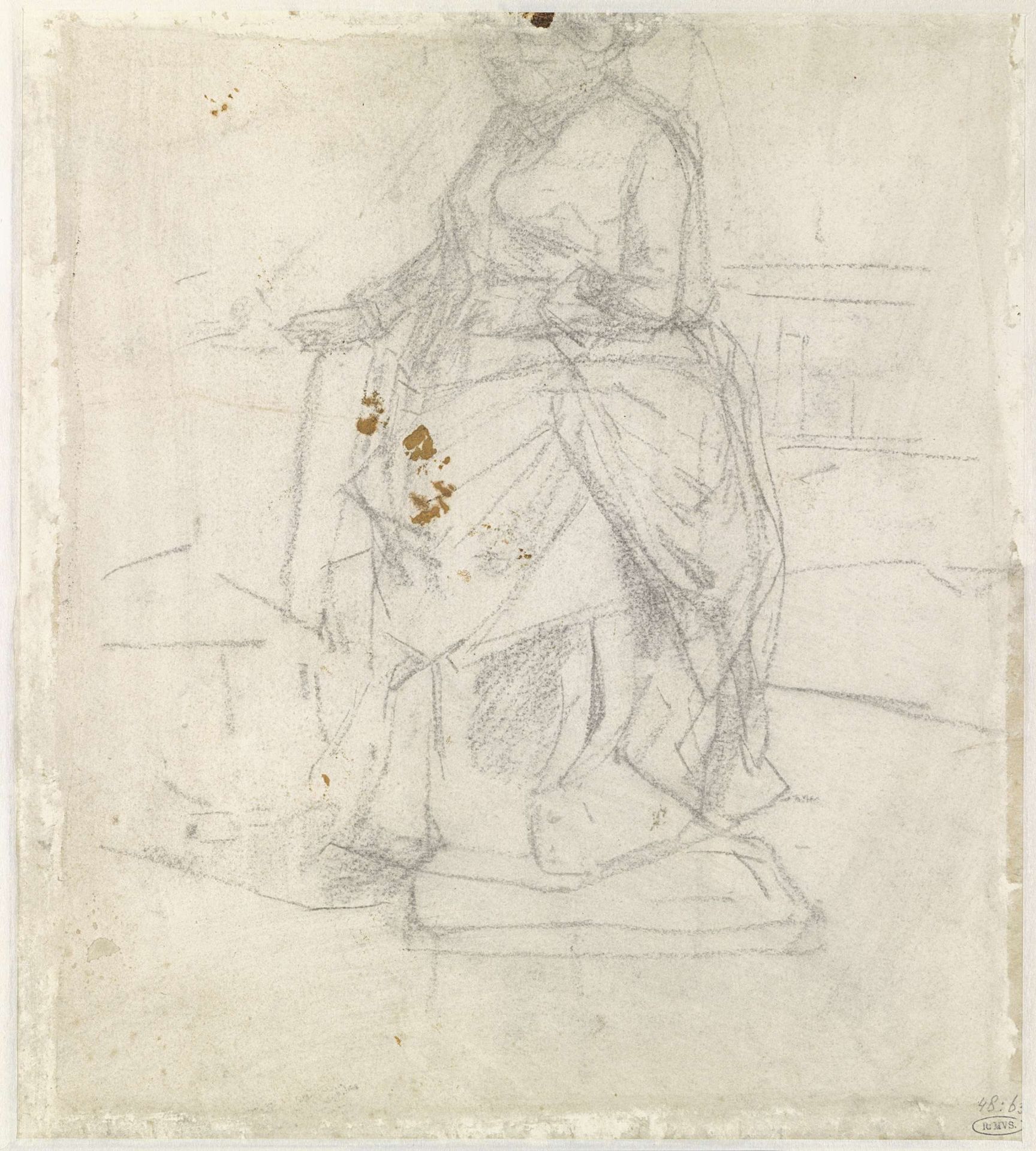
George Hendrik Breitner sketched this standing woman with pencil on paper. The act of standing, seemingly simple, carries a profound weight through art history. Consider the caryatids of ancient Greece, female figures supporting structures, or even the contrapposto stance, where the weight is shifted to one leg, a symbol of balance and potential movement. These images echo through time, finding new life in Breitner's sketch. Here, the woman stands, not as a symbol of burden or classical beauty, but perhaps as a quiet observer. The act of standing can be seen as resistance, independence, and presence. The subtle psychological weight—the subconscious understanding we have of posture and presence—engages us, creating a silent dialogue across centuries. It suggests a powerful, unspoken narrative. This is a symbol that resurfaces, evolves, and takes on new meanings in different historical contexts.

Artwork details
- Dimensions
- height 396 mm, width 354 mm
- Location
- Rijksmuseum
- Copyright
- Rijks Museum: Open Domain
Comments
No comments
About this artwork
George Hendrik Breitner sketched this standing woman with pencil on paper. The act of standing, seemingly simple, carries a profound weight through art history. Consider the caryatids of ancient Greece, female figures supporting structures, or even the contrapposto stance, where the weight is shifted to one leg, a symbol of balance and potential movement. These images echo through time, finding new life in Breitner's sketch. Here, the woman stands, not as a symbol of burden or classical beauty, but perhaps as a quiet observer. The act of standing can be seen as resistance, independence, and presence. The subtle psychological weight—the subconscious understanding we have of posture and presence—engages us, creating a silent dialogue across centuries. It suggests a powerful, unspoken narrative. This is a symbol that resurfaces, evolves, and takes on new meanings in different historical contexts.
Comments
No comments