About this artwork
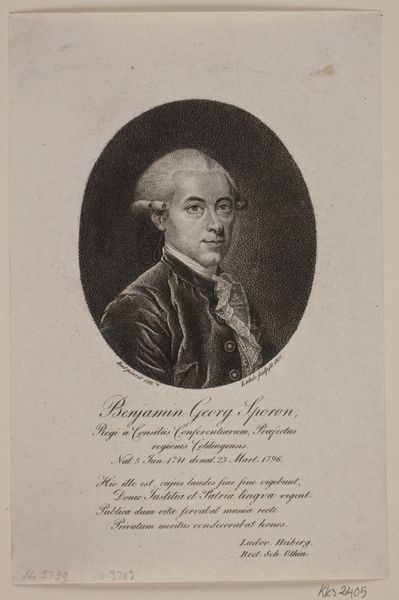
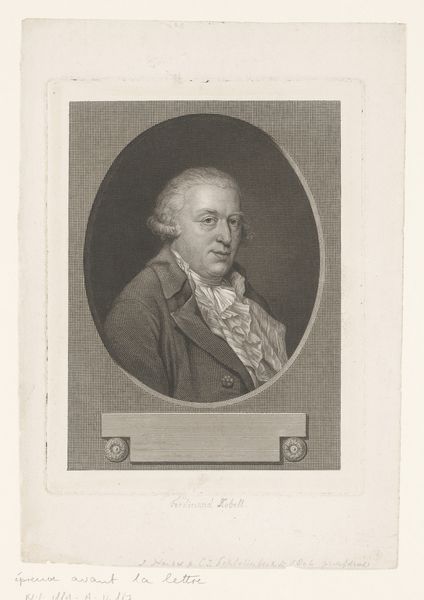
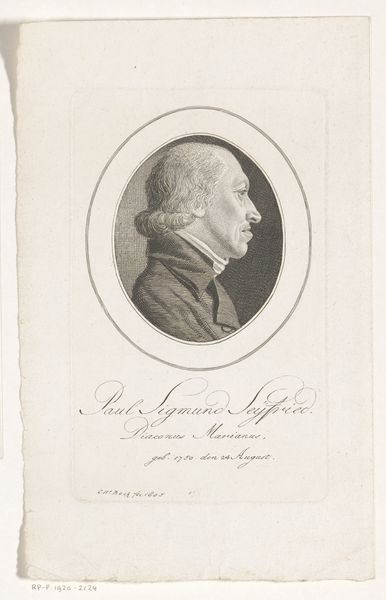
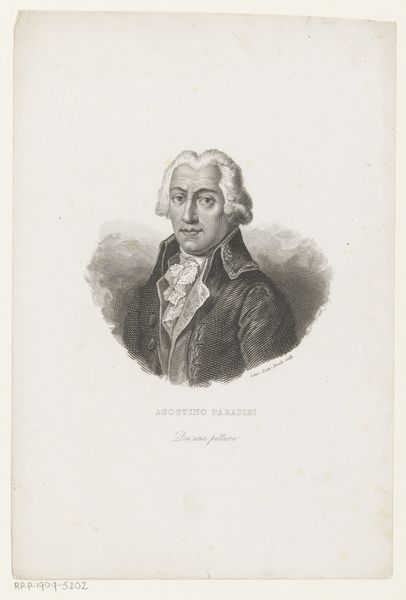
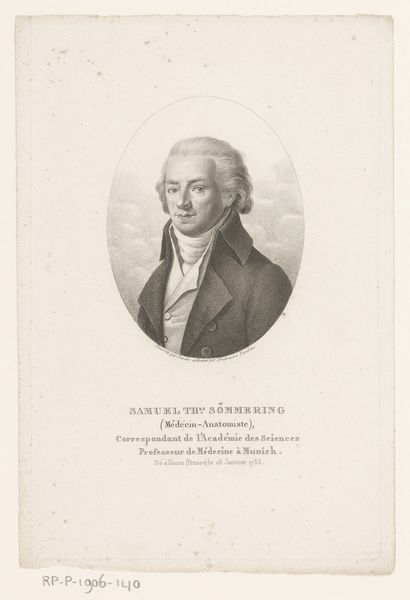
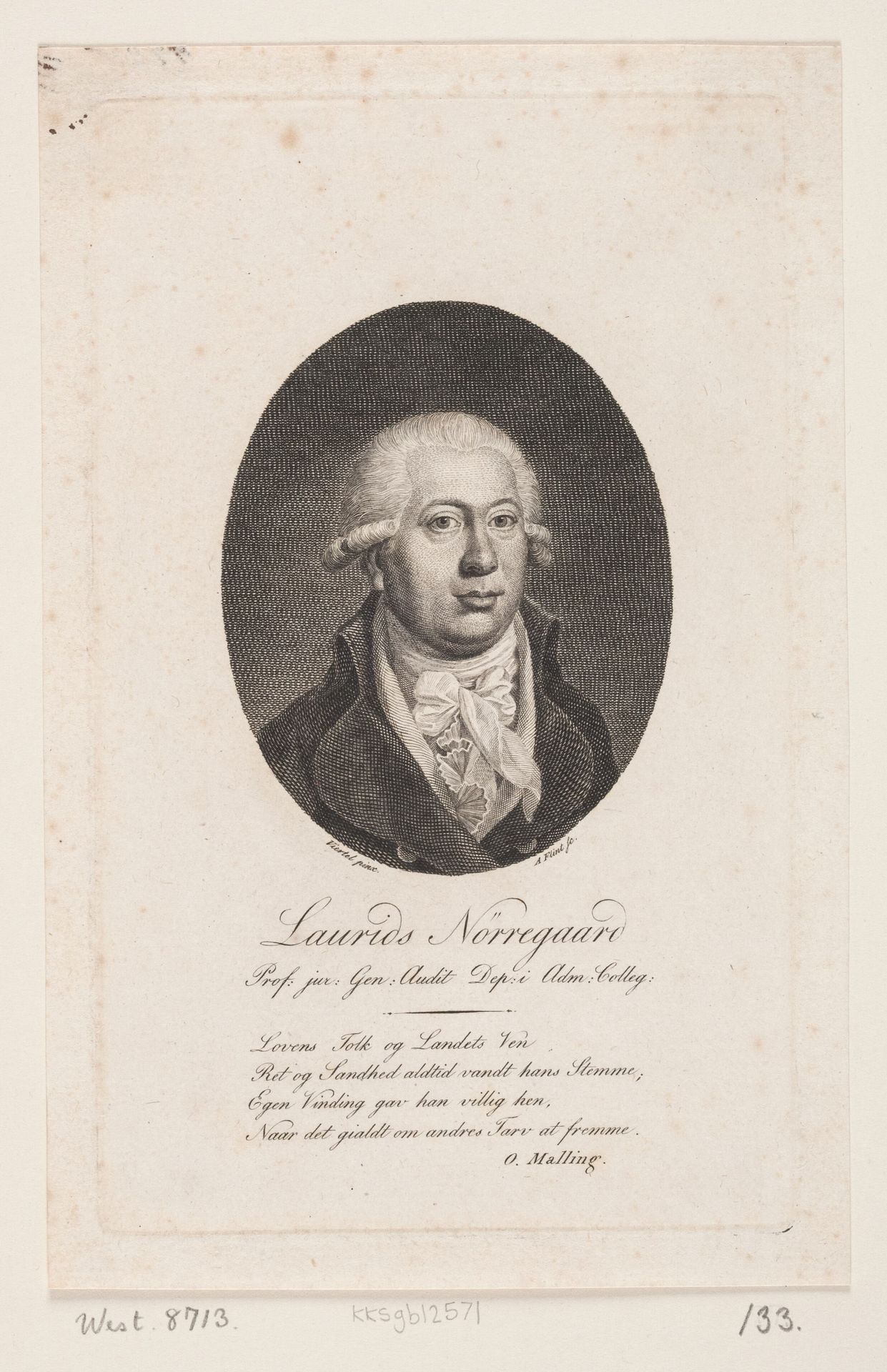
This engraving of Laurids Nørregaard was made by Andreas Flint in Denmark. Without a date, it is difficult to be certain, but it was likely commissioned to celebrate Nørregaard's professional position at the Collegium of Advocates. The image of a public figure was a way of demonstrating power and respect. Flint places Nørregaard in the center of the engraving, framed within an oval. This classical reference, combined with his powdered wig and ruffled cravat, were visual codes that connected him to the world of the Enlightenment. The Danish verses below elevate him as a 'friend of the country' who is an advocate for 'law and truth'. Examining the engraving in the context of other visual representations of public figures, we can more fully understand the political function of art. We can discover this through institutional archives, newspapers and publications. Through this we can know more about the social context in which it was made.
L. Nørregaard
1767 - 1824


Artwork details
- Medium
- print, engraving
- Dimensions
- 97 mm (None) x 77 mm (None) (billedmaal), 195 mm (height) x 120 mm (width) (plademaal)
- Location
- SMK - Statens Museum for Kunst
Tags
portrait
neoclassicism
old engraving style
engraving
Comments
Be the first to share your thoughts about this work.
About this artwork
This engraving of Laurids Nørregaard was made by Andreas Flint in Denmark. Without a date, it is difficult to be certain, but it was likely commissioned to celebrate Nørregaard's professional position at the Collegium of Advocates. The image of a public figure was a way of demonstrating power and respect. Flint places Nørregaard in the center of the engraving, framed within an oval. This classical reference, combined with his powdered wig and ruffled cravat, were visual codes that connected him to the world of the Enlightenment. The Danish verses below elevate him as a 'friend of the country' who is an advocate for 'law and truth'. Examining the engraving in the context of other visual representations of public figures, we can more fully understand the political function of art. We can discover this through institutional archives, newspapers and publications. Through this we can know more about the social context in which it was made.
Comments
Be the first to share your thoughts about this work.