About this artwork
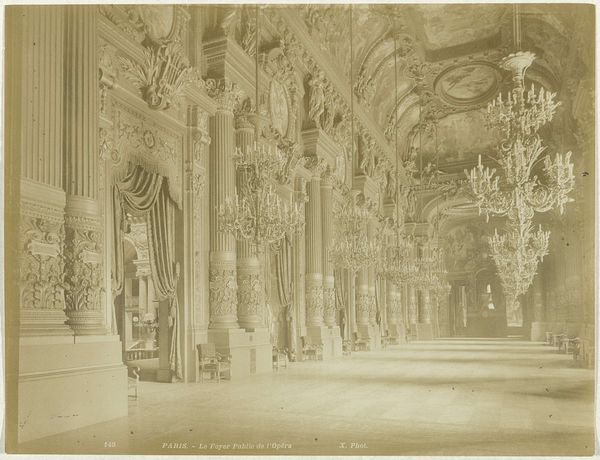
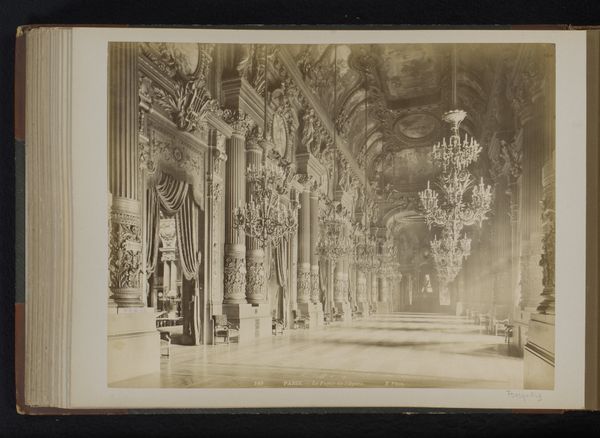
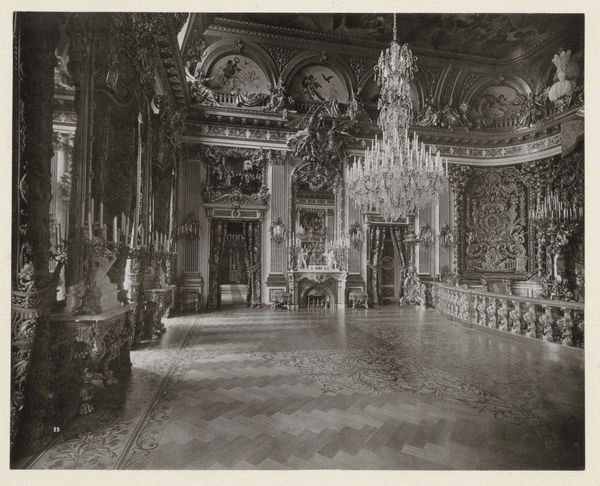
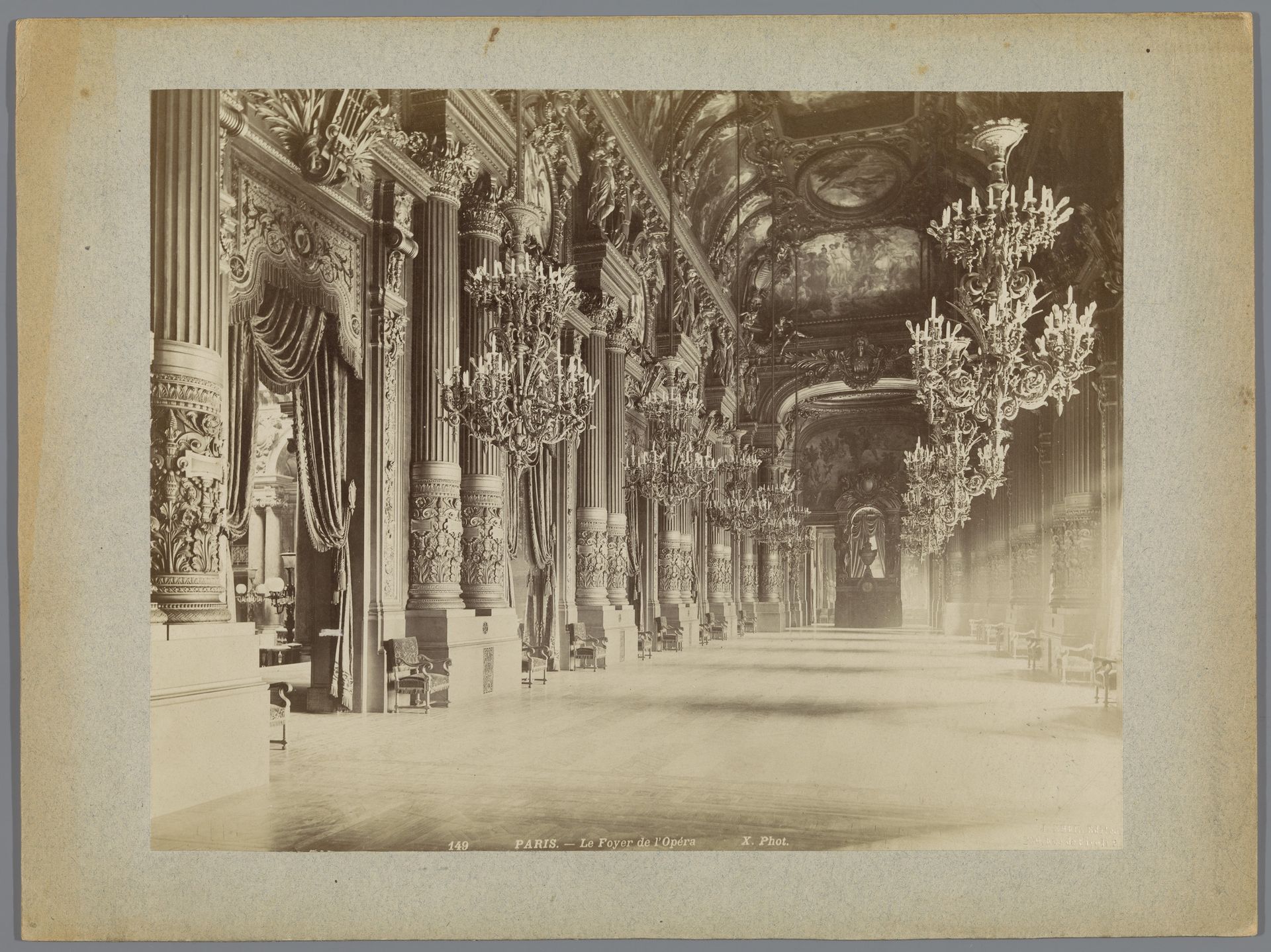
This photograph captures the foyer of the Paris Opera. The anonymous photographer, known only as X phot., made this image to showcase the stunning architecture. The cultural references here point to the opulence of 19th-century France under the Second Empire. Note how the design embodies wealth and power, evident in the elaborate ornamentation, towering columns, and grand chandeliers. This isn't just a building; it's a stage for social display. The Paris Opera was conceived by Napoleon III as a symbol of imperial authority. Its construction coincided with a period of massive urban renewal led by Baron Haussmann. It visually reinforced existing social hierarchies, serving as a space where the elite could see and be seen. To truly understand the photograph, one must research the historical context of its making and the socio-political forces that shaped its creation. By studying architectural plans, social documents, and critical writings, we can decipher the complex meanings embedded in this image.

Artwork details
- Medium
- print, photography, gelatin-silver-print
- Dimensions
- height 206 mm, width 264 mm
- Copyright
- Rijks Museum: Open Domain
Tags
Comments
Share your thoughts
About this artwork
This photograph captures the foyer of the Paris Opera. The anonymous photographer, known only as X phot., made this image to showcase the stunning architecture. The cultural references here point to the opulence of 19th-century France under the Second Empire. Note how the design embodies wealth and power, evident in the elaborate ornamentation, towering columns, and grand chandeliers. This isn't just a building; it's a stage for social display. The Paris Opera was conceived by Napoleon III as a symbol of imperial authority. Its construction coincided with a period of massive urban renewal led by Baron Haussmann. It visually reinforced existing social hierarchies, serving as a space where the elite could see and be seen. To truly understand the photograph, one must research the historical context of its making and the socio-political forces that shaped its creation. By studying architectural plans, social documents, and critical writings, we can decipher the complex meanings embedded in this image.
Comments
Share your thoughts