About this artwork
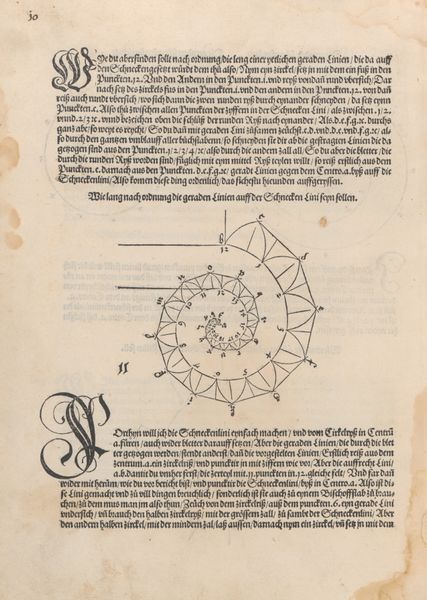
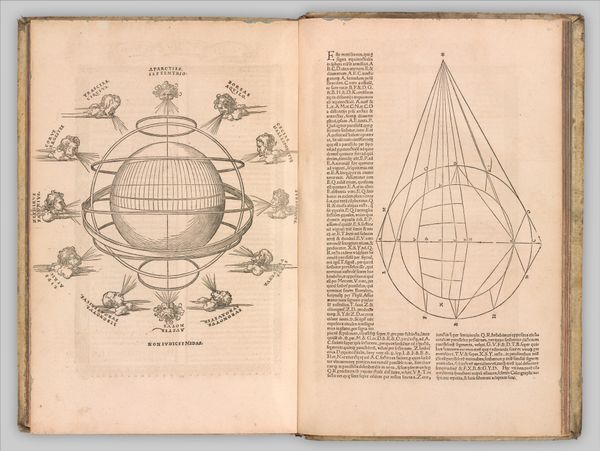
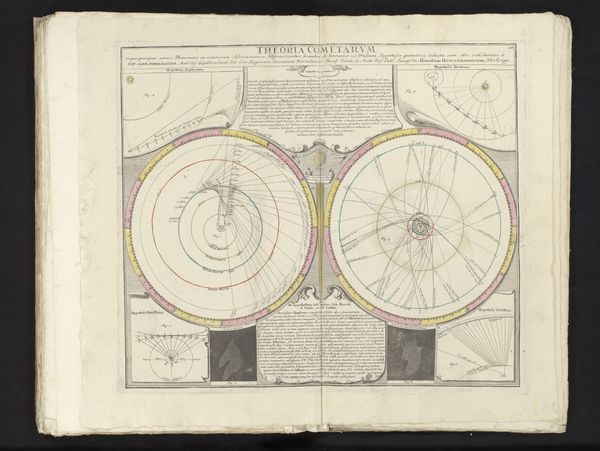
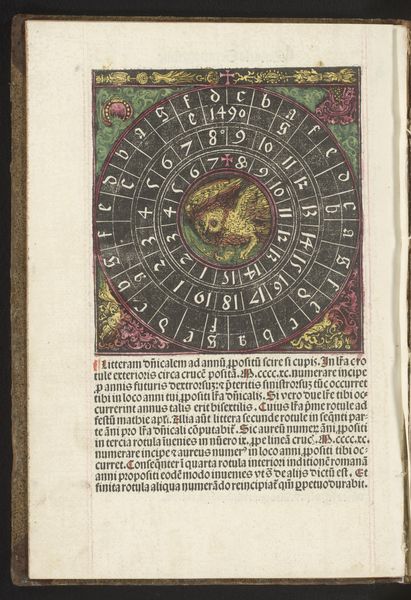
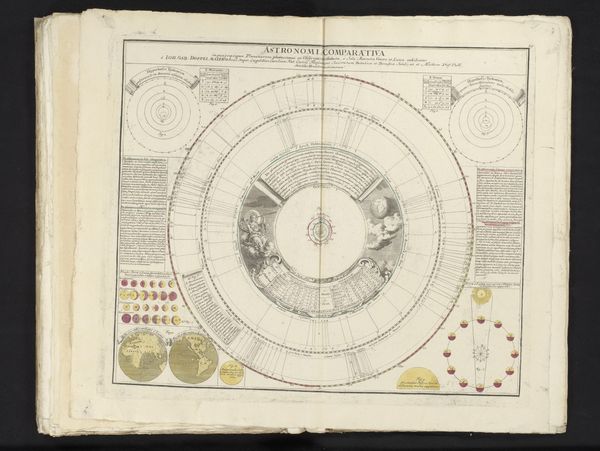
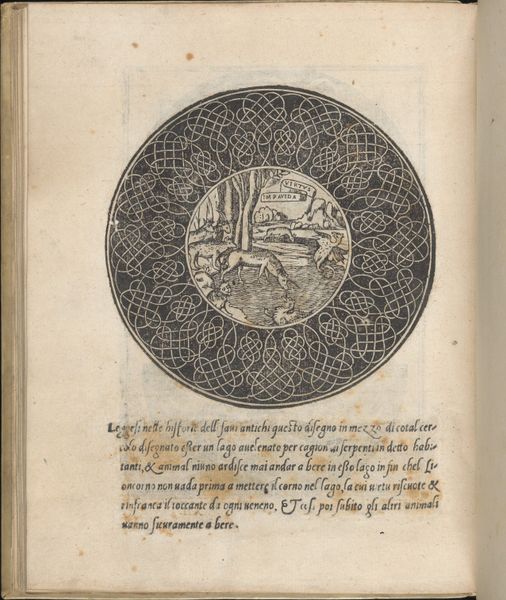
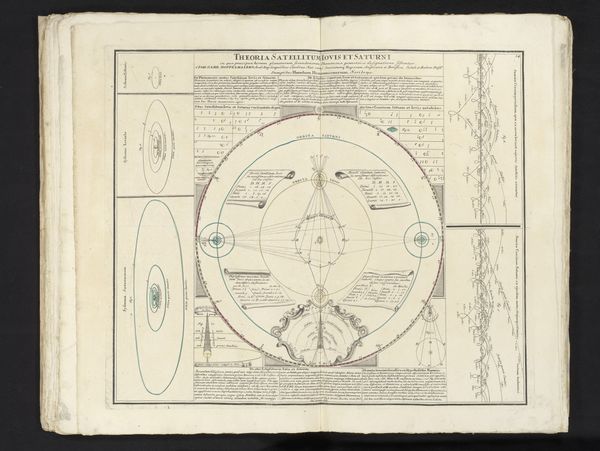
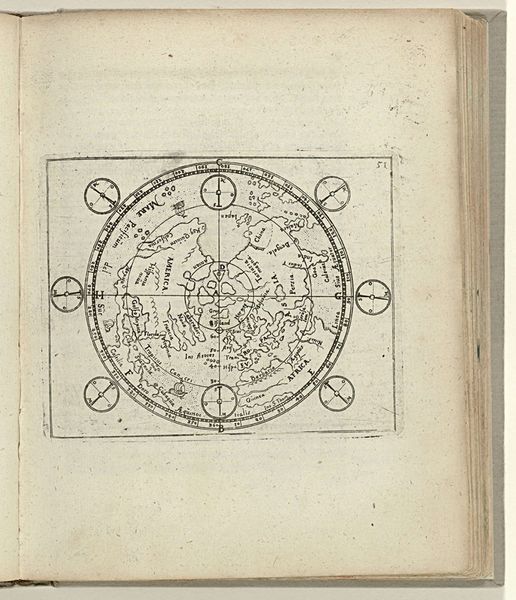
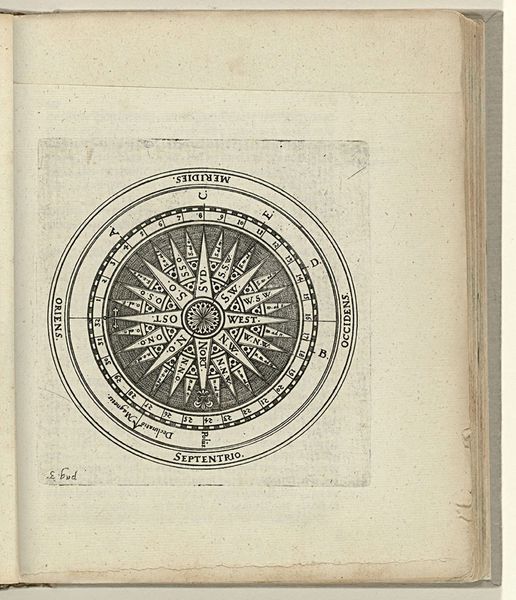
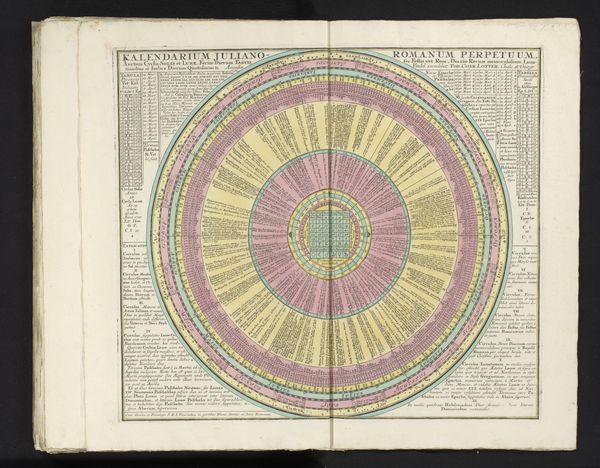
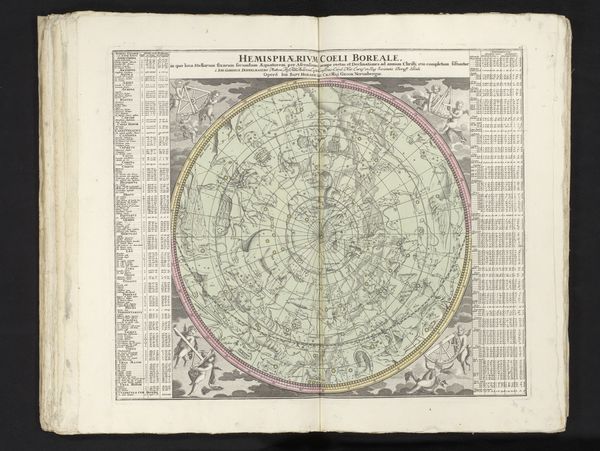
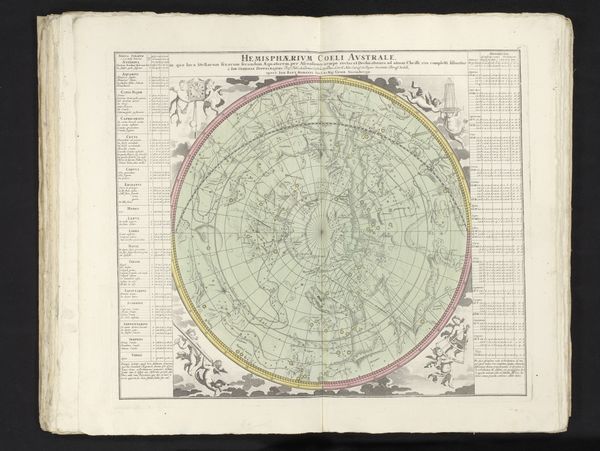
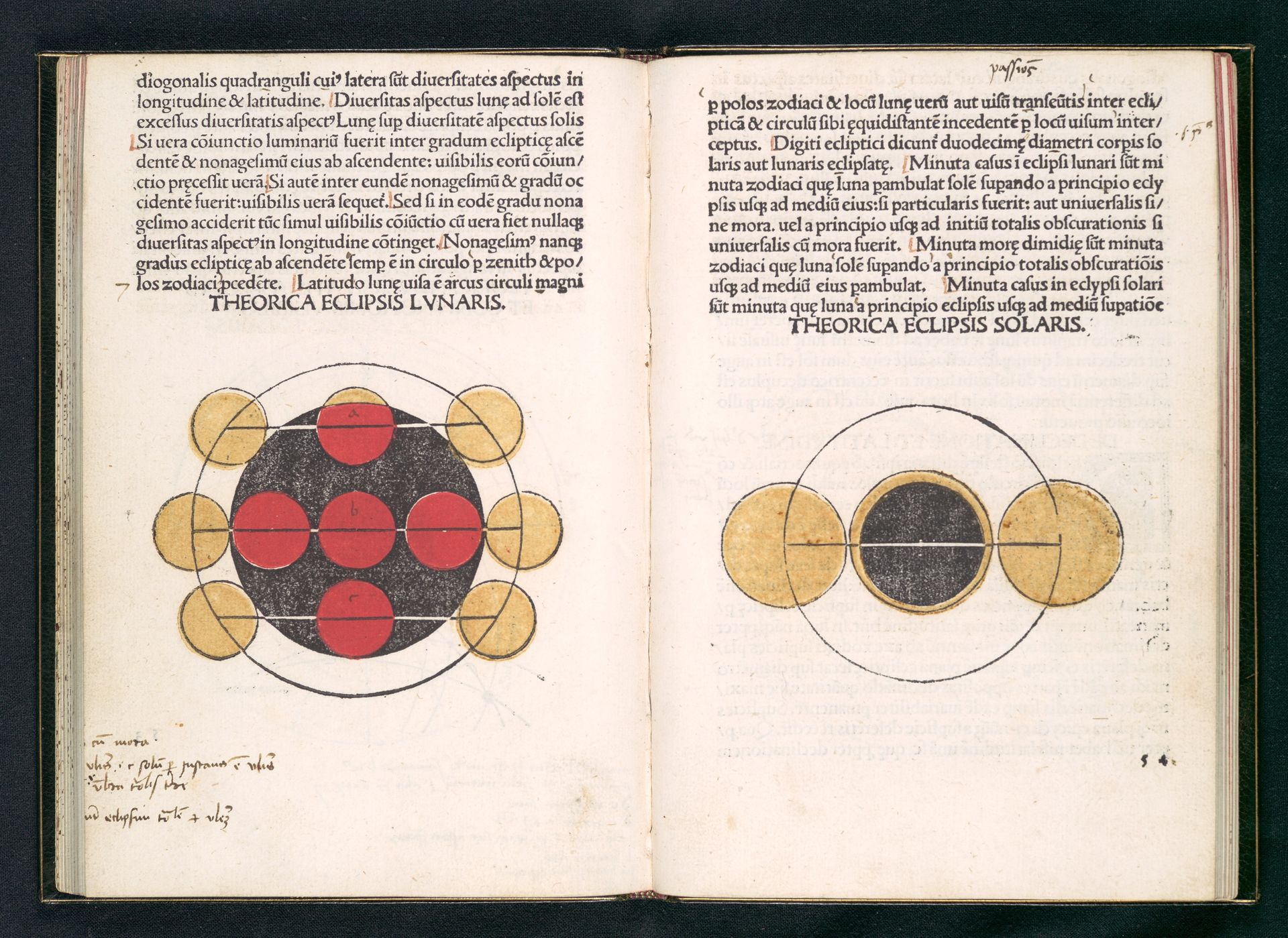
This illustration of the cosmos by Johannes de Sacrobosco was made around 1230, using ink and tempera on parchment. The geometric forms – circles within circles – create a sense of order, yet the vibrant red and yellow interrupt the black lines and text, drawing us into a world where science and art intertwine. Sacrobosco’s world is not merely descriptive; it's fundamentally structural. The circles, rendered in bold colors, act as signs within a semiotic system, communicating astronomical principles. The diagrams invite us to decode the underlying structure of the cosmos, revealing a medieval attempt to reconcile observable phenomena with theoretical understanding. Notice how the composition challenges fixed meanings. The image isn't just about the placement of celestial bodies; it's about the relationship between knowledge and representation. Ultimately, *Sphaera Mundi* functions as a philosophical discourse on the nature of knowledge itself.
Sphaera Mundi
1485

Johannes de Sacrobosco (John Holybush)
1195 - 1256
The Metropolitan Museum of Art
Metropolitan Museum of Art, New York, NYArtwork details
- Medium
- drawing, print
- Dimensions
- 7 5/8 x 5 3/8 x 1/2 in. (19.4 x 13.6 x 1.2 cm)
- Location
- Metropolitan Museum of Art, New York, NY
- Copyright
- Public Domain
Tags
Comments
Share your thoughts
About this artwork
This illustration of the cosmos by Johannes de Sacrobosco was made around 1230, using ink and tempera on parchment. The geometric forms – circles within circles – create a sense of order, yet the vibrant red and yellow interrupt the black lines and text, drawing us into a world where science and art intertwine. Sacrobosco’s world is not merely descriptive; it's fundamentally structural. The circles, rendered in bold colors, act as signs within a semiotic system, communicating astronomical principles. The diagrams invite us to decode the underlying structure of the cosmos, revealing a medieval attempt to reconcile observable phenomena with theoretical understanding. Notice how the composition challenges fixed meanings. The image isn't just about the placement of celestial bodies; it's about the relationship between knowledge and representation. Ultimately, *Sphaera Mundi* functions as a philosophical discourse on the nature of knowledge itself.
Comments
Share your thoughts