About this artwork
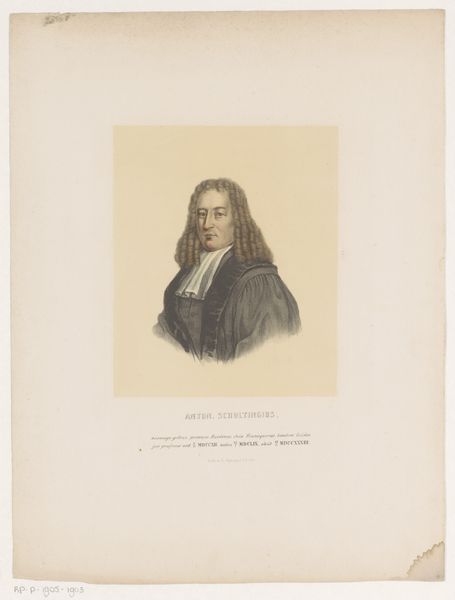
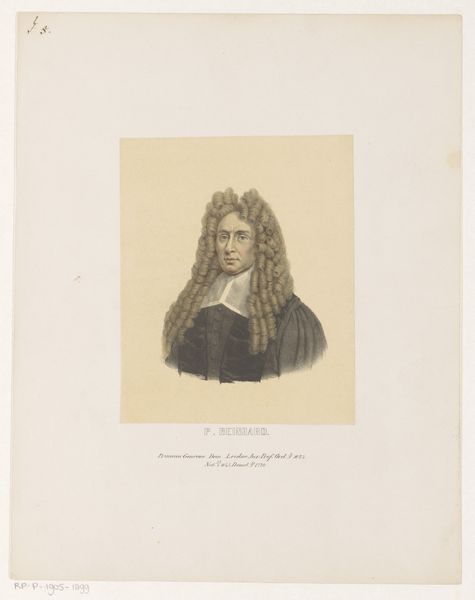
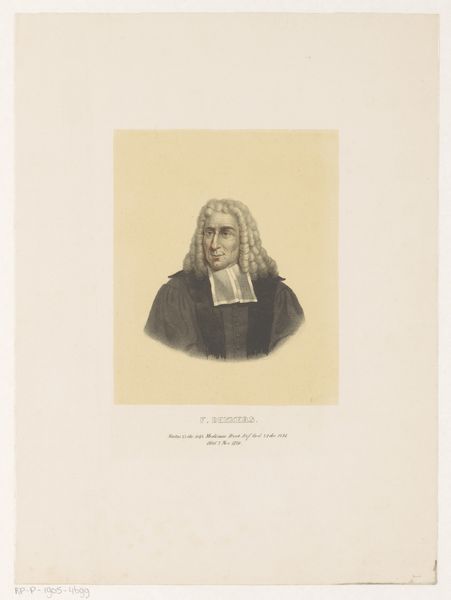
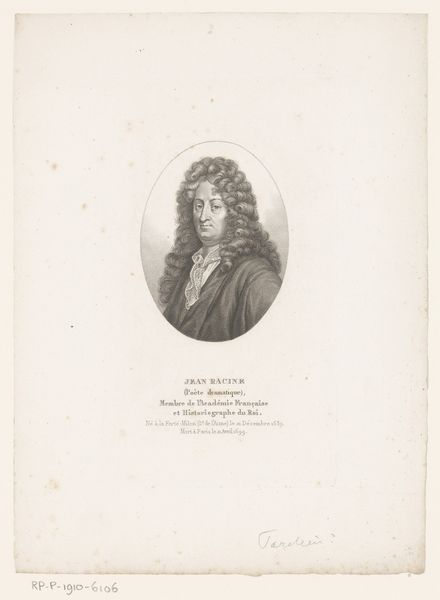
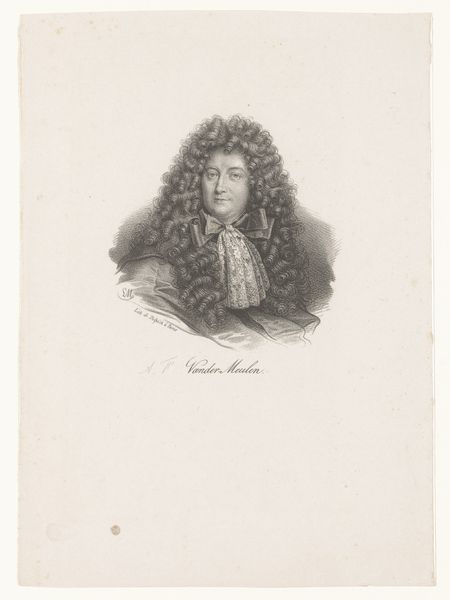
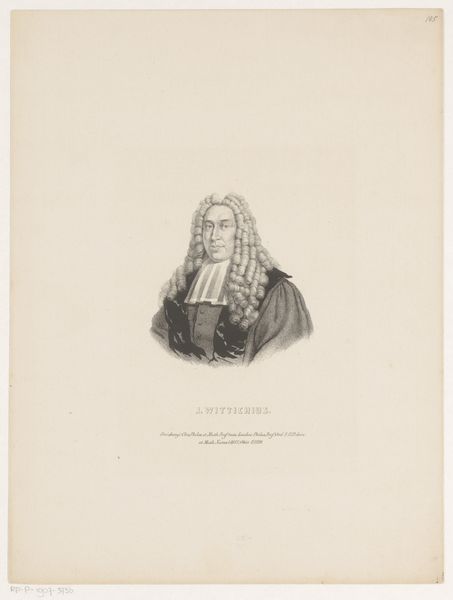
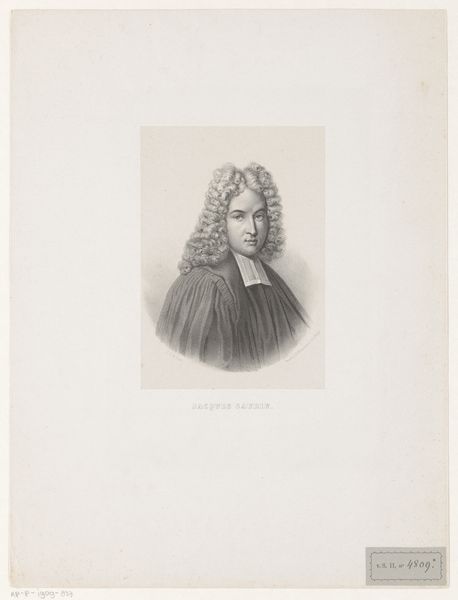
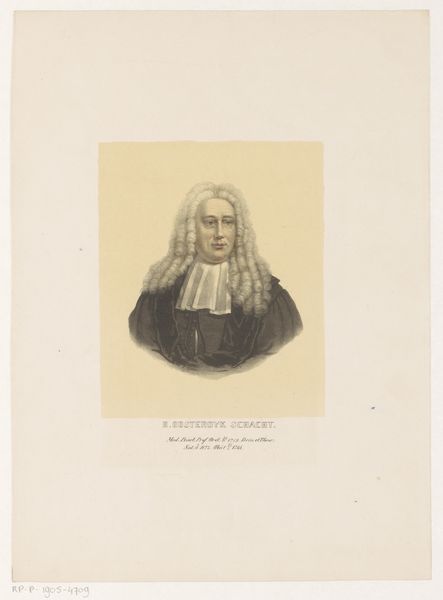
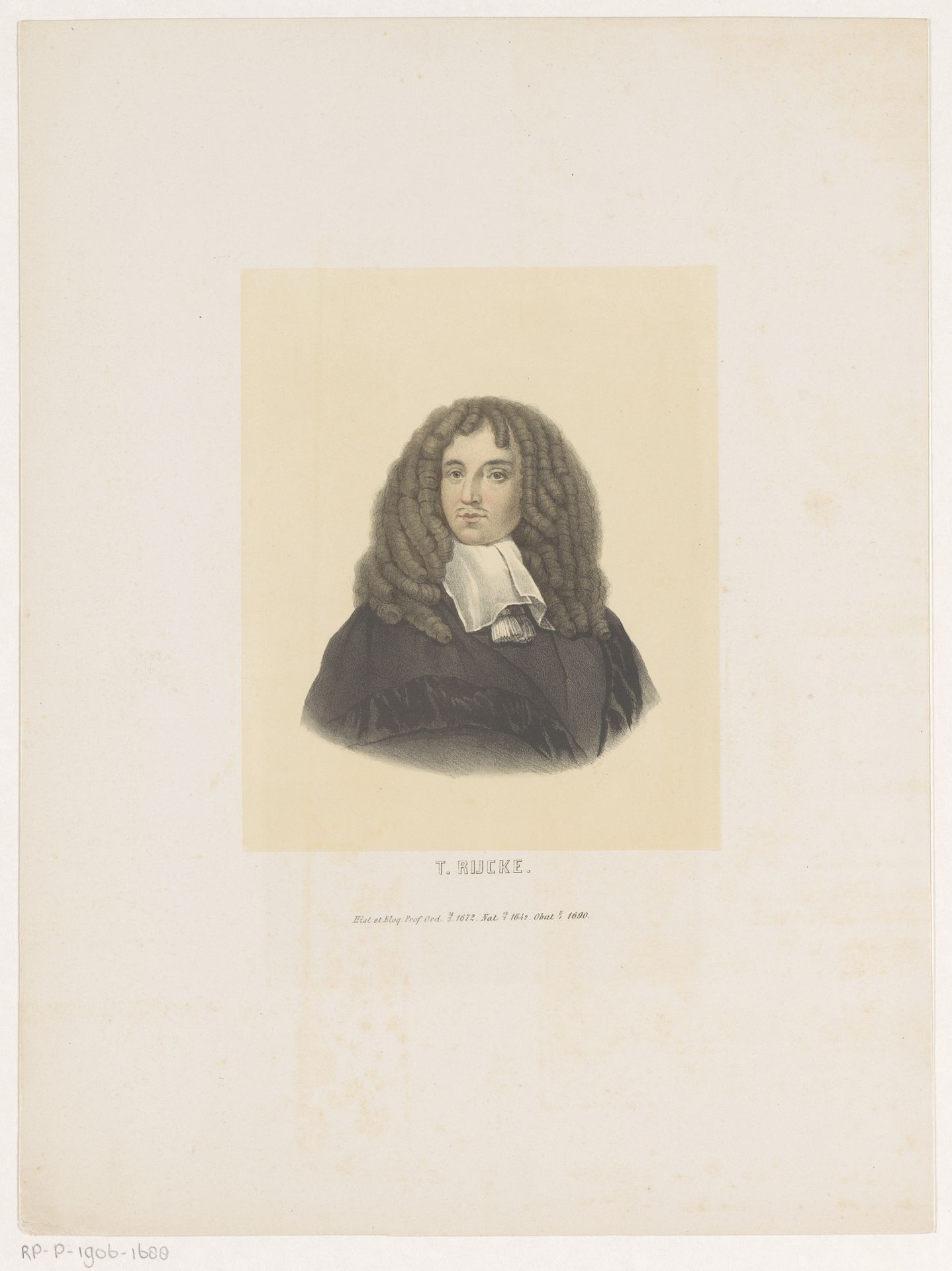
Leendert Springer created this portrait of Theodorus Ryckius sometime in the 19th century. Ryckius, who lived from 1640 to 1690, was a professor of rhetoric and history at the University of Harderwijk, thus the portrait is likely a posthumous depiction of a man who embodied the intellectual life of the Dutch Golden Age. Note the elaborate wig. Style was paramount, but it also signified social status and belonging to a certain intellectual class. The stern gaze and formal attire suggest a man of considerable importance and intellect. Consider what it meant to memorialize Ryckius, likely centuries after his death. What aspects of Dutch society were being celebrated, and what values were being upheld through this act of remembrance? How might this image function as a statement of cultural identity and historical continuity? Portraits like these remind us of the stories we tell about ourselves and the figures we choose to immortalize, shaping our understanding of the past and its relevance to the present.

Artwork details
- Dimensions
- height 350 mm, width 262 mm
- Copyright
- Rijks Museum: Open Domain
Comments
Share your thoughts
About this artwork
Leendert Springer created this portrait of Theodorus Ryckius sometime in the 19th century. Ryckius, who lived from 1640 to 1690, was a professor of rhetoric and history at the University of Harderwijk, thus the portrait is likely a posthumous depiction of a man who embodied the intellectual life of the Dutch Golden Age. Note the elaborate wig. Style was paramount, but it also signified social status and belonging to a certain intellectual class. The stern gaze and formal attire suggest a man of considerable importance and intellect. Consider what it meant to memorialize Ryckius, likely centuries after his death. What aspects of Dutch society were being celebrated, and what values were being upheld through this act of remembrance? How might this image function as a statement of cultural identity and historical continuity? Portraits like these remind us of the stories we tell about ourselves and the figures we choose to immortalize, shaping our understanding of the past and its relevance to the present.
Comments
Share your thoughts