About this artwork
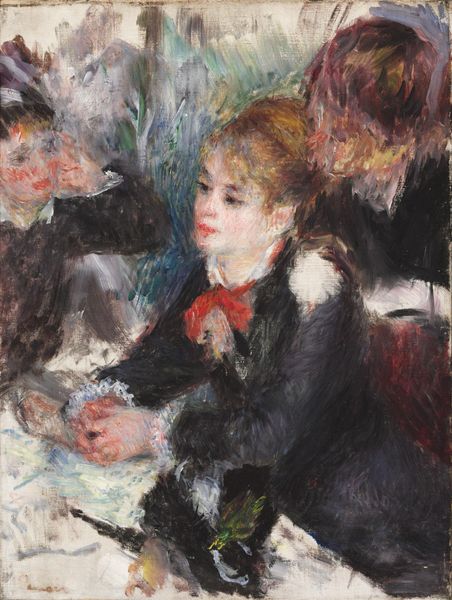
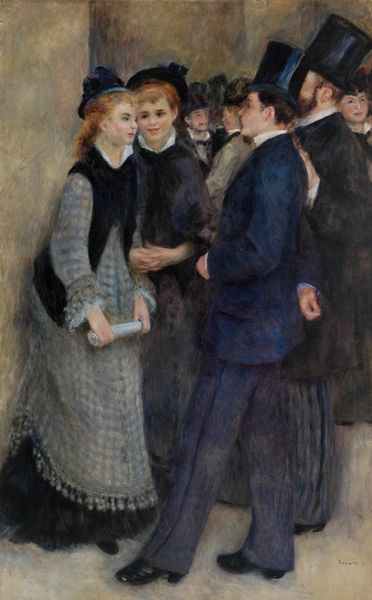
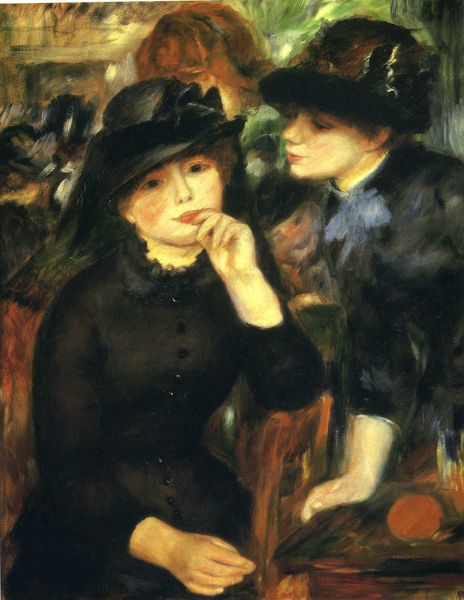
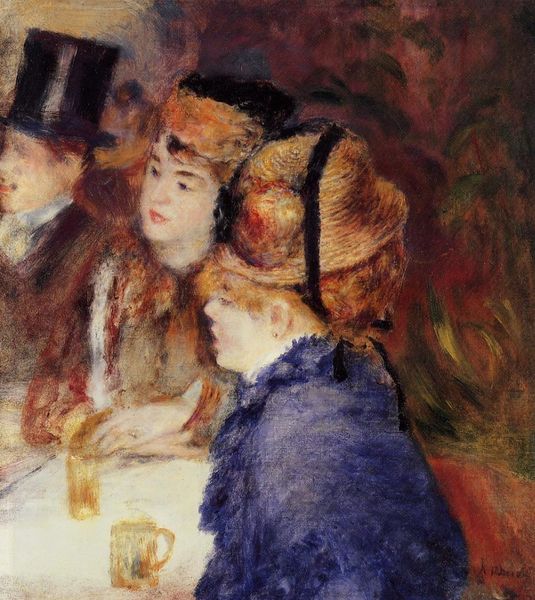
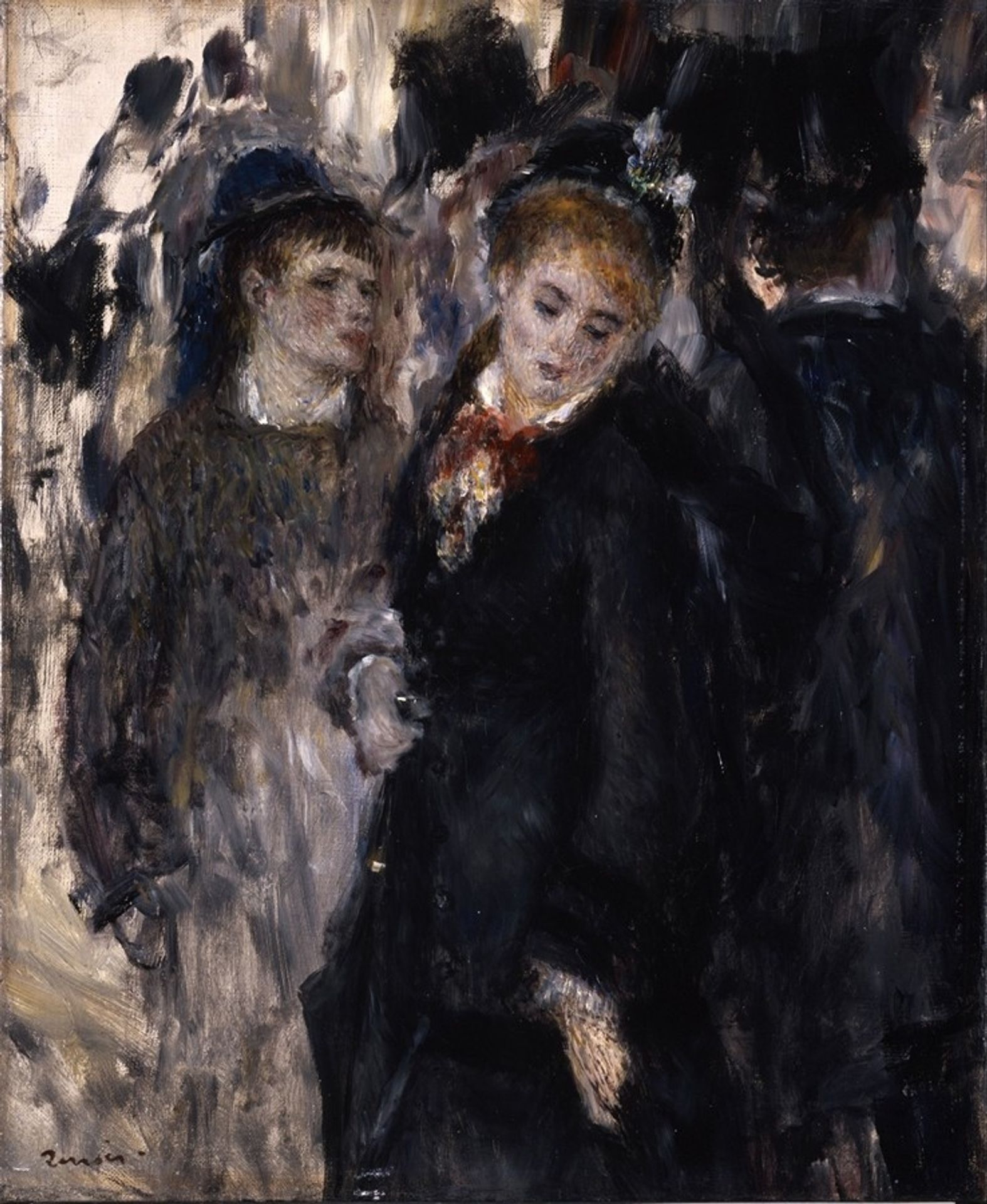
Pierre-Auguste Renoir captured these Young Girls with oil on canvas, portraying a motif of youthful innocence amidst the bustling crowd. The averted gaze of the central figure carries echoes of modesty and introspection, a gesture we find repeated across centuries in portrayals of feminine virtue. Consider the medieval depictions of the Virgin Mary, often shown with a similarly downcast gaze, symbolizing purity and humility. Over time, this gesture has been passed down through art history, shifting from religious iconography to secular expressions of demureness. The psychological resonance of such gestures lies in their ability to evoke empathy and a sense of shared human experience, engaging viewers on a subconscious level with notions of beauty, vulnerability, and the passage of time. This non-linear progression demonstrates how symbols resurface, evolve, and take on new meanings in different historical contexts.

Artwork details
- Medium
- painting, oil-paint
- Copyright
- Public Domain: Artvee
Tags
portrait
figurative
painting
impressionism
oil-paint
figuration
oil painting
Comments
No comments
About this artwork
Pierre-Auguste Renoir captured these Young Girls with oil on canvas, portraying a motif of youthful innocence amidst the bustling crowd. The averted gaze of the central figure carries echoes of modesty and introspection, a gesture we find repeated across centuries in portrayals of feminine virtue. Consider the medieval depictions of the Virgin Mary, often shown with a similarly downcast gaze, symbolizing purity and humility. Over time, this gesture has been passed down through art history, shifting from religious iconography to secular expressions of demureness. The psychological resonance of such gestures lies in their ability to evoke empathy and a sense of shared human experience, engaging viewers on a subconscious level with notions of beauty, vulnerability, and the passage of time. This non-linear progression demonstrates how symbols resurface, evolve, and take on new meanings in different historical contexts.
Comments
No comments