About this artwork
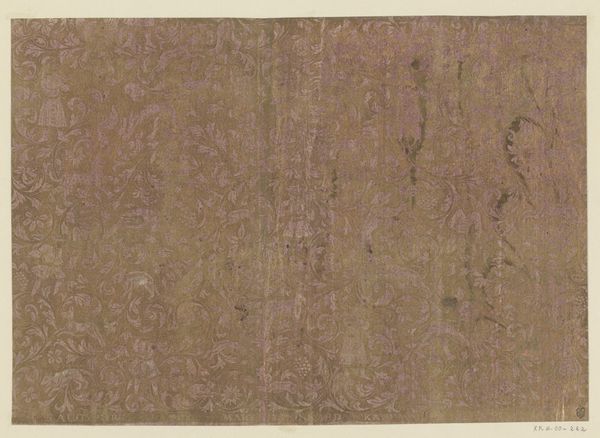
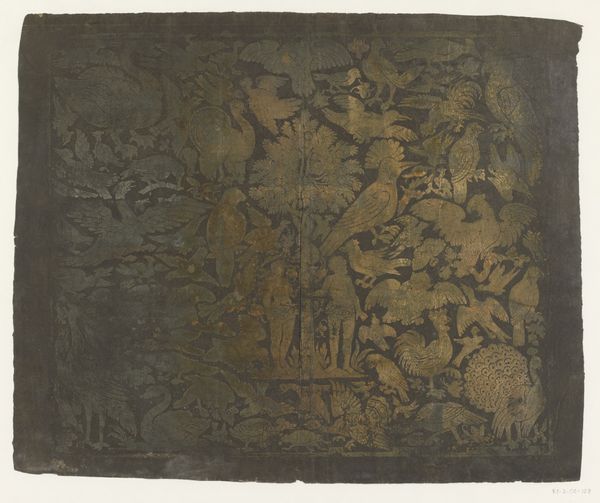
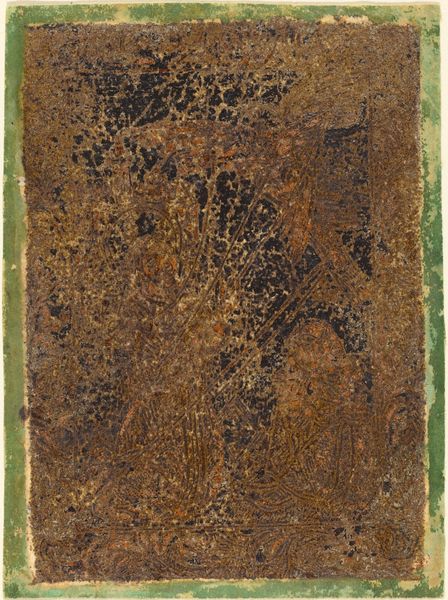
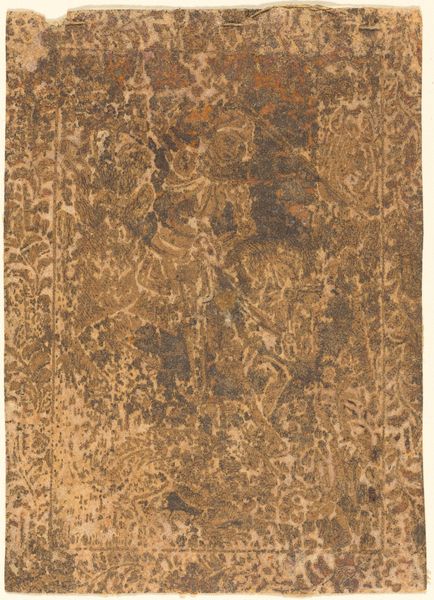
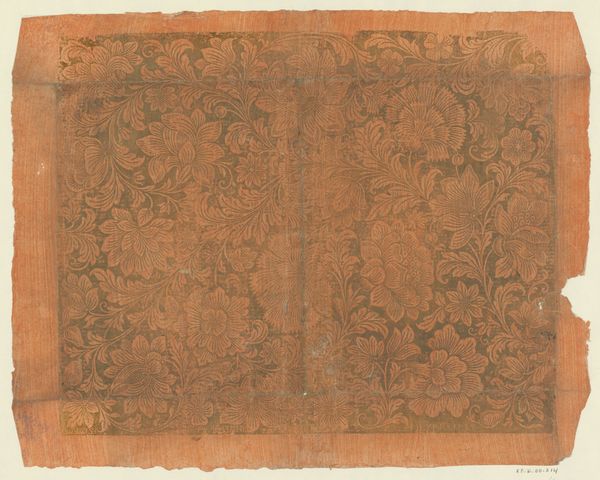
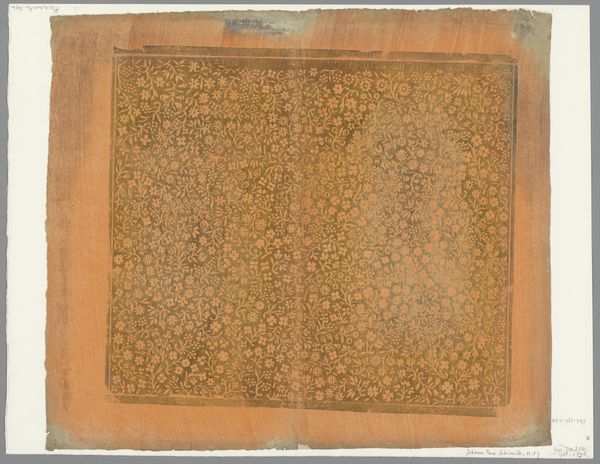
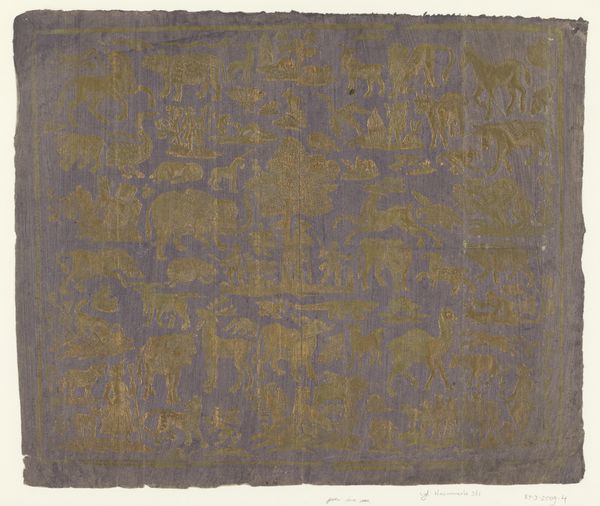
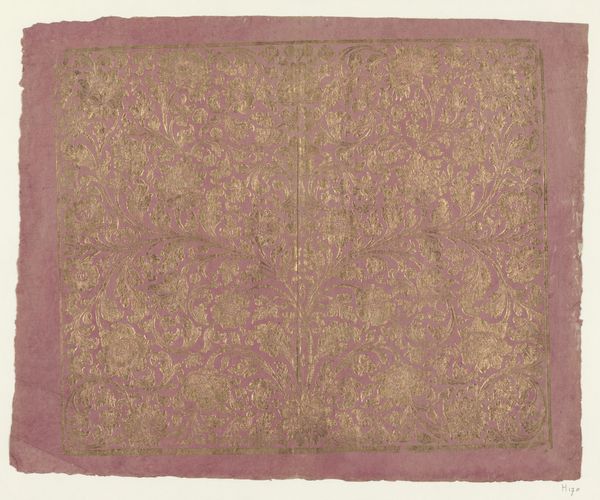
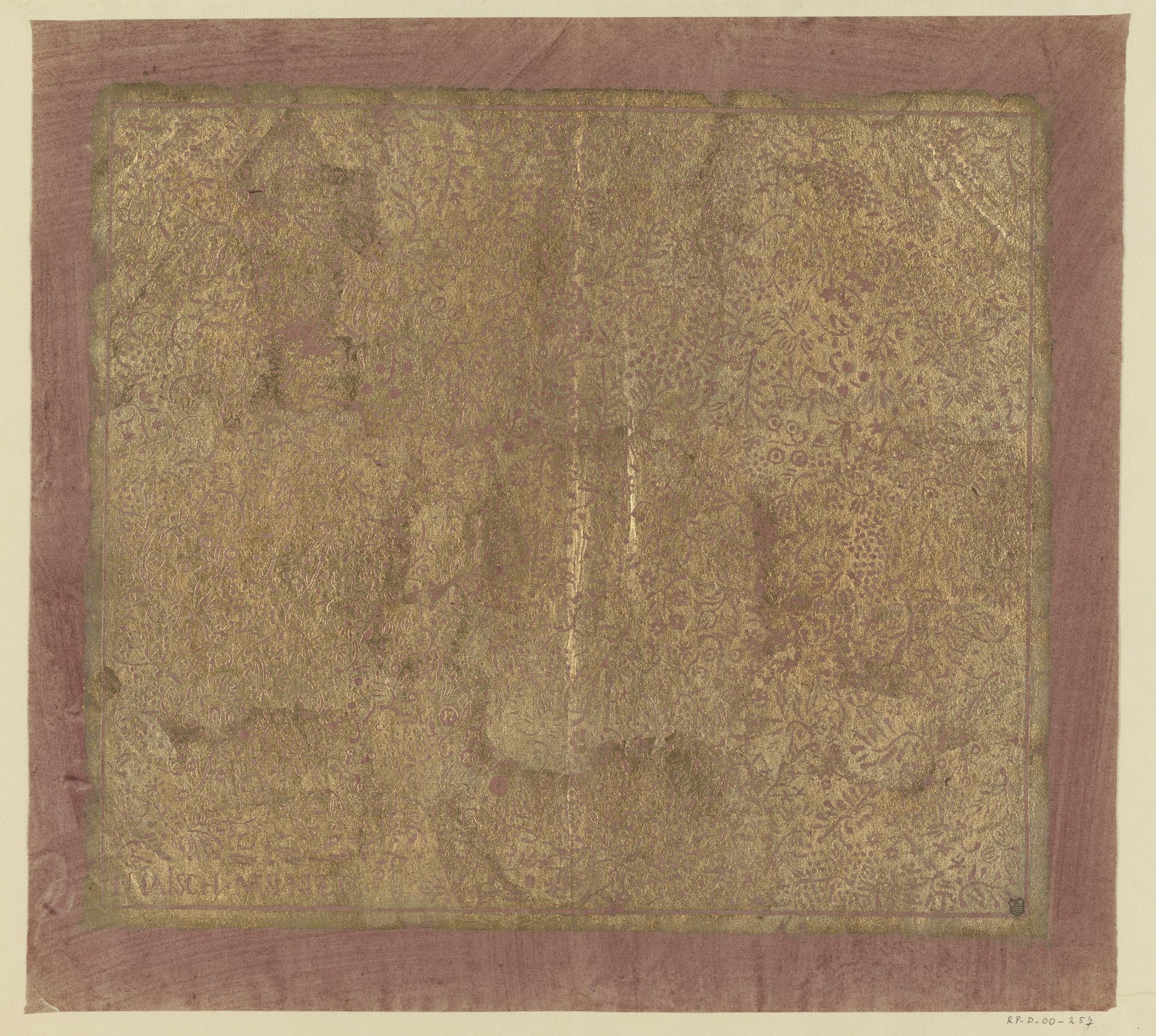
Johann Maisch created this drawing of tendrils with fruit in the early 19th century. The metallic gold color is suggestive of luxury and permanence, but this is undermined by the drawing’s actual fragility. Notice how the gold has been applied. It’s not a solid layer, but rather a fine pattern overlaid on the paper. This would have required immense patience, using tiny tools and a steady hand. The labor-intensive process gives the work an ornamental quality, reminiscent of textiles or wallpaper. It could have been intended as a design for a larger decorative scheme. While the gold finish evokes wealth, the drawing is on paper, a relatively inexpensive material. The combination of painstaking technique and modest materials raises interesting questions about value, and the social status of the artist. Was this a commissioned piece for a wealthy patron, or a personal exercise in skill and artistry? Considering the time and effort involved, it certainly elevates the status of drawing from a sketch to a highly precious and meticulously crafted object.

Artwork details
- Medium
- painting, watercolor
- Dimensions
- height 305 mm, width 350 mm
- Copyright
- Rijks Museum: Open Domain
Tags
organic
water colours
painting
watercolor
organic pattern
organic texture
watercolor
Comments
No comments
About this artwork
Johann Maisch created this drawing of tendrils with fruit in the early 19th century. The metallic gold color is suggestive of luxury and permanence, but this is undermined by the drawing’s actual fragility. Notice how the gold has been applied. It’s not a solid layer, but rather a fine pattern overlaid on the paper. This would have required immense patience, using tiny tools and a steady hand. The labor-intensive process gives the work an ornamental quality, reminiscent of textiles or wallpaper. It could have been intended as a design for a larger decorative scheme. While the gold finish evokes wealth, the drawing is on paper, a relatively inexpensive material. The combination of painstaking technique and modest materials raises interesting questions about value, and the social status of the artist. Was this a commissioned piece for a wealthy patron, or a personal exercise in skill and artistry? Considering the time and effort involved, it certainly elevates the status of drawing from a sketch to a highly precious and meticulously crafted object.
Comments
No comments