About this artwork
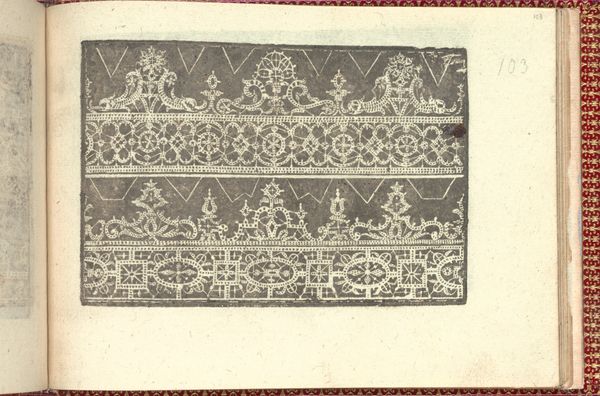
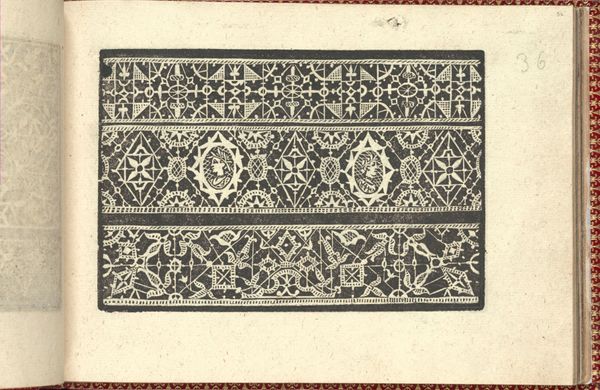
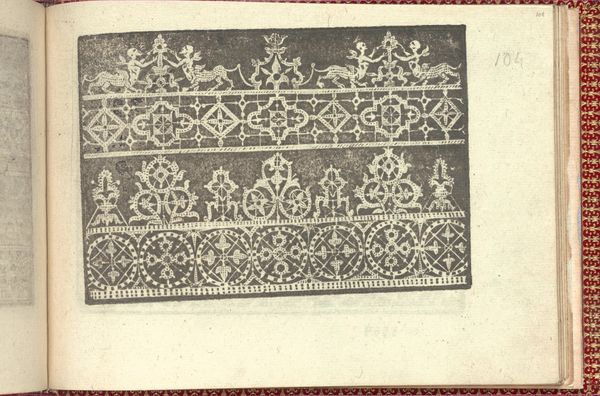
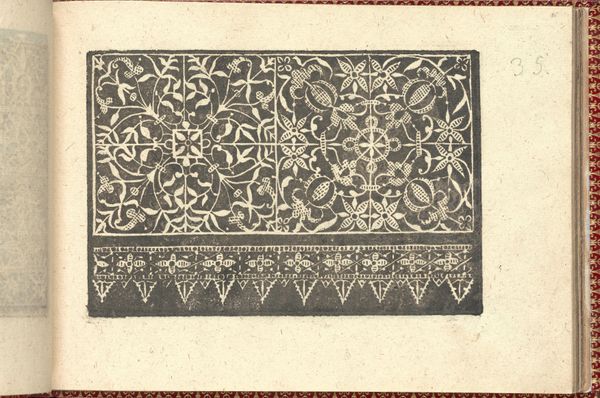
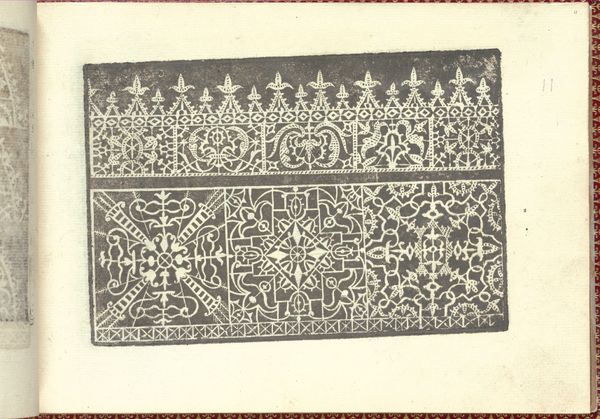
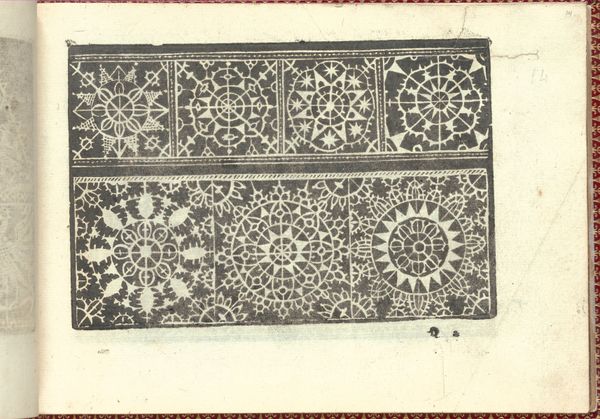
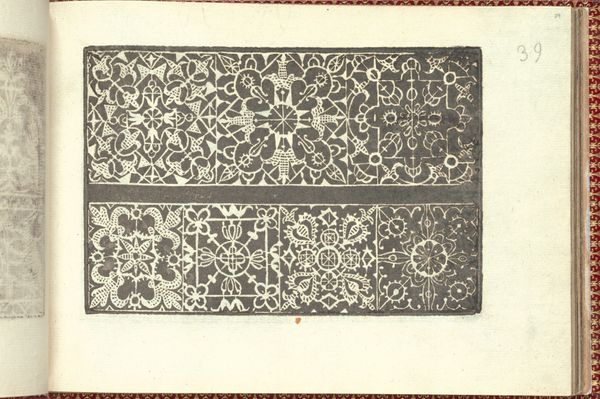
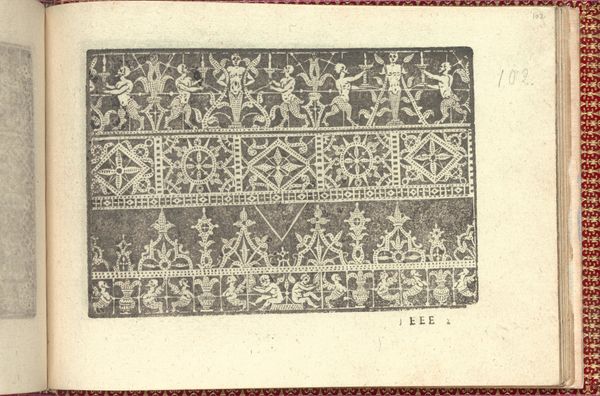
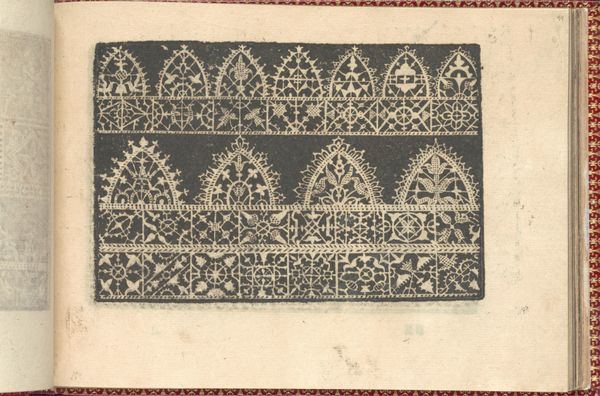
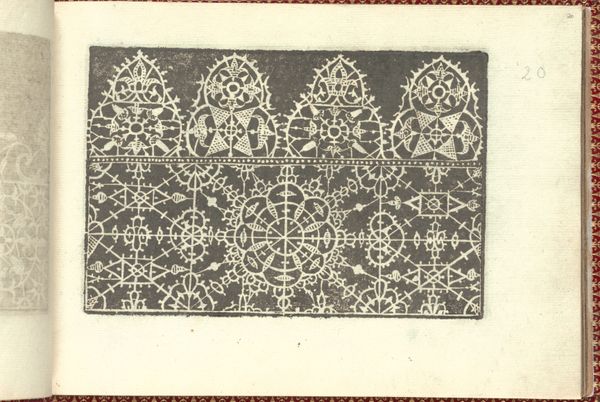
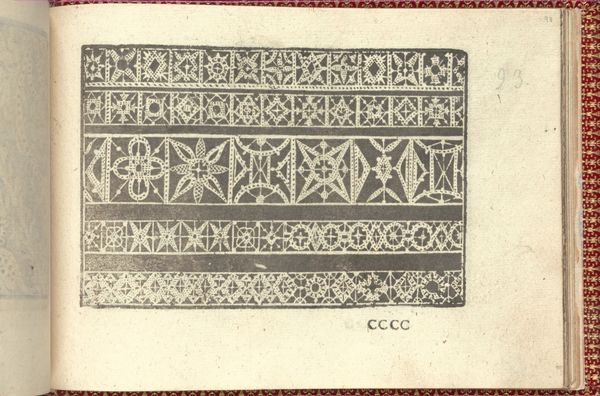
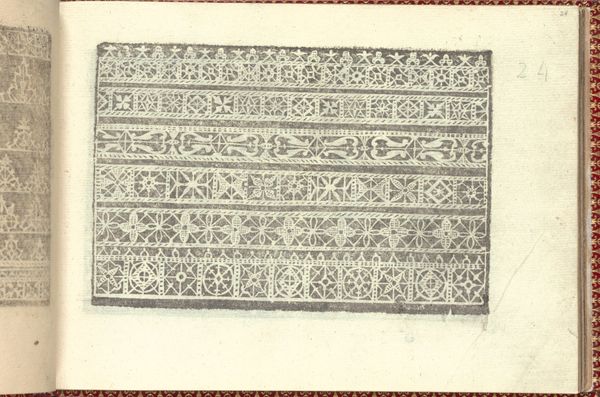
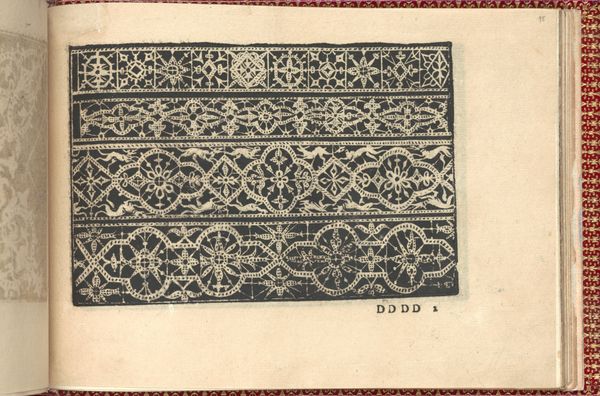
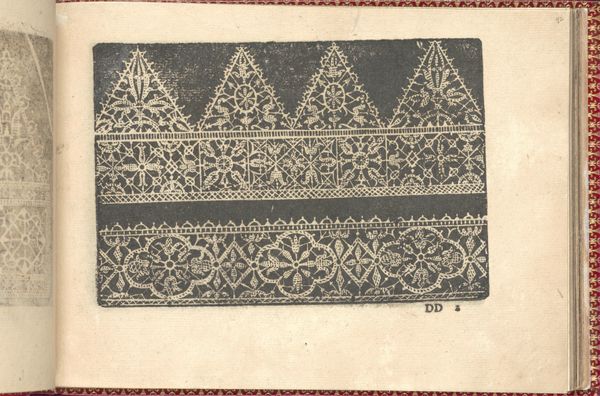
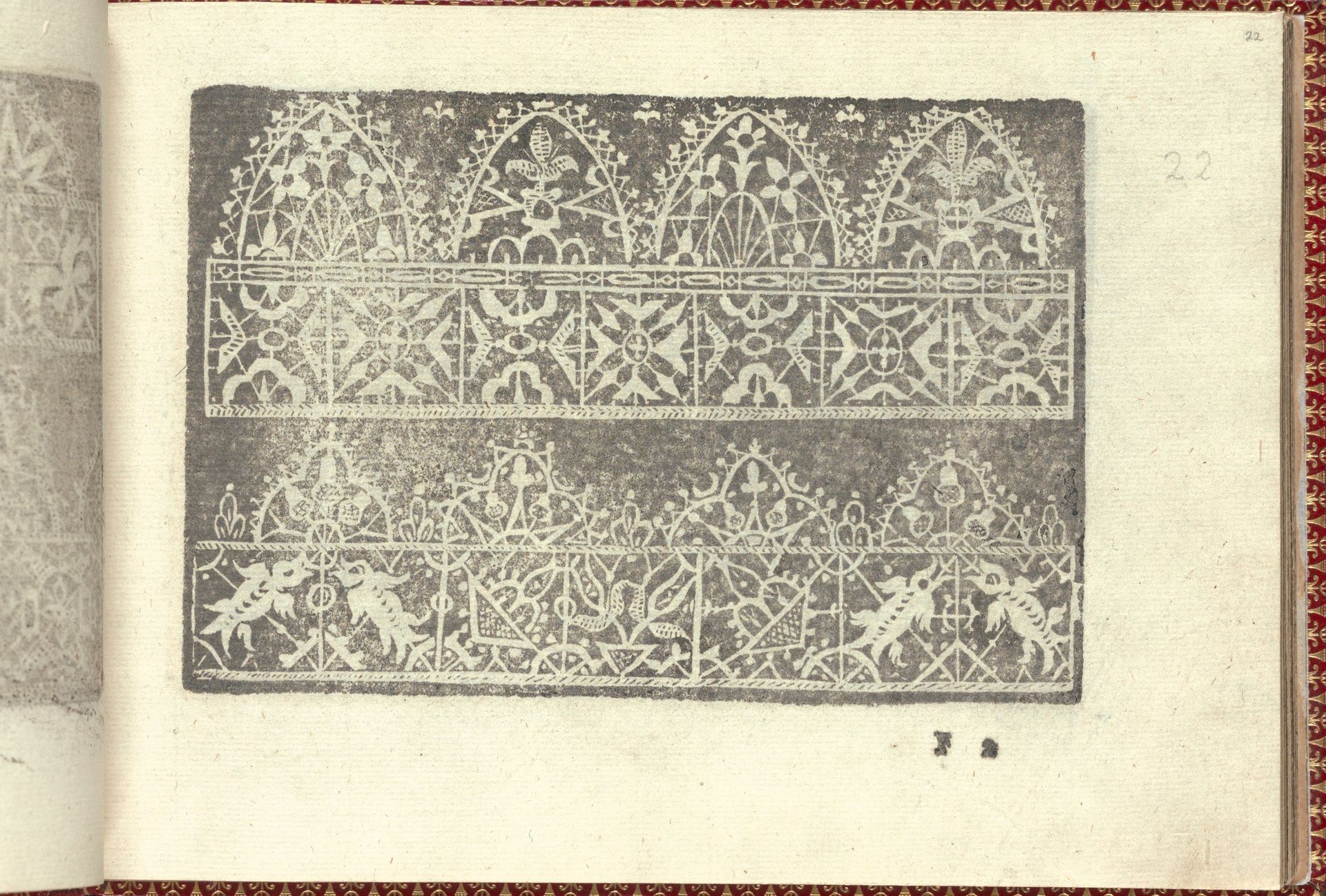
This is page 22 from Cesare Vecellio's book, "Corona delle Nobili et Virtuose Donne," printed in Venice, sometime in the 16th century. The book is an instruction manual for lacemaking, rendered through woodcut prints on paper. These designs give us a glimpse into the meticulous processes involved in creating lace, a luxury commodity that demanded immense patience and skill. The designs have a striking graphic quality. Note the interplay of geometric and organic motifs, repeated to form intricate patterns. These patterns served as templates for artisans, predominantly women, who would painstakingly recreate them using needle and thread. The production of lace was deeply embedded in social and economic structures of the time. It provided a source of income for many women but also perpetuated a system where their labor was often undervalued. Vecellio's book therefore isn't just about design, it is a document of the labor economy. By focusing on its material origins, we recognize how this book bridges the worlds of art, craft, and commerce.
Corona delle Nobili et Virtuose Donne: Libro I-IV, page 22 (recto)
1601


Artwork details
- Medium
- drawing, print, paper, woodcut
- Dimensions
- Overall: 5 1/2 x 7 11/16 in. (14 x 19.5 cm)
- Location
- Metropolitan Museum of Art, New York, NY
- Copyright
- Public Domain
Tags
drawing
aged paper
toned paper
book
pattern
paper
11_renaissance
woodcut
decorative-art
Comments
Be the first to share your thoughts about this work.
About this artwork
This is page 22 from Cesare Vecellio's book, "Corona delle Nobili et Virtuose Donne," printed in Venice, sometime in the 16th century. The book is an instruction manual for lacemaking, rendered through woodcut prints on paper. These designs give us a glimpse into the meticulous processes involved in creating lace, a luxury commodity that demanded immense patience and skill. The designs have a striking graphic quality. Note the interplay of geometric and organic motifs, repeated to form intricate patterns. These patterns served as templates for artisans, predominantly women, who would painstakingly recreate them using needle and thread. The production of lace was deeply embedded in social and economic structures of the time. It provided a source of income for many women but also perpetuated a system where their labor was often undervalued. Vecellio's book therefore isn't just about design, it is a document of the labor economy. By focusing on its material origins, we recognize how this book bridges the worlds of art, craft, and commerce.
Comments
Be the first to share your thoughts about this work.