About this artwork
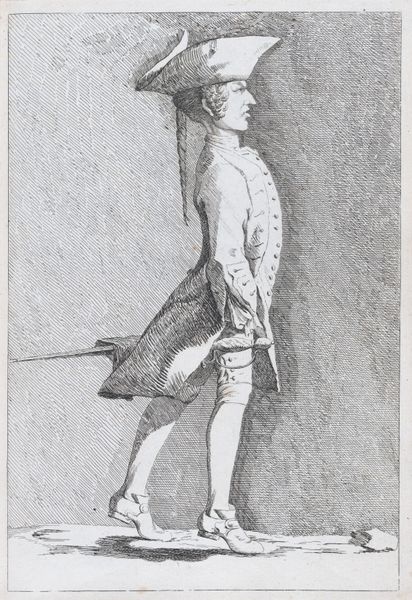
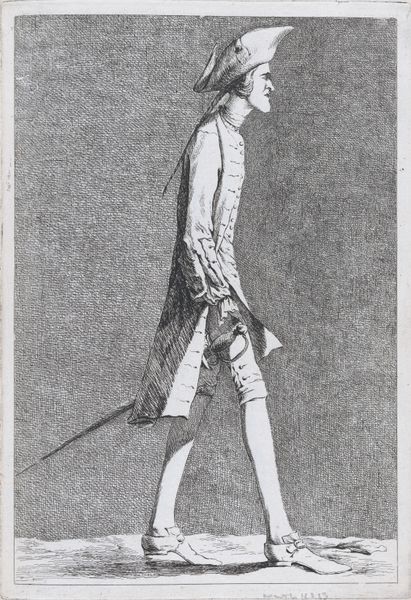
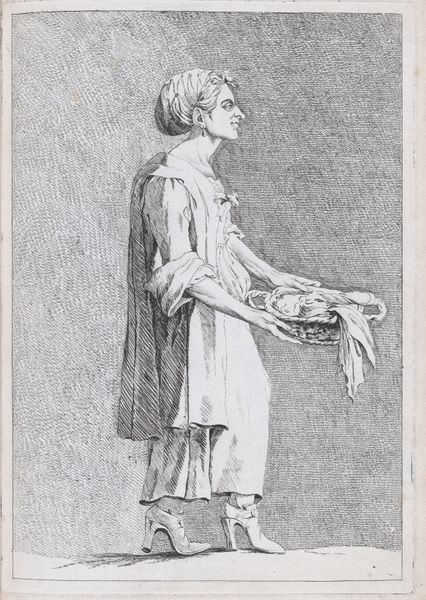
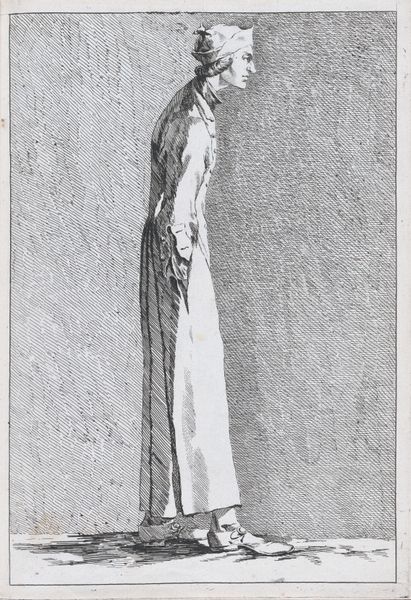
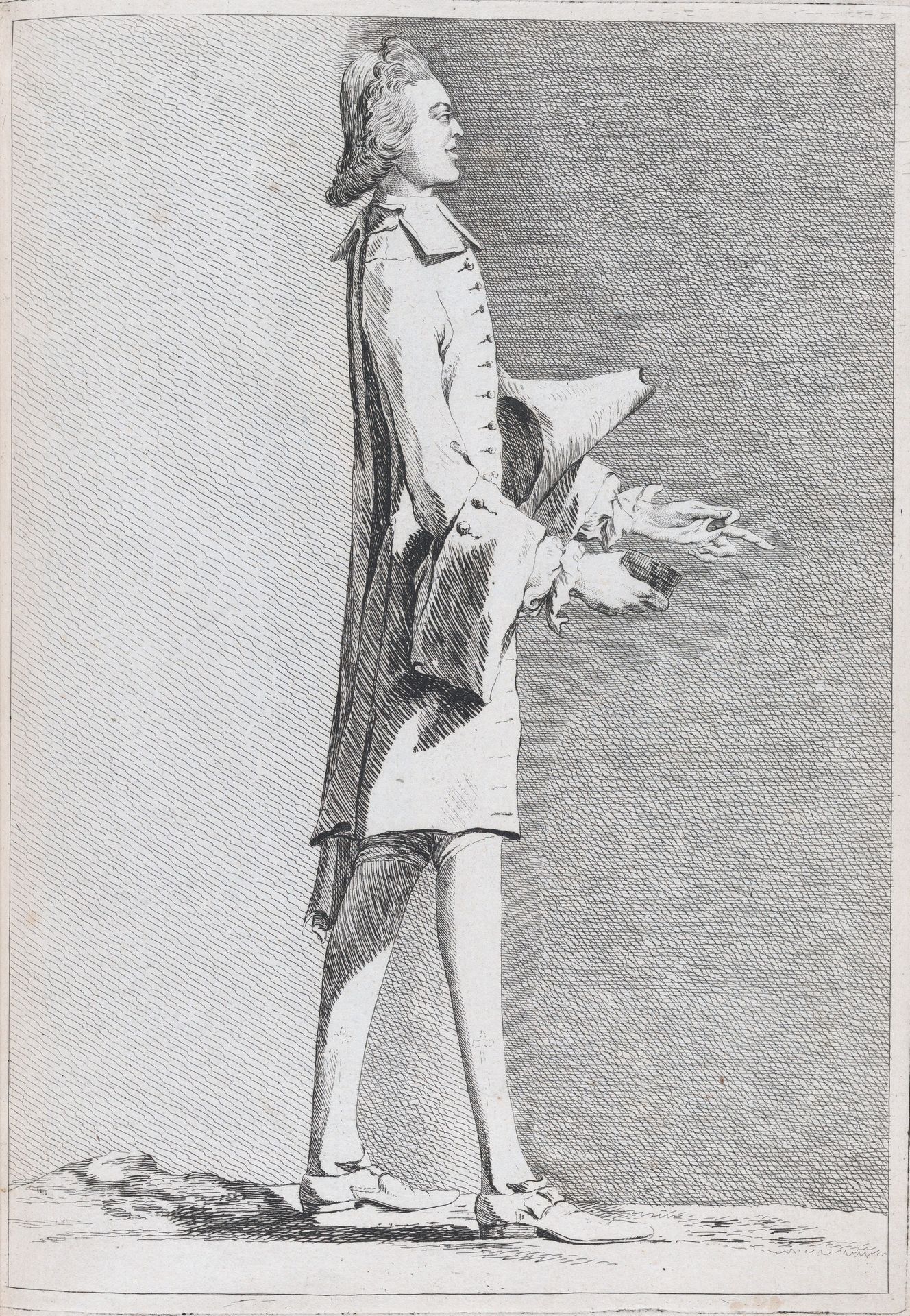
Ange-Laurent de La Live de Jully created this print, Abbot Emeric Brulon (?), as part of a series of caricatures during the height of the Enlightenment. De La Live de Jully’s satirical work offers insight into the social and political dynamics of 18th-century France. The figure, an abbot, is rendered with exaggerated features, subtly critiquing the power and privilege associated with the clergy. Through caricature, the artist engages with themes of identity, questioning the roles and expectations placed upon individuals within the rigid structures of the time. The print also reflects the growing tensions between the aristocracy and the common people, laying bare the complexities of class and status. Although satirical, this work carries a poignant dimension. It invites us to reflect on the tension between public perception and private identity, and how societal roles can both define and confine us.
Abbot Emeric Brulon (?), pl. XI from "Recueil de caricatures"
1749 - 1759

Ange-Laurent de La Live de Jully
1725 - 1779
The Metropolitan Museum of Art
Metropolitan Museum of Art, New York, NYArtwork details
- Medium
- drawing, print, engraving
- Dimensions
- Sheet: 11 1/8 × 7 7/8 in. (28.3 × 20 cm) Plate: 10 13/16 × 7 5/8 in. (27.4 × 19.3 cm)
- Location
- Metropolitan Museum of Art, New York, NY
- Copyright
- Public Domain
Tags
Comments
Share your thoughts
About this artwork
Ange-Laurent de La Live de Jully created this print, Abbot Emeric Brulon (?), as part of a series of caricatures during the height of the Enlightenment. De La Live de Jully’s satirical work offers insight into the social and political dynamics of 18th-century France. The figure, an abbot, is rendered with exaggerated features, subtly critiquing the power and privilege associated with the clergy. Through caricature, the artist engages with themes of identity, questioning the roles and expectations placed upon individuals within the rigid structures of the time. The print also reflects the growing tensions between the aristocracy and the common people, laying bare the complexities of class and status. Although satirical, this work carries a poignant dimension. It invites us to reflect on the tension between public perception and private identity, and how societal roles can both define and confine us.
Comments
Share your thoughts