About this artwork
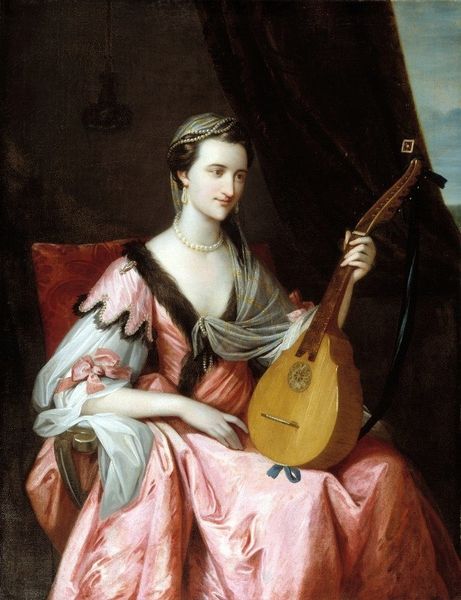
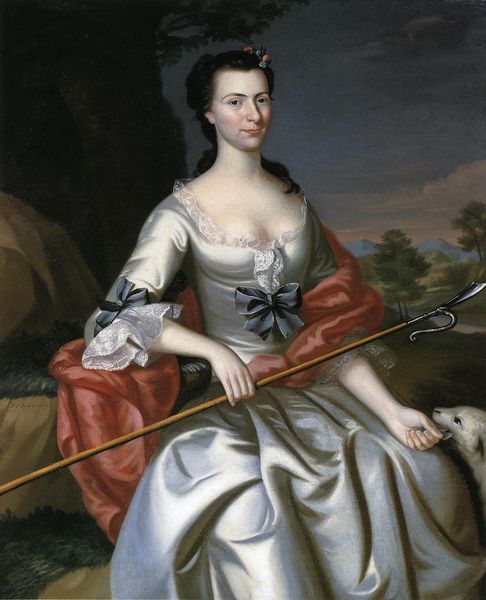
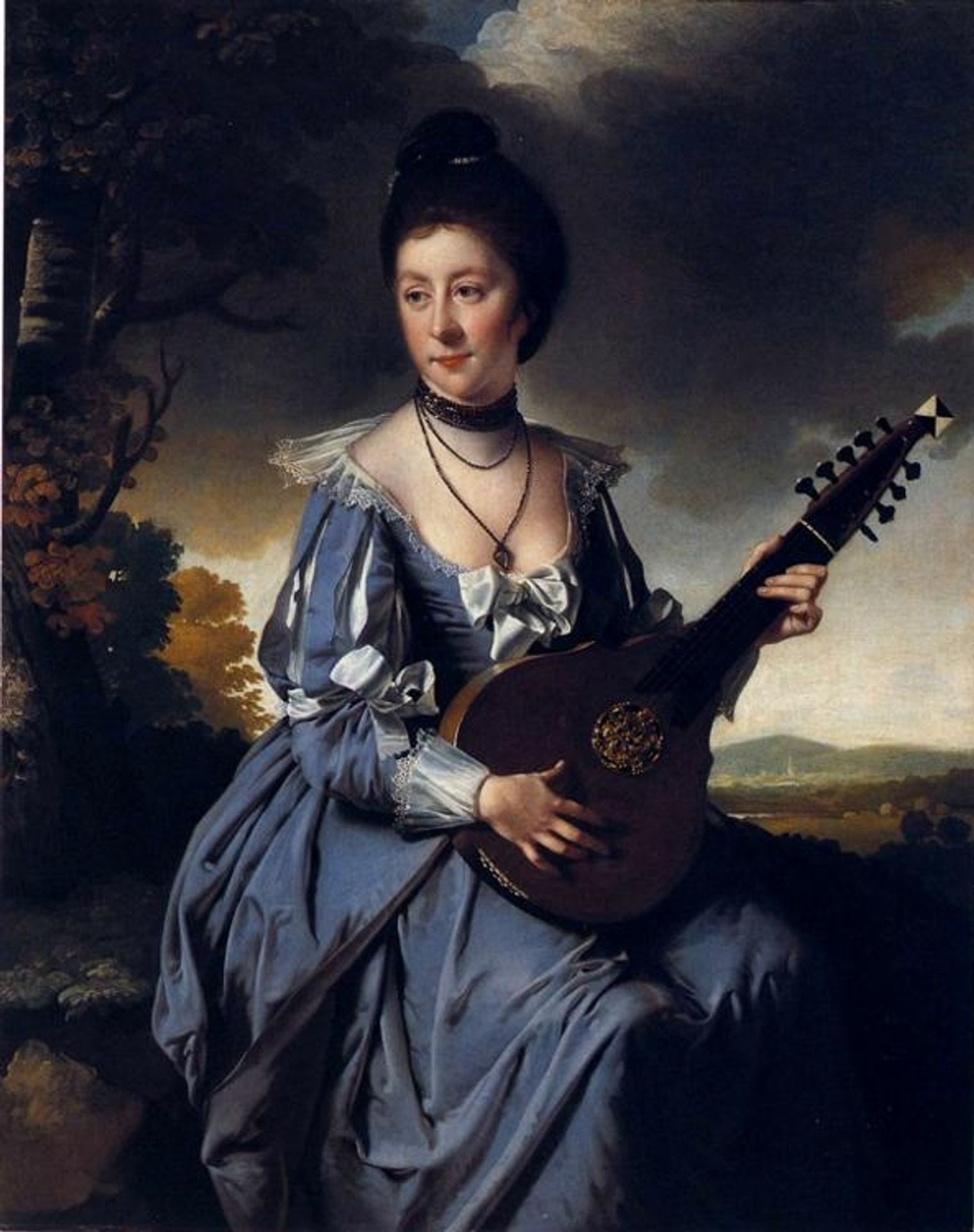
Joseph Wright of Derby painted "Mrs. Robert Gwillym," an oil on canvas, during a time when the Enlightenment ideals of reason and individualism were reshaping British society. The portrait captures Mrs. Gwillym holding a lute, an instrument associated with refinement and leisure, reflecting the cultural pursuits of women in her social standing. Wright, however, was known for his unconventional approach to portraiture. Rather than simply presenting a picture of wealth, he often hinted at the intellectual or emotional depth of his subjects. Mrs. Gwillym is depicted outdoors, engaging in a pastime, which suggests a life of privilege, yet her expression is thoughtful. The detailed rendering of her attire speaks to the class distinctions of the time, while the musical instrument signifies the accomplishments expected of women in polite society. Wright’s portraits offer a glimpse into the complexities of identity and representation in 18th-century Britain, and Mrs. Robert Gwillym challenges us to consider the individual behind the social role.
Mrs. Robert Gwillym 1766

Joseph Wright of Derby
1734 - 1797Location
Saint Louis Art Museum, St. Louis, MO, USArtwork details
- Dimensions
- 127 x 101.6 cm
- Location
- Saint Louis Art Museum, St. Louis, MO, US
- Copyright
- Public domain
Comments
No comments
About this artwork
Joseph Wright of Derby painted "Mrs. Robert Gwillym," an oil on canvas, during a time when the Enlightenment ideals of reason and individualism were reshaping British society. The portrait captures Mrs. Gwillym holding a lute, an instrument associated with refinement and leisure, reflecting the cultural pursuits of women in her social standing. Wright, however, was known for his unconventional approach to portraiture. Rather than simply presenting a picture of wealth, he often hinted at the intellectual or emotional depth of his subjects. Mrs. Gwillym is depicted outdoors, engaging in a pastime, which suggests a life of privilege, yet her expression is thoughtful. The detailed rendering of her attire speaks to the class distinctions of the time, while the musical instrument signifies the accomplishments expected of women in polite society. Wright’s portraits offer a glimpse into the complexities of identity and representation in 18th-century Britain, and Mrs. Robert Gwillym challenges us to consider the individual behind the social role.
Comments
No comments