About this artwork
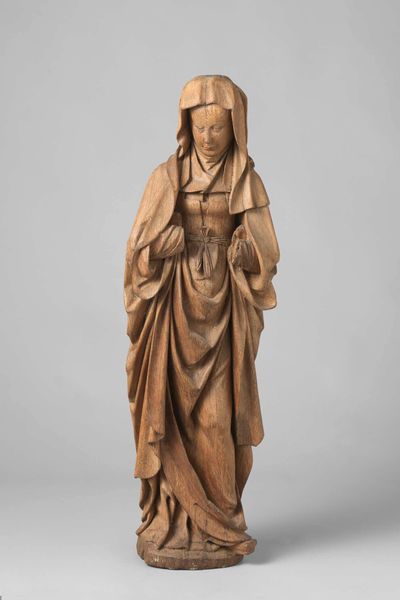
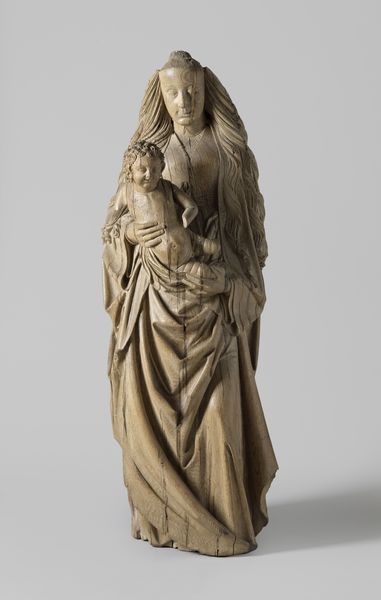
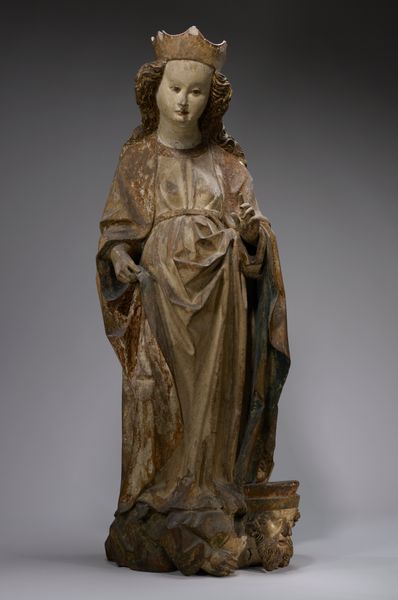
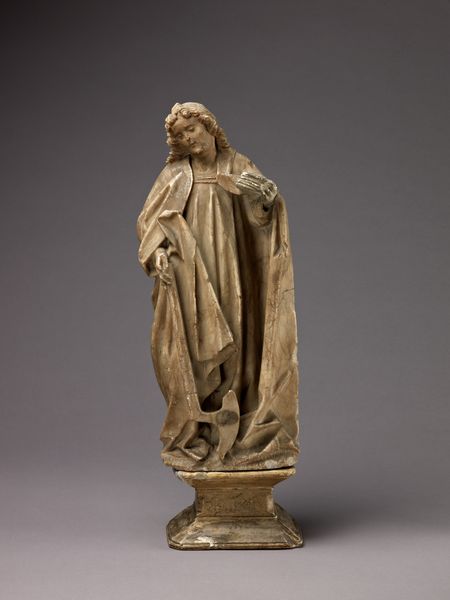
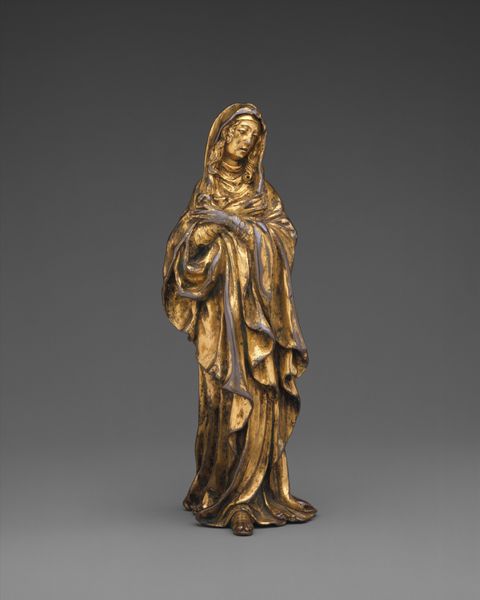
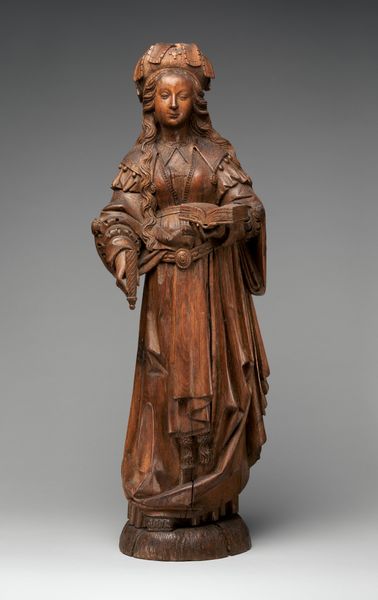
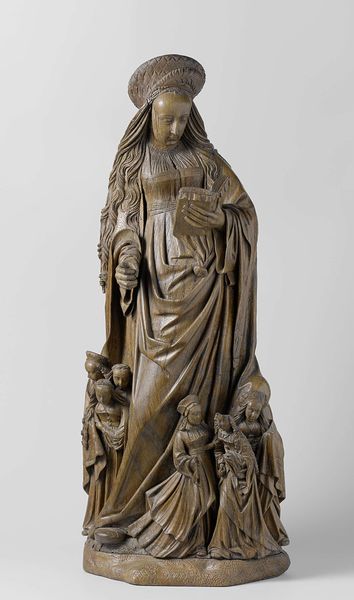
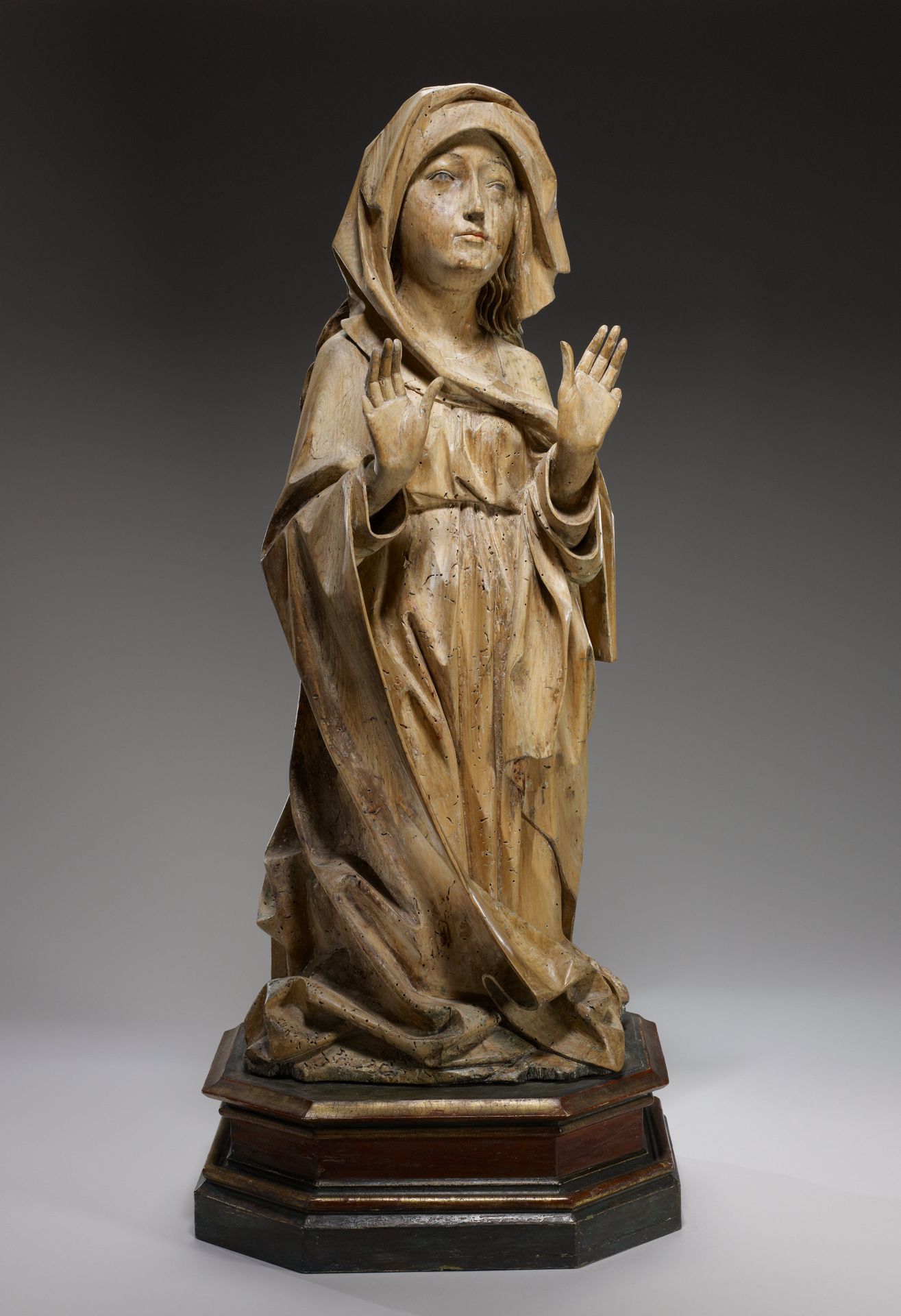
This Mary Magdalene was carved, probably in the late 15th century, from a single block of lindenwood. Look closely and you will see the sharp undercuts and expressive drapery characteristic of the period. The sculpture retains much of its original polychromy, which is now worn away in places. This adds to the sense of the figure's humanity; the effect is of a soul laid bare. The making of such a sculpture would have involved specialized knowledge, and a division of labor. The sculptor may have been trained for many years. This artistry was deeply embedded in economic systems, driven by the demand for devotional images. The original commissioner of this sculpture may have been a wealthy individual or a religious institution. By understanding its materials, production and social context, we can appreciate the rich history embedded within this evocative sculpture.
Mary Magdalene c. 1460

Attributed to Nikolaus Gerhaerts van Leyden
1433 - 1473
Minneapolis Institute of Art
Minneapolis Institute of ArtArtwork details
- Medium
- sculpture, wood
- Location
- Minneapolis Institute of Art
- Copyright
- Public Domain
Tags
portrait
medieval
stone
sculpture
figuration
sculpting
sculpture
wood
northern-renaissance
Comments

She may be the Virgin Mary, amazed at the angelic announcement that she will give birth to a son, Jesus. Or she could be Mary Magdalene, surprised to see Jesus in the guise of a gardener after his resurrection from the dead. Either way, she is a key figure in one of two frequently illustrated scenes from the Bible, both highlighting the sudden and unexpected appearance of the divine in everyday life.
About this artwork
This Mary Magdalene was carved, probably in the late 15th century, from a single block of lindenwood. Look closely and you will see the sharp undercuts and expressive drapery characteristic of the period. The sculpture retains much of its original polychromy, which is now worn away in places. This adds to the sense of the figure's humanity; the effect is of a soul laid bare. The making of such a sculpture would have involved specialized knowledge, and a division of labor. The sculptor may have been trained for many years. This artistry was deeply embedded in economic systems, driven by the demand for devotional images. The original commissioner of this sculpture may have been a wealthy individual or a religious institution. By understanding its materials, production and social context, we can appreciate the rich history embedded within this evocative sculpture.
Comments
She may be the Virgin Mary, amazed at the angelic announcement that she will give birth to a son, Jesus. Or she could be Mary Magdalene, surprised to see Jesus in the guise of a gardener after his resurrection from the dead. Either way, she is a key figure in one of two frequently illustrated scenes from the Bible, both highlighting the sudden and unexpected appearance of the divine in everyday life.