About this artwork
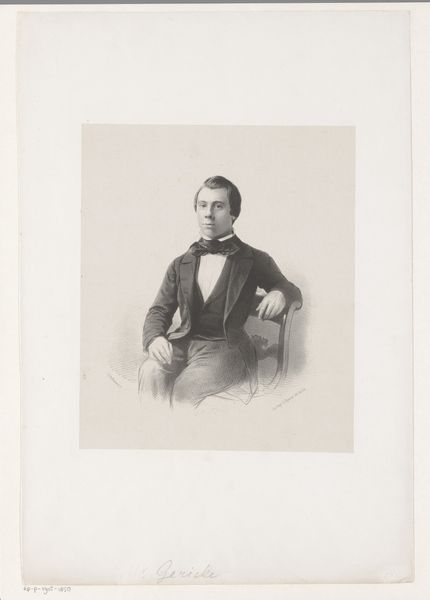
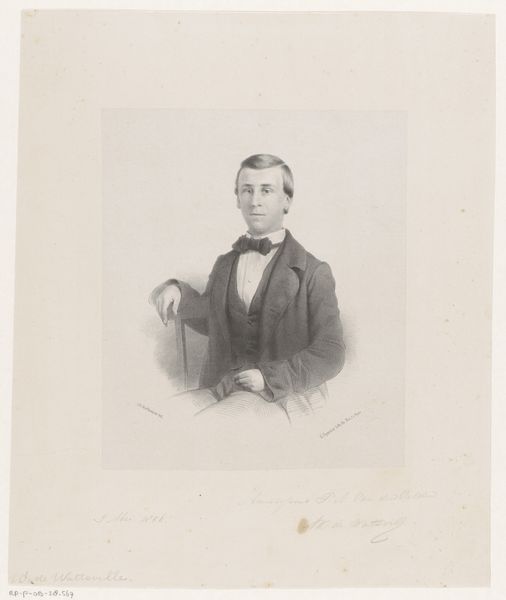
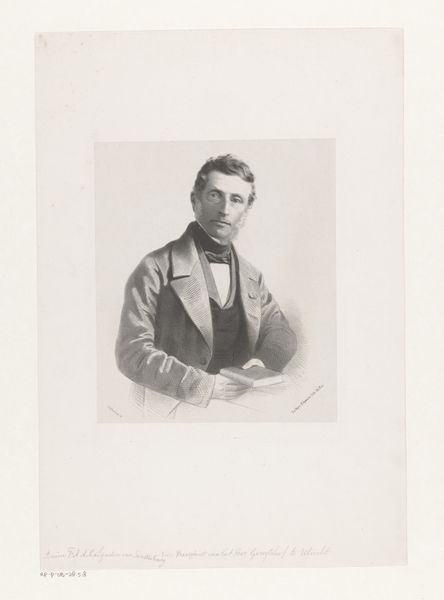
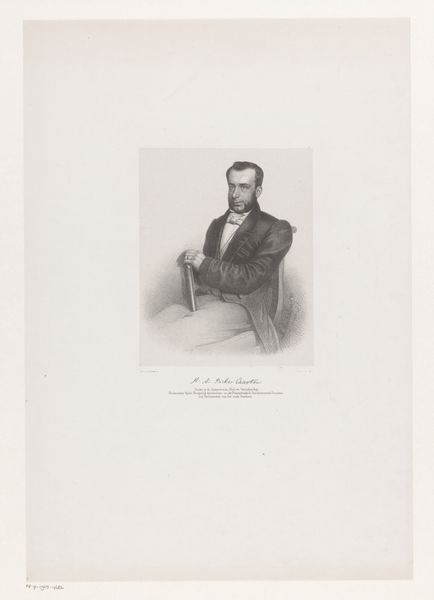
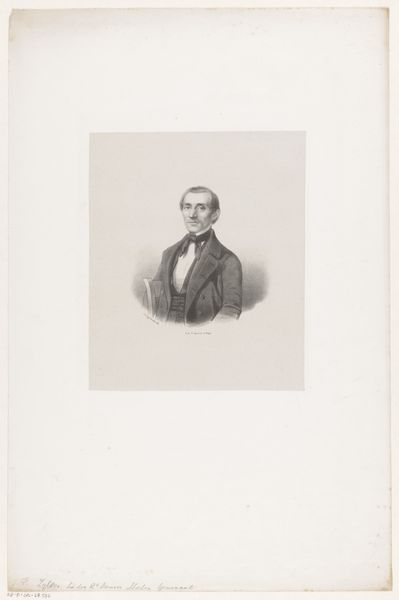
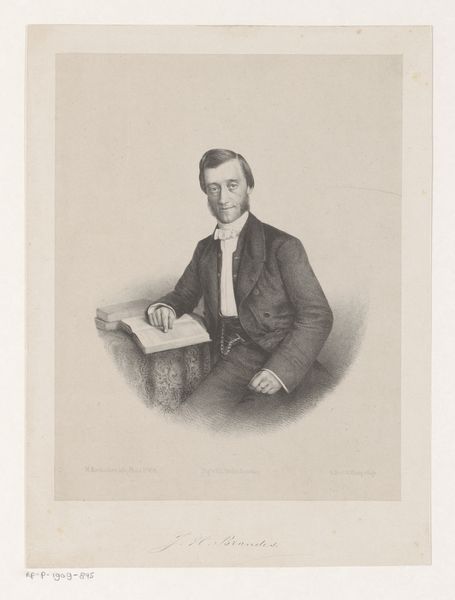
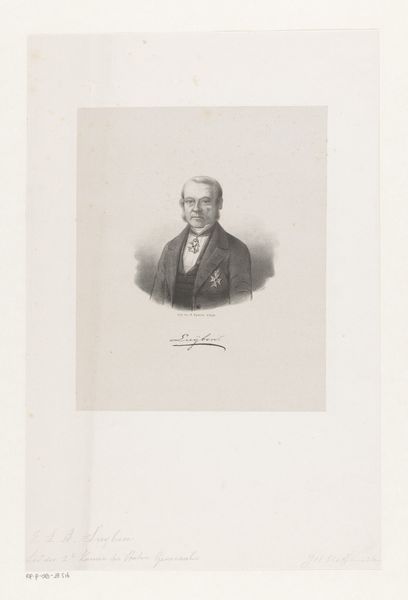
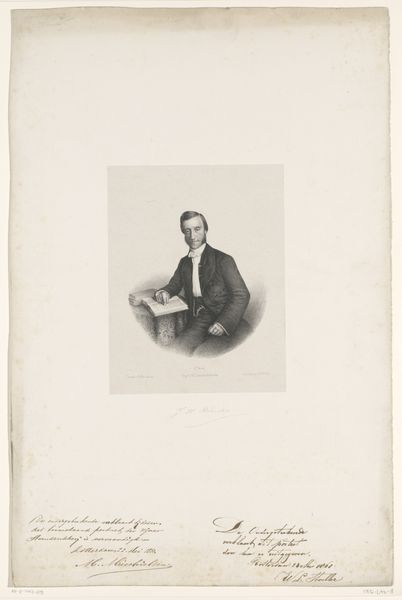
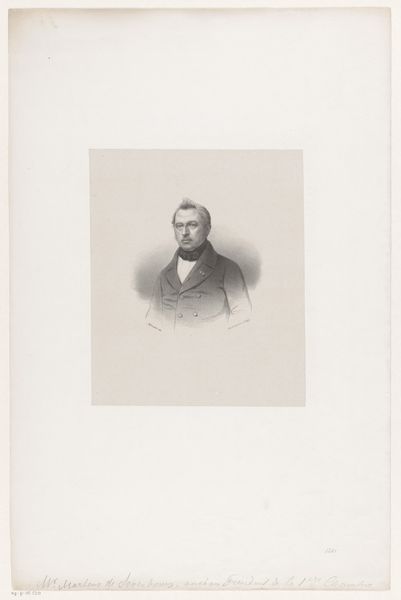
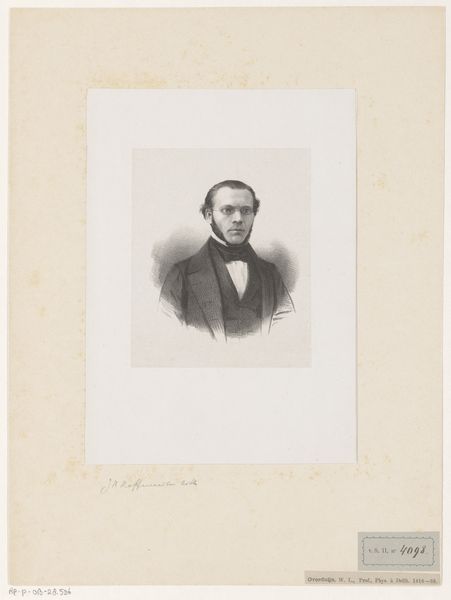
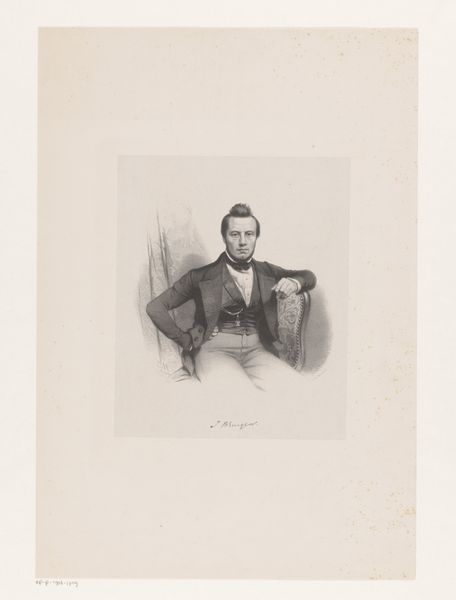
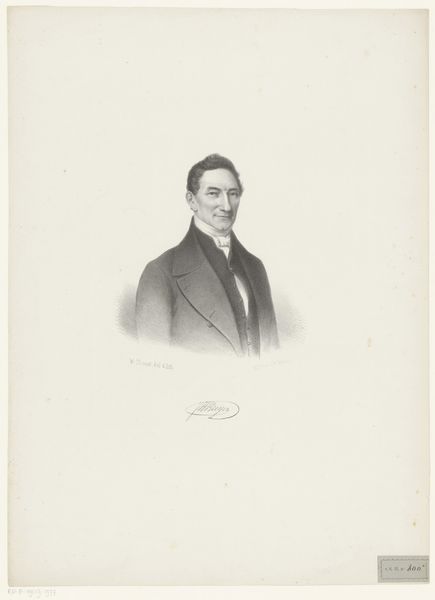
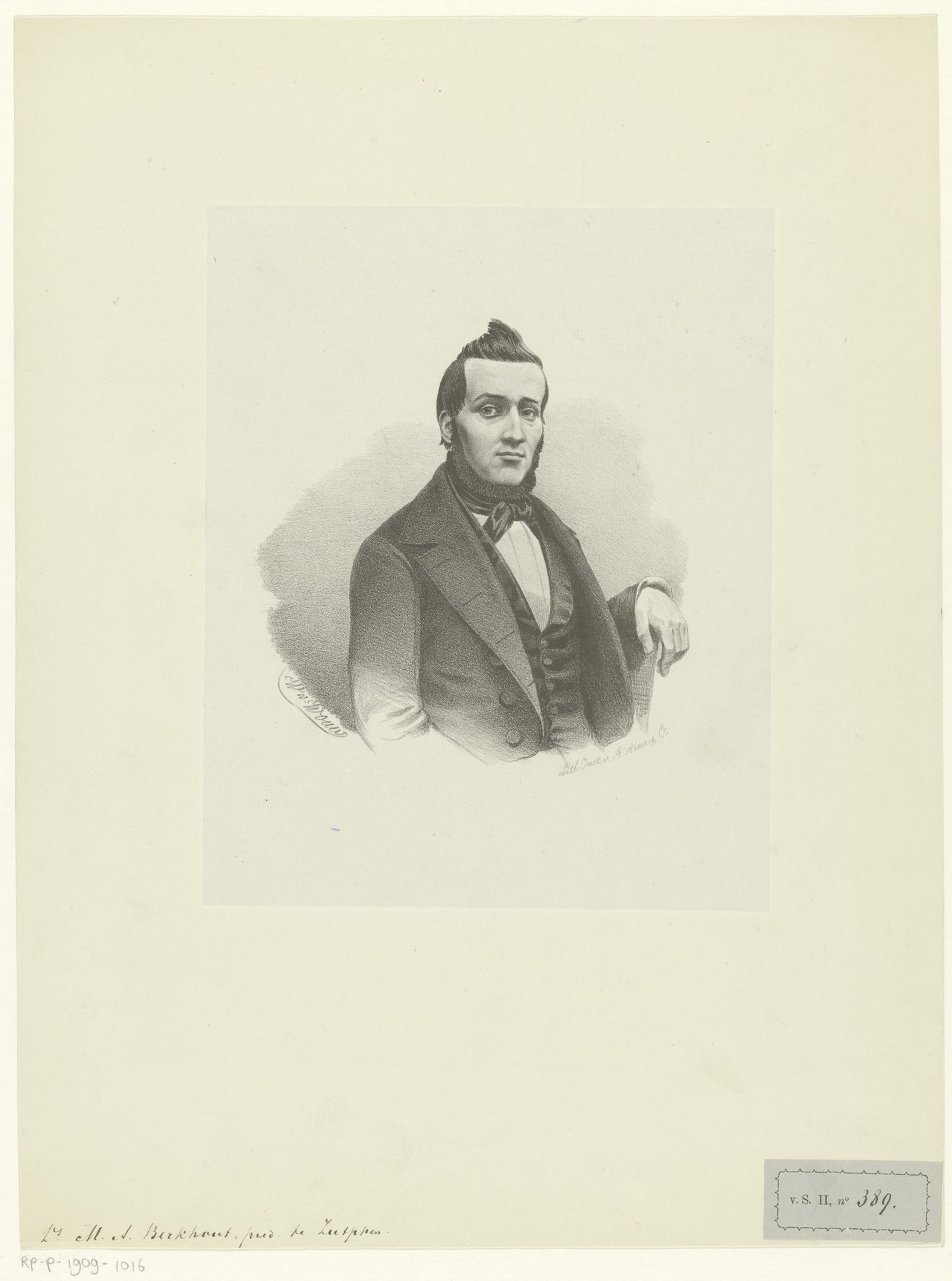
This is Willem Bastiaan van Wouw's lithograph, titled 'Portrait of an Unknown Man, Possibly M.A. Berkhout,' created during a time of significant social change in the Netherlands. The image depicts a man dressed in the bourgeois style, and yet there is something singular about his affect. The subject’s identity remains a mystery, yet his gaze and distinctive hairstyle speak to a powerful sense of self. Van Wouw's choice to portray this man, during a period of rigid social norms, raises questions about representation and individuality. This was a time of growing awareness around social identity, and we can feel this tension in the image. Is this an attempt to immortalize a member of the bourgeoisie, or perhaps to challenge the very notion of who gets remembered and why? The portrait invites us to consider the complexities of identity and representation during the 19th century.
Portret van een onbekende man, mogelijk M.A. Berkhout 1841 - 1853

Willem Bastiaan van Wouw
1822 - 1878Location
RijksmuseumArtwork details
- Medium
- print, engraving
- Dimensions
- height 340 mm, width 255 mm
- Location
- Rijksmuseum
- Copyright
- Rijks Museum: Open Domain
Tags
portrait
engraving
realism
Comments
No comments
About this artwork
This is Willem Bastiaan van Wouw's lithograph, titled 'Portrait of an Unknown Man, Possibly M.A. Berkhout,' created during a time of significant social change in the Netherlands. The image depicts a man dressed in the bourgeois style, and yet there is something singular about his affect. The subject’s identity remains a mystery, yet his gaze and distinctive hairstyle speak to a powerful sense of self. Van Wouw's choice to portray this man, during a period of rigid social norms, raises questions about representation and individuality. This was a time of growing awareness around social identity, and we can feel this tension in the image. Is this an attempt to immortalize a member of the bourgeoisie, or perhaps to challenge the very notion of who gets remembered and why? The portrait invites us to consider the complexities of identity and representation during the 19th century.
Comments
No comments