before 1870
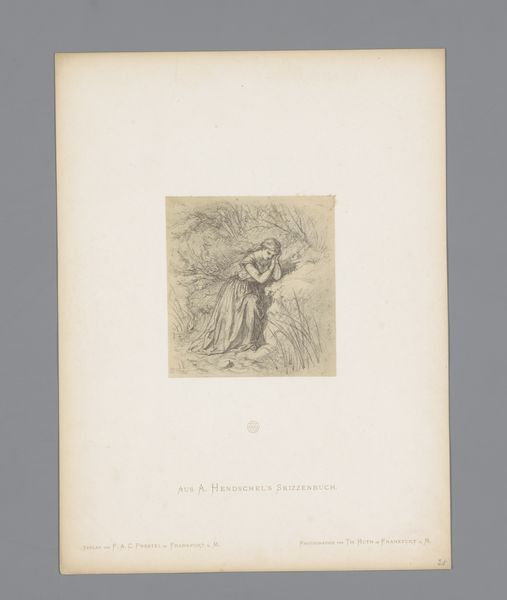
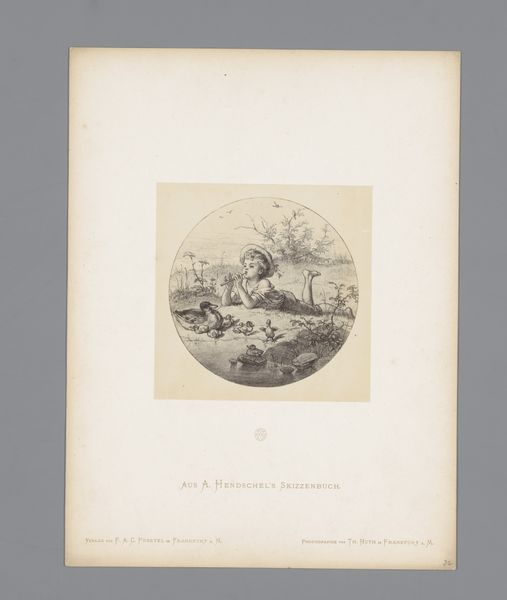
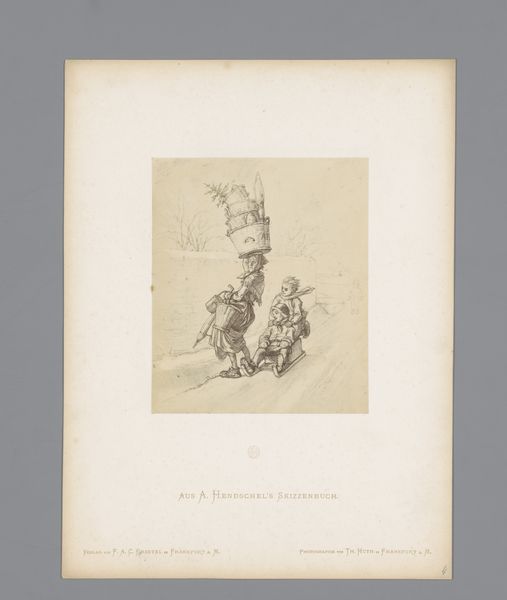
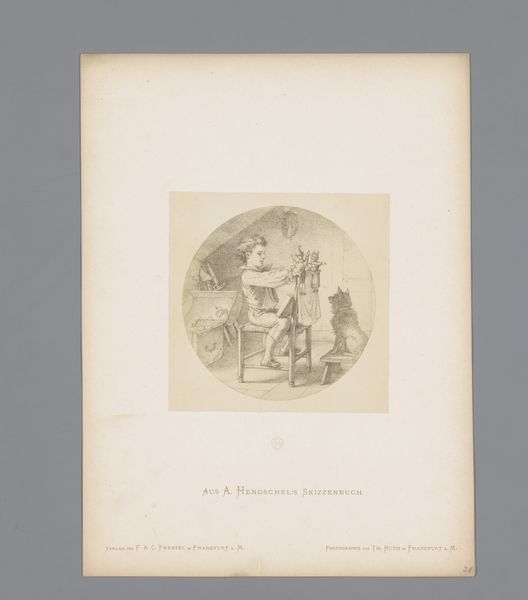
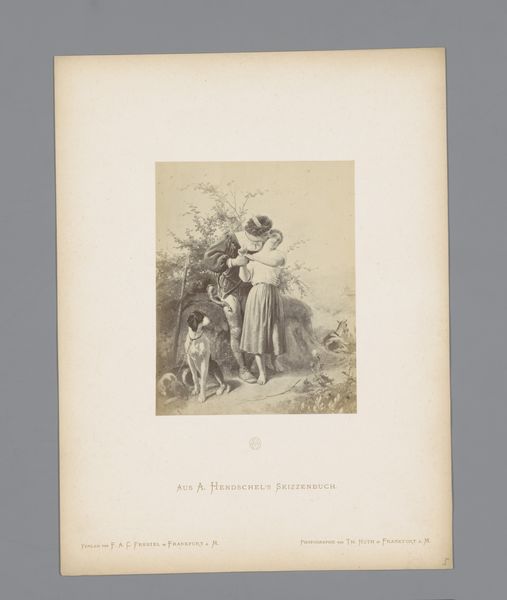
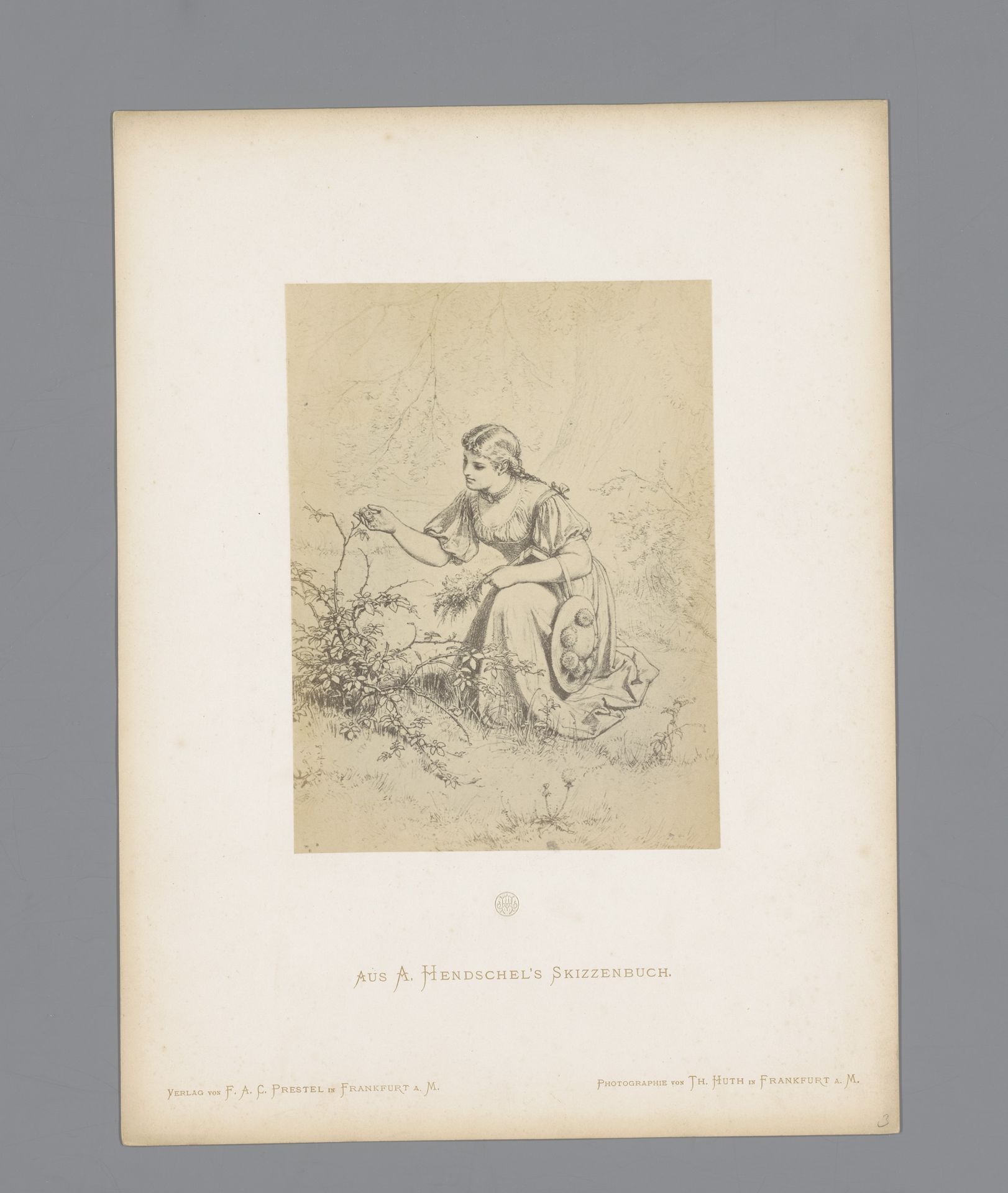
Fotoreproductie van een schets van een meisje dat bloemen plukt door Albert Hendschel

Listen to curator's interpretation
Curatorial notes
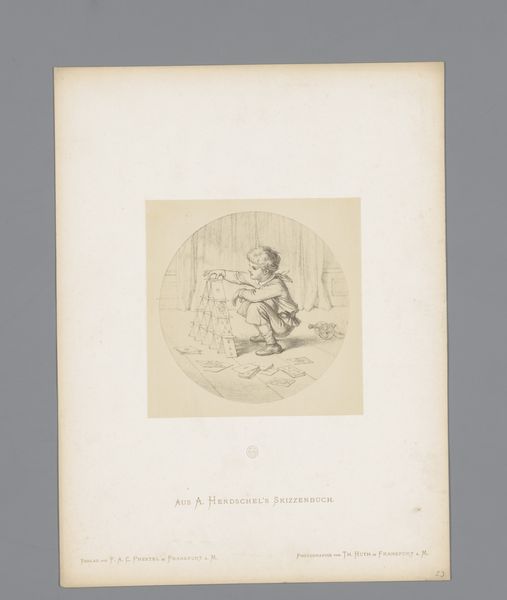
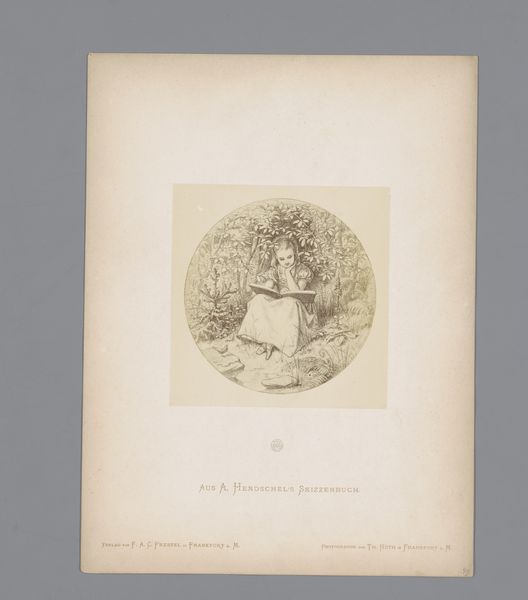
Editor: Here we have a photo reproduction of a sketch made before 1870 by Albert Hendschel, titled 'Fotoreproductie van een schets van een meisje dat bloemen plukt.' It appears to be a pencil drawing on paper with some kind of pale wash to it, maybe aged? How do you interpret this work? Curator: Given its historical context, consider the paper itself. Likely handmade, and perhaps reflecting a localized industry of paper production? What about the photographic reproduction of a drawing—how does that democratize art or change its mode of consumption in this period? Editor: That's interesting, the means of distribution I hadn’t considered. It speaks to a shift in who could access art… What else does that entail, in terms of consumption and readership of such images? Curator: This opens many potential interpretations. Hendschel's original sketch likely functioned as an intimate record, perhaps part of a personal journal as it is sketched ‘Aus A. Hendschel’s Skizzenbuch,’ then turned into a reproducible item for mass consumption. Does the shift from unique artwork to readily available reproduction affect our engagement with it? Are we meant to see a glimpse into Hendschel’s own view, or something else? Editor: I never thought about mass consumption of art in this time period! Thanks for opening my eyes to how artistic production changes how we interact with the image itself! Curator: It is the blending of art, reproduction technology, and economics of everyday life that really brings forth the artwork’s intrinsic, cultural meaning.