1770 - 1830
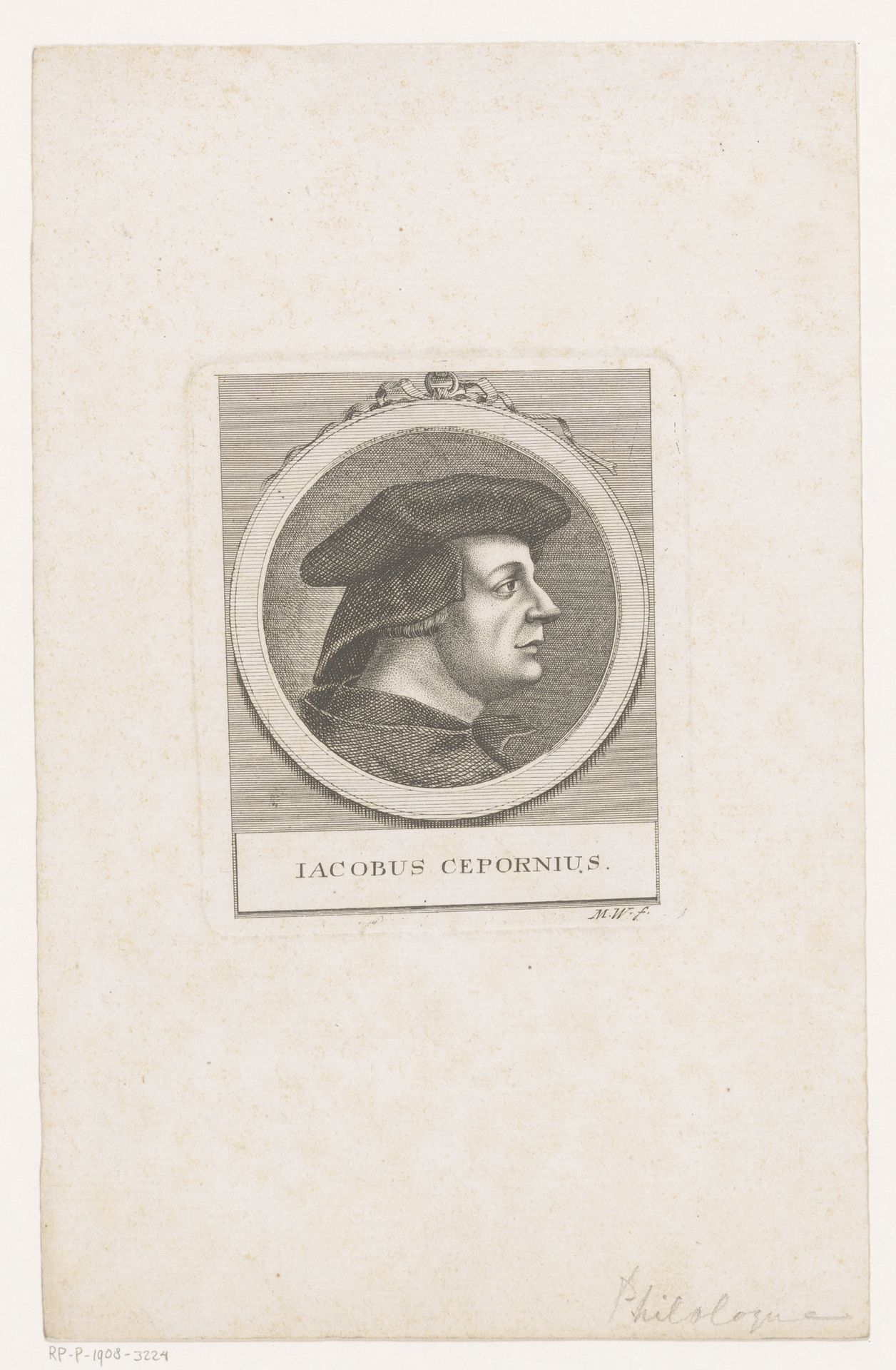
Portret van Jakob Ceporinus

Marquard Wocher
1760 - 1830Location
RijksmuseumListen to curator's interpretation
Curatorial notes
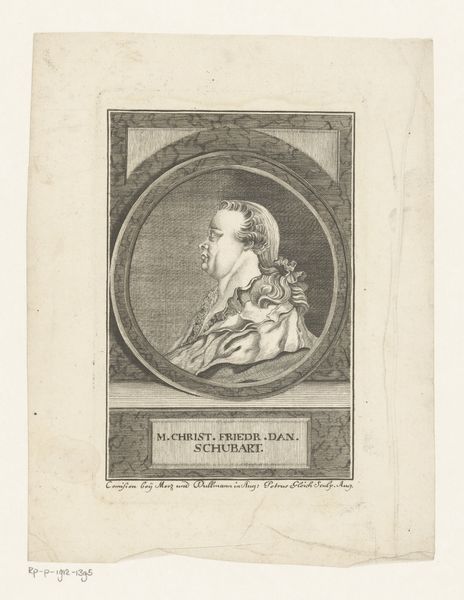
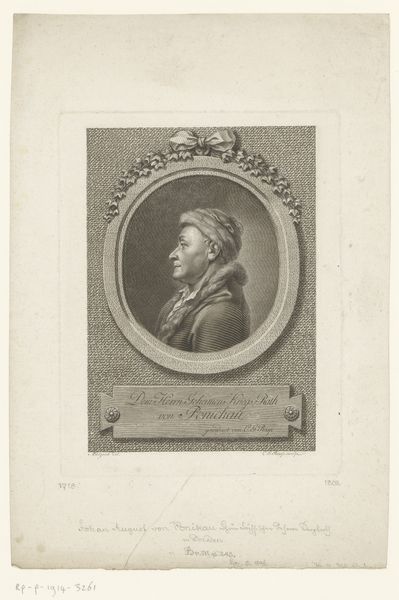
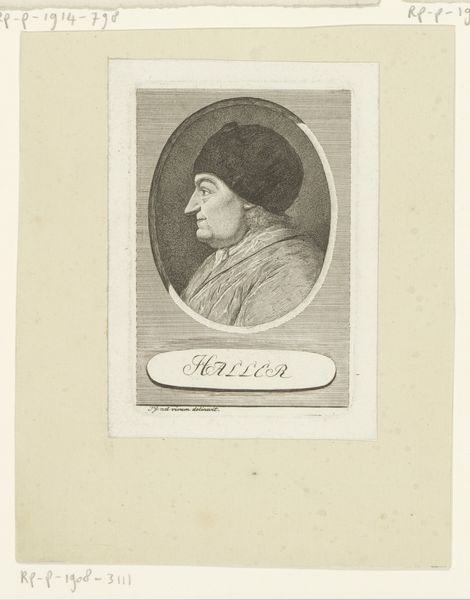
Editor: Here we have "Portret van Jakob Ceporinus" made sometime between 1770 and 1830 by Marquard Wocher, currently at the Rijksmuseum. It’s a print, an engraving actually, depicting a man in profile. The detail is incredible, yet there’s something… distant about him. What stands out to you when you look at this piece? Curator: What I immediately notice is the tension between the apparent simplicity of the portrait and the complex socio-political context it occupies. While appearing straightforward, these prints served to solidify certain narratives around historical figures like Ceporinus. We need to question: whose story is being told, and who is excluded from this visual representation? Editor: That's interesting, I hadn't considered that. So, you're saying this image is more than just a likeness; it's making a statement about power and representation? Curator: Exactly. Engravings like these circulated widely, shaping public perception of individuals and historical periods. How does this seemingly neutral portrayal engage with contemporary discourses of identity and authority? Does the chosen style - the classical portrait - reinforce particular values, while silencing others? Think about the subtle visual cues: What does his attire tell us? What class does this portrait serve? Editor: So it’s less about capturing Ceporinus exactly and more about reinforcing particular ideas of what Ceporinus represents? I suppose, in that way, the portrait's a piece of propaganda? Curator: It prompts us to interrogate the mechanisms through which historical narratives are constructed. By examining the power dynamics embedded in this image, we can gain a deeper understanding of how identity and memory are negotiated and contested. Editor: Wow, that’s given me a whole new way of looking at this print. Thank you! Curator: Likewise! It's through these dialogues that we unearth the layered meanings within seemingly simple images.