About this artwork
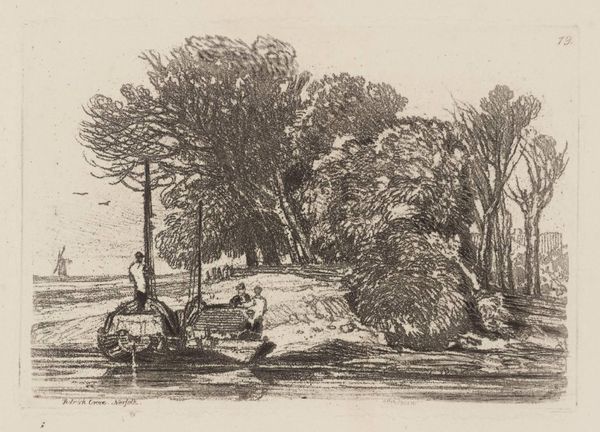
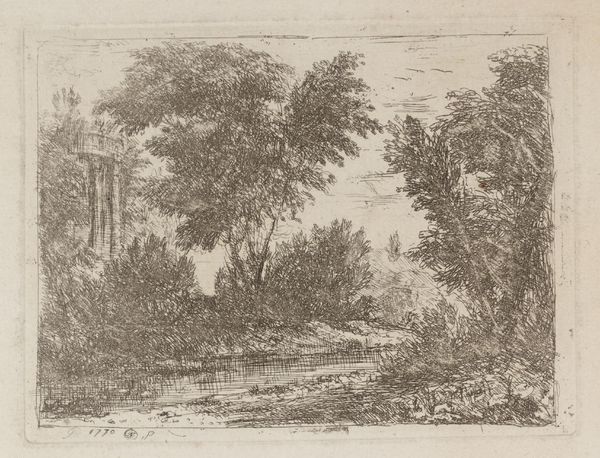
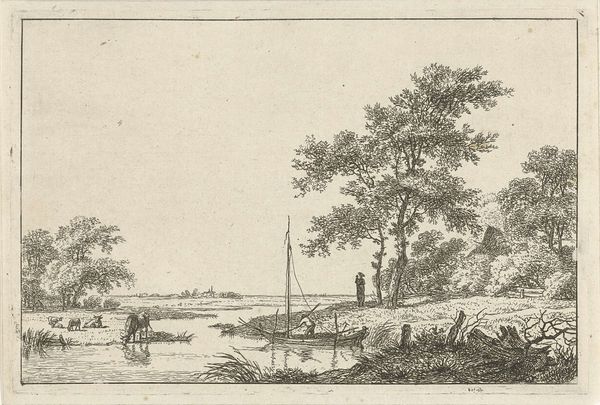
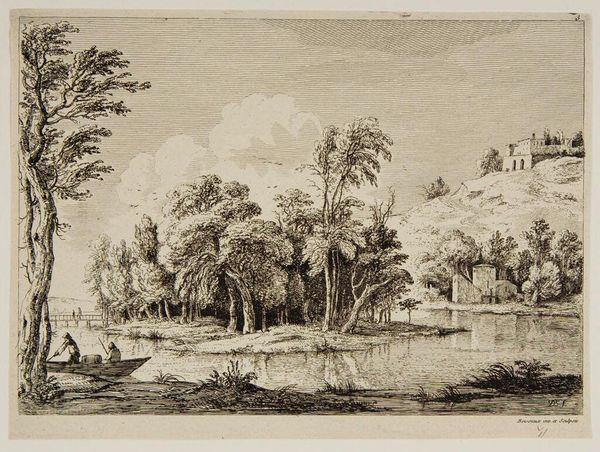
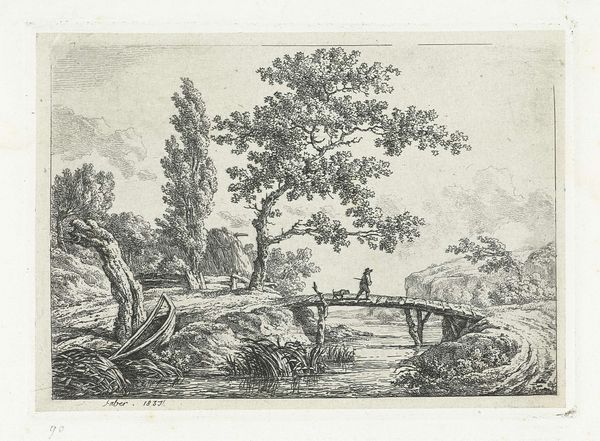
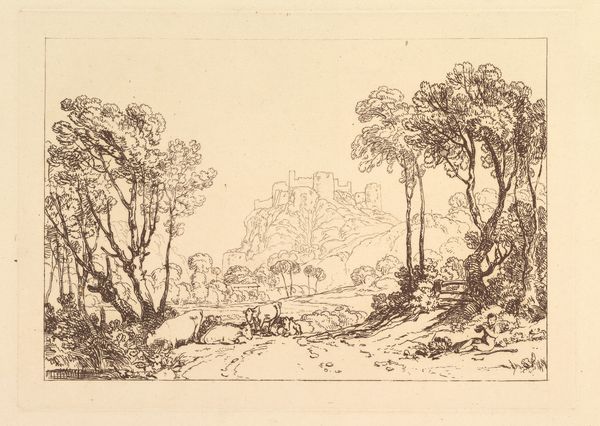
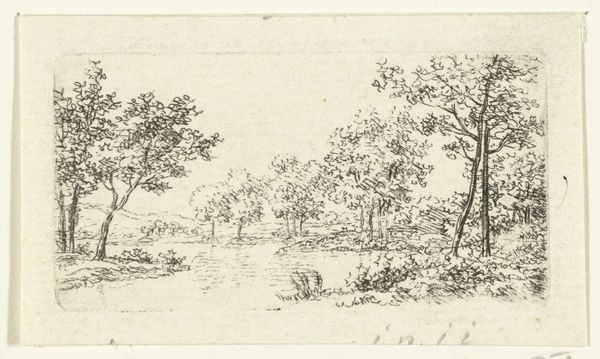
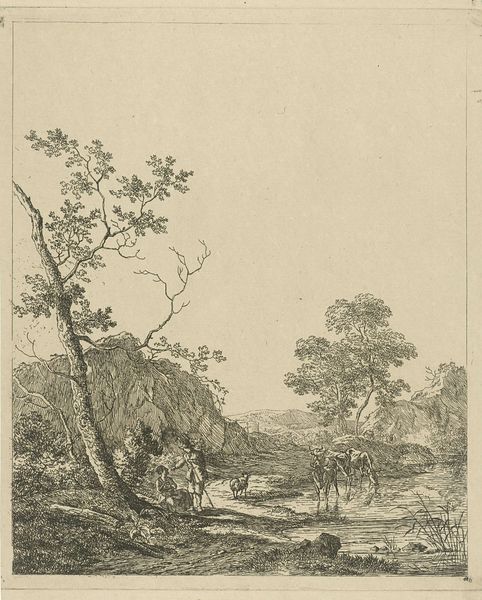
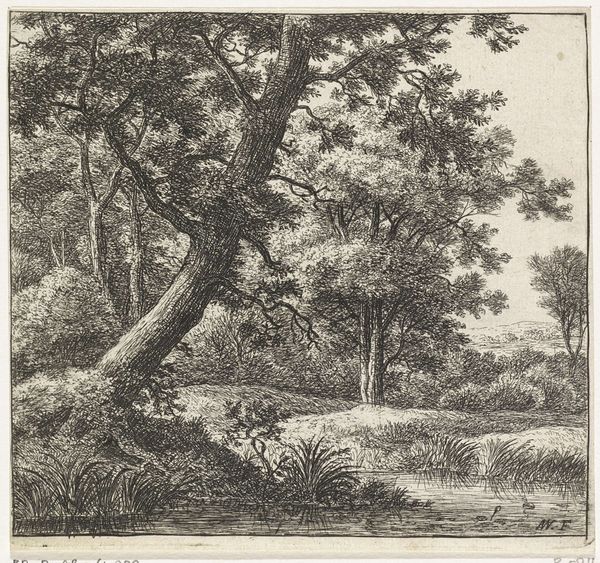
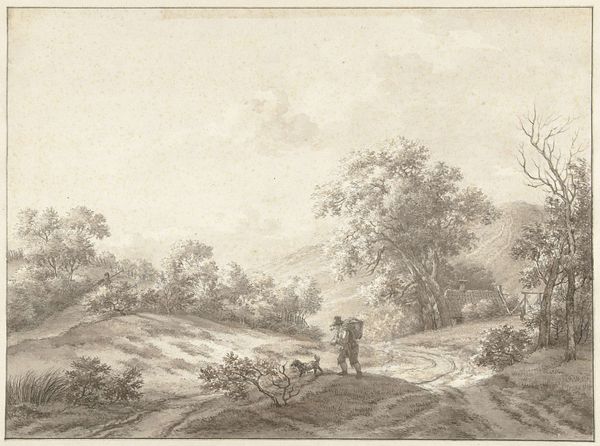
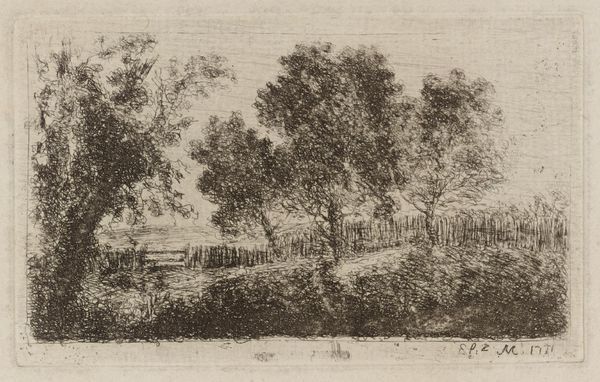
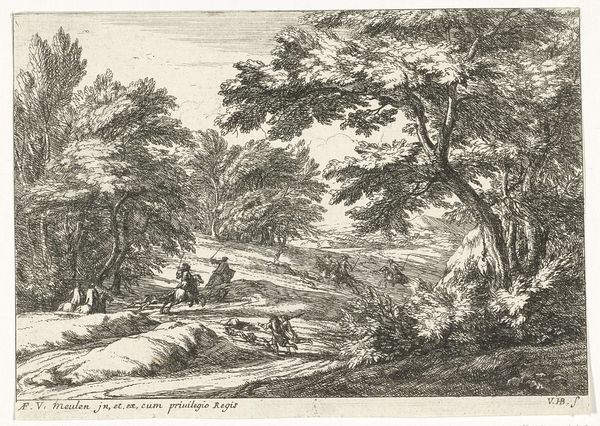
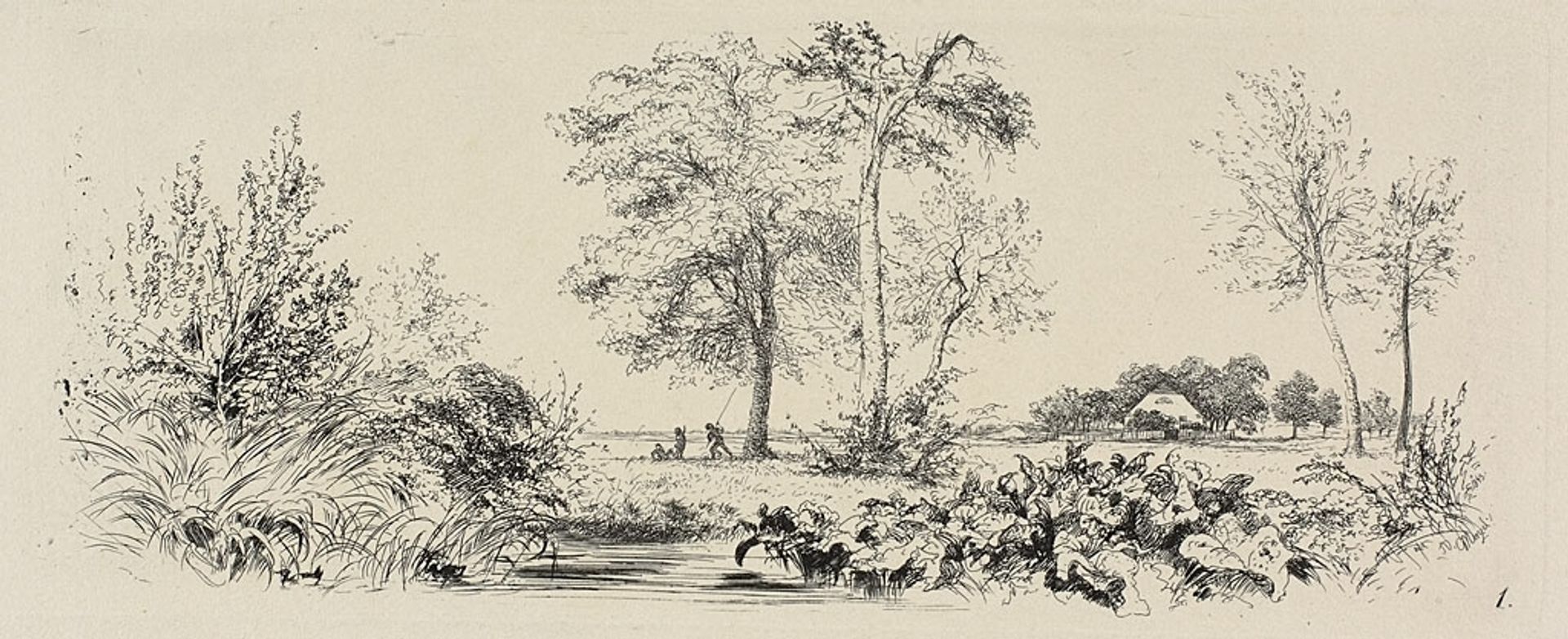
Adolph Menzel made this etching, the first plate from "Radierversuche," without a specified date, rendering a seemingly straightforward landscape. But how might we situate this seemingly neutral scene within its historical moment? Menzel was working in Prussia, later Germany, a society undergoing rapid industrialization in the 19th century. The landscape, often idealized, became a site for negotiating anxieties about modernity. Menzel's choice of etching, a printmaking technique, is also significant. Etching allowed for a certain immediacy and detail, aligning with a growing interest in naturalism. However, it also connected him to a longer tradition of printmaking, a field with its own institutions, markets, and hierarchies. We can see how the image participates in discussions on cultural identity, class and the rise of the middle class. Understanding the socio-political landscape of 19th-century Germany and the institutional history of printmaking allows us to see Menzel's work not as a simple landscape, but as a complex cultural artifact.
Plate one, from Radierversuche
Possibly 1843 - 1844


Artwork details
- Medium
- drawing, print, etching, paper, ink
- Dimensions
- 80 × 205 mm (image/plate); 275 × 360 mm (sheet)
- Location
- The Art Institute of Chicago
- Copyright
- Public Domain
Tags
Comments
Share your thoughts
About this artwork
Adolph Menzel made this etching, the first plate from "Radierversuche," without a specified date, rendering a seemingly straightforward landscape. But how might we situate this seemingly neutral scene within its historical moment? Menzel was working in Prussia, later Germany, a society undergoing rapid industrialization in the 19th century. The landscape, often idealized, became a site for negotiating anxieties about modernity. Menzel's choice of etching, a printmaking technique, is also significant. Etching allowed for a certain immediacy and detail, aligning with a growing interest in naturalism. However, it also connected him to a longer tradition of printmaking, a field with its own institutions, markets, and hierarchies. We can see how the image participates in discussions on cultural identity, class and the rise of the middle class. Understanding the socio-political landscape of 19th-century Germany and the institutional history of printmaking allows us to see Menzel's work not as a simple landscape, but as a complex cultural artifact.
Comments
Share your thoughts