About this artwork
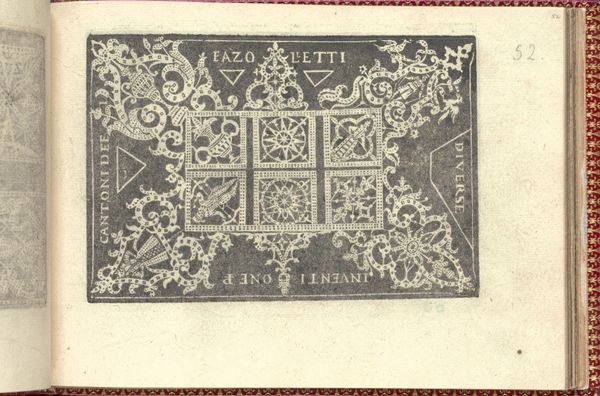
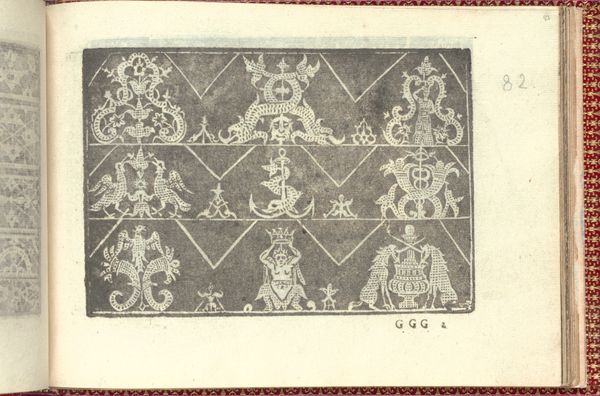
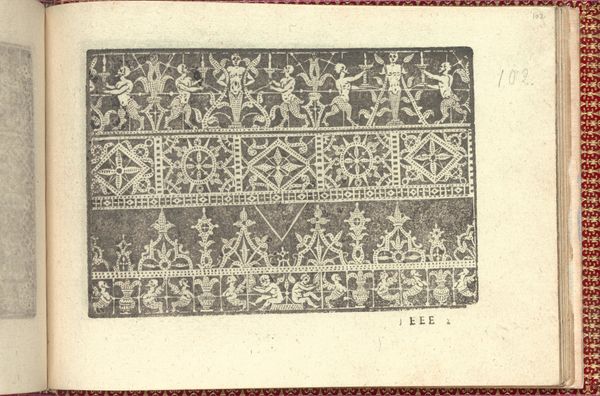
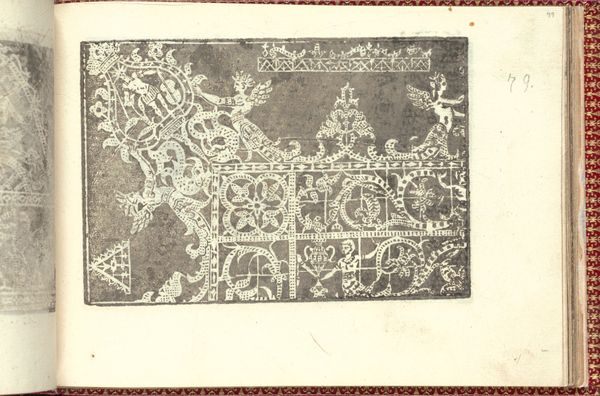
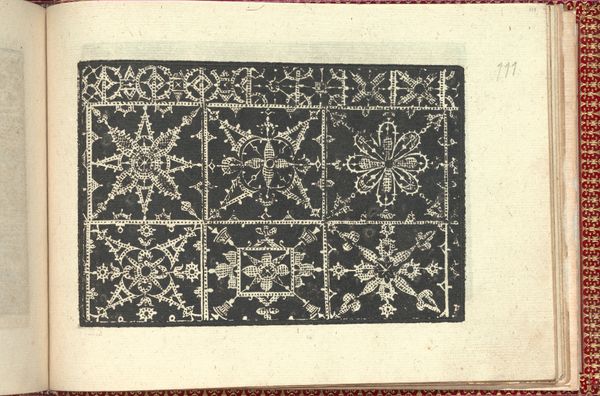
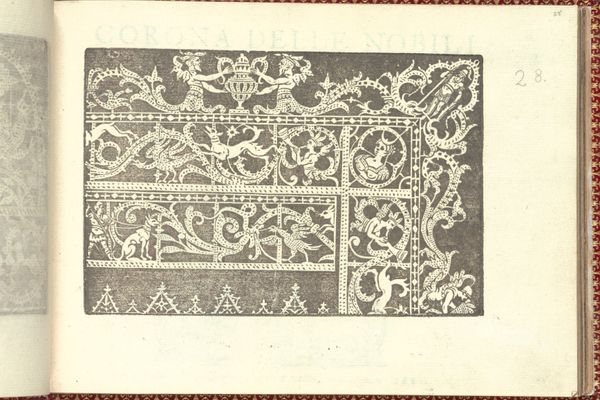
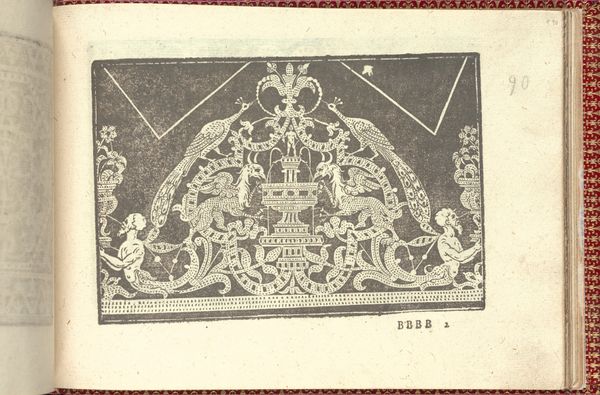
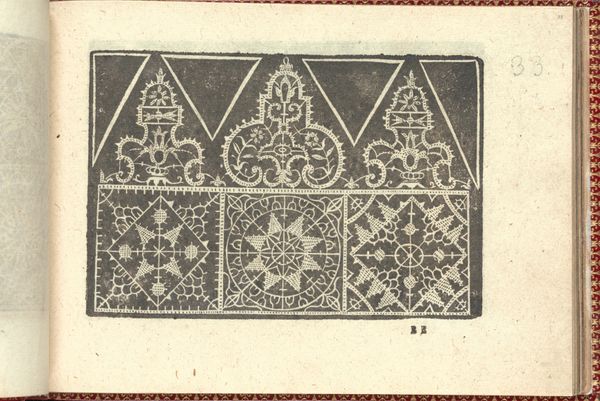
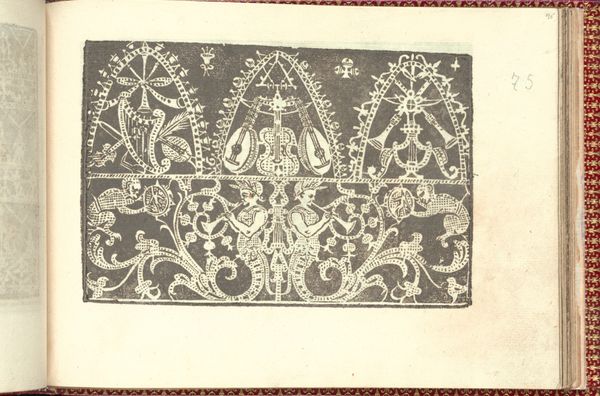
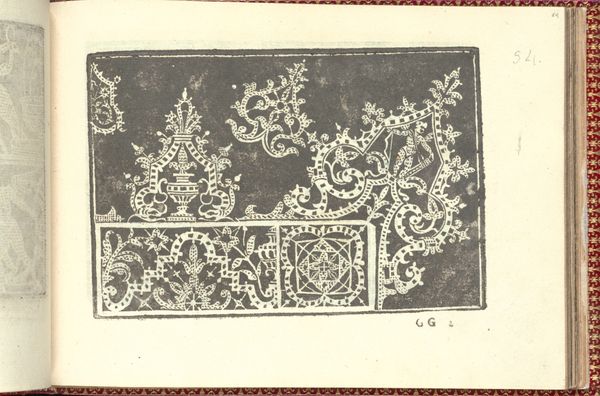
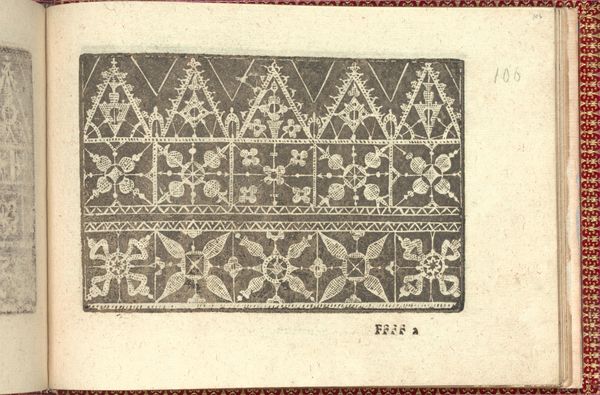
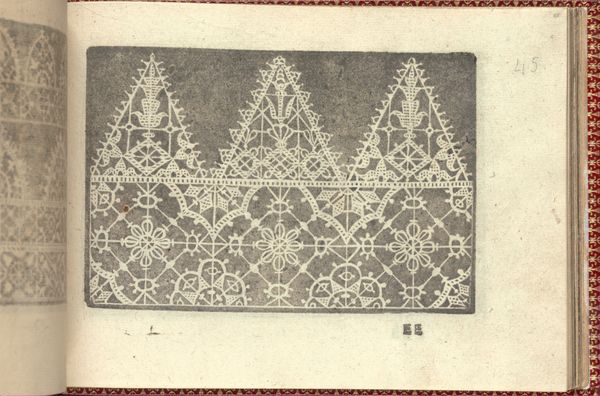
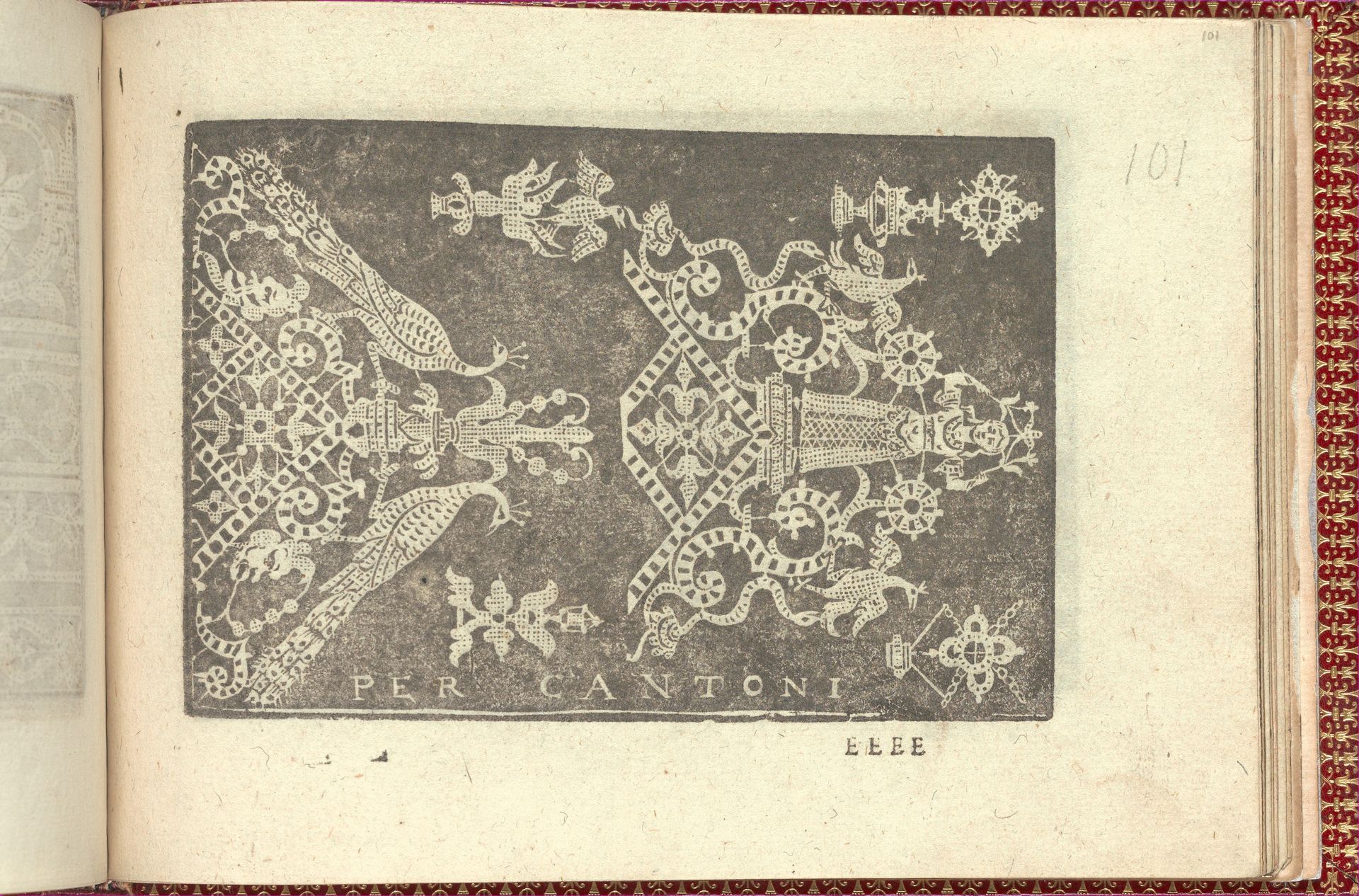
This is page 101 from the first volume of "Corona delle Nobili et Virtuose Donne," a book of lace patterns made in Venice by Cesare Vecellio. Here, the patterns are clearly labelled for "canto" which means "border." These patterns demonstrate the geometric complexity and visual elegance that defined Venetian lace making during this period. But let's not only admire its beauty. This book also illuminates the social and cultural roles of women. The title translates to "Crown of Noble and Virtuous Women", and the book was designed to provide women with skills to be admired for their domestic accomplishments. Lace making was a valued skill, and this book helped women showcase virtue through artistic talent. Historians consult pattern books and other documentary sources to uncover the economic structures that shaped art production and female labor, and how art and craft served to define gender roles within a specific cultural context.
Corona delle Nobili et Virtuose Donne: Libro I-IV, page 101 (recto)
1601


Artwork details
- Medium
- drawing, print, engraving
- Dimensions
- Overall: 5 1/2 x 7 11/16 in. (14 x 19.5 cm)
- Location
- Metropolitan Museum of Art, New York, NY
- Copyright
- Public Domain
Tags
Comments
Share your thoughts
About this artwork
This is page 101 from the first volume of "Corona delle Nobili et Virtuose Donne," a book of lace patterns made in Venice by Cesare Vecellio. Here, the patterns are clearly labelled for "canto" which means "border." These patterns demonstrate the geometric complexity and visual elegance that defined Venetian lace making during this period. But let's not only admire its beauty. This book also illuminates the social and cultural roles of women. The title translates to "Crown of Noble and Virtuous Women", and the book was designed to provide women with skills to be admired for their domestic accomplishments. Lace making was a valued skill, and this book helped women showcase virtue through artistic talent. Historians consult pattern books and other documentary sources to uncover the economic structures that shaped art production and female labor, and how art and craft served to define gender roles within a specific cultural context.
Comments
Share your thoughts